You have seen the before-and-after reels and the quick-fix whitening pens that promise a movie-star smile overnight. Behind every viral glow-up hack is one question that actually matters: is teeth whitening safe for enamel, or are you slowly wearing it down? It is worth separating social media hype from real science.
At Elizabeth L. Wakim DDS, we use professional-grade whitening systems designed to lift stains gently while protecting enamel strength. Every treatment begins with a comprehensive dental evaluation so we can customize the whitening process to your smile’s unique needs and keep your enamel healthy for years to come.
In this guide, we will explain how whitening really works, clear up myths, and share the smartest ways to brighten your smile without putting that protective layer at risk.
Your Smile’s First Line of Defense: Understanding Enamel
Enamel is the thin, translucent outer layer that covers the crown of every tooth. It is the hardest substance in the human body, even tougher than bone, but it does not contain living cells. That means once it wears away or chips, it cannot grow back on its own.
Think of enamel as your smile’s armor. It shields the softer dentin underneath from daily chewing, acidic foods, and hot or cold drinks. Healthy enamel also helps prevent sensitivity, decay, and discoloration.
This protective layer is why many people ask, “Will teeth whitening strip or weaken my enamel?” The concern makes sense, especially with so many at-home products and trends promising fast results. Knowing what enamel does and how whitening interacts with it is the key to keeping your smile bright and strong.
How Teeth Whitening Works (Science, Simplified)
Teeth whitening is now one of the most popular cosmetic dental procedures, and most treatments rely on peroxide-based agents such as hydrogen peroxide or carbamide peroxide. These ingredients release oxygen molecules that break down the chemical bonds in stain-causing pigments.
The whitening gel sits on the surface of the teeth, but the active agents are small enough to move through the enamel’s microscopic pores. They do not remove or thin out the enamel itself. Instead, they react with stains that are trapped within the outer enamel layer and the dentin beneath it, helping to lift discoloration from the inside out.
It also helps to know the difference between surface stains and deep discoloration.
- Surface stains come from coffee, tea, red wine, or smoking and often respond quickly to whitening.
- Deep, intrinsic discoloration can be caused by aging, certain medications, or enamel defects and may take longer to lighten or may need professional treatment for the best results.
Understanding how tooth whitening actually works sets the stage for separating myths from facts about enamel safety and helps you choose the right approach for a healthier, brighter smile.
Can Whitening Damage Enamel? Examining the Risks
The short answer is professional whitening does not damage healthy enamel when used as directed. Multiple clinical studies show that peroxide-based whitening agents work on stains inside the tooth structure without thinning or eroding the enamel itself.
Problems arise when whitening is overused, too strong, or done without proper supervision. High concentrations left on teeth for too long can irritate the gums and make the outer enamel temporarily dehydrated, which may lead to sensitivity.
It is important to understand the difference between tooth sensitivity and actual enamel damage.
- Sensitivity is usually temporary. It happens when whitening temporarily opens the microscopic pores in the enamel, allowing heat or cold to reach the inner dentin.
- Structural damage is rare and typically linked to misuse of high-strength gels or acidic DIY methods that can weaken the enamel surface over time.
Some whitening approaches are riskier than others:
- Unverified DIY hacks such as lemon juice, baking soda scrubs, or charcoal powders can be acidic or abrasive enough to wear down enamel.
- Over-the-counter kits may be safe when used as instructed, but using them too often or stacking products can increase the risk of irritation and uneven results.
- Professional whitening systems are designed to protect enamel, and the treatment is monitored so the gel concentration and application time are tailored to your teeth.
Being aware of these risks can help you choose whitening methods that brighten your smile without compromising enamel health. If you experience sensitivity after whitening, check out our guide on how to stop tooth sensitivity after whitening for tips to keep your smile comfortable and protected.
Ready to Whiten? Read This First
Whitening is not a one-size-fits-all treatment. A little preparation can make the process safer, more comfortable, and more effective.
- Check Your Enamel Health First: If you have weakened enamel, visible cracks, or gum recession, whitening may cause more sensitivity than expected. A dental exam can flag these issues before treatment begins.
- Treat Existing Dental Problems: Cavities, worn fillings, or untreated gum disease should be addressed first. Whitening solutions can seep into untreated areas, leading to pain or uneven results.
- Know the Type of Stains You Have: Surface stains from coffee or tea usually respond well to whitening. Deeper discoloration caused by medications, aging, or trauma may need more advanced cosmetic solutions.
- Be Aware of Dental Restorations: Crowns, veneers, and fillings will not whiten like natural enamel. If you have visible restorations, you may need a plan to replace or adjust them after whitening for an even shade.
- Consider Timing for Best Results: Whitening right after a professional cleaning often delivers brighter and more uniform results. If you have upcoming dental procedures, ask your dentist about the best timing.
Brighten Smart: Best Practices to Whiten Safely
A whiter smile should never come at the cost of enamel health. Following a few science-backed steps can help you get brighter teeth without unwanted side effects:
- Start with a Dental Checkup: Whitening works best on clean, healthy teeth. A dentist can spot issues like cavities, gum recession, or thin enamel that could make whitening uncomfortable or less effective.
- Stick to Recommended Concentrations and Timing: Overloading on high-strength gels or wearing strips longer than directed does not speed up results. It only raises the risk of sensitivity or irritation.
- Space Out Your SessionsMost professional treatments are done once or in short series, followed by occasional touch-ups. Give your enamel recovery time to stay strong.
- Pair Whitening with Enamel-Strengthening Care: Use fluoride toothpaste or remineralizing gels to keep enamel strong and reduce post-whitening sensitivity. Check out our top products to brighten your smile for safe ways to maintain your results at home.
- Skip the DIY Shortcuts: Home hacks like lemon juice, charcoal, or baking soda scrubs may look appealing online but can be abrasive or acidic enough to harm enamel over time.
Myths and Misinformation: What You Shouldn’t Fall For
Not everything that goes viral online is good for your smile. Some popular whitening “hacks” and claims can do more harm than good:
Myth 1: Lemon juice or vinegar whitens teeth naturally.
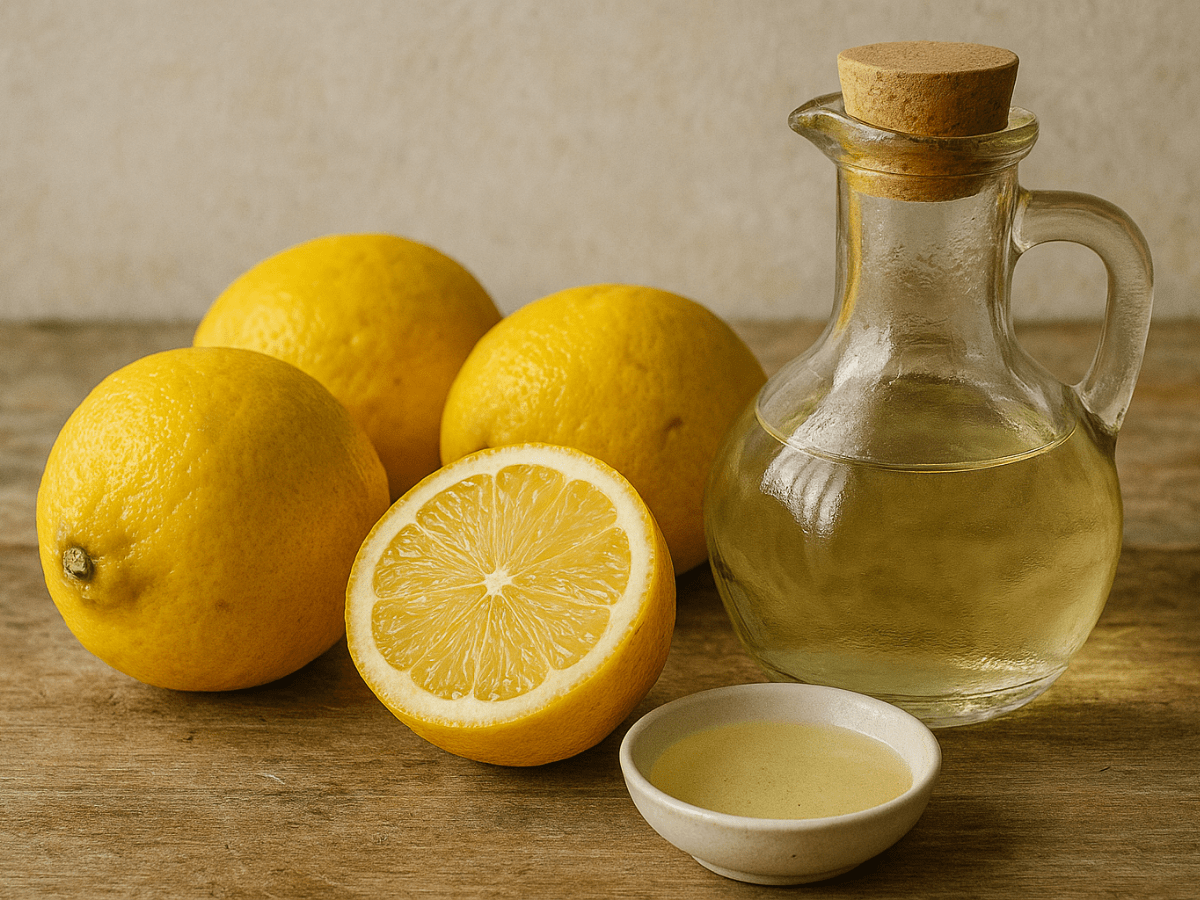
Some hacks like lemon juice may seem harmless, but these liquids are acidic and can erode tooth enamel, making teeth weaker and more sensitive. Safe teeth whitening treatments with peroxide based bleaching agents are generally safe when you follow instructions carefully and get proper guidance from a dental professional.
Myth 2: Charcoal powder is safe for everyday use.

While it can help with removing surface stains, charcoal is abrasive enough to cause teeth whitening damage and lead to sensitive teeth. For a safer way to whiten your teeth and protect your oral health, choose trusted teeth whitening products or in office treatments supervised by your dentist.
Myth 3: Whitening strips work better if you leave them on longer.

Keeping strips on longer than instructed will not give you whiter teeth or a brighter smile. It only increases the chance of sensitivity and gum irritation and may even lead to whitening damage tooth enamel. To protect your teeth and gums, always follow instructions carefully and stick to a safe whitening regimen.
Myth 4: All discoloration can be fixed by whitening.
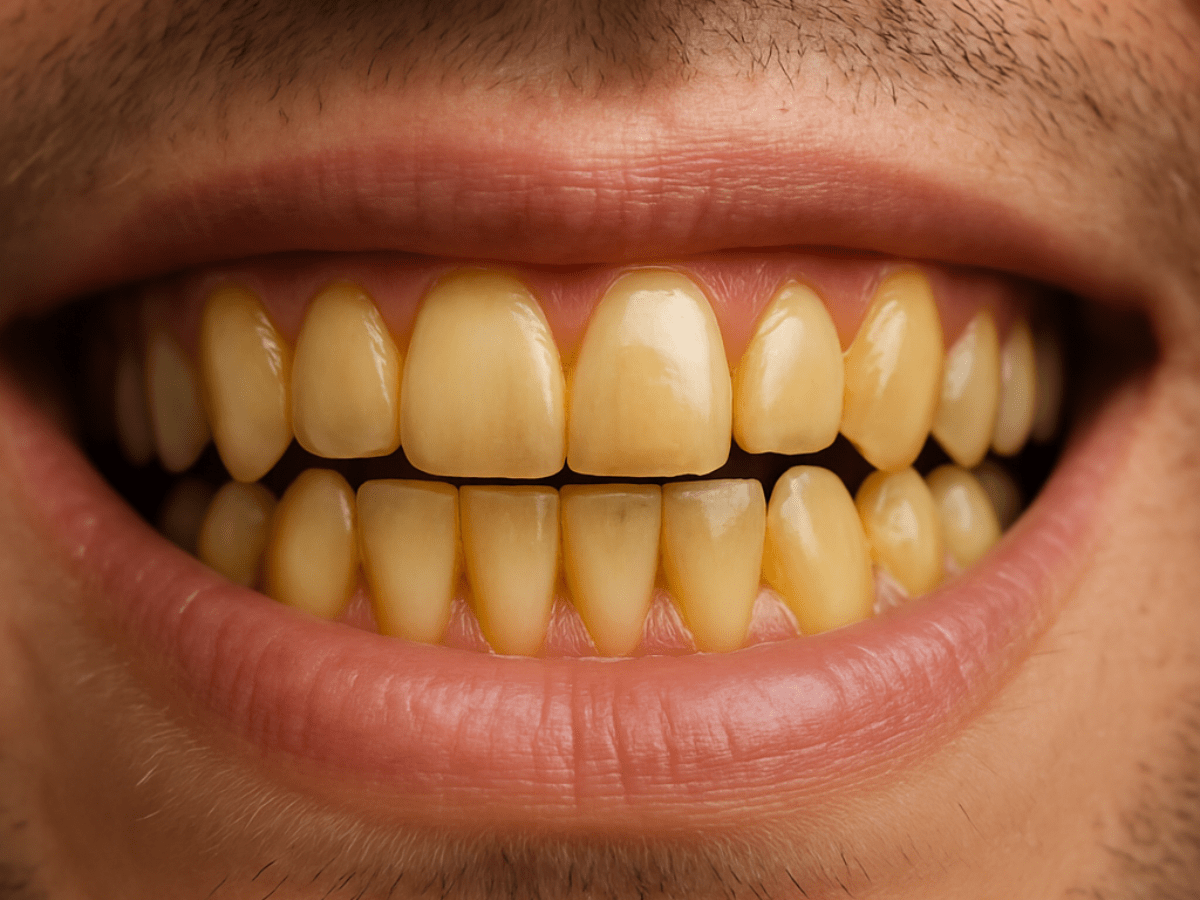
Intrinsic stains caused by medication, fluorosis, or enamel defects often do not respond to teeth whiteners or at home kits. In these cases, a cosmetic dental procedure such as veneers or bonding may be recommended to restore a confident smile. These options go beyond dental whitening and are tailored to correct deeper tooth discoloration while protecting long-term dental health.
Myth 5: Sensitivity means your enamel is permanently damaged.

Most whitening sensitivity is temporary and eases once treatment is paused or spaced out. Using sensitivity toothpaste, choosing custom trays or custom fitted trays, and sticking to good oral hygiene can help reduce increased sensitivity and protect your radiant smile.
Brighten Your Smile Without Compromising Enamel
A whiter smile starts with understanding how whitening products interact with your enamel. Choosing the right treatment, following safe application guidelines, and addressing any sensitivity early can keep your teeth bright and healthy for years to come. If you are unsure whether whitening is right for you, a professional consultation can help you make an informed decision.
If you have noticed increased tooth sensitivity, uneven whitening results, or questions about protecting your enamel, do not wait for the issue to worsen. A quick checkup can reveal whether you simply need a gentler approach or a different whitening solution altogether.
At Elizabeth L. Wakim DDS, we offer expert evaluations and customized whitening plans designed to enhance your smile while keeping enamel strong. Call our Pennsylvania office at (724) 558-8222 or use our contact form to schedule your appointment today.

Dr. Elizabeth Wakim, DDS, is the founder of Enhanced Wellness. She’s a compassionate and highly-regarded dentist with her own practice in Washington, Pennsylvania, known for providing modern, comprehensive dental care, botox and facial aesthetics with a focus on patient comfort and anxiety reduction, serving general, cosmetic, and pediatric dentistry needs.