Tooth decay does not happen overnight. It starts quietly, often as a faint white spot you barely notice. That early stage is called an incipient lesion, and if it continues without care, it can progress into something more familiar, a cavity. Many people do not realize these stages are completely different, and understanding the difference can help you avoid drilling, sensitivity, and expensive treatments.
This guide explains what is happening to your enamel, how dentists identify early damage, and the steps you can take to stop a small issue before it turns into lasting decay. The goal is to keep everything simple, practical, and rooted in real dental science so you can protect your teeth with confidence.
What Enamel Does for Your Teeth
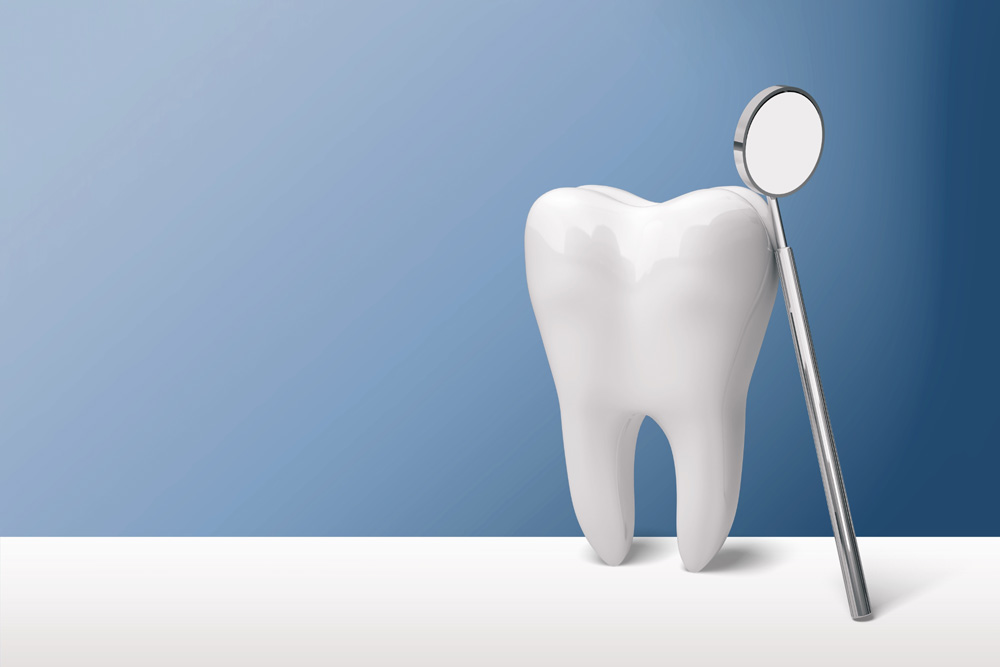
Enamel is the outer shield that protects your teeth from daily wear. It is made of tightly packed minerals that help defend against acids, bacteria, and the constant pressure of chewing. Even though it is the hardest tissue in the body, enamel can still weaken when it loses minerals through frequent exposure to sugars, acids, and plaque.
When this mineral loss begins, the surface becomes porous. This early change is what leads to an incipient lesion. At this stage the tooth is still intact, and the damage can often be reversed with proper care. If the surface breaks down, the lesion becomes a true cavity, and the tooth can no longer repair itself naturally. Understanding how enamel works helps you see why early detection matters so much for long term dental health.
What an Incipient Lesion Is
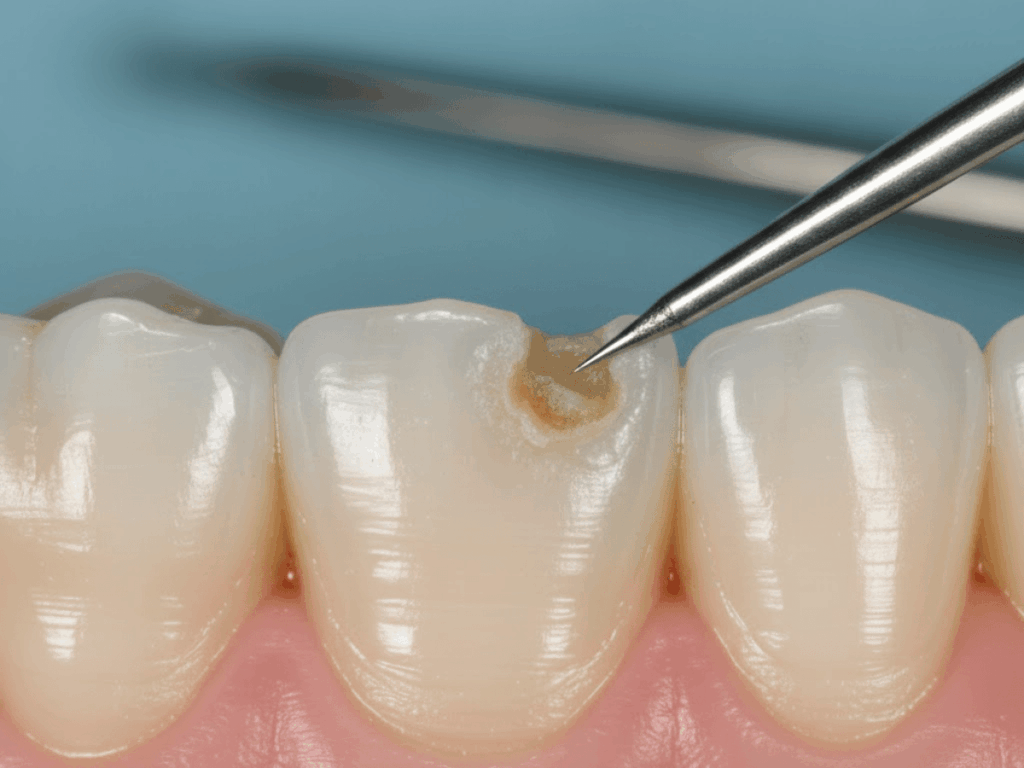
An incipient lesion is the earliest stage of tooth decay. It begins when enamel loses minerals after repeated exposure to acids from food, drinks, or plaque. This early change often appears as a white or chalky spot on the tooth. The key detail is that the enamel surface is still intact. There is no hole, and the tooth structure has not been broken.
Because the surface remains whole, this stage can often be reversed. Fluoride, saliva, and consistent oral care can help rebuild lost minerals and strengthen the enamel again. Early detection gives you the chance to stop decay before it progresses.
What a Cavity Is
Billions of people worldwide experience tooth decay, including adults with permanent teeth and many children with primary teeth. A cavity begins when enamel loses more minerals than it can replace and the surface finally breaks. This opening lets bacteria reach deeper layers of the tooth, which speeds up the decay process. Unlike an incipient lesion, a cavity cannot heal on its own because the enamel has been damaged beyond the point where remineralization is possible.
At this stage, restorative treatment is necessary. A dentist removes the decayed area and rebuilds the tooth with a filling or another suitable material. Learning more about preventative dentistry can help you understand how daily habits and early monitoring reduce the chances of decay reaching this point. Recognizing when an incipient lesion becomes a true cavity shows why timely care is so important for long term oral health.
How Dentists Diagnose Incipient Lesions and Cavities
Dentists use a combination of visual signs, surface texture, and diagnostic tools to tell early enamel changes from active decay. The first step is often a careful visual exam. An incipient lesion usually looks like a white, dull, or chalky area that becomes more noticeable when the tooth is dried. A cavity tends to appear darker or shadowed, and the enamel may show obvious breakdown.
Next, dentists check the texture of the enamel. An incipient lesion still feels smooth because the surface has not broken. A cavity feels rough or soft because decay has already created a structural change. Gentle pressure helps the dentist determine whether the enamel is intact or compromised.
Diagnostic tools give a clearer picture of hard to see areas. Bitewing X rays help identify decay between teeth. Fluorescence devices and transillumination systems can highlight early mineral changes that are not visible to the eye. By combining these methods, dentists can accurately distinguish early, reversible enamel damage from decay that requires restorative treatment.
Why the Difference Matters
Understanding each stage helps you know what can still be reversed and what requires treatment.
Why Early Lesions Need Attention
Early lesions matter because this is the one stage where you still have control. The enamel is weakened but not broken, so minerals can be restored with proper care. This gives you the chance to stop decay before a permanent opening forms. It also lets your dentist track the area and guide you with simple steps that protect the tooth. Acting early helps you avoid drilling and keeps more of the natural structure intact, which supports healthier teeth over time.
Why Cavities Are a Serious Concern
A cavity cannot heal on its own once the enamel has broken. Restorative treatment becomes necessary because the tooth cannot rebuild lost structure. If the decay continues, it can move deeper into the tooth and raise the risk of pain or infection. Ignoring it can also lead to more involved procedures, including crowns or root canal therapy.
Seeing these differences in a clear way shows why early detection of enamel changes is so valuable for long term dental health.
When a Cavity Needs Treatment
A cavity requires treatment once the enamel has broken and the tooth can no longer repair itself. Restorative care stops the decay from spreading deeper and protects the tooth from further damage.
- Restoring the Tooth With a Filling: A filling procedure removes the damaged area and rebuilds the structure with dental materials designed to strengthen the tooth. This step helps stop further decay and keeps the area stable.
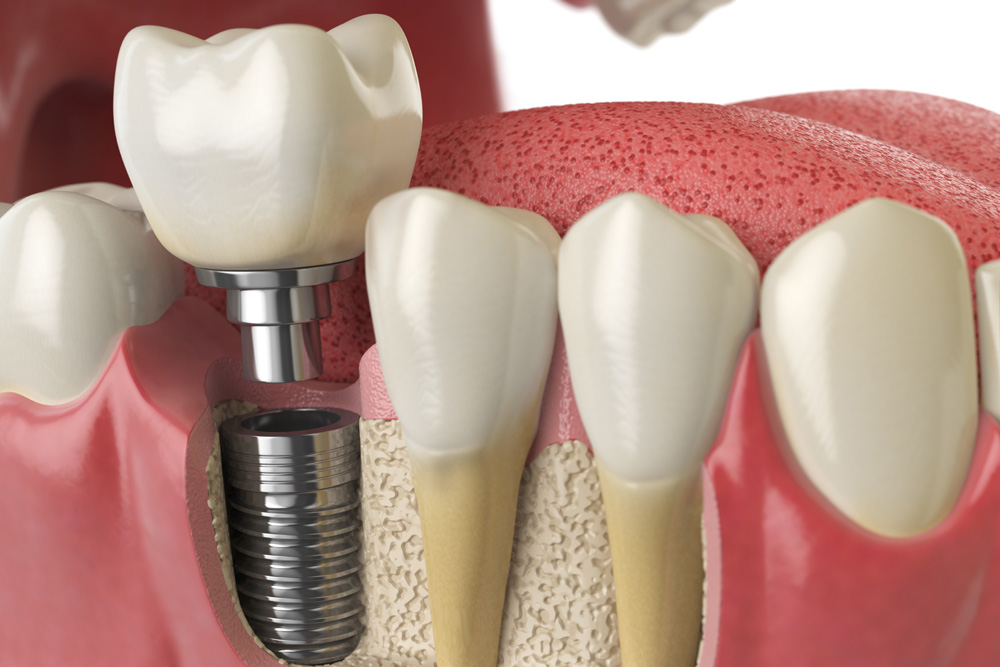
- Addressing Deeper Damage: If decay reaches beyond the enamel, a larger dental restoration may be needed to reinforce the tooth. Advanced diagnostic tools help your dental practice determine how far the damage has progressed.
- Treating Severe Cases: When decay extends into the inner layers, root canal therapy may be necessary to remove infection and save the tooth. Leaving such lesions untreated increases the chance of more complicated procedures later.
- Monitoring for Continued Health: Regular checkups allow your dentist to use a precise dental instrument to check for changes around existing restorations. These visits support ongoing oral hygiene and help identify contributing factors that may need attention, such as periodontal disease or dry mouth.
When treated early, the process is simpler and preserves more of the natural tooth. Ignoring a cavity increases the risk of pain, infection, and more complex procedures later. In some cases, untreated decay can also affect a tooth’s appearance, which is why many patients explore cosmetic dentistry options once their dental health has been stabilized.
How to Lower Your Risk Long Term
Lowering your chances of developing dental caries starts with daily habits that protect the tooth surface and keep the demineralization process under control. Consistent care helps prevent cavities, slows cavity progression, and supports the natural tooth structure so early changes like non cavitated lesions and incipient caries are less likely to worsen.
These simple steps create an environment where enamel begins to repair itself and the oral cavity stays healthier over time.
Brush with Fluoride Toothpaste
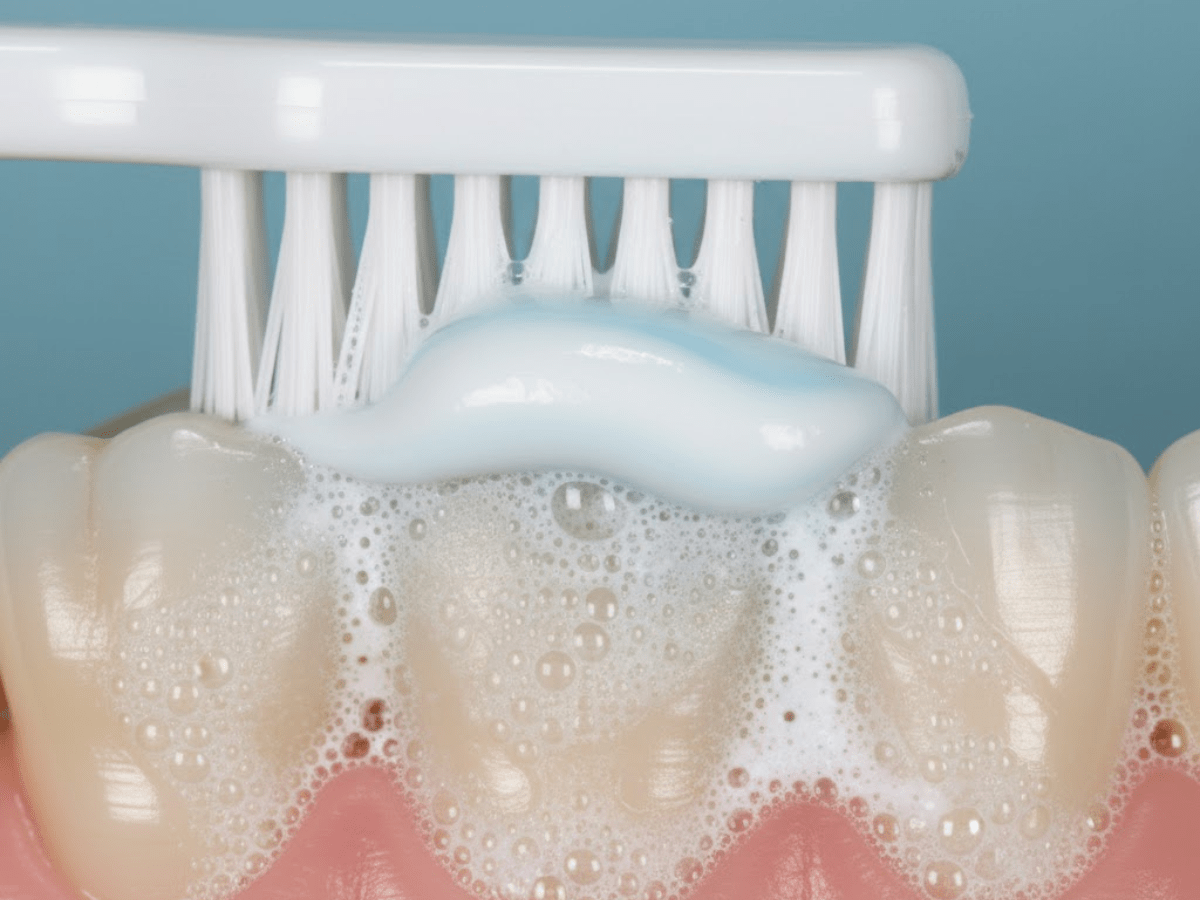
Brushing twice each day with fluoridated toothpaste strengthens enamel and helps repair enamel weakened by bacterial acids from decay causing bacteria such as streptococcus mutans. Regular brushing also removes food debris and rampant caries that collects along the gingival margin and smooth surface areas.
Limit Sugary and Acidic Foods

Lowering sugar intake reduces the conditions that fuel the decay process. Avoid sugary foods and acidic drinks that trigger frequent acid attacks on the outer surface of the tooth. Choosing dairy products aids remineralization because they support healthy salivary glands and promote neutral pH levels.
Drink Water Often

Water keeps saliva flowing, and saliva washes away food debris while helping buffer acids inside the oral cavity. Staying hydrated also supports the natural defenses that protect root surfaces, primary teeth, molar teeth, and anterior teeth from early dental decay.
Clean Between Your Teeth
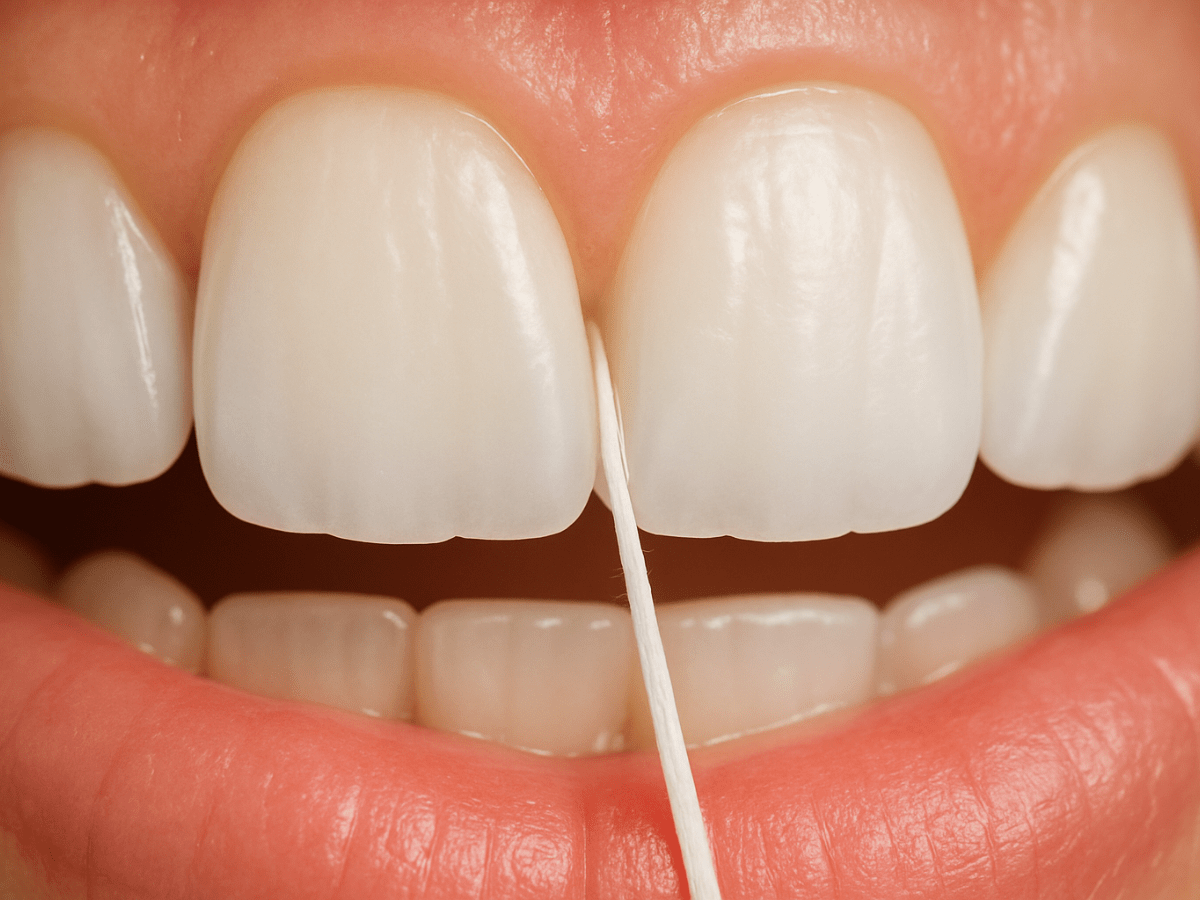
Cleaning between teeth with floss or interdental tools reaches tight spaces where carious lesions often start. This step is essential for preventing dental cavities in deep grooves and along smooth surface areas that collect plaque.
Maintain Regular Dental Visits

Routine visits give dental professionals the chance to perform an oral health assessment, identify risk factors, monitor arrested lesions or inactive lesion areas, and guide you with preventive care like dental sealants, fluoride varnish, professional fluoride treatments, or silver diamine fluoride when needed.
Keeping Your Teeth Healthy Moving Forward
Understanding the difference between an incipient lesion and a cavity gives you a clearer picture of what is happening inside your enamel. Early lesions are a warning sign, but they also offer a chance to stop decay before the tooth breaks down. Cavities require treatment once the enamel is damaged, which is why catching changes early makes such a meaningful difference.
Great oral hygiene habits, regular dental visits, and early detection help protect your teeth and reduce the need for future restorative work. Small choices add up, and staying consistent gives your enamel the best chance to stay healthy. If you notice any changes or have concerns about early decay, reaching out to your dentist is always the right step.

Dr. Elizabeth Wakim, DDS, is the founder of Enhanced Wellness. She’s a compassionate and highly-regarded dentist with her own practice in Washington, Pennsylvania, known for providing modern, comprehensive dental care, botox and facial aesthetics with a focus on patient comfort and anxiety reduction, serving general, cosmetic, and pediatric dentistry needs.