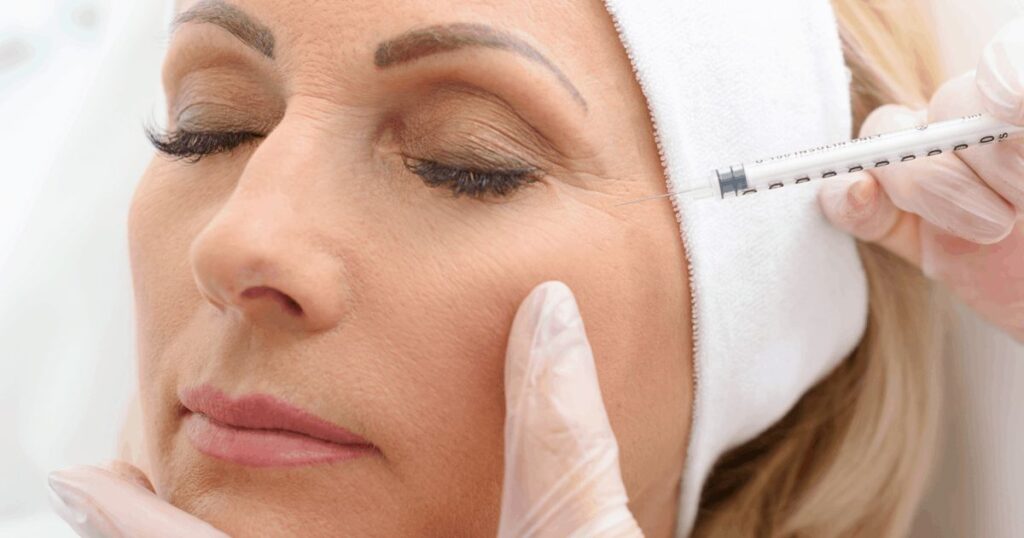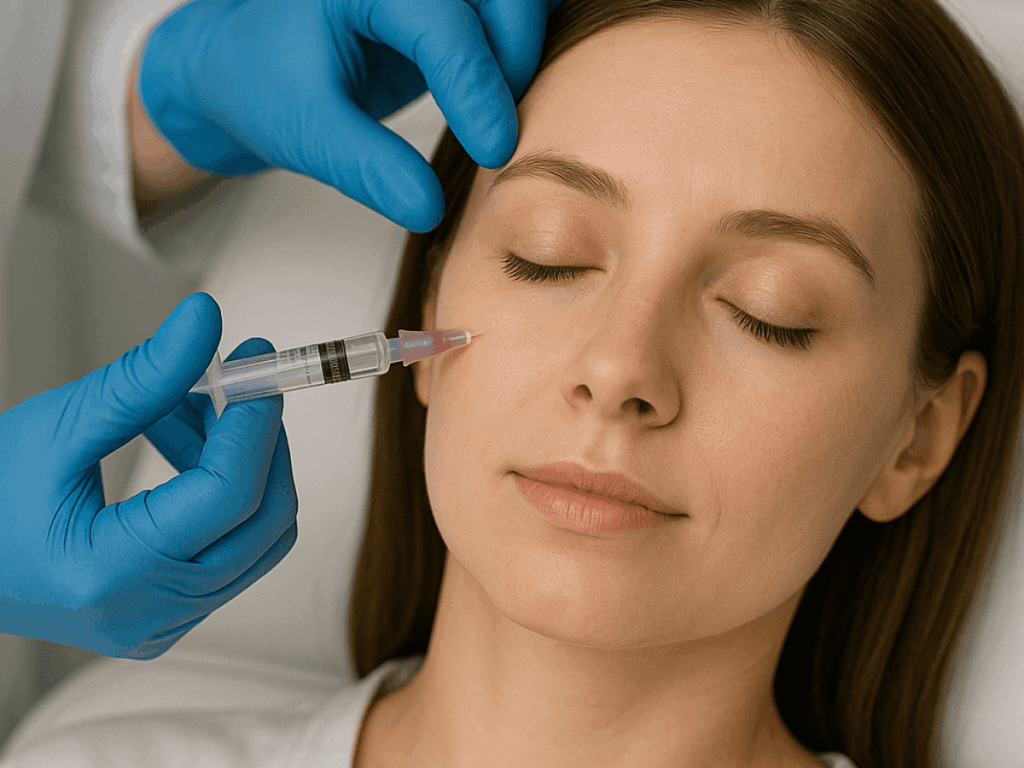
Botox and dermal fillers are everywhere in beauty conversations, yet many people still mix them up. Botox relaxes specific muscles to soften expression lines. Dermal fillers add volume to areas that look flat or hollow. Understanding the difference between Botox and dermal fillers helps you choose a treatment that actually supports your goals, whether you want smoother lines, fuller features, or a more balanced look.
This guide breaks down how each option works and when they are most effective, so you can make a clear and confident decision.
At Elizabeth L. Wakim DDS, we take a careful, patient-centered approach to cosmetic treatments. Our consultations use detailed digital imaging to evaluate your facial structure and recommend options that fit your goals, your comfort level, and your long-term results. You get guidance that is modern, personalized, and focused on what will genuinely work for you.
What Botox and Dermal Fillers Actually Are
Botox and dermal fillers are often grouped together, but they work in completely different ways. Understanding how each treatment functions helps you match your goals with the option that delivers the most predictable and natural result.
Botox

The demand for Botox has surged in recent years, with treatments increasing dramatically as more people seek subtle, noninvasive options for smoother skin. Botox is a purified neurotoxin that temporarily relaxes specific facial muscles. When these muscles soften, expression lines such as forehead lines, frown lines, and crow’s feet become less visible. This treatment is ideal for smoothing lines that appear with movement.
Dermal Fillers
Dermal fillers are widely used today, with millions of patients choosing them each year to address age-related changes in facial volume. These treatments use gel-based formulas, commonly made with hyaluronic acid, to add volume beneath the skin. They are designed for concerns like deeper folds, thinning cheeks, lip enhancement, and areas that look flat or hollow. Fillers restore fullness and improve facial contours for a more balanced appearance.
How Long Results Last
The longevity of Botox and dermal fillers varies because they work through different mechanisms. Understanding how long each treatment lasts helps set realistic expectations and makes planning your maintenance routine easier.
Botox Results
Botox typically lasts about three to four months. The effect fades gradually as muscle activity returns. Some patients notice longer results over time as the treated muscles adapt to reduced movement. Regular appointments help maintain smoother expression lines.
Dermal Filler Results
Dermal fillers last longer because they add physical volume beneath the skin. Most hyaluronic acid fillers last six to twelve months, depending on the formula and the area treated. Thicker fillers placed in the cheeks or jawline can last even longer. Your metabolism, skin condition, and lifestyle can influence how quickly your body absorbs the product.
Side Effects and Safety Considerations
Botox and dermal fillers are generally safe when performed by trained professionals. Understanding the possible side effects helps set clear expectations and supports informed decision-making.
Botox Side Effects
Although most patients tolerate treatment well, available data shows that a small percentage of cosmetic injections can lead to complications. Botox is a purified form of botulinum toxin that targets muscle movement to reduce wrinkles caused by repeated facial expressions. Side effects are typically mild and temporary, especially when the procedure is performed by a trained professional.
Common temporary effects may include:
- Mild redness at the injection site: This can occur immediately after treatment and usually fades within minutes to a few hours as the skin calms.
- Slight swelling: Minor swelling may appear where the product is injected. It normally settles quickly as the Botox begins to take effect.
- Small bruises: Light bruising can happen when a tiny blood vessel is touched during the procedure. It is harmless and usually fades within a few days.
- Headache: Some patients experience a short-lived headache as the product interacts with the muscle. This is generally mild and resolves on its own.
- A feeling of tightness as the product begins to work: A temporary pulling or firm sensation can develop as Botox starts reducing muscle activity in the upper face.
Less common concerns may include:
- Eyelid drooping: This may occur when the product spreads to nearby muscles that help lift the eyelid. It is temporary and improves as muscle movement returns.
- Brow drooping: Similar to eyelid drooping, this can happen when Botox settles deeper than intended. It typically resolves as the effects fade.
Dermal Filler Side Effects
Fillers work by physically lifting and supporting the tissue, which helps reduce the appearance of volume loss and sagging skin.
Common temporary effects may include:
- Swelling: Swelling is common as the filler integrates with the tissue. It usually improves within a few days as the area settles.
- Bruising: Bruising can appear when a small blood vessel is touched during injection. This typically fades within several days and is considered normal.
- Tenderness: Mild discomfort or sensitivity can occur around the treated area. This tends to improve as the filler stabilizes beneath the skin.
- Slight lumps or uneven texture as the filler settles: Small irregularities may be felt under the skin during the first few days. These often smooth out naturally as the product integrates.
Less common but serious risks may include:
- Allergic reactions: Although uncommon, some individuals may react to specific filler formulas. Most modern fillers are well tolerated.
- Infection: Any injectable procedure carries a small risk of infection. Following aftercare instructions and working with a qualified provider helps reduce this risk.
- Vascular complications: If filler is injected into a blood vessel, it can block circulation and lead to tissue death. This is rare but serious, which is why dermal filler treatments should only be performed by trained professionals with a strong knowledge of facial anatomy.
A clear understanding of these side effects helps you recognize the key differences between Botox and dermal filler procedures and supports safe, natural looking results.
How to Choose the Right Treatment
Selecting between Botox and dermal fillers depends on your goals, the areas you want to improve, and the type of results you expect. Each treatment addresses different concerns, so understanding what you want to achieve is the first step to choosing confidently.
Choose Botox if you want to:
- Soften dynamic wrinkles created by facial expressions: Botox injections target the repetitive muscle contractions that deepen lines when you smile, frown, or raise your eyebrows. This makes Botox ideal for treating wrinkles caused by active movement.
- Treat forehead wrinkles and improve symmetry: Botox works by gently relaxing specific muscles, which helps treat and smooth the upper face. It can also improve facial symmetry by reducing overactive muscle pull on one side.
- Prevent new wrinkles from forming: Because the product reduces excess movement, it helps prevent new wrinkles from becoming more pronounced over time. This approach is popular among younger patients who want to maintain a more youthful appearance without plastic surgery.
Choose Dermal Fillers if you want to:
- Restore lost volume for a fuller appearance: Dermal fillers restore lost volume in areas that look flat or sunken. This helps enhance lips, cheeks, and other facial features that naturally change with aging.
- Smooth deeper folds and static wrinkles: Unlike Botox, fillers work by directly supporting the skin and adding structure beneath the surface. They are ideal for static wrinkles such as marionette lines and smile lines that remain even when the face is at rest.
- Improve contours and add fullness: Soft tissue fillers can lift the cheeks, define the jawline, and refine overall facial balance. These treatments add fullness with results that blend seamlessly with natural facial structure for a refreshed, natural looking appearance.
Choosing between these options often depends on whether your primary concern is movement-related dynamic wrinkles or loss of structure from aging. A personalized consultation helps determine which approach, or combination of both, aligns best with your goals.
When Both May Work Together
Some patients benefit from combining Botox and fillers in a single treatment plan. Botox helps smooth expression lines, while fillers restore volume and enhance shape. Together, they create a balanced and natural look that supports long-term facial harmony.
Cost, Maintenance, and What to Expect Over Time
Understanding how Botox and dermal fillers fit into your long-term routine helps you plan treatment in a practical and realistic way. Costs vary based on the product used, the area treated, and the provider’s level of expertise. Each option also has its own maintenance schedule, so knowing what to expect can help you choose confidently.
Cost of Botox
Botox is typically priced per unit or per treatment area. Most patients see results that last about three to four months, which means maintenance appointments are needed throughout the year to keep expression lines smooth. The overall cost depends on how many units you need and how often the muscle activity returns in the treated areas.
Cost of Dermal Fillers
Dermal fillers are usually priced by the syringe. The longevity of fillers ranges from six to twelve months for most hyaluronic acid formulas, while thicker fillers used in the cheeks or jawline may last even longer. Because fillers add physical volume beneath the skin, many patients require fewer touch-ups compared to Botox, although this depends on the area treated and the desired result.
Maintenance Planning
Maintenance schedules differ for Botox and fillers due to how they work. Botox requires routine visits because the product gradually wears off as muscle activity returns, and following proper after-Botox care guidelines can help support smoother, longer-lasting results. Dermal fillers typically need less frequent appointments, although your metabolism, facial structure, and the type of filler used all influence how long the results last. Some patients choose a combined approach that balances both treatments, which can deliver a more harmonious and longer-lasting result overall.
What Influences Longevity
Several factors affect how long Botox and fillers last, including your metabolism, lifestyle habits, and skin condition. Hydration, overall skin health, and product selection also play a significant role. Even natural facial movements can impact longevity, especially in areas where muscles are more active. Understanding these variables helps you plan for maintenance and achieve results that feel consistent and predictable.
What to Ask and Check Before Treatment
Preparing for Botox or dermal fillers starts with understanding what to expect at every step of the process. Asking the right questions helps ensure that your treatment is safe, personalized, and appropriate for your goals. A clear conversation with your provider also helps you avoid unrealistic expectations and unexpected outcomes.
- Provider Qualifications: Ask about your provider’s training, experience, and the number of treatments performed each month. Cosmetic injectables require precision and a thorough understanding of facial anatomy. Choosing a licensed and experienced professional reduces the risk of complications and improves the quality of your results.
- Product Information: Discuss the specific product being used, why it was chosen, and how long it is expected to last. Botox and fillers come in multiple formulations, each designed for different areas and concerns. Understanding the product type helps you know what to expect in terms of results, longevity, and comfort during the treatment.
- Treatment Goals: Be clear about your priorities, whether you want subtle refinement or noticeable enhancement. A good provider will evaluate your facial structure, listen to your concerns, and explain what each treatment can realistically achieve. This conversation ensures your goals align with the recommended approach.
- Potential Risks: Every medical treatment carries some level of risk, so ask about possible side effects and how complications are handled. Understanding what is normal after treatment and what is not helps you feel prepared and confident. A transparent provider will walk you through both the benefits and the limitations.
- Aftercare and Follow-Up: Ask about the expected recovery time, aftercare instructions, and when to schedule a follow-up. Proper aftercare supports better results and reduces the chance of issues. Some treatments may require touch-ups, so knowing the timeline helps you plan ahead.
Making an Informed Choice
Understanding the difference between Botox and dermal fillers helps you choose the treatment that aligns with your goals. Botox softens expression lines by relaxing specific muscles, while dermal fillers restore volume and enhance facial contours. For patients considering a subtle lift or support beneath the skin, exploring professional filler injection options can provide more clarity on how these treatments work. Each option supports different concerns, and the best choice depends on the results you want to achieve and how you prefer to approach your aesthetic care.
Our office offers a welcoming environment with state-of-the-art technology to enhance comfort and precision. With a focus on long-term results, we provide guidance on maintaining your new smile. To learn more about how we can help in Washington, PA, call us at (724) 225-5070 or fill out our contact form.

Dr. Elizabeth Wakim, DDS, is the founder of Enhanced Wellness. She’s a compassionate and highly-regarded dentist with her own practice in Washington, Pennsylvania, known for providing modern, comprehensive dental care, botox and facial aesthetics with a focus on patient comfort and anxiety reduction, serving general, cosmetic, and pediatric dentistry needs.