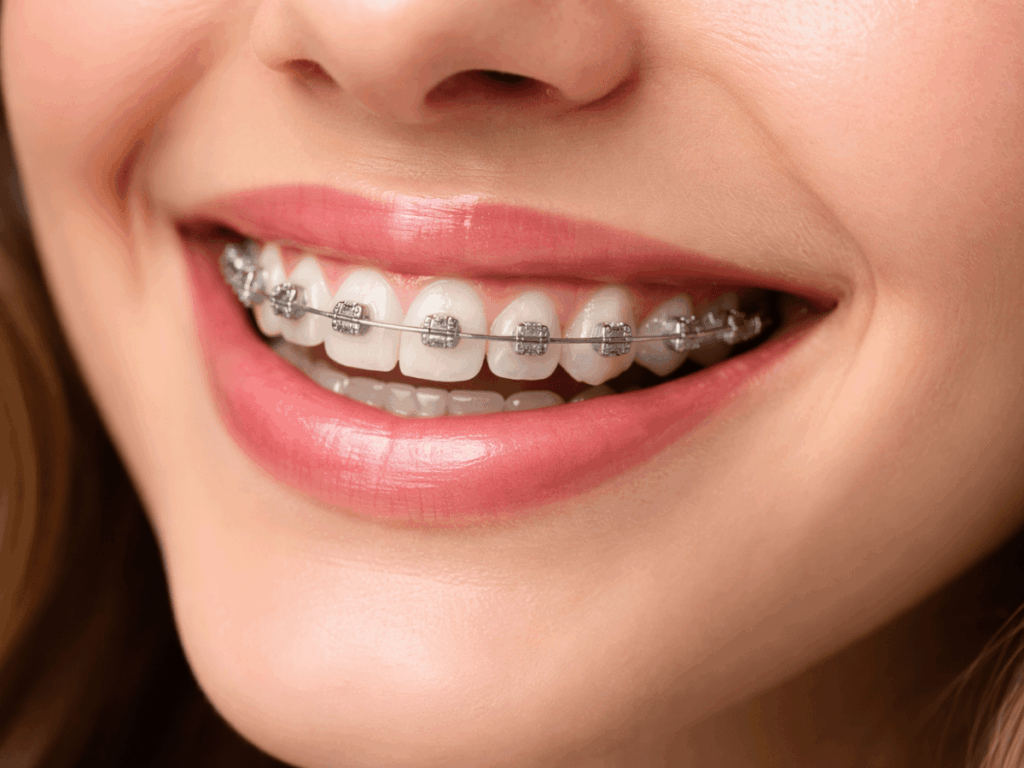
Braces are an investment in your future smile, so seeing red, swollen, or bleeding gums while wearing them can feel like a setback you did not sign up for. Gingivitis with braces is more common than most people realize, and it can happen even if you brush every day and think you are doing everything right.
This guide breaks down how to get rid of gingivitis with braces using clear, dentist-approved steps that fit real life. No overcomplicated routines. Just practical guidance to protect your gums, stay on track with treatment, and keep your smile moving in the right direction.
At Elizabeth L. Wakim DDS, we take a comprehensive approach to gum health during orthodontic treatment, helping patients understand what is happening beneath the surface and which changes make the biggest difference. Through personalized evaluations and practical guidance, we help patients protect their gums, stay on track with treatment, and move confidently toward a healthier smile.
What Is Gingivitis and Why It Happens With Braces
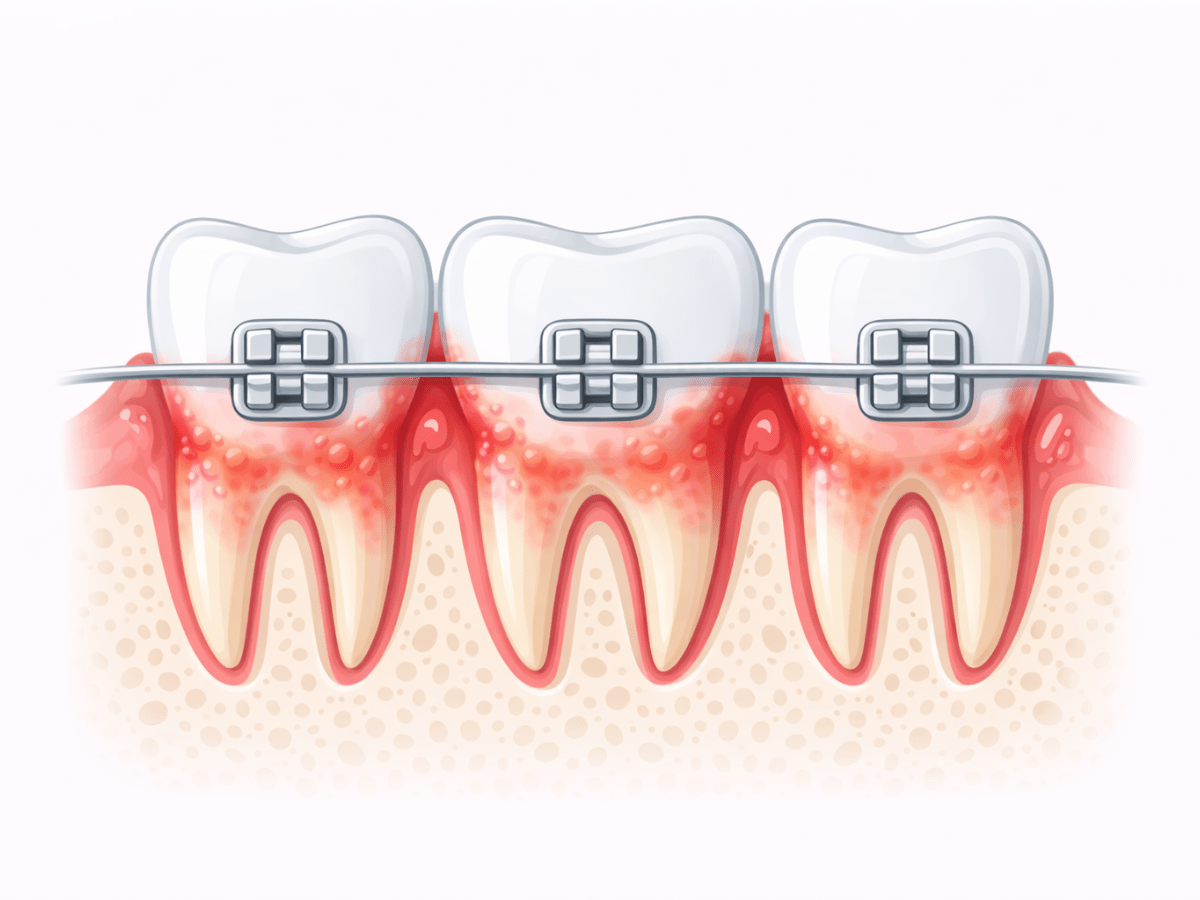
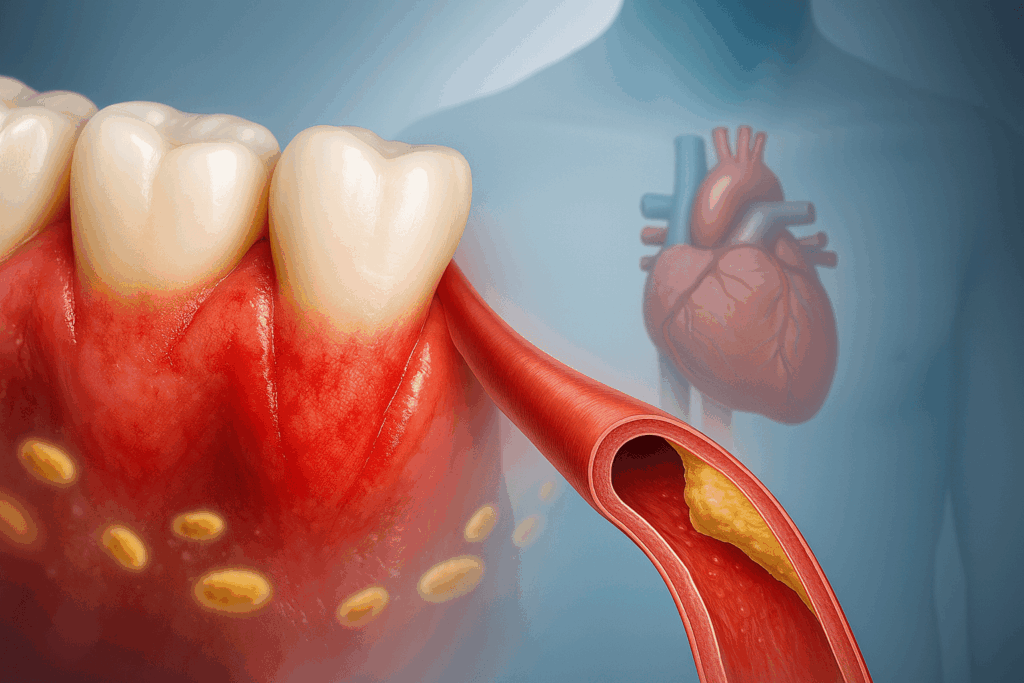
Gum disease is more common than many people realize. More than 4 in 10 adults over age 30 have some form of gum disease, and nearly 8 percent develop severe periodontal disease. Gingivitis is your gums’ early warning system. It shows up when plaque, a sticky layer of bacteria, builds up along the gumline and triggers inflammation. That’s why symptoms like redness, swelling, bleeding, or persistent bad breath tend to appear first. It is common, but it is not something to ignore.
Braces can contribute to swollen gums because the gentle pressure used to move teeth can temporarily irritate the surrounding gum tissue. As teeth shift, the gums adapt to these changes, which can lead to inflammation, especially when plaque is present around brackets and along the gumline. This combination of pressure and plaque buildup makes gum swelling more likely during orthodontic treatment, particularly if oral hygiene is not adjusted.
This does not mean braces are the problem. It means gum care has to level up during orthodontic treatment. Once you understand how plaque behaves around braces, it becomes much easier to control inflammation and keep your treatment moving forward.
Signs You Might Have Gingivitis With Braces
Gingivitis does not always announce itself loudly, especially when you are wearing braces. Many of the early signs are easy to overlook or assume are just part of orthodontic treatment. Knowing what to watch for can help you catch gum inflammation early, while it is still easier to reverse.
Red or Swollen Gums Around Brackets
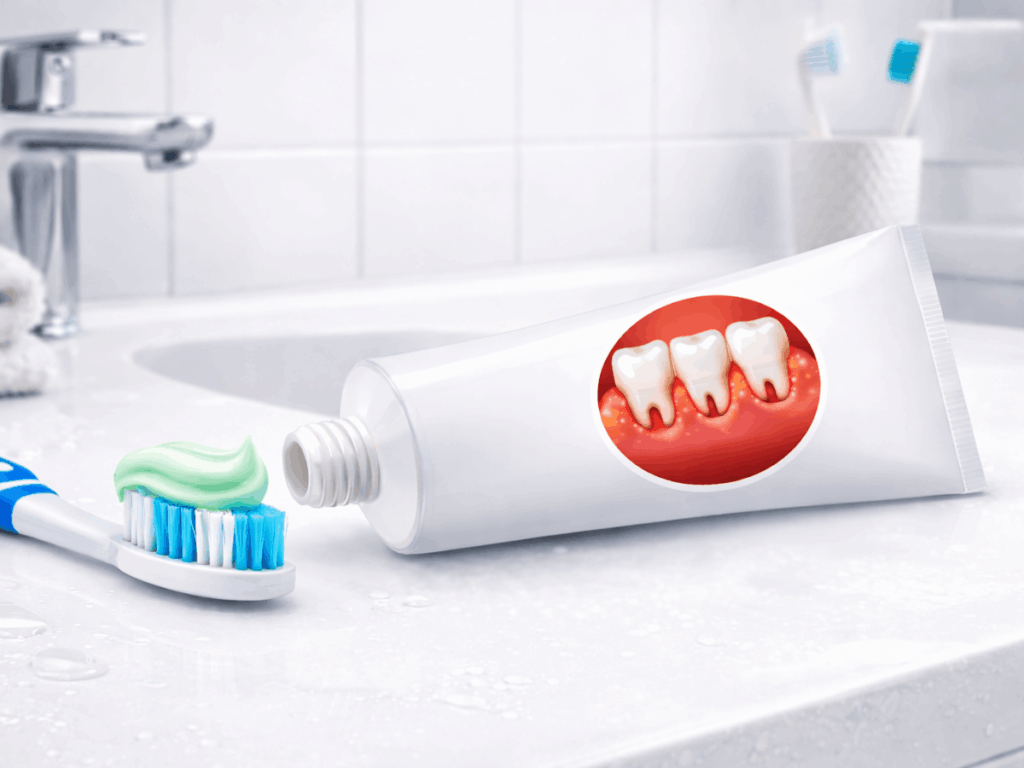
Healthy gums should look firm and light pink. If the gums around your brackets appear red, puffy, or inflamed, plaque may be irritating the gumline. This is often one of the first visible signs of gingivitis with braces.
Bleeding When Brushing or Flossing
Bleeding is not normal, even with braces. If you notice blood when brushing, flossing, or using a water flosser, it is usually a sign that bacteria have built up and the gums are inflamed.
Persistent Bad Breath or Bad Taste
Food particles and plaque can become trapped around wires and brackets, leading to odor that does not go away after brushing. Ongoing bad breath or a bad taste can be an early indicator of gingivitis.
Gum Tenderness or Sensitivity
Inflamed gums may feel sore or sensitive, especially when brushing near the gumline. Some people notice discomfort when chewing or pressure around brackets.
Gums Puffing Over Brackets
In more advanced cases, swollen gums may begin to puff up or partially cover brackets. This suggests inflammation has been present for a while and should be addressed promptly.
If you are noticing these symptoms and are unsure whether they are improving, it can help to check in with a dental professional early. These signs are common, but they are not something to ignore. Addressing gingivitis promptly helps protect your gums and keeps your orthodontic treatment moving forward.
Pro Steps to Get Rid of Gingivitis With Braces
If your gums are inflamed with braces, the fix is not brushing harder. It is cleaning more precisely. These steps focus on where plaque actually hides.
- Proper Brushing Technique: Brackets trap plaque near the gumline, so angle a soft bristled toothbrush slightly toward the gums and use small, gentle strokes around each bracket. Brush at least twice a day, and whenever possible after meals, since plaque builds up faster with braces.
- Flossing With Braces: Flossing matters more than most people realize. Plaque between teeth and under the gumline cannot be removed by brushing alone. Floss threaders or orthodontic floss make it easier to clean around wires and reduce bleeding and swelling over time.
- Water Flossers and Interdental Brushes: Water flossers help flush out food and bacteria around brackets and wires, especially in hard to reach areas. Interdental brushes can also improve plaque removal. These tools support brushing and flossing but do not replace them.
- Mouth Rinses That Reduce Bacteria: Antibacterial rinses can help lower bacteria levels when gums are inflamed. They work best after brushing and flossing, not as a shortcut on their own.
- Lifestyle and Diet Changes That Support Gum Healing: Sticky, sugary, and hard foods cling to braces and feed bacteria, making inflammation harder to control. Staying hydrated helps wash away bacteria, while smoking or vaping can slow gum healing and worsen inflammation.
Preventive dental care plays an important role in keeping gums healthy during orthodontic treatment. Consistent care and small daily changes make gingivitis much easier to reverse, even with braces.
When Gingivitis Is Worse Despite Good Care
Sometimes, gingivitis does not improve even when you are brushing, flossing, and following the right routine. That does not mean you are failing. It usually means your gums need professional attention.
Signs You Need Professional Help
If bleeding, swelling, or redness persists after a few weeks of consistent care, it is time to see a dentist. Ongoing tenderness, gum recession, pus around the gumline, or worsening bad breath are also signs that the inflammation may be progressing beyond early gingivitis.
Gingivitis vs Periodontitis
Gingivitis affects only the surface of the gums and is usually reversible. Periodontitis is a more advanced form of gum disease that affects the deeper tissues and bone supporting the teeth. Once it reaches this stage, damage can become permanent and may require more involved treatment.
Why Timely Action Matters
Treating gum inflammation early helps prevent long term damage and protects your orthodontic progress. Professional cleanings and targeted care can stop gingivitis from advancing and make it easier to maintain healthy gums while wearing braces.
In many cases, early evaluation and care through restorative dentistry can help address underlying issues before they escalate. Getting help early keeps small problems from becoming much harder to manage later.
Keeping Your Gums Healthy Throughout Orthodontic Treatment
Straightening your teeth is only part of the process. Keeping your gums healthy along the way is just as important for long term oral health and a successful outcome. Gingivitis can develop quickly with braces, but it is usually reversible when caught early and managed with consistent care.
Healthy gums support healthy teeth. Taking care of both ensures that when your braces come off, your smile is not only straight but strong and lasting.
Our team at Elizabeth L. Wakim DDS is committed to helping patients maintain healthy gums throughout orthodontic treatment. If you are experiencing gum inflammation, bleeding, or are unsure whether your oral care routine is working with braces, we are here to help. Contact our Pennsylvania office at (724) 558-8222 or use our contact form to schedule a visit and receive personalized guidance tailored to your dental health needs.
Frequently Asked Questions About Gingivitis With Braces
Q1: How long does it take to get rid of gingivitis with braces?
A: With good oral hygiene, mild gingivitis in the early stage often improves within one to two weeks. Brushing thoroughly, flossing daily, and removing bacterial plaque around fixed braces can reduce inflammation and gum swelling. If gum irritation or swollen gums with braces persist, further treatment from a dental professional may be needed to prevent progression to more serious gum disease.
Q2: Can gingivitis delay orthodontic treatment?
A: Yes. When gums with braces remain inflamed, it can interfere with tooth movement during orthodontic treatment. Gum swelling with braces may lead orthodontists to pause adjustments until the gum tissue heals. Left untreated, minor gum disease can progress to periodontal disease, increasing the risk of further damage or tooth loss.
Q3: What toothbrush is best for gingivitis with braces?
A: A soft-bristled toothbrush is best for sore gums and inflamed gum tissue. Many patients undergoing orthodontic treatment benefit from electric toothbrushes designed to clean along the gum line and around brackets. The goal is to remove plaque effectively without worsening gum irritation or causing pain.
Q4: Are antibacterial mouth rinses safe to use every day?
A: Some antibacterial rinses can help reduce swelling and control plaque buildup for short periods. However, daily long-term use should be guided by a dental professional, especially if advanced gum disease or gingival enlargement is present. Warm salt water rinses can also support healing by soothing sore gums and helping reduce inflammation.
Q5: Should I see my dentist or orthodontist first?
A: Either can help. Dentists focus on oral hygiene, plaque removal, and preventing tooth decay or periodontal disease. Orthodontists monitor how gum swelling and inflammation affect braces. In many cases, both work together to address gum irritation, recommend tools like an orthodontic floss threader, unwaxed floss, or interproximal brushes, and help prevent gingivitis from returning.

Dr. Elizabeth Wakim, DDS, is the founder of Enhanced Wellness. She’s a compassionate and highly-regarded dentist with her own practice in Washington, Pennsylvania, known for providing modern, comprehensive dental care, botox and facial aesthetics with a focus on patient comfort and anxiety reduction, serving general, cosmetic, and pediatric dentistry needs.