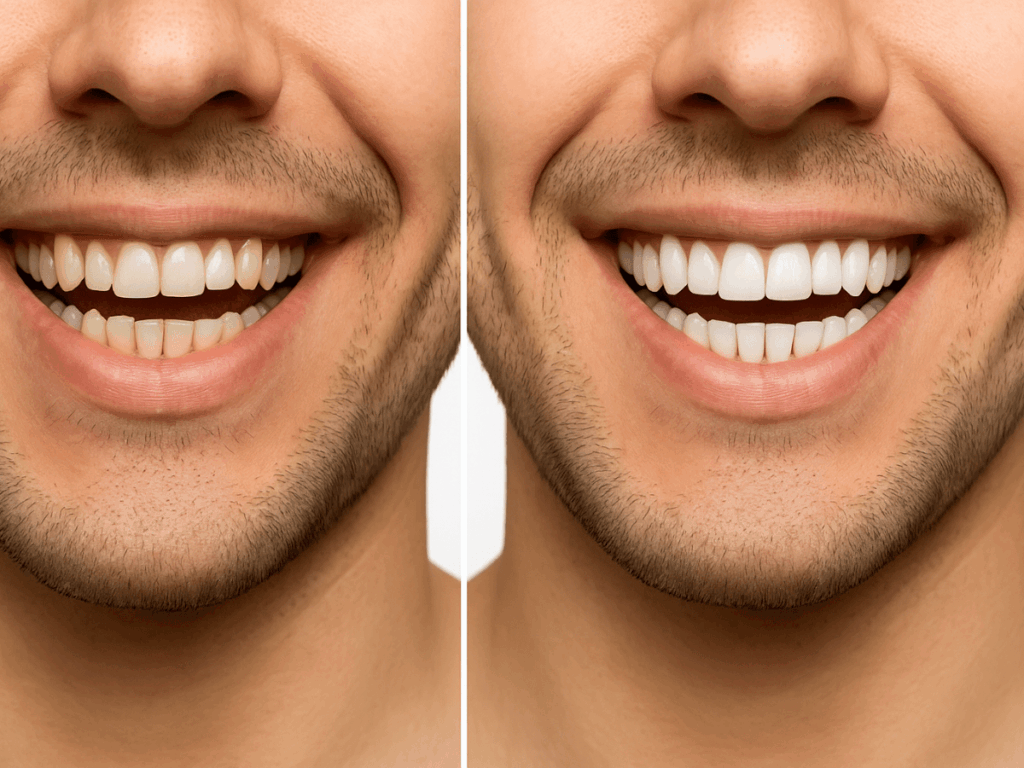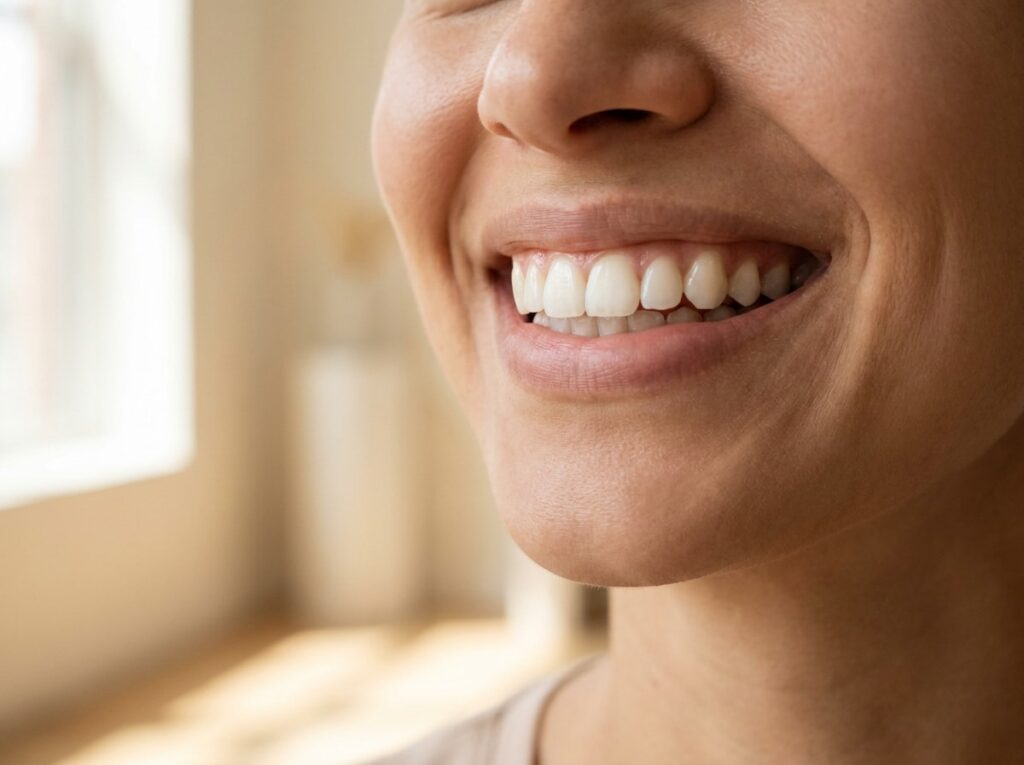
Most people who look into veneers are not chasing a dramatic transformation. Their teeth are usually close to straight but not quite. A slight twist. Mild crowding. Enough to notice, not enough to feel obvious.
This guide explains when veneers make sense for crooked teeth, when they don’t, and why the right answer depends less on trends and more on what your teeth are already doing.
At Elizabeth L. Wakim DDS, every cosmetic decision starts with a comprehensive evaluation, not a one size fits all approach. Digital imaging, detailed bite analysis, and individualized planning help determine whether veneers are appropriate for crooked teeth or if another option would better protect both appearance and function. The goal is not just a straighter looking smile, but one that stays healthy and comfortable for years to come.
What “Crooked” Really Means
Not all misalignment is equal. When dentists describe teeth as crooked, they are not referring to a single condition. The type and degree of misalignment matters because it determines whether veneers are a reasonable option or a poor substitute for orthodontic care.
Mild Rotation
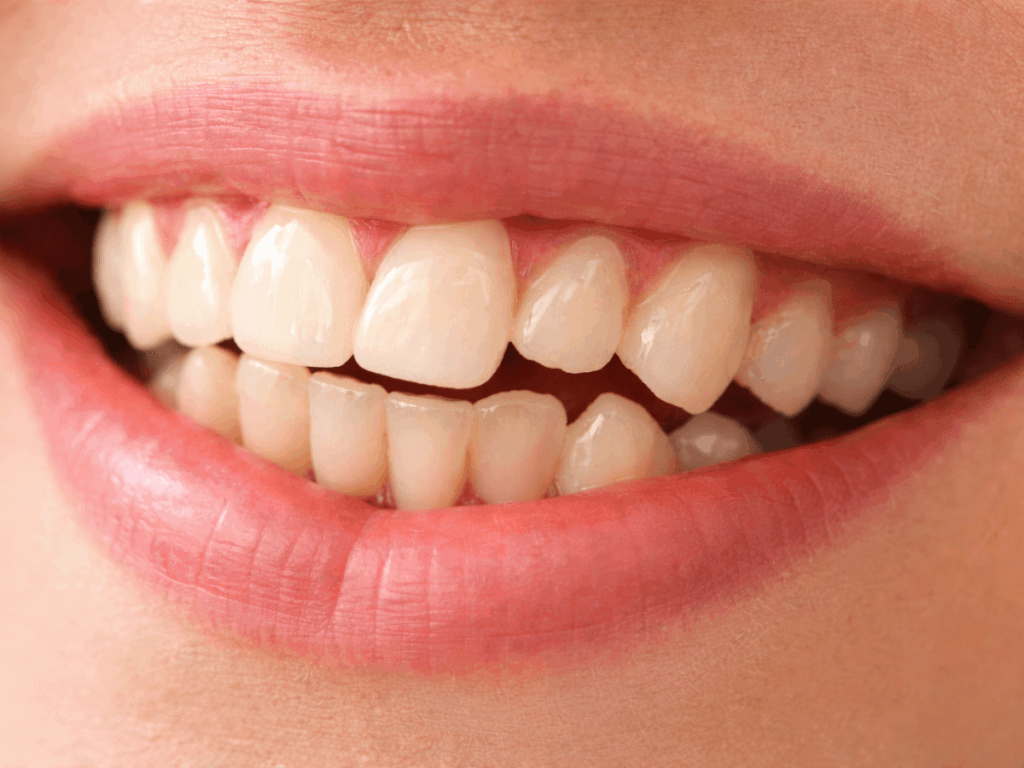
Mild rotation usually involves one or two teeth that are slightly turned or tilted but still sit comfortably within the bite. These cases are often cosmetic rather than functional. Veneers may be appropriate because reshaping the front surface can improve symmetry without interfering with how the teeth fit together.
Moderate Crowding
Moderate crowding occurs when teeth overlap or compete for space. This can begin to affect bite alignment and cleaning access. Veneers may be considered in limited cases, but only with careful planning. Adding material to already crowded teeth can make them look bulky or place stress on the bite if alignment is not properly evaluated.
Severe Misalignment
Severe misalignment involves significant overlap, bite imbalance, or jaw-related issues. In these cases, crookedness affects function, not just appearance. Veneers alone are usually not recommended because they do not reposition teeth and may increase wear, discomfort, or long term complications.
Understanding whether crooked teeth affect function or aesthetics is key. Veneers can enhance how teeth look, but they do not move them. Setting that expectation early helps guide safer and more predictable treatment decisions.
How Veneers Work
Veneers improve the appearance of teeth by changing what is visible, not by moving teeth into a new position. Here is how that works in practice.
- Veneers are thin shells bonded to the front surface of teeth: Traditional veneers and composite resin veneers are thin custom made shells designed to cover the front surface of prepared teeth. They are shaped to match natural tooth color and proportions, with light reflecting properties that support a natural appearance. Fabrication is handled by a dental lab or dental laboratory after impressions are taken during a thorough consultation.
- They change shape and symmetry, not tooth position: Veneers sit on the visible tooth surface and do not affect the root or jaw. This means they cannot correct crowding, rotation, or bite alignment. The veneer treatment focuses on cosmetic concerns rather than structural movement, even when permanent veneers are used.
- They create the illusion of straight teeth through contouring: By adjusting width, length, and edge alignment, custom veneers can visually balance uneven teeth when misalignment is mild and the bite is stable. This approach works best when only a small amount of enamel is removed during tooth preparation and when prepared teeth are otherwise healthy.
- They are not a replacement for orthodontics: Braces and aligners physically move teeth over time, while veneers refine appearance only. In some cases, orthodontic care or other dental procedures are recommended first, followed by veneers for cosmetic finishing. An experienced dentist helps determine whether veneers provide a minimally invasive treatment or whether alignment should be addressed before cosmetic dentistry.
When considering veneers as a cosmetic dentistry option, this distinction is important to understand upfront. Veneers can enhance how a smile looks, but only when the underlying alignment allows for it. Addressing spacing, bite balance, and tooth position first helps ensure veneer results look natural and remain comfortable over time.
Can You Get Veneers on Crooked Teeth?
Yes, in the Right Situations
Veneers may be appropriate when teeth are mildly crooked and the issue is primarily cosmetic rather than functional. In these cases, veneers offer a quick and effective solution by reshaping the visible tooth surface rather than moving teeth.
People who typically qualify include those with:
- Slightly crooked or mildly rotated front teeth
- Small gaps or uneven spacing
- Misshapen teeth or uneven edges affecting symmetry
- A stable bite with no signs of excessive wear
- Healthy tooth enamel and gums with no active gum disease
In these cases, veneers can improve balance and appearance without placing stress on the bite.
No, When Alignment Affects Function
Veneers are usually not recommended when crookedness goes beyond appearance and begins to affect function. While veneers fix crooked teeth cosmetically in mild cases, they do not correct bite mechanics or jaw position.
This includes situations such as:
- Moderate to severe crowding or overlapping teeth
- Bite issues such as overbite, underbite, or crossbite
- Chipped teeth or uneven wear caused by misalignment
- Limited space that would require excessive bulk to achieve straightness
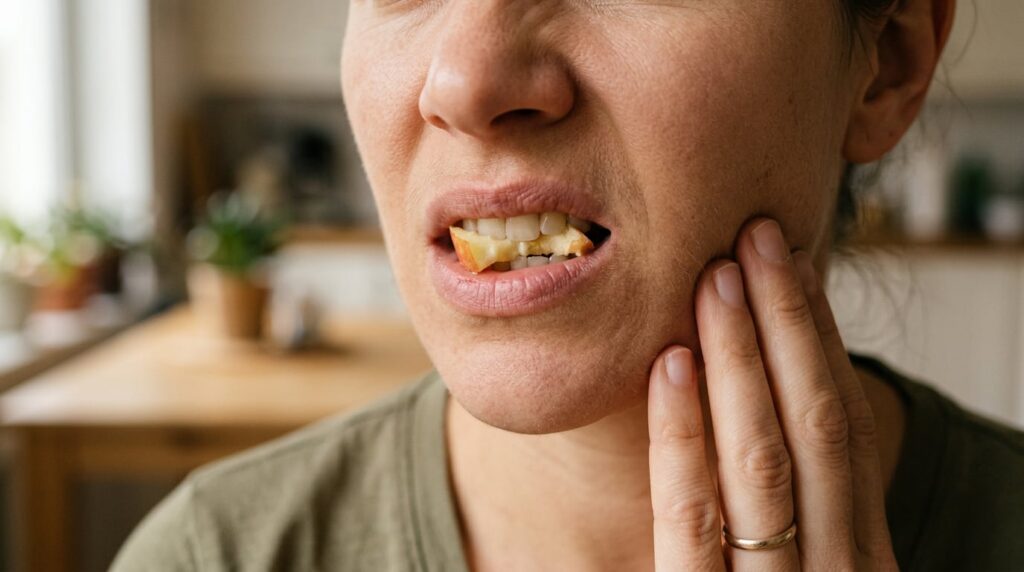
- Jaw discomfort, tooth sensitivity, or pain when chewing hot or cold foods
In these cases, traditional braces or other traditional orthodontic treatments are often the safer first step. These dental procedures physically reposition teeth and address functional dental problems at their source. Veneers may still be considered later, once alignment has been corrected and the teeth are stable.
Veneers vs. Alternatives
Not all smile concerns are cosmetic, and not all treatments solve the same problem. The right approach depends on whether the goal is improving appearance, correcting function, or addressing both. While dental veneers can be an effective cosmetic solution for certain cases, they are not always the most appropriate first step.
When veneers are not the right fit, other treatment options may do a better job addressing alignment, function, or both.
Invisalign and Clear Aligners
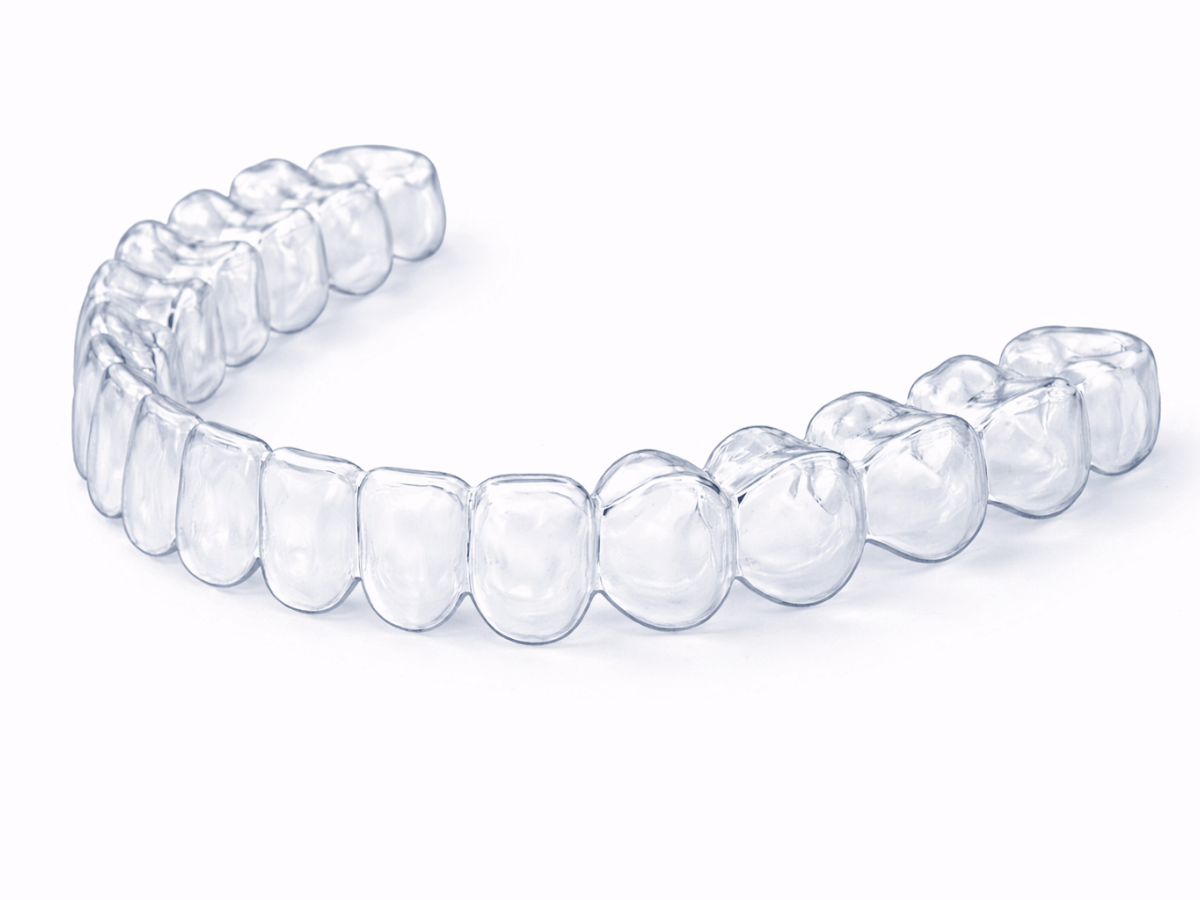
Clear aligners are designed to correct dental misalignments by gradually moving teeth into proper position. They are commonly used for mild to moderate crowding or spacing and are often recommended for mildly crooked teeth when bite function is involved. Because aligners reposition teeth rather than reshape them, they address alignment at its source. Consistent wear is essential, and treatment takes time, but aligners can reduce the need for more invasive cosmetic dentistry later.
Braces
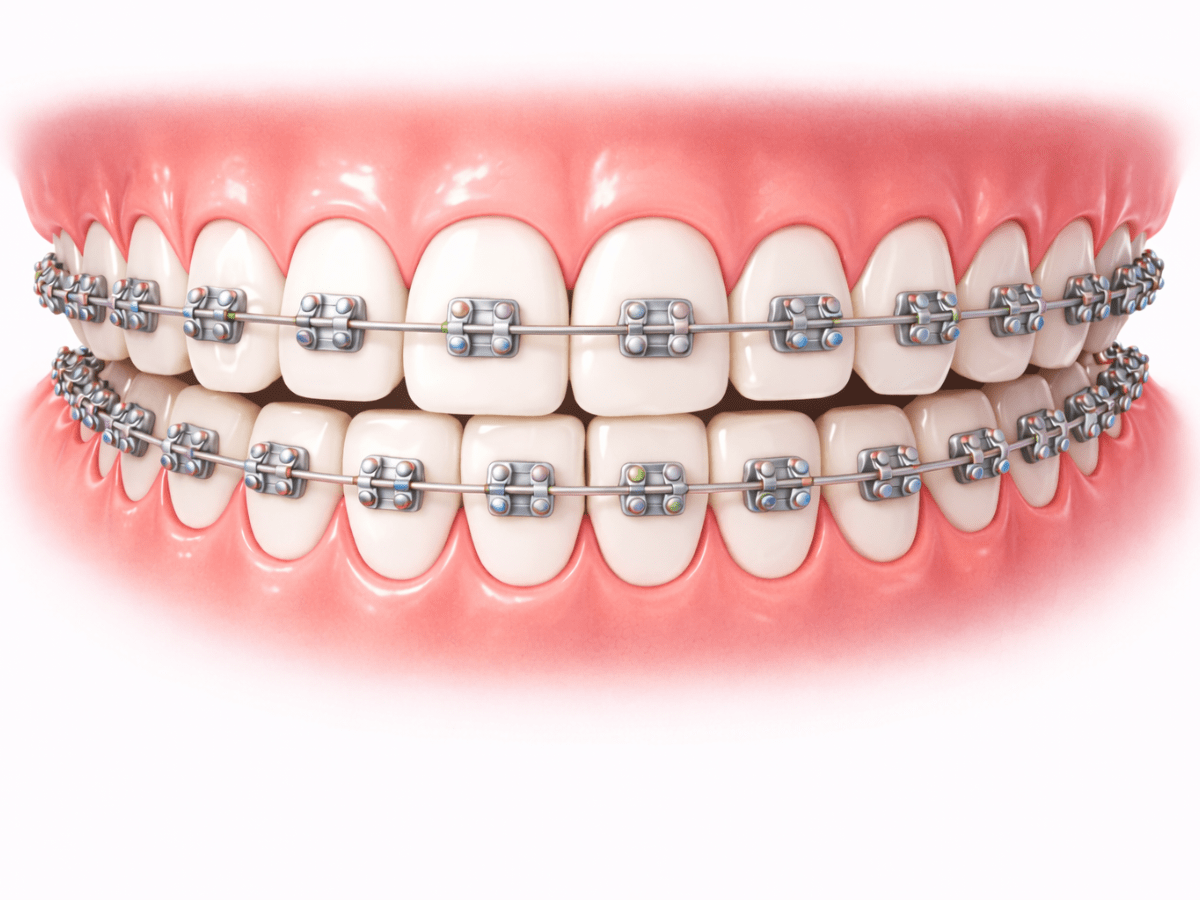
Braces remain the most comprehensive option for correcting moderate to severe alignment and bite issues. They are used when uneven teeth, jaw position, or complex crowding affect function. Although treatment takes longer, braces provide predictable results and are often the safest choice when dental issues go beyond aesthetics.
Composite Bonding
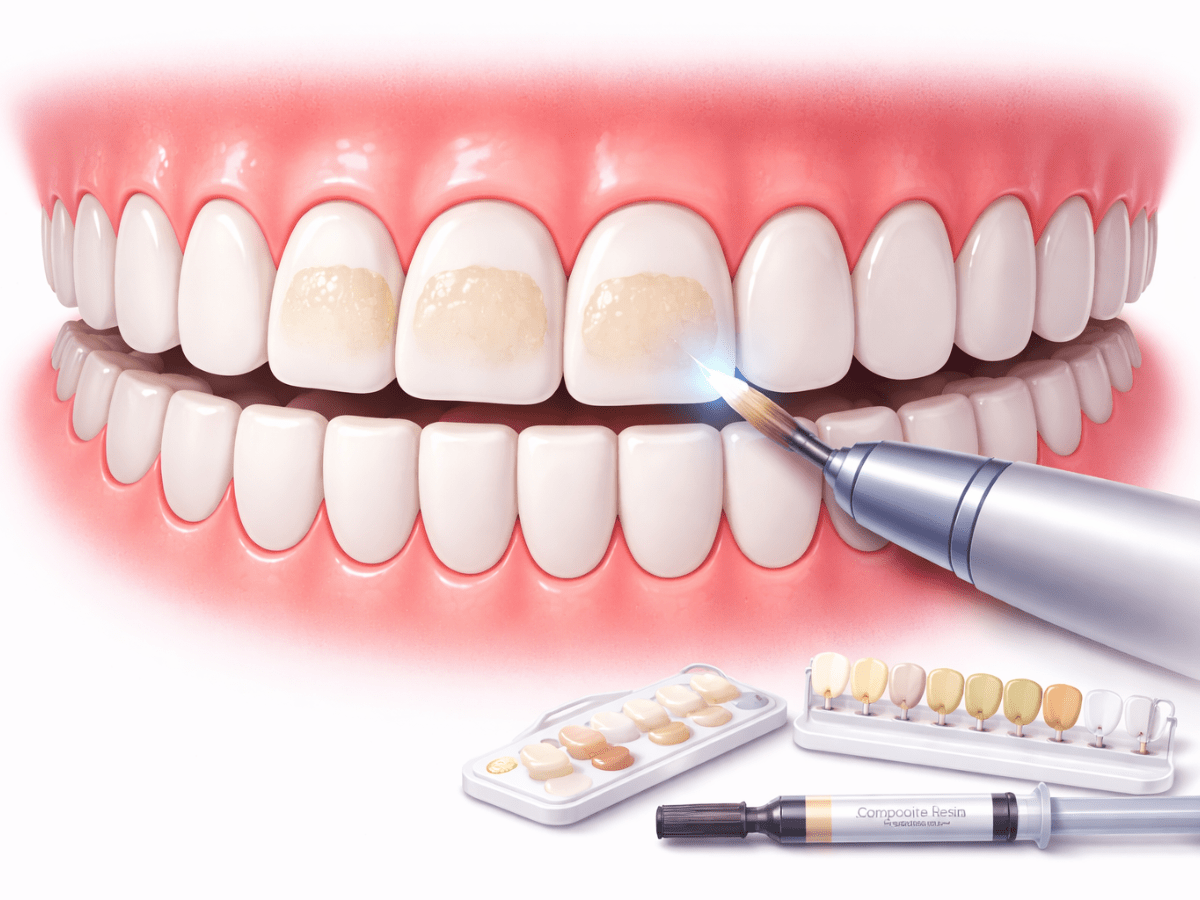
Composite bonding, sometimes referred to as composite veneers, is a conservative cosmetic option that reshapes the visible tooth surface without moving teeth. It can mask small gaps, uneven edges, or minor cosmetic concerns and is generally less expensive than porcelain veneers. Because bonding wears and stains more easily, it is best viewed as a short-term or limited cosmetic fix rather than a permanent solution.
In many cases, decisions around restorative dentistry help guide which option makes the most sense for long term comfort and function. Each option serves a different purpose. Veneers refine appearance, while aligners and braces correct tooth position and bite mechanics. Bonding offers a temporary cosmetic improvement. The right choice depends on how much correction is needed and whether long term oral health is a priority.
What This Means for Your Smile
Veneers can be an effective option for crooked teeth when misalignment is mild and the bite is stable. In these cases, reshaping the visible surface of the teeth can improve symmetry without compromising function. When crookedness affects how teeth fit together, however, treatments that move teeth into proper alignment are usually the safer choice.
A thorough approach to cosmetic dentistry starts with understanding how your teeth function, not just how they look. The right treatment depends on structure, bite, and long term oral health, not simply how a smile appears at rest. A comprehensive evaluation helps determine whether veneers, orthodontic treatment, or a combination of both will deliver results that look natural and remain comfortable over time.
If you are considering veneers for crooked teeth and want guidance that prioritizes both appearance and long term oral health, the team at Elizabeth L. Wakim DDS is here to help. Every cosmetic decision starts with a thorough evaluation, including bite analysis and digital imaging, to determine the safest and most effective treatment for your smile. To schedule a consultation, contact our Pennsylvania office at (724) 558-8222 or use our contact form to get personalized guidance tailored to your dental needs.

Dr. Elizabeth Wakim, DDS, is the founder of Enhanced Wellness. She’s a compassionate and highly-regarded dentist with her own practice in Washington, Pennsylvania, known for providing modern, comprehensive dental care, botox and facial aesthetics with a focus on patient comfort and anxiety reduction, serving general, cosmetic, and pediatric dentistry needs.