For many years, dentistry has remained a very practical field to get into using old-school methods of diagnosing, treating, and performing procedures on their patients. There have been many technological advancements since that can transform any dental visit using everything from cameras to take better pictures of your teeth, digital impressions, and even 3D printing software for orthodontic care.
There are a ton of ways to define digital dentistry, but are practices nowadays picking up these new tools and technology and using them? While time-tested practices are preferred by many dentists, technological advancements can provide better results with more accuracy when fixing or pinpointing a dental issue.
Digital dentistry is on the rise, and it’s important to become more familiar with what it is, how it can improve an old-school dental practice, and better the health of patients!
What is Digital Dentistry? An Insight Into the Ever-Evolving World of Technology
Technology plays a huge role in our society through every aspect of our lives–so why not the dental industry too!

Dental practices that want to make the slow transition into utilizing digital tools and machines can be overwhelmed with what is available to use. While understanding the more practical ways of dentistry is crucial to have under your belt, digital tools can help make the process of treatments and examinations run a lot smoother.
What is Digital Dentistry?
Instead of using a more hands-on approach like many practices normally do, digital technology using computers can help to diagnose, provide treatment, and help pinpoint treatment options for patients who are coming to appointments for routine check-ups or any issues they may be having. Instead of using mechanical tools to undergo check-ups or provide treatment for patients, digital technology, such as digital scanning, can help dentists take impressions of someone’s teeth, perform diagnostics, and make plans for treatment in a much more efficient way.
What Are Some Common Digital Dentistry Tools Used?
One of the most common methods of digital dentistry is using CAD/CAM (computer-aided design/computer-aided manufacture) for dental impressions. Dental impressions are often done using putty and an impression tray–which is the more traditional method–and many to this day still use it. Digital impressions provide no mess for either the dentist or the patient, making it an easy way to analyze their teeth without a ton of clean up afterwards.
Some of the other common digital dentistry tools that are often used include:
- CAD/CAM systems – Also used for veneers, crowns, and other mill dental restorations
- Intraoral cameras – Takes high-resolution pictures of the teeth and gums for up-close details
- 3D printing machines – Perfect to temporary restorations, custom aligners, and can even be used as surgical guides
- Digital impressions – The best technological advancement to get rid of the messy, old-school impression method using a digital model
- Digital radiography – Considered to be x-rays and other digital imaging techniques for analyzing teeth and better storage to keep on patients’ files
- Cone Beam Computed Tomography (CBCT) – A 3D x-ray with detailed views of the jaw, teeth, and facial bones with lower radiation exposure for the patient
How Much is it to Switch to Digital Dentistry?
While making the switch to the technological advancements that digital dentistry can offer a practice sounds enticing, there are some price points and other factors that you should be made aware about before making the switch. Depending on how much of a switch you want to make, it can cost you anywhere from a couple thousand to $100,000 for the equipment and software that comes along with it.
The biggest–and sometimes the most challenging–part in making the switch is the training that practices have to provide for their employees. Sometimes practices have to shut down to hold training on how to use the software and equipment to become better adjusted, which could also mean closing your doors for a few days to a week, losing money too. Even though training employees can be a long process, using new digital technologies can be a great way to boost precision and accuracy for your patients, plus make the process of traditional methods much easier than they were before.
What Are the Benefits of Switching to Digital Dentistry?
Digital dentistry can be a turning point for any pracitce–no matter how small or large–with a list of benefits to go along with it!
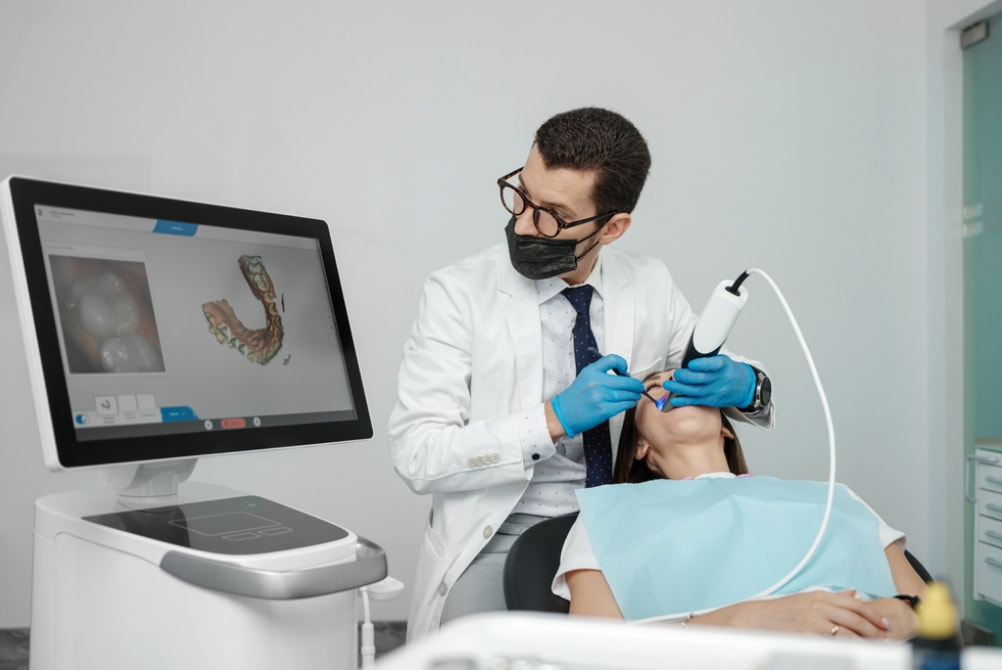
Digital technological advancements are slowly transitioning to both small and large practices that can benefit both dentists and patients. Image courtesy of Cowichan Valley Dental.
When deciding on what is best for your dental practices in terms of digital dentistry, it’s important to consider the benefits it can have for both your staff and patients. Digital dentistry may have a learning curve associated with making the switch, but it can provide improved accuracy and precision, plus be a huge time saver compared to more practical methods.
Benefits for Dental Staff
Dental staff can see an increase in benefits of making the switch to digital dentistry tools and technological advancements that can help leave hands-on methods in the past.
1. Helps Staff Increase Efficiency
Being efficient is key for staff within the dental field, but practical methods can make it difficult to do certain tasks on patients faster to get them in and out the door quickly. Digital dentistry and imaging can help to diagnose and treat patients and overall increase productivity throughout the workplace.
2. Reduce Waste and Save Money
One of the fastest ways to spend money in a dental practice is by using the old-school methods of impressions. Dental stone and impression materials are used and thrown out with every patient that needs them done, but technological software like the CAD/CAM system can help to reduce waste while also promoting sustainability through using digital scans to keep on hand whenever you need them.
3. Help Dental Practices Expand Services for Potential New Patients
Not only do many dental practices want to up their services by using new technology, but many patients may prefer the newer methods over messy practical ones. By adding digital dentistry technology to your list of services, it can be a great marketing strategy to entice new patients to make the switch to your dental practice.
Benefits for Dental Patients
Not only can digital dentistry technological advancements benefit dental staff, but it can also play a huge factor in the patients that a dental practice attracts. More often than not, technological advancements are what many people are looking for, simply because of their convenience and accuracy compared to older methods.
1. Better Experience in the Chair
Dental anxiety is a thing for many people, and older methods can be challenging for many patients. By using digital dentistry software and equipment, it allows patients to better understand their oral health and treatment options with clear results.
2. Reduced Time at Your Appointment
Everyone leads a busy life with a ton to get done throughout the day, and with digital dentistry technology, it can help patients spend less time in the chair and more time living their life. With digital imaging and the CAD/CAM system specifically, it helps to reduce the time it takes to perform the treatment, and can even help fill cavities, administer crowns, and get impressions much quicker.
3. Less Mess, More Comfort
Instead of taking messy impressions of someone’s teeth with saliva and putty getting everywhere for example, intraoral scanners are much more comfortable and can have a patient in and out of their appointment much quicker. Technology in the dental field can help provide patients with highly detailed and quicker results that can easily be displayed on the screen and also make it easier to understand their oral health and future treatments.
Dental Dentistry is In and Makes For a Great Addition to Any Practice
Many dental practices are adding digital dental technology to benefit both them and their patients!
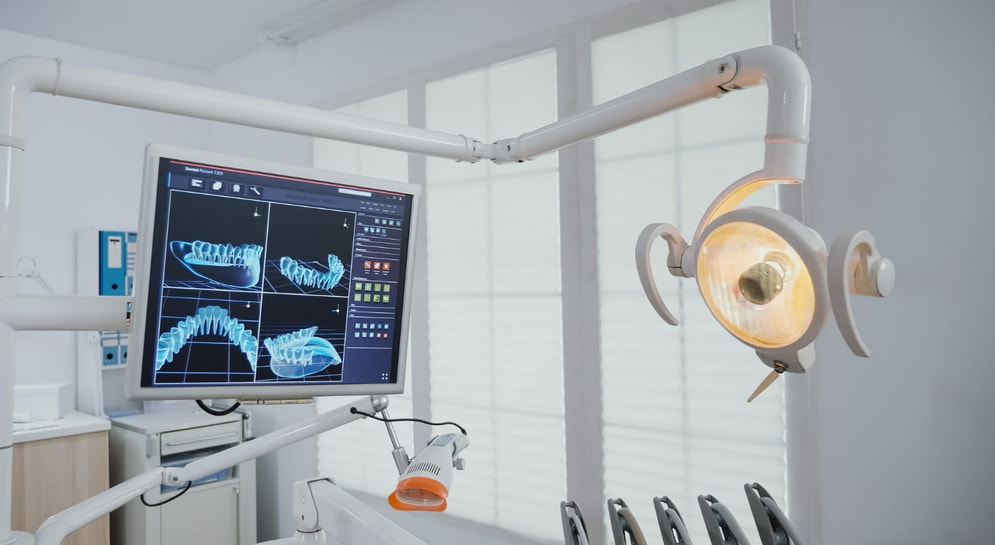
Dental practices are making the switch to digital software and equipment to better treat their patients’ oral health. Image courtesy of Dentistry at Renton.
It can be in any dental practice’s best interests to update their methods for diagnosing and treating their patients using technology. Digital dentistry has many benefits compared to older methods that can be wasteful, messy, and slowly being ruled out. Using updated software and technology in any dental practice can attract more patients and help them to have a more comfortable experience when sitting in the chair.
Dental anxiety is a common concern for many patients, and using digital dentistry technological methods can help ease the worries that come along with it, make any patient’s experience easier, and also improve efficiency and productivity within the workplace.If you’re in the Washington, PA area and are interested in an in-person appointment that can provide a ton of insight into the status of your oral health using updated technological advancements––consider contacting Elizabeth L. Wakim—exceptional smiles start here!

Dr. Elizabeth Wakim, DDS, is the founder of Enhanced Wellness. She’s a compassionate and highly-regarded dentist with her own practice in Washington, Pennsylvania, known for providing modern, comprehensive dental care, botox and facial aesthetics with a focus on patient comfort and anxiety reduction, serving general, cosmetic, and pediatric dentistry needs.