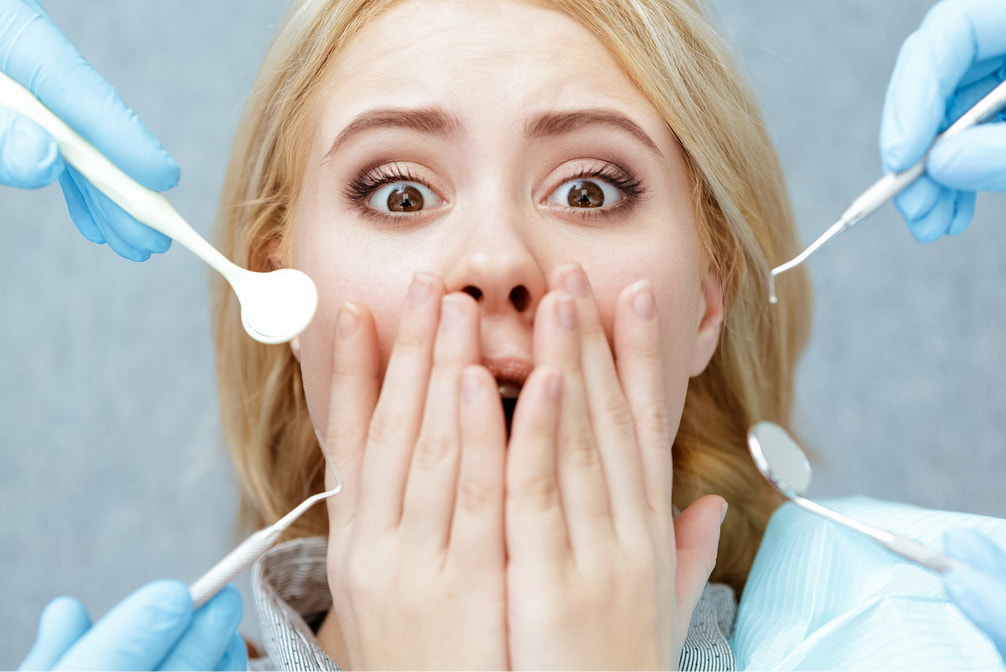
Do you get stressed when you think about the dentist? It’s a more common problem than you may think. In this article, we’ll cover the ins and outs of dental anxiety and how to address them.
What Causes Dental Anxiety?
It’s always a challenge to be in an unfamiliar space, but for some, it’s more challenging than others. About 36% of people in the U.S. have a fear of dental treatment, with 12% having an extreme fear. Others, only about 3-5%, have dentophobia, an extreme phobia that prevents people from seeing their dentists at all, and in some cases, may require additional treatment. No matter which category you fall into, solutions are worth considering, and to do so, you may first need to understand where your anxiety is coming from.
There are a number of factors that cause dental anxiety, and it’s different from person to person. Here are some of the most common causes:
- A previous history of head and neck trauma. This can cause patients to fear tools near their face, or even someone leaning over them.
- GAD or PTSD. People with Generalized Anxiety Disorder and Post Traumatic Stress Disorder have been proven to have more anxiety in medical settings, and the dentist’s office is no exception.
- Embarrassment. Embarrassment at the dentist is more common than you may think. Some worry that their dentist will judge them for taking poor care of their teeth, others can worry about the smell of their breath, their acne, drool, or other personal factors.
- Feelings of helplessness. There are a few reasons why feelings of helplessness may manifest. For one, you might not have the opportunity to speak your mind when a dentist is working on your teeth. You also might not be able to see what’s going on in your mouth, as you might be able to with other medical procedures. In general, it takes a lot of trust to let someone manage your bodily health, and that can be a difficult adjustment for some people.
- Past dental experience. In particular, negative dental experiences as a child have longer lasting effects that negative dental experiences as an adult. Maybe your past dentist hasn’t properly explained procedures to you before doing them, said something that made you uncomfortable, or generally caused you pain. Any of these reasons can cause someone to resent their dentist and avoid returning.
- Genetics. Believe it or not, fear of dentists is something that runs in the family. Interestings, girls were more likely to inherit this trait than boys. The intensity of the fear still varies, however.
- You’re an introvert or neurotic. Extroverts tend to have less fear of dentists. Introversion and neuroticism were found to be the most common traits in those who were afraid of dentists.
No matter the cause of your anxiety, however, solutions aren’t out of reach.
How to Manage Dental Anxiety
If you’re struggling to manage your dental anxiety, we’ve come up with a list of techniques to fight it off.
- Have a friend hold you accountable. Have them with you while you make an appointment, come in with you if you’re worried about skipping, or hold your hand through the appointment.
- Ask a lot of questions. This is huge for the feeling-out-of-control part. If you know the steps of the procedures the dentist is taking, they’ll seem less strange and foreign. Even something as simple as asking the name of the tool they’re using might help you.
- Seek distraction. Many dentists have tools to keep their patients distracted. Your dentist office might have a TV, stress balls for you to squeeze, or even let you pick the music. This is also another reason asking questions is so important.
- Relaxation Techniques. At home, you can practice relaxation techniques like square breathing or meditation. That way, when it’s time for the dentist appointment, you have skills you can choose to bring out
- Seek more help. In cases where you or your child’s dentophobia is extreme to the point that’s impacting your life, it might be time to contact a psychologist. Treatment for dentophobia can vary, but it can include exposure therapy, cognitive behavioral therapy, hypnotherapy, and more.
The Importance of Regular Dental Appointments
Though avoiding your dentist might seem harmless in the short term, missing regular dental appointments can lead to serious issues.
Firstly, seeing your dentist regularly can help to identify problems early, before they progress. For example, a slight toothache might indicate early signs of gum disease, cavities, an abscessed tooth, and more. Teeth that aren’t taken care of by a professional can also get infected more easily, not to mention how much the pain of a toothache already impacts one’s quality of life.
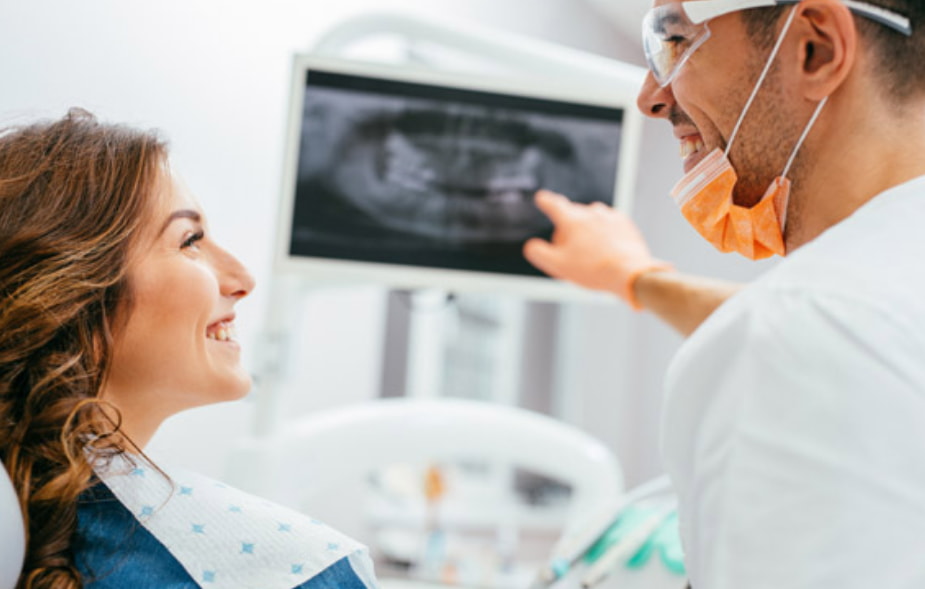
The dentist can spot problems even if you’re not feeling pain, too. During a routine exam, Dr. Wakim conducts multiple examinations, including X-Rays and cleanings. The dentist might recommend tailored oral hygiene suggestions based on your needs—what works for one patient may not work for another, so this assessment is important to provide advice. Not to mention that delaying treatment also raises treatment costs. It’s much more expensive to get a root canal later down the line than pay for a minor cavity filling.
Finally, your oral health is very closely related to the rest of your body. There’s a strong connection between teeth and conditions like heart disease, diabetes, and even respiratory infections. And for patients who are already diagnosed with other chronic conditions, dental maintenance can be especially important to prevent additional complications.
How to Find the Right Dentist for You
Firstly, if you are not content with your current dentist, it may be time to start looking for other options. A dentist you don’t trust is one you’ll avoid. To find a new dentist, we recommend considering these steps.
Determine Your Priorities
There are a lot of factors that determine why someone would prefer one dentist over another. Here are some things to consider before making your appointment:
- What services are you looking for? Routine check-ups and teeth cleaning are pretty standard across the board, but certain dentists specialize in specific services, like veneers, tooth restoration, extractions, or surgery.
- How accessible are they? A dentist that’s far from you is both inconvenient, and a sign that you’ll be less motivated to make appointments and attend them.
- Is there an identity you prefer? Some women, for example, only feel comfortable when they have a dentist who also identifies as a woman.
- Do you have a referral? Sometimes, it helps to know that you can trust someone if you can hear stories from people you know in real life, or even just read reviews if you know you have to find a new dentist from the internet.
Check if They’re Covered by Your Insurance
No matter how good the reviews of a dentist are, paying out of pocket is rarely worth it if you can avoid it. You can either call the practice to determine if you’re covered under their insurance policies, or check on your insurance’s website.
Check for Availability
If someone has recommended a dentist to you, make sure that they are able to take on new patients. Furthermore, for those suffering from dental anxiety, scheduling an appointment months out can make it easier to talk yourself out of the importance of routine dental care. We want to avoid that kind of thinking at all costs!
How to Establish a Good Relationship with Your Dentist
It sounds simple, but talking to your dentist during your appointment is the first step. Your dentist is a person too, and communicating with them can make all the difference. Here are some types of communication you can prioritize.
- Be honest with your dentist. Giving them a better picture of what your day-to-day dental habits and pain makes a huge difference in their ability to provide treatment!
- Let them know upfront. If you’re someone who has dental anxiety, it’s best to let your provider know so they can take special care not to add to your anxiety.
- Be on time and prepared for appointments. This helps develop a sense of mutual respect between you and your dentist.
- Follow the advice your dentist gives you as best you can. Show your dentist that you trust their advice.
Schedule a Dentist Appointment
If you’re looking to schedule an appointment in the Pittsburgh or Washington, PA area, consider booking with Elizabeth L. Wakim. Her practice is built on personalized care and attention, changing the way clients feel about dentistry as a whole. She offers preventative dentistry, cosmetic dentistry, restorative dentistry, implants, pediatrics, oral surgery, filler injections, and more!

Dr. Elizabeth Wakim, DDS, is the founder of Enhanced Wellness. She’s a compassionate and highly-regarded dentist with her own practice in Washington, Pennsylvania, known for providing modern, comprehensive dental care, botox and facial aesthetics with a focus on patient comfort and anxiety reduction, serving general, cosmetic, and pediatric dentistry needs.