Vaping is often marketed as a cleaner alternative to smoking. There’s no burning tobacco, but the aerosol still exposes your teeth and gums to nicotine, flavoring agents, and fine particles. Over time, those exposures can influence saliva flow, enamel stability, and gum tissue health.
So if your teeth have started reacting more sharply to cold drinks or sweets, it’s reasonable to wonder whether vaping could be playing a role. Can vaping cause sensitive teeth?
In this guide, we’ll look at how tooth sensitivity develops, what current research says about vaping and oral health, and where the two may overlap.
At Elizabeth L. Wakim DDS, we take a comprehensive approach to dental health, evaluating enamel integrity, gum condition, and lifestyle factors that may be contributing to discomfort. Careful assessment allows us to recommend personalized strategies that protect long-term oral health while addressing sensitivity at its source.
What Tooth Sensitivity Really Is
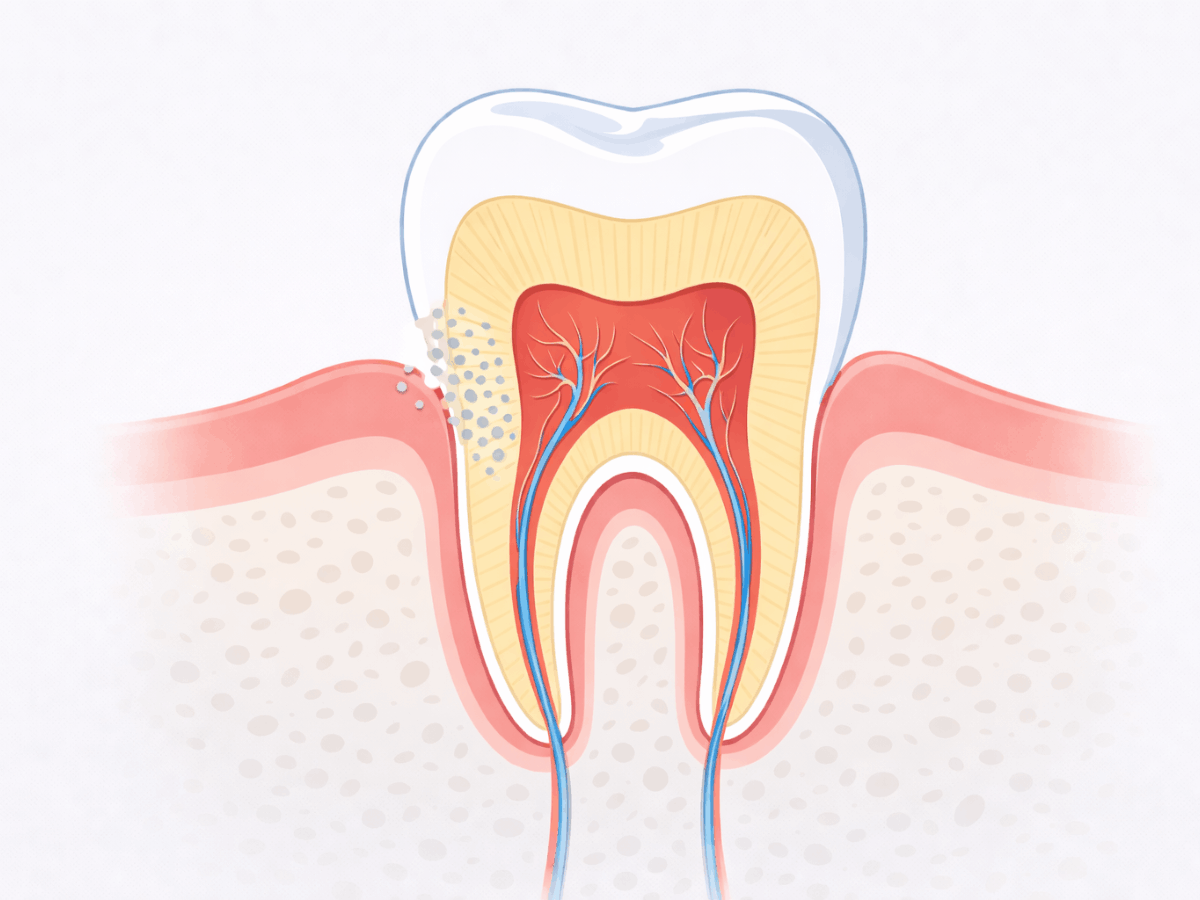
Tooth sensitivity is not just “weak teeth.” It’s a specific reaction that occurs when the inner layer of the tooth becomes exposed. It’s also common. Studies estimate that dentin hypersensitivity affects roughly 10% to 57% of the general population, with some research suggesting nearly one in two adults experience it at some point.
Most people describe it as:
- A sharp, sudden discomfort when drinking something cold
- Sensitivity to sweet foods
- Brief pain when brushing
- A quick jolt of discomfort when breathing in cold air
That reaction happens because of how teeth are structured.
Sensitive Teeth vs. Other Dental Problems
Sensitivity is different from tooth decay, though they can feel similar.
- Tooth decay typically causes persistent or worsening pain and may involve visible damage.
- Gum recession exposes the root surface, which is more sensitive than enamel.
- Enamel loss thins the protective outer layer of the tooth.
- Sensitive teeth, in contrast, usually involve exposed dentin rather than an active infection.
Understanding the difference between sensitivity and active decay is an important part of preventive care. A proactive approach to oral health, including routine evaluations and consistent preventative dentistry, helps identify enamel wear and gum changes before they progress. Sensitivity is often about exposure, not necessarily decay.
How Nerve Structure Plays a Role
Beneath the outer enamel layer lies dentin. Dentin contains microscopic channels called dentin tubules. These tubules connect directly to the nerve inside the tooth.
When enamel wears down or gums recede, those tubules become exposed. Temperature changes, sweet substances, or even air can travel through them and stimulate the nerve, producing that sharp sensation.
This structure explains why even subtle changes in enamel or gum health can make teeth feel more reactive over time.
How Vaping May Contribute to Tooth Sensitivity
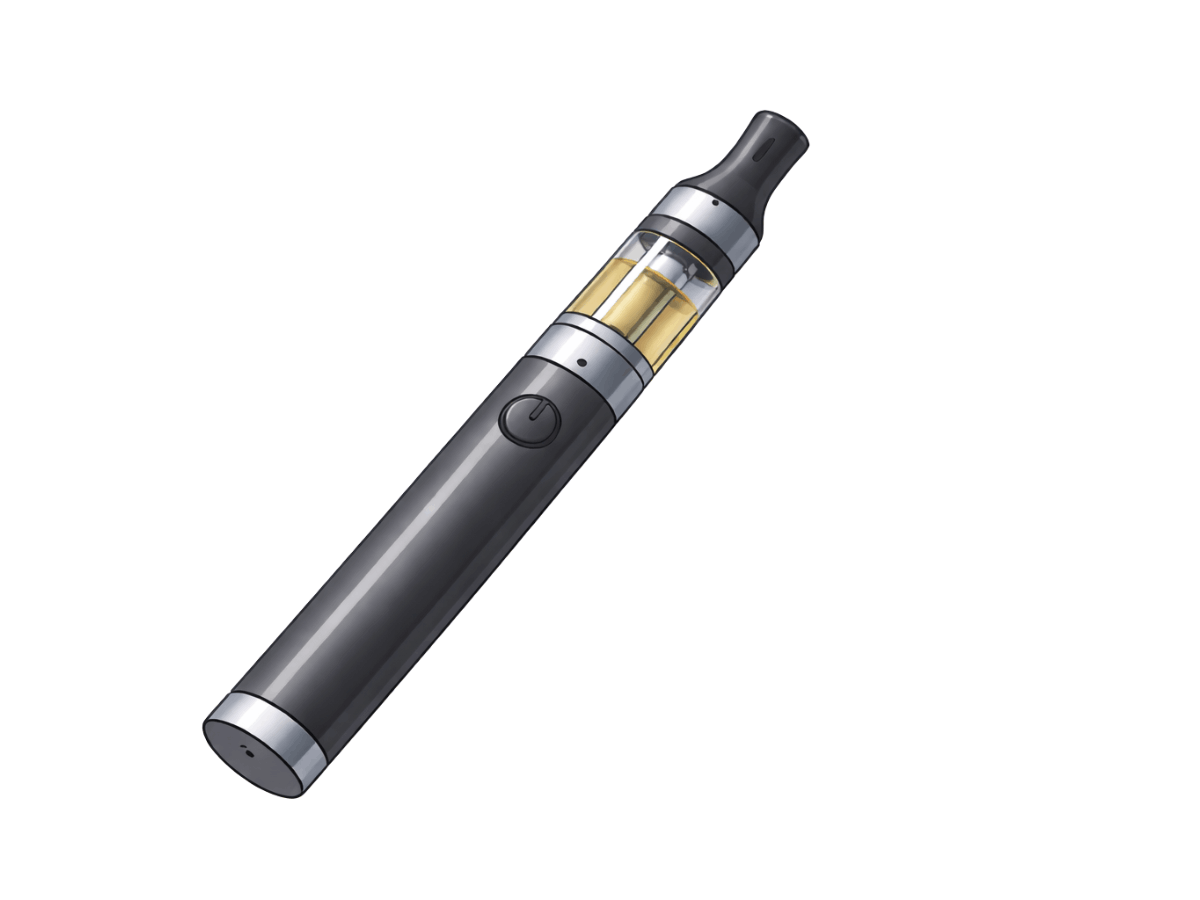
Vaping has expanded globally, with more than 100 million users worldwide. Long-term research on its oral health effects is still developing. While direct causation studies are limited, several biologically plausible mechanisms suggest vaping may increase the risk of tooth sensitivity.
Dry Mouth and Enamel Vulnerability
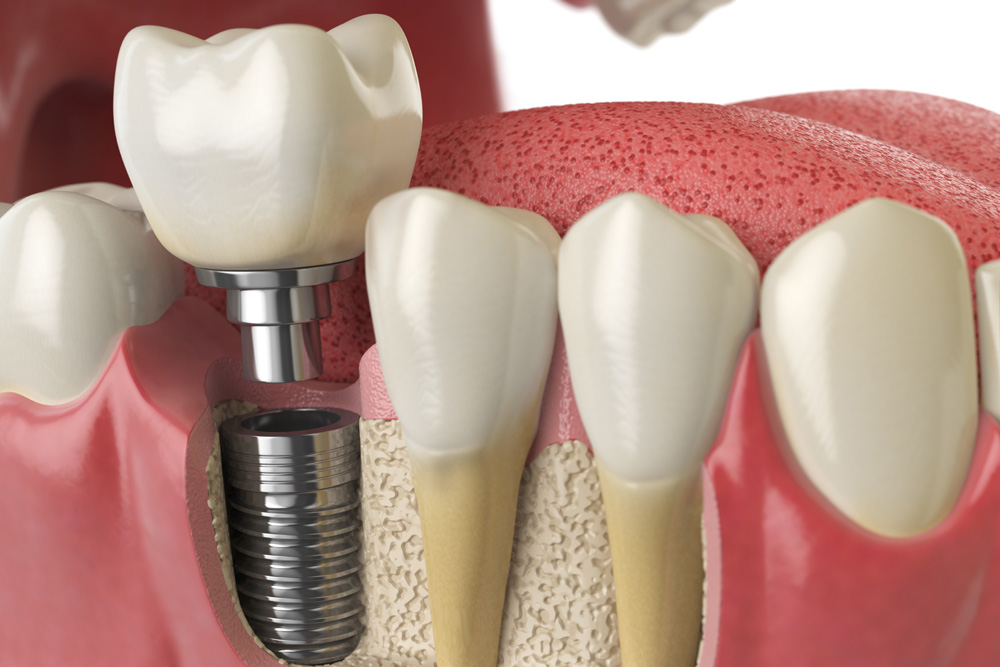
Thinning enamel, notches near the gum line, or receding gums expose sensitive root surfaces. Reduced blood flow from nicotine exposure may slow healing, and vaping-related dryness can add to the issue. If dry mouth is contributing, simple relief strategies can help protect enamel. Early care can prevent complications such as advanced gum disease or dental implants.
Acidic Flavorings and Additives
Many vape liquids contain flavoring agents that create an acidic environment. Repeated exposure may soften enamel over time, increasing susceptibility to sensitivity.
Gum Irritation and Recession
Nicotine and heat can affect blood flow to the gums. Inflammation or recession exposes root surfaces, which are not protected by enamel and are naturally more sensitive.
Heat and Repeated Chemical Exposure
Even without combustion, vapor introduces heated particles and chemicals directly onto oral tissues. Chronic exposure may stress soft tissues and contribute to changes in enamel and gum stability.
Interaction With Existing Risk Factors
For many patients, adjusting daily products can make a noticeable difference. Choosing a desensitizing formula designed to support exposed dentin, such as those outlined in our guide to the best toothpastes for sensitive teeth, may help reduce discomfort while protecting enamel. Product selection should align with overall oral health needs rather than marketing claims.
Symptoms That May Suggest Vaping-Linked Sensitivity
Sensitivity is not diagnostic on its own, but patterns matter. Emerging research suggests vaping may be associated with increased reports of tooth sensitivity, although long-term causation data is still developing. You may notice:
- Sharp pain when drinking cold beverages, especially if reduced saliva production from e cigarette vapor makes it harder to protect tooth enamel and neutralize acids.
- Sensitivity to sweet foods, which may signal early enamel thinning and an increased risk of tooth decay or cavities when e liquids contain acidic flavorings.
- Brief discomfort during brushing, particularly if gums nicotine exposure has begun to irritate gum tissue or affect blood vessels that support healthy healing.
- Sensitivity in areas of visible enamel wear, where acid exposure from vape juice may weaken enamel over time.
- Increased reaction near the gum line, which can be associated with early gum disease or periodontal disease if harmful bacteria accumulate and saliva flow is reduced.
If these symptoms develop or worsen alongside vaping habits, evaluation may be appropriate. A comprehensive dental assessment, which may include preventive or cosmetic dentistry services when enamel wear is involved, can help determine whether sensitivity is related to surface erosion, gum changes, or another underlying factor.
When to See a Dental Professional
Occasional sensitivity can happen. Persistent or worsening discomfort should not be ignored.
Persistent Sensitivity Beyond a Few Weeks
If sensitivity lasts longer than a few weeks, especially after adjusting your oral care routine, it’s worth having it evaluated. Ongoing enamel wear or gum changes may require targeted treatment.
Pain That Interferes With Eating or Daily Life
Sensitivity should be brief and manageable. If discomfort affects eating, brushing, or speaking, professional evaluation is warranted. Persistent pain can signal deeper dental issues, including enamel breakdown, oral infections, or irritation related to the acidic nature of vape liquids that produce acids in the mouth.
Visible Enamel Wear or Gum Recession
Thinning enamel, notches near the gum line, or receding gums expose sensitive root surfaces. Reduced blood flow from nicotine exposure may slow the healing process and increase vulnerability, so even small habits matter, including choosing a softer brush, like those often recommended for sensitive gums. Early treatment helps prevent complications such as advanced gum disease, more complex dental procedures, or even tooth replacement options like dental implants.
Regular Dental Checkups as Prevention
Regular dental check ups allow early detection of enamel erosion, gum inflammation, and other hidden dangers associated with vaping or traditional smoking. The American Dental Association emphasizes routine exams as a key part of maintaining a healthy smile and identifying problems before they escalate. Preventive care helps reduce bad breath, control harmful bacteria, and protect long-term oral health.
If you’re unsure whether vaping, brushing habits, or another factor is contributing to sensitivity, a comprehensive evaluation provides clarity and a personalized plan.
What This Means for Your Oral Health
Can vaping cause sensitive teeth? It may contribute, especially when combined with factors like dry mouth, enamel wear, or gum changes. Sensitivity rarely develops from a single cause. More often, it’s the result of layered habits and underlying vulnerabilities.
At Elizabeth L. Wakim DDS, we take a comprehensive approach to tooth sensitivity. Because gum health often plays a role, conditions such as inflammation or early periodontal changes are carefully evaluated and, when necessary, addressed through appropriate periodontal disease treatment. We assess enamel integrity, gum condition, and lifestyle influences to identify the root cause of discomfort.
If sensitivity has become more noticeable or persistent, contact our Pennsylvania office at (724) 558-8222 or use our contact form to schedule a consultation.

Dr. Elizabeth Wakim, DDS, is the founder of Enhanced Wellness. She’s a compassionate and highly-regarded dentist with her own practice in Washington, Pennsylvania, known for providing modern, comprehensive dental care, botox and facial aesthetics with a focus on patient comfort and anxiety reduction, serving general, cosmetic, and pediatric dentistry needs.