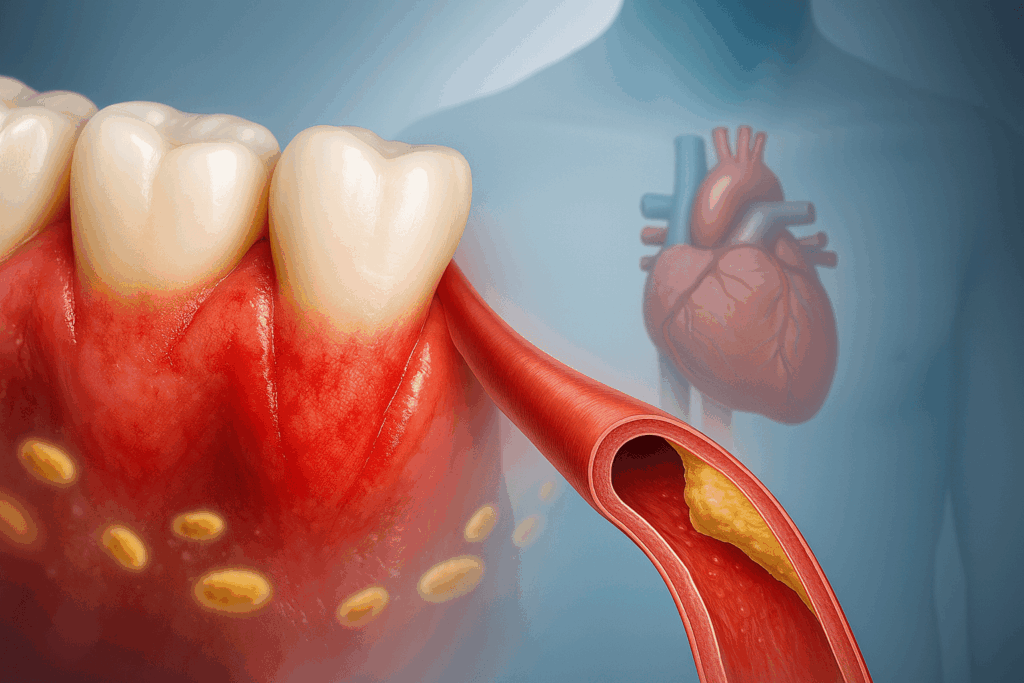
Gum bleeding during brushing or flossing is surprisingly common, but that doesn’t make it normal. Even occasional bleeding can signal early gum inflammation, also known as gingivitis. Gums may look slightly red or feel puffy along the edges, and you might notice bleeding even without pain.
Paying attention to these small changes now can protect your smile and prevent more serious oral health issues later. You’ll learn what early gingivitis looks and feels like, why bleeding or puffy gums matter, and which habits can protect your teeth and gums.
At Elizabeth L. Wakim DDS, we take a thorough approach to gum health, evaluating your enamel, gum tissue, and daily habits to identify early warning signs. If you notice persistent bleeding or sensitivity, contact our Pennsylvania office at (724) 558-8222 or use our contact form to schedule a consultation and get guidance tailored to your oral health needs.
What Is Gingivitis?
Gingivitis is extremely common, affecting an estimated 50% to 90% of adults worldwide. Despite its prevalence, many cases go unnoticed because early signs are subtle. Even mild gingivitis symptoms, l are important to catch early, as untreated gingivitis can lead to severe gum disease, gum pockets, and even loose teeth.
Unlike advanced periodontal disease, gingivitis does not damage bone or cause tooth loss when caught early. With consistent oral hygiene and regular dental check-ups, it is typically reversible.
Spotting Gingivitis Early: What Your Gums Might Reveal
Gingivitis can develop without obvious discomfort, but there are subtle signs you can notice. While it is reversible with proper care, it is also the primary precursor to chronic periodontitis, making early detection and intervention essential to protect your gums and overall oral health.
Bleeding Gums During Brushing or Flossing
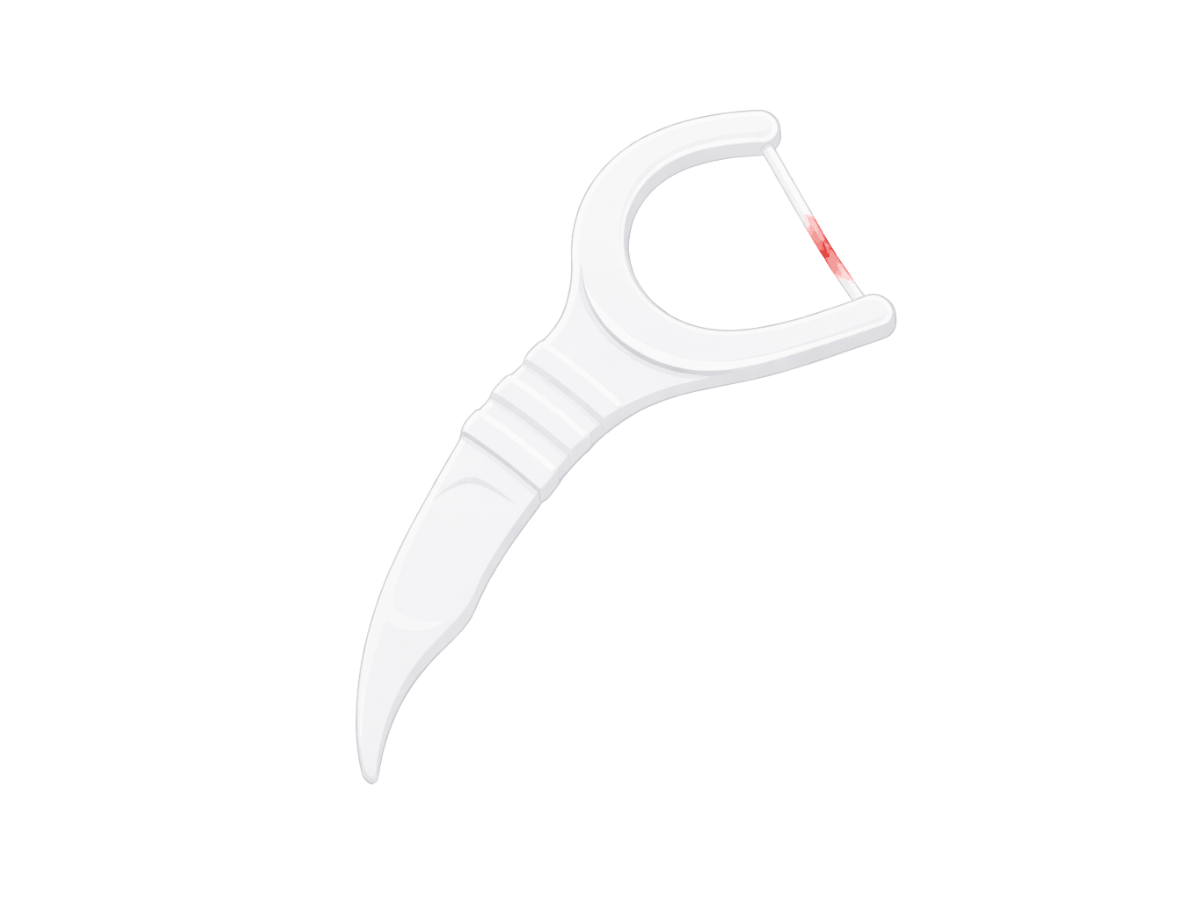
Not usually dramatic, just a bit of blood on your toothbrush or floss. Frequent bleeding can indicate developing gingivitis or areas where tartar remains.
Red or Darker-Than-Usual Gum Color
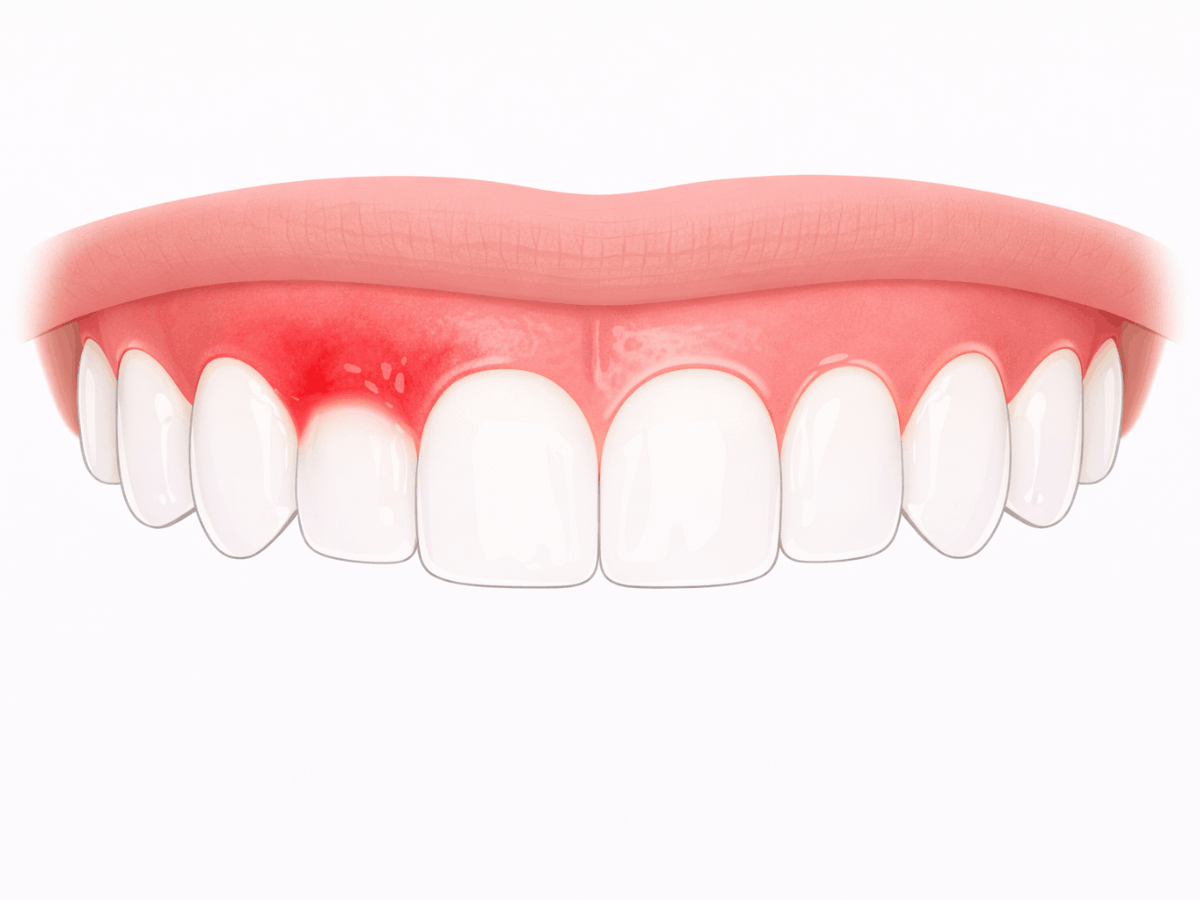
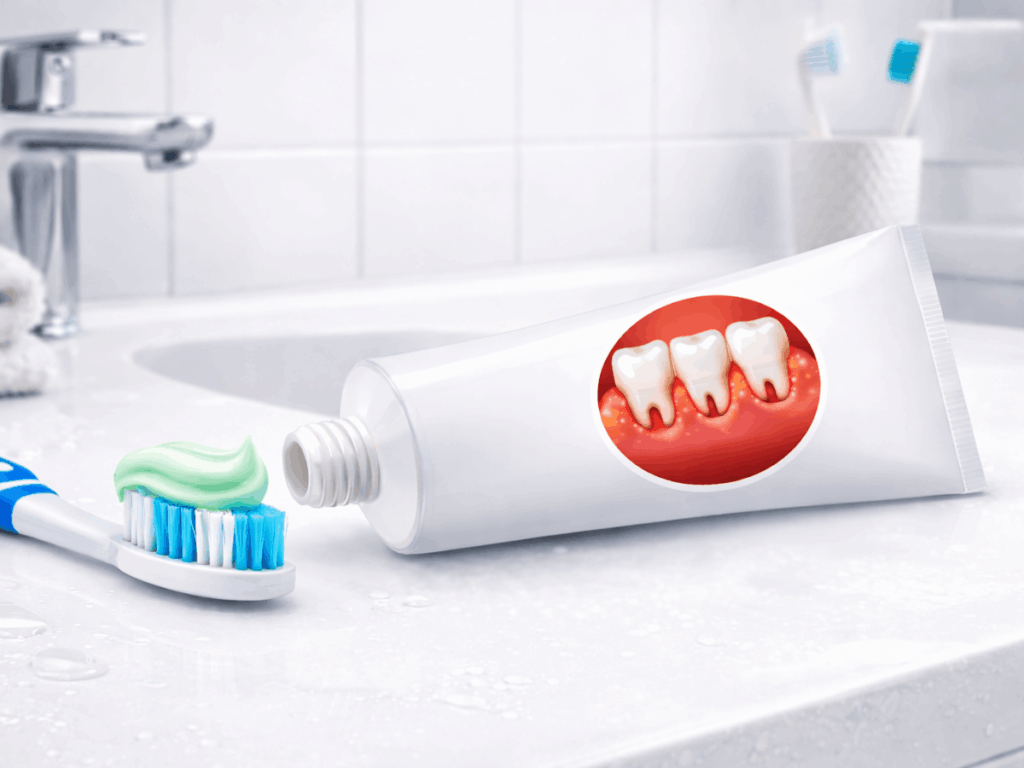
Healthy gums are typically pale pink, but inflamed tissue may turn dark red along the edges, signaling poor oral hygiene or plaque buildup.
Bad Breath That Doesn’t Go Away (Halitosis)
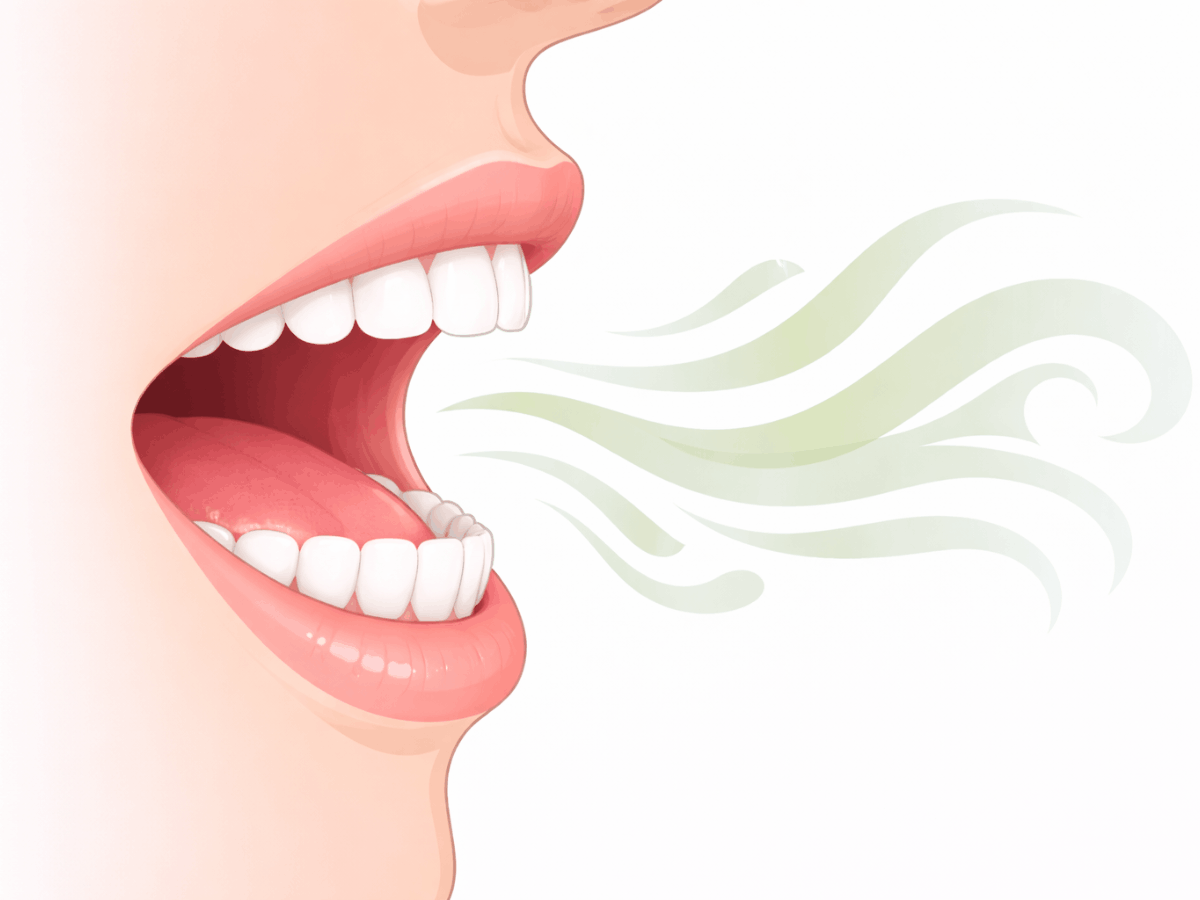
Persistent odors, even after regular brushing and flossing, can be a sign that plaque forms and bacteria are accumulating in the mouth.
Gums That Pull Away From Teeth (Early Recession)
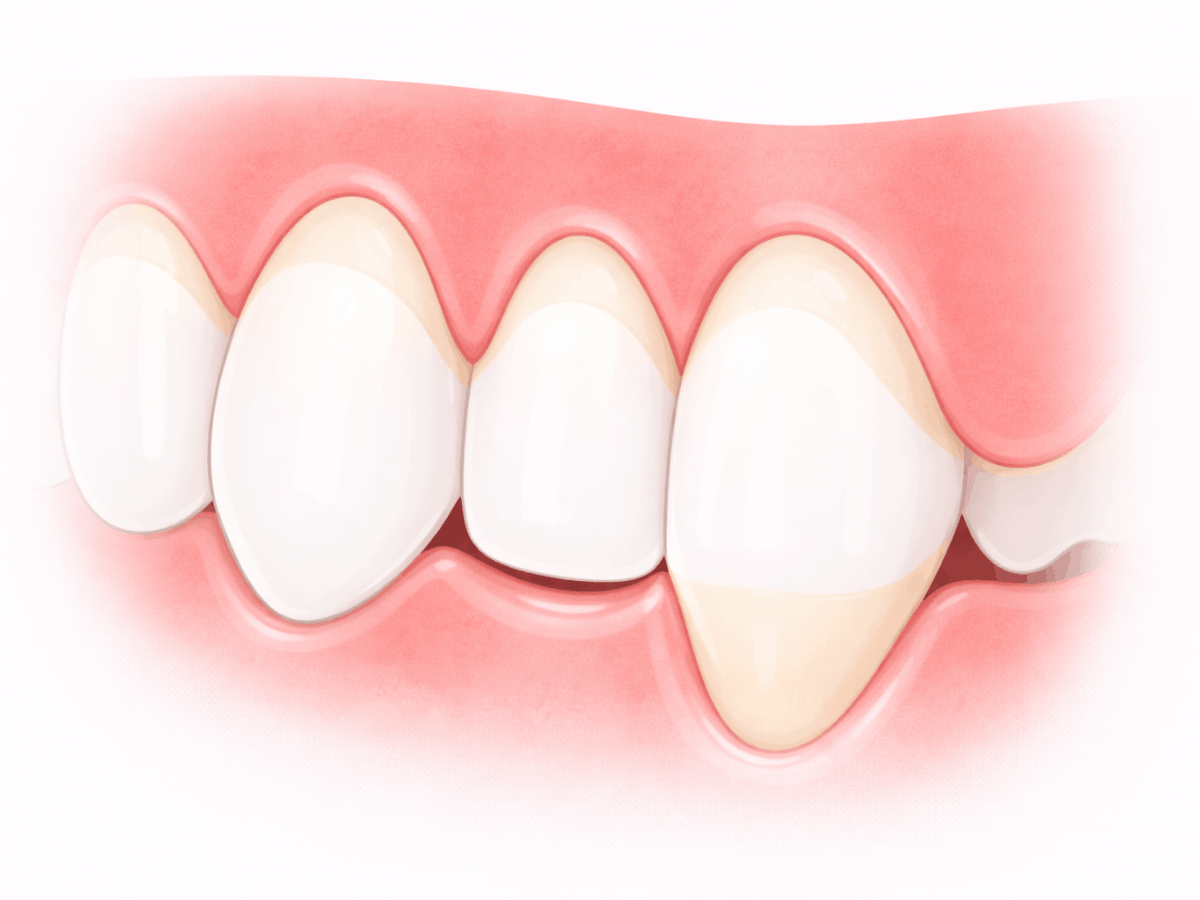
Receding gums expose underlying tissue, making teeth appear longer. This can increase the risk of tooth decay, root sensitivity, and progression to more severe forms of gum disease if untreated gingivitis continues.
Even mild or intermittent signs shouldn’t be ignored. Early detection makes reversal easier and helps prevent advanced gum disease or other oral health issues. Maintaining consistent care through preventative dentistry, including regular checkups and professional guidance, gives you the best chance to keep your gums healthy long term.
What Gingivitis Doesn’t Always Feel Like
Many people assume gums should hurt if something is wrong, but gingivitis can be surprisingly subtle:
- No sharp pain in early stages: Discomfort is usually minimal or nonexistent.
- No obvious aesthetic change at first: Gums may look mostly normal, with only slight redness or puffiness.
- No major tooth mobility yet: Early gingivitis doesn’t affect the stability of your teeth.
- Why “no pain” is not “no problem”: Inflammation is happening beneath the surface, and ignoring it can allow plaque and bacteria to progress to advanced gum disease or other oral health issues.
Even without noticeable pain, these subtle signs are worth paying attention to, catching gingivitis early makes it far easier to reverse and protect your smile.
Why These Symptoms Happen: The Biology Behind It
Understanding why gingivitis develops helps explain the early signs you see and feel:
1. Plaque Bacteria Produce Acids That Irritate Gum Tissue
Sticky plaque from food particles and bacteria produces acids that irritate the gum line. This is a primary contributor to early stage gum disease and can increase the risk of gum pockets forming if left untreated.
2. Immune Response Triggers Inflammation
Your body responds to bacterial buildup, causing swollen or puffy gums, tenderness, and mild discomfort. Even a mild form of gingivitis can progress if poor oral care habits continue.
3. Blood Vessels in Gums Dilate, Leading to Redness and Bleeding
Dilated blood vessels make gums more sensitive and prone to bleed easily, even during professional dental cleaning or gentle brushing. Hormonal changes, certain medications, or birth control pills can further influence this response.
4. Early Stage vs Deeper Periodontal Involvement
At first, gingivitis affects only the gum tissue. If untreated, it can progress to advanced gum disease, potentially leading to tooth loss, damage to supporting bone, and complications highlighted in dental and craniofacial research.
Understanding these biological processes helps explain why even subtle changes in your gums shouldn’t be ignored. Early intervention, supported by restorative dentistry when necessary, keeps your smile healthy and prevents progression to more serious oral health issues.
How Gingivitis Is Treated
With proper professional dental cleaning and consistent home care, gums affected by gingivitis can often start to heal within two weeks. Effective treatment focuses on removing plaque, calming inflammation, and supporting long-term gum health.
Key steps include:
- Professional cleaning and tartar removal : A dentist or hygienist removes plaque and hardened tartar along the gum line.
- Improved daily oral hygiene routine: Brushing twice daily, flossing, and choosing the right tools, such as those recommended in our guide to the best toothbrush for sensitive gums according to dentists, helps prevent plaque buildup and supports gum healing.
- Antibacterial rinses: Targeted rinses, including options like those discussed in our guide on switching to alcohol-free mouthwash, help reduce harmful bacteria and support overall oral health.
- Addressing contributing habits: Modifying behaviors like smoking, vaping, or acidic diets helps prevent recurrence.
- Follow-up visits: Regular dental checkups monitor recovery and ensure gums return to a healthy state.
With consistent care and early intervention, these steps usually reverse gingivitis and prevent progression to more serious gum disease or other oral health issues. Gingivitis can also affect your overall well-being, including how it impacts your skin, making early detection and treatment even more important.
Gum Care Made Simple
Gingivitis often starts quietly, but even subtle signs like slight bleeding, puffiness, or persistent bad breath shouldn’t be ignored. With consistent daily oral hygiene, professional cleanings, and healthy habits, you can usually reverse early gum inflammation and prevent advanced gum disease or tooth loss.
At Elizabeth L. Wakim DDS, we take a comprehensive approach to gum health. When early signs of gingivitis are detected, we may recommend periodontal disease treatment alongside preventive strategies to protect your smile. If you’ve noticed changes in your gums or want guidance on maintaining healthy gums, schedule a consultation at our Pennsylvania office at (724) 558-8222 or use our contact form for personalized support.

Dr. Elizabeth Wakim, DDS, is the founder of Enhanced Wellness. She’s a compassionate and highly-regarded dentist with her own practice in Washington, Pennsylvania, known for providing modern, comprehensive dental care, botox and facial aesthetics with a focus on patient comfort and anxiety reduction, serving general, cosmetic, and pediatric dentistry needs.