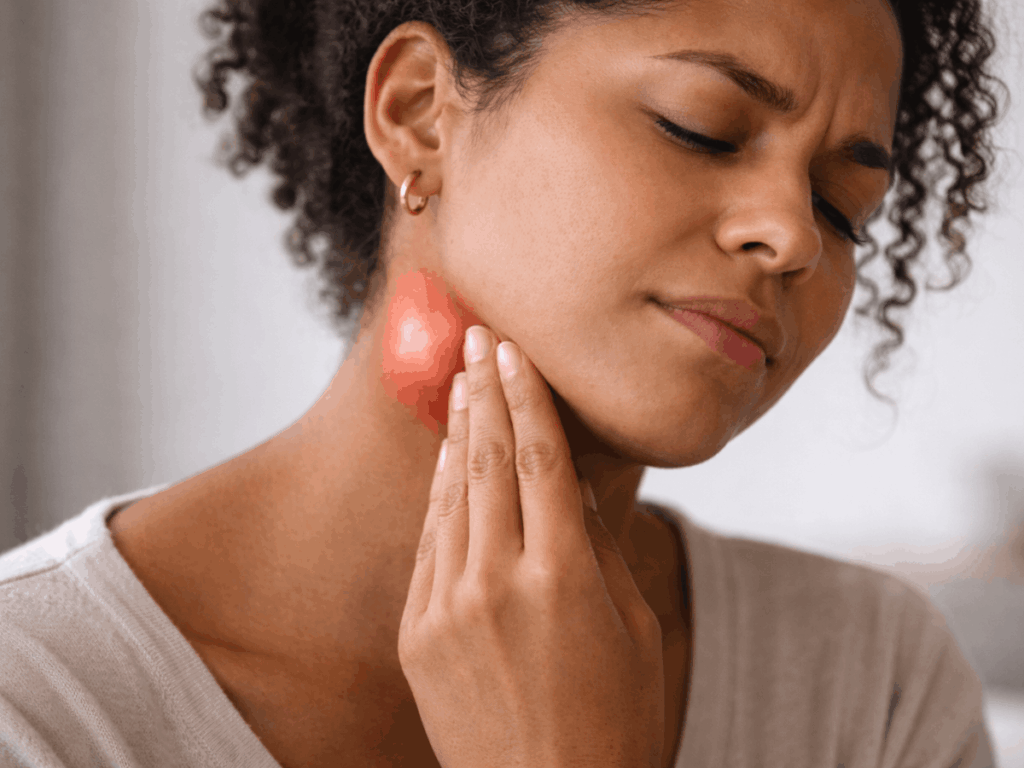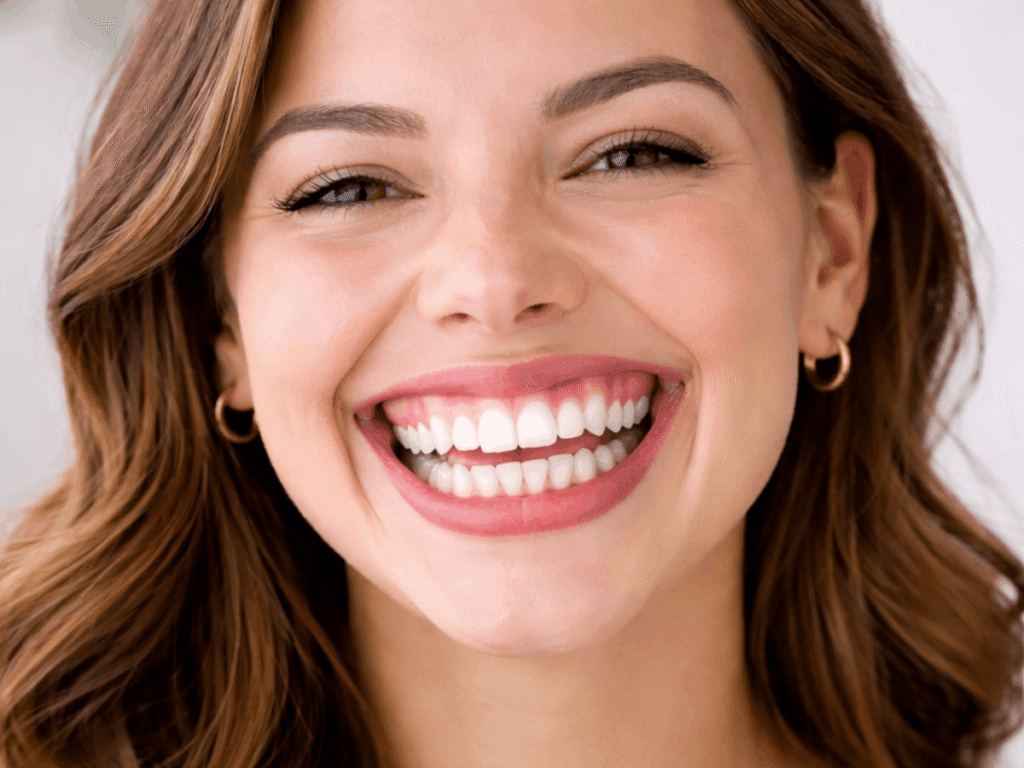
A balanced smile isn’t just about the teeth. The shape and position of the gumline play a major role in how a smile looks. When gums cover too much of the teeth, appear uneven, or create what’s often called a “gummy smile,” the teeth can look shorter or less symmetrical than they actually are.
That’s where gum recontouring can make a difference. For many patients, gum recontouring is a straightforward cosmetic treatment that refines the overall appearance of the smile while maintaining healthy gum tissue and natural tooth structure.
At Enhanced Wellness, cosmetic treatments like gum recontouring are carefully planned to support both aesthetics and long-term oral health. During a consultation, the dentist evaluates the gumline, tooth proportions, and overall smile line to create a personalized treatment plan designed to refine the appearance of the smile.
What Is Gum Recontouring?
Gum recontouring is a cosmetic dental procedure that reshapes small areas of gum tissue to create a more even and balanced gumline. Dentists may recommend it when excess gum tissue covers too much of the teeth, when the gumline appears uneven, or when certain teeth look shorter than they actually are. The procedure has a success rate of over 90% in most cases, making it a reliable option for improving the proportions of the smile.
The treatment focuses on adjusting how the gums frame the teeth rather than changing the teeth themselves. By carefully removing or sculpting small amounts of tissue, the dentist can reveal more of the natural tooth surface and improve the overall proportions of the smile.
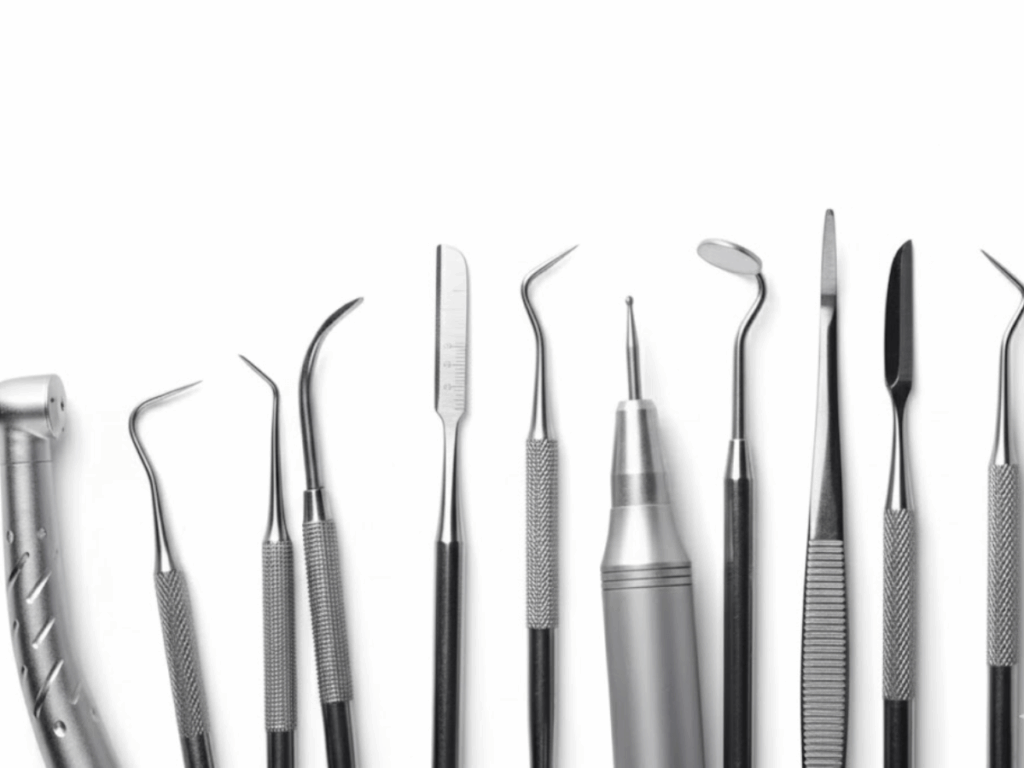
In many cases, gum recontouring is performed using modern dental lasers or precise surgical instruments that allow the gumline to be reshaped with minimal disruption to surrounding tissue. The goal is to refine the gumline while preserving healthy gums and maintaining the natural structure of the teeth.
What Gum Recontouring Can Improve
The gumline frames the teeth, so even small differences in gum shape can change how a smile looks. Gum recontouring adjusts these areas so the gums and teeth appear more balanced.
A Gummy Smile
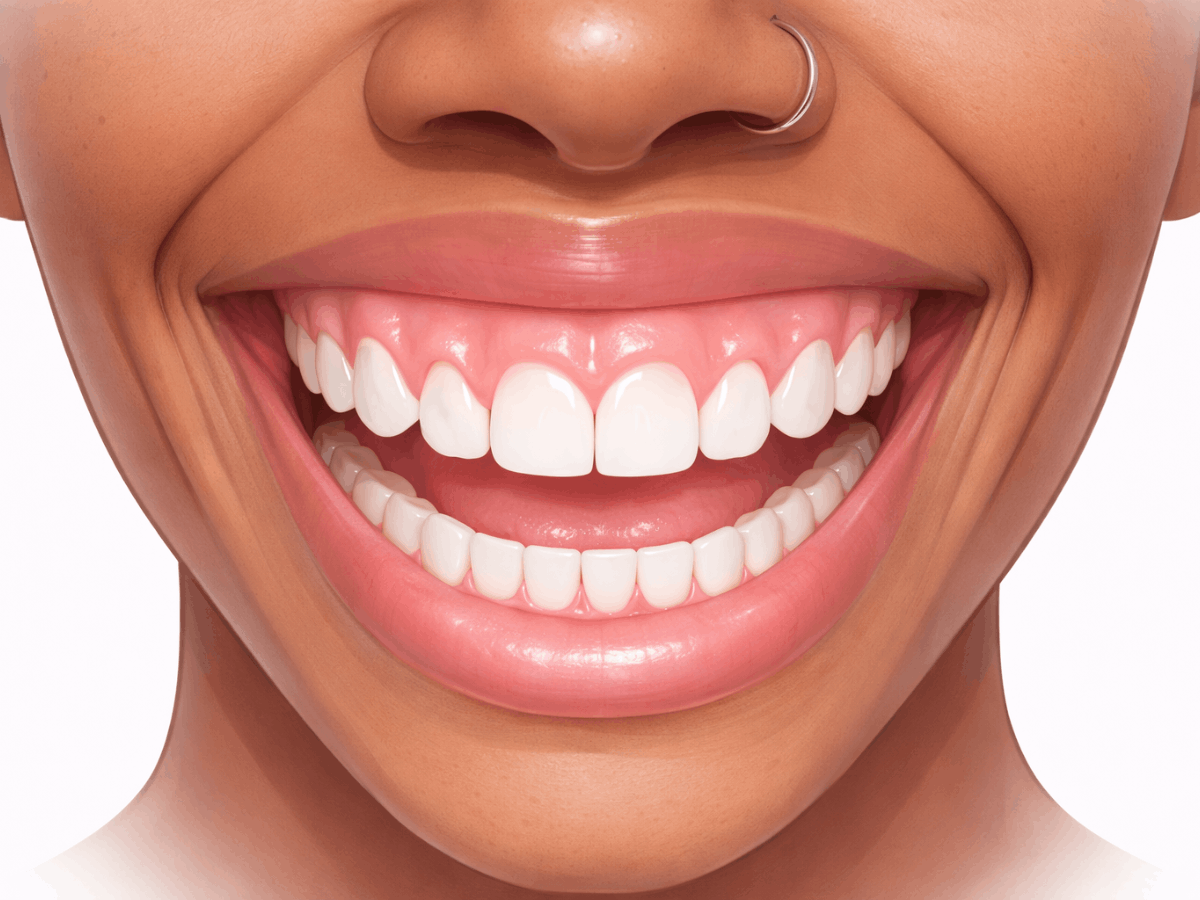
A gummy smile occurs when a larger amount of gum tissue shows above the upper teeth while smiling. In some cases, reshaping small areas of gum tissue can reveal more of the natural tooth surface and create a more proportionate smile.
Uneven Gumlines
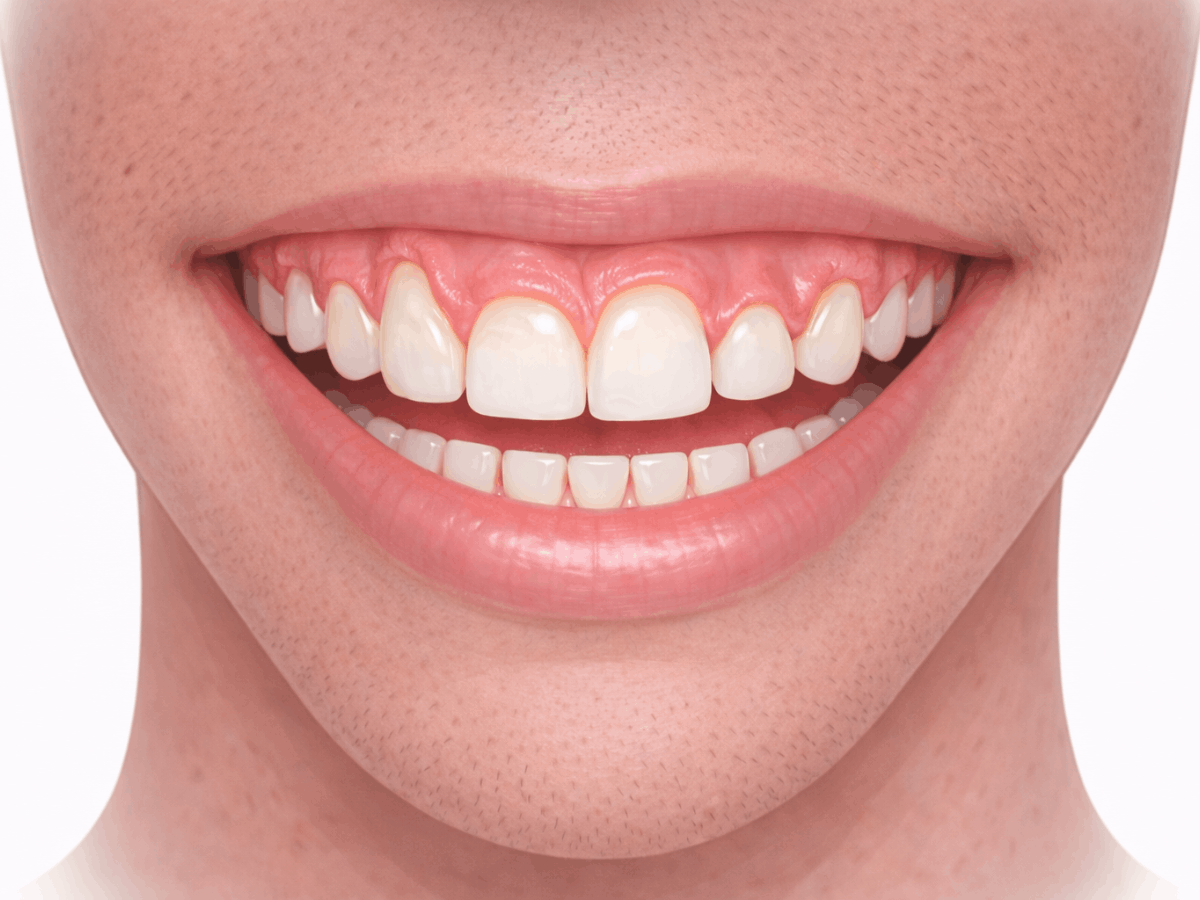 The gumline does not always follow a smooth curve across the teeth. When one tooth appears higher or lower than the others, it can make the smile look uneven. Gum recontouring can reshape these areas so the gumline appears more consistent.
Teeth That Look Short or Square
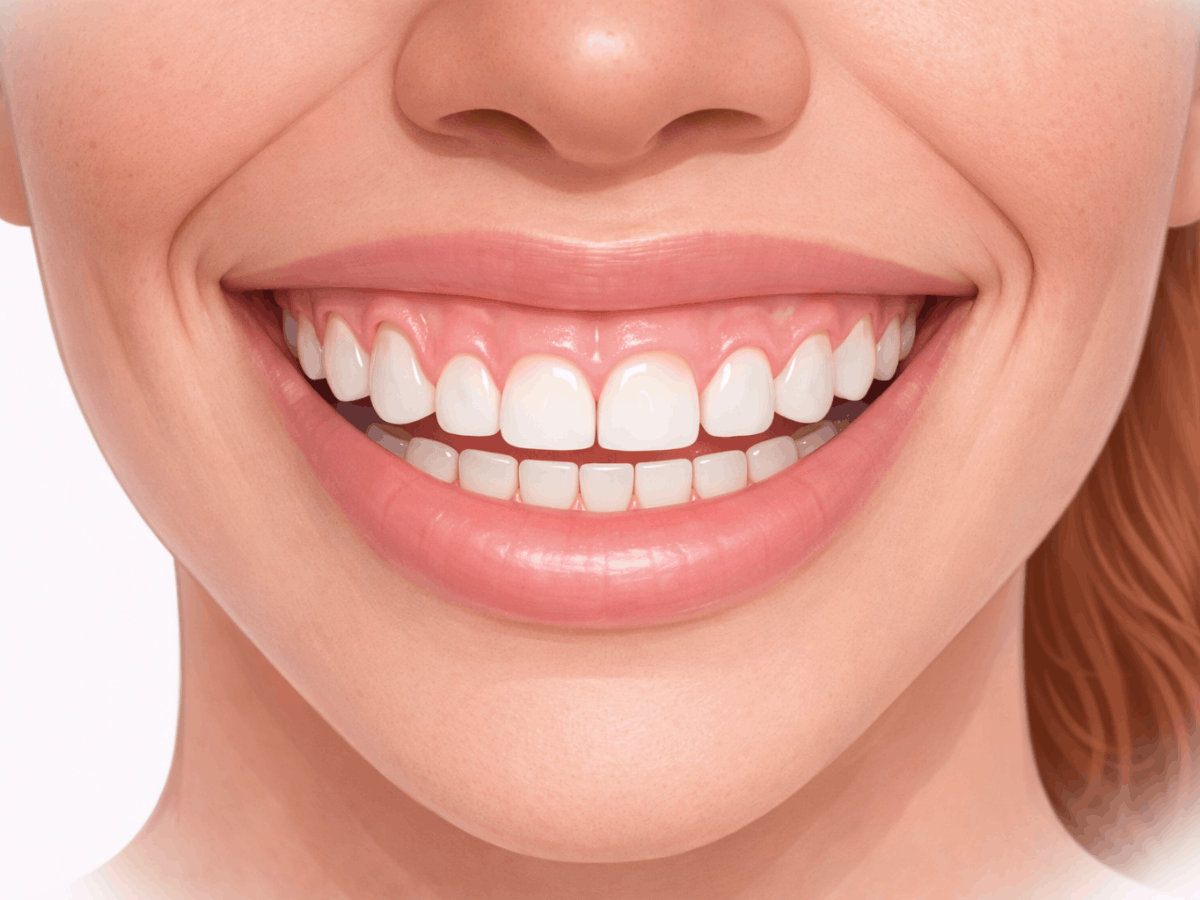
Excess gum tissue can cover part of the tooth surface, making teeth appear shorter or more square than their natural shape. Adjusting the gumline can expose more of the tooth and improve overall proportions.
Gum Overgrowth From Genetics or Medication
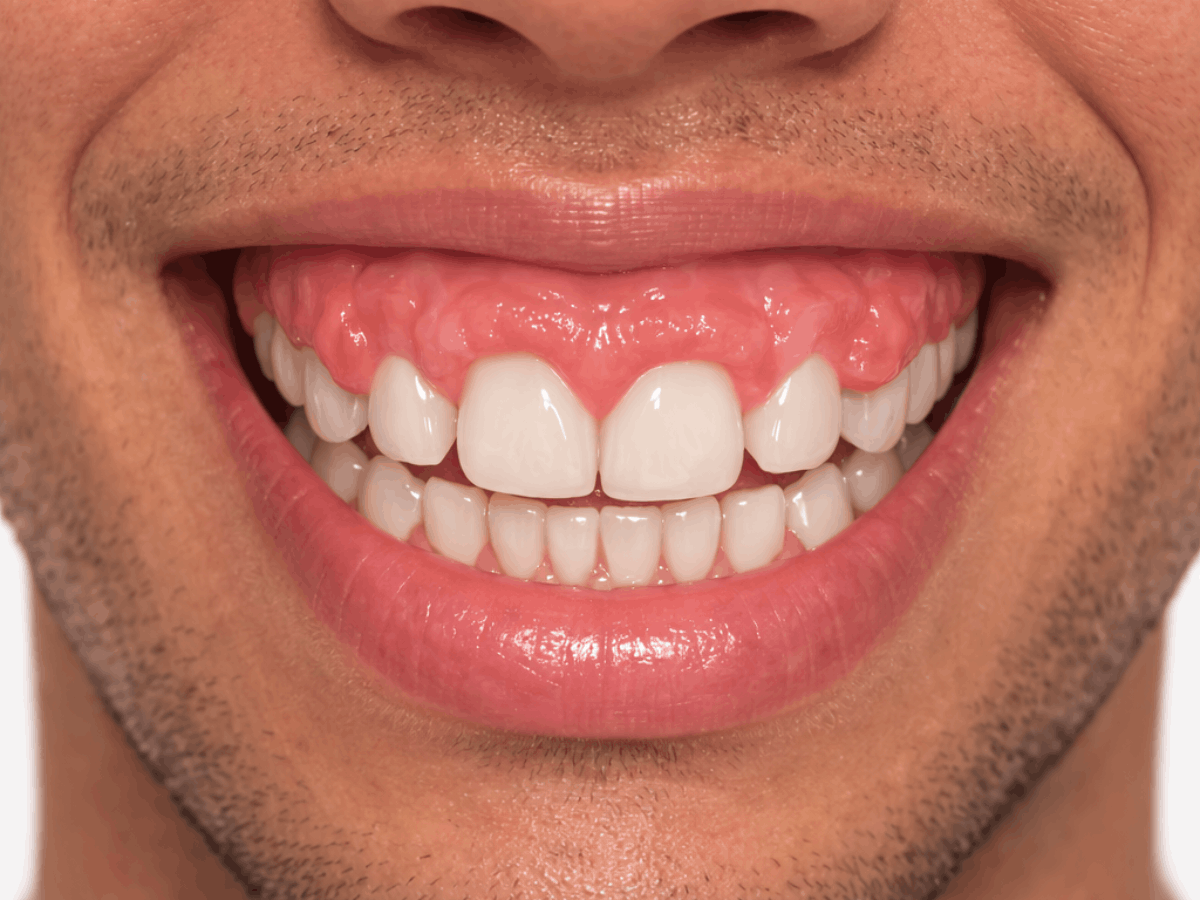
Some people naturally develop thicker gum tissue, while certain medications can cause gum overgrowth. When this tissue changes how the teeth appear, gum recontouring can help restore a more balanced gumline.
Excess gum tissue can make teeth appear shorter and disrupt the balance of the smile, which is why adjusting the gumline can have such a noticeable cosmetic effect.
Why Some People Have a “Gummy Smile”
A gummy smile affects approximately 10% to 29% of young adults. It can develop for several different reasons and often relates to how the gums, teeth, and jaw develop together. Identifying the underlying cause helps determine whether gum recontouring or another treatment may be appropriate.
- Genetics and gum growth: Some people naturally develop thicker or more prominent gum tissue. When the gums extend further down over the teeth, more gum tissue may show when smiling.
- Tooth size vs gum proportion: Sometimes the teeth are normal in size, but a larger portion remains covered by gum tissue. This can make the visible part of the teeth appear shorter.
- Jaw development and smile structure: The position of the upper jaw can influence how much gum tissue appears when smiling. In some cases, the jaw sits slightly forward or higher, exposing more gum above the teeth.
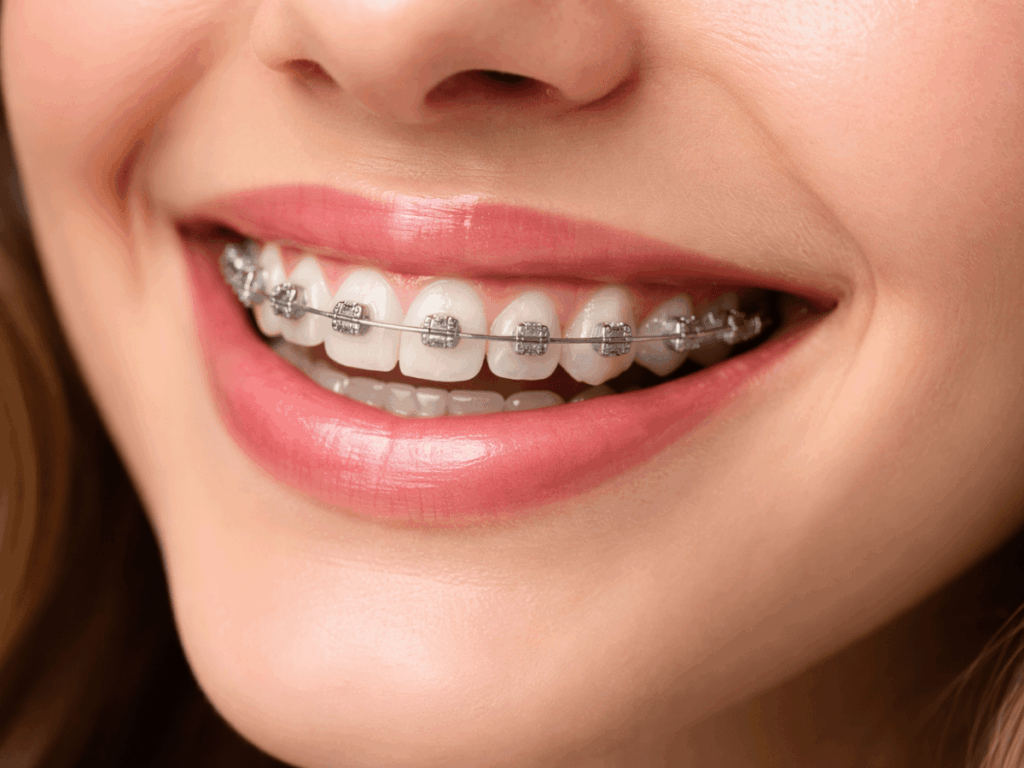
- Orthodontic factors: Tooth positioning can also affect how the gumline appears. Crowding or alignment changes may make certain areas of the gumline more noticeable.
The underlying cause often guides which treatment will improve the balance of the smile.\
Laser Gum Recontouring vs Other Methods
Studies suggest that over 60% of people consider a gummy smile a factor that affects facial aesthetics, which often leads patients to explore cosmetic treatment options. In some cases, the appearance of short or uneven teeth is related to the gumline rather than the teeth themselves. Gum recontouring addresses the gum tissue directly, while veneers change the shape and surface of the teeth.
While gum recontouring focuses on reshaping the gumline itself, some patients may benefit from other treatments depending on what is affecting the appearance of their smile.
Gum Recontouring vs Veneers
Sometimes teeth appear short because gum tissue covers part of the tooth. In these cases, reshaping the gumline may reveal more of the natural tooth surface.
Veneers address the shape and appearance of the teeth themselves. If the teeth are worn, uneven, or discolored, veneers may be recommended instead of gum reshaping.
Gum Recontouring vs Orthodontics
Orthodontic treatment focuses on moving teeth into better alignment. If a gummy smile is related to tooth position or bite alignment, orthodontics may be recommended instead of, or before, gum recontouring.
When Treatments Are Combined
Some patients benefit from combining treatments. For example, orthodontics may align the teeth first, followed by gum recontouring to refine the gumline. In other cases, gum reshaping may be paired with veneers or cosmetic bonding to achieve a more balanced smile.
Treatment options may include cosmetic or restorative dentistry procedures depending on the condition of the teeth and gums. The best approach depends on the cause of the gummy smile and the overall goals for the smile.
Benefits Beyond Cosmetic Appearance
Gum recontouring is often associated with improving the look of the smile, but it can also provide functional benefits. When excess or uneven gum tissue is reshaped, it may help support healthier gums and make daily oral care easier.
- Easier oral hygiene: When an uneven gum line is reshaped during a cosmetic procedure such as gum contouring or crown lengthening, it can become easier to brush and floss along the teeth. A more even gumline reduces areas where plaque collects, which may lower the risk of gum disease and decay over time.
- Reduced gum pockets: Excess gum tissue can create deeper spaces where bacteria collect in the mouth. By reshaping this tissue, often using a soft tissue laser and a local anesthetic, dentists can reduce these pockets and make daily cleaning more effective.
- Improved smile symmetry: Adjusting uneven gum levels can help make your teeth appear more balanced and proportional. In most cases, this cosmetic dentistry treatment is performed for cosmetic purposes, helping patients achieve a more attractive smile with permanent results once healing is complete.
In cosmetic dentistry, procedures that refine the gumline are often used to improve both aesthetics and oral health. Small adjustments to the gumline can enhance the appearance of the smile while also making daily cleaning along the gums easier.
Frequently Asked Questions About Gum Recontouring
How long does gum recontouring take?
A gum recontouring procedure, also called gum reshaping or gum contouring, typically takes 30–60 minutes. The treatment is performed in a dentist’s office using local anesthesia to keep the gums numb and comfortable while the dentist reshapes the gum line and removes excess gum tissue.
How much gum can be safely removed?
Before performing gum contouring surgery, the dentist evaluates the gums, underlying bone, and overall tooth structure. Only small amounts of excess tissue are removed to create a more even new gum line while avoiding issues such as gum recession.
Can gums grow back?
For most people, the results of a gum contouring procedure are long-lasting because the extra gum tissue that is removed does not usually grow back. However, gum changes may occur if conditions like periodontal disease develop.
How soon can I eat normally?
During the early recovery process, dentists often recommend soft foods such as yogurt or soft vegetables. Many patients return to normal eating within one to two days, though avoiding spicy foods can help reduce soreness, swelling, and irritation while the healing process continues.
Creating a More Balanced Smile With Gum Recontouring
Gum recontouring can make a noticeable difference in the balance of a smile by reshaping excess or uneven gum tissue. For many patients, the procedure offers a straightforward way to refine the gumline while preserving the natural teeth.
The best approach depends on the cause of the gummy or uneven gumline. A dental evaluation helps determine whether gum recontouring or another treatment will provide the most balanced and natural-looking result.
At Enhanced Wellness, our team is committed to protecting your smile with gentle, personalized care. If you’re considering gum recontouring or have concerns about your gumline, we’re here to help. Contact our Pennsylvania office at (724) 558-8222 or use our contact form to schedule a visit and receive guidance tailored to your oral health needs.

Dr. Elizabeth Wakim, DDS, is the founder of Enhanced Wellness. She’s a compassionate and highly-regarded dentist with her own practice in Washington, Pennsylvania, known for providing modern, comprehensive dental care, botox and facial aesthetics with a focus on patient comfort and anxiety reduction, serving general, cosmetic, and pediatric dentistry needs.