Your bite should feel natural. When it doesn’t, you may notice subtle signs like jaw tension, uneven pressure on your teeth, or discomfort when chewing. These small imbalances can build over time and start to affect how your teeth, muscles, and joints work together.
An equilibration bite adjustment is a precise way to correct those imbalances. Making small, targeted changes to how your teeth come together helps create a more even and stable bite. This can improve comfort, reduce strain, and support better long-term oral health.
At Enhanced Wellness, we take a personalized approach to bite alignment. Each evaluation is designed to understand how your teeth and jaw function together, so any adjustments made are intentional, measured, and tailored to your needs.
What Is an Equilibration Bite Adjustment? Here’s What It Actually Does
Only about 30% to 40% of people have naturally well-aligned teeth, which is why bite imbalances are common. An equilibration bite adjustment is a precise dental procedure that reshapes small areas of the teeth so they come together more evenly when you bite. The goal is to create balanced contact across your teeth, reducing excess pressure on certain areas.
When the bite is uneven, some teeth may take on more force than they should. Over time, this can lead to wear, sensitivity, or strain on the jaw. Equilibration helps redistribute that pressure so the teeth and jaw work together more smoothly.
The process is conservative and controlled. Only minimal adjustments are made, and each change is carefully evaluated to improve how your bite functions without altering the natural structure of your teeth more than necessary.
Why Bite Balance Makes a Difference in Your Oral Health
Malocclusion, or a misaligned bite, affects an estimated 56% to 75% of people worldwide, which is why proper bite balance plays an important role in how your teeth and jaw function. A balanced bite helps your teeth and jaw work together without added stress. When your bite is off, certain areas take on more pressure than they should.
Correcting bite alignment helps distribute chewing forces more evenly. This matters because it can:
- Reduce uneven wear on teeth: Helps prevent excessive force that can lead to fractures, loose teeth, or future dental problems if left untreated
- Ease jaw tension: Minimizes strain on the jaw muscles and supports better overall comfort during daily movements
- Improve comfort when chewing: Helps teeth function properly, even in cases involving broken or missing teeth
- Lower risk of sensitivity: Reduces pressure points that can contribute to discomfort and other oral health issues
- Support long-term oral health: Promotes ideal alignment, helping avoid more complex or expensive treatments, including surgical procedures in severe cases
A more balanced bite, supported by proper evaluation through bite analysis and muscle and joint assessments, helps improve function, comfort, and overall oral health over time.
Signs Your Bite May Need Adjustment
Studies suggest that 60% to 70% of people show at least one sign of temporomandibular joint (TMJ) disorder, often linked to bite imbalance. An uneven bite can show up in subtle ways. These signs are easy to overlook but often point to how your teeth and jaw are not aligning properly.
Uneven Tooth Wear
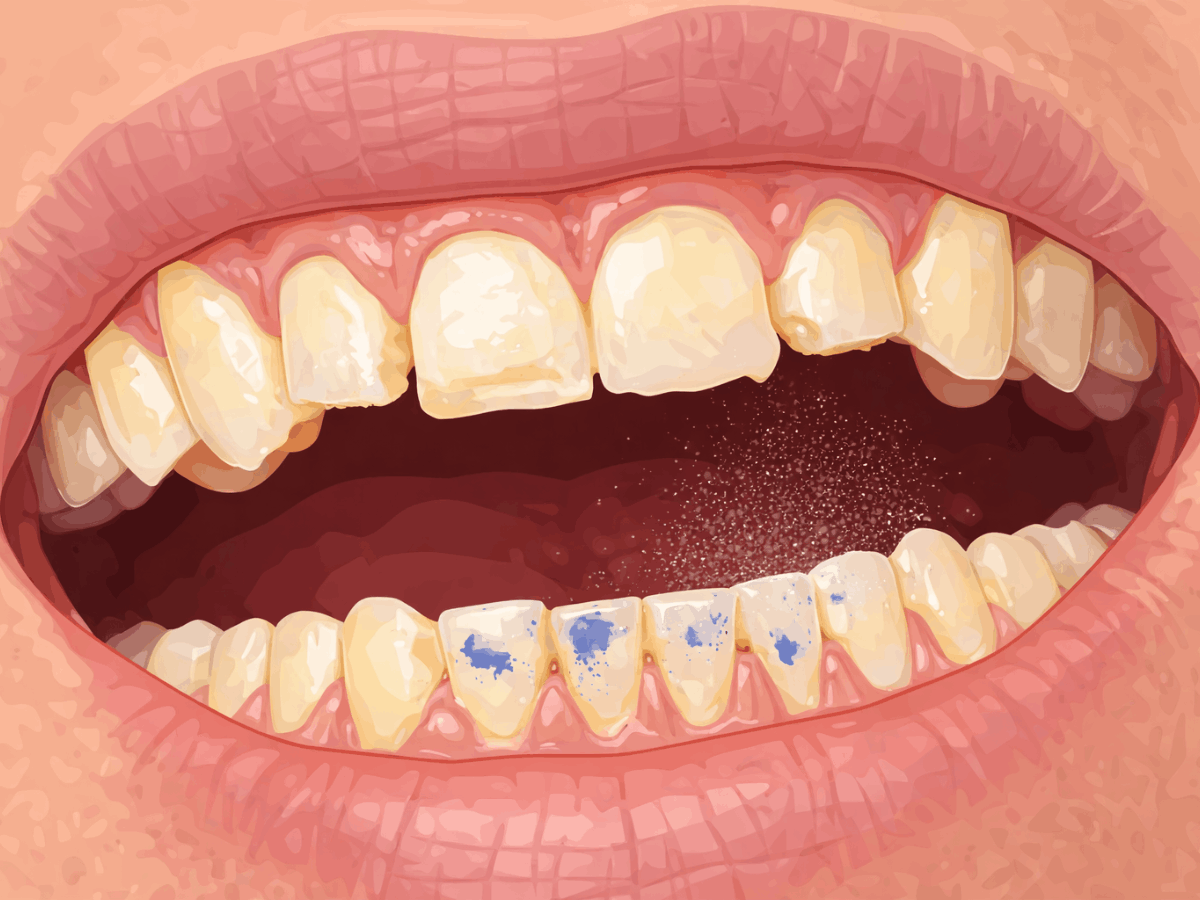
Some teeth may wear down faster due to uneven pressure. This can lead to flattening, sensitivity, or even small fractures over time, especially if teeth are not properly aligned.
Jaw Clicking or Discomfort
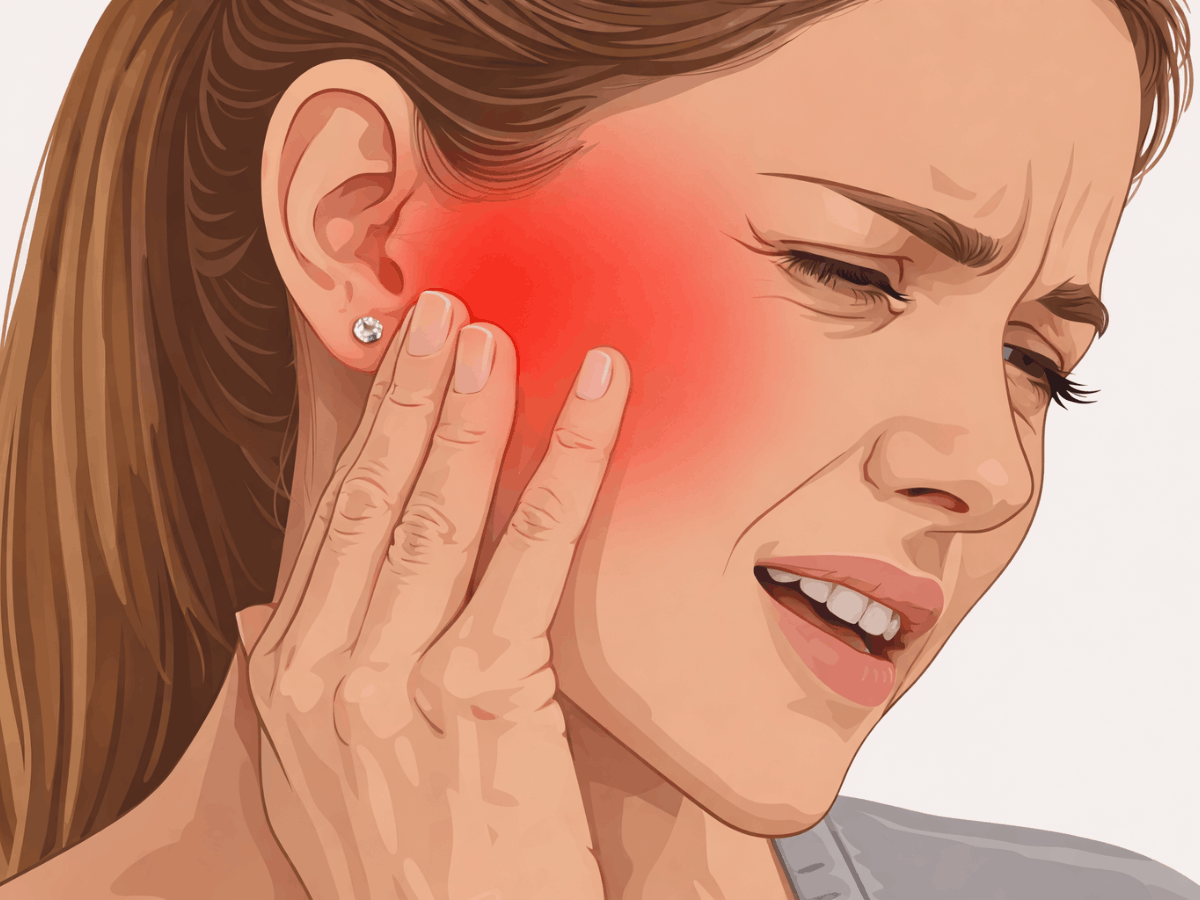
Clicking, popping, or soreness in the jaw can signal stress on the temporomandibular joint. In some cases, this may be linked to temporomandibular joint disorder and can contribute to discomfort beyond the mouth, including neck pain.
Frequent Headaches or Facial Tension
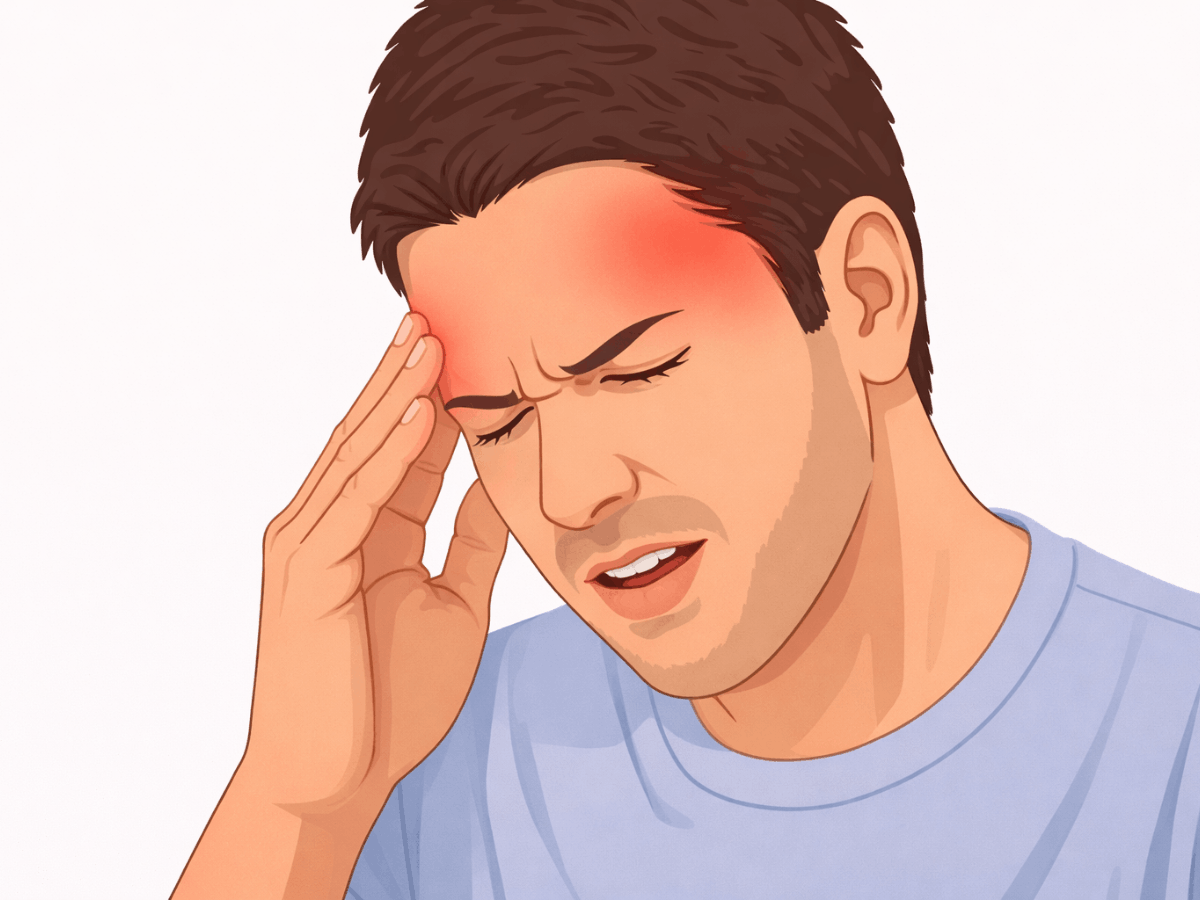
Ongoing muscle strain from an uneven bite can lead to tension in the face and frequent headaches, especially at the end of the day or after chewing.
Teeth That Feel “High” When Biting
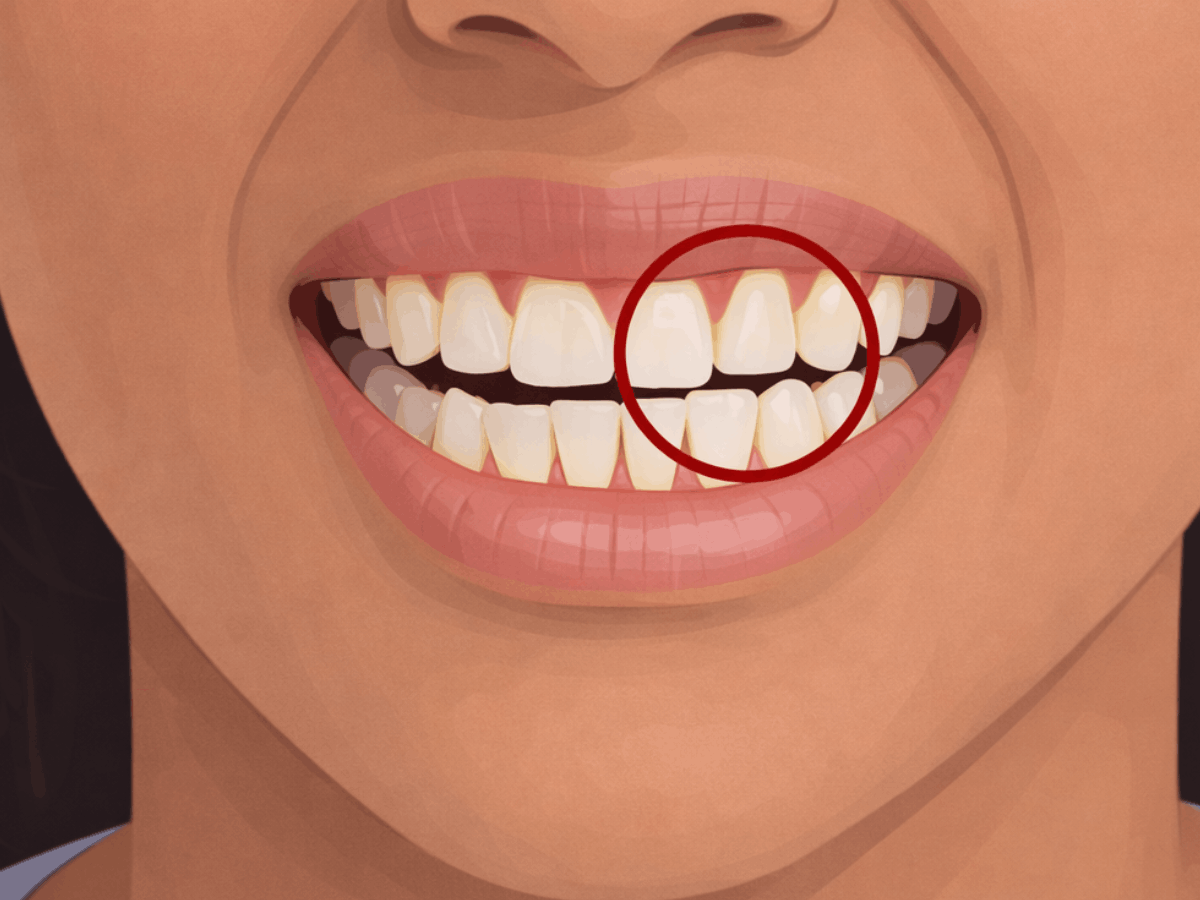
If certain teeth hit first when you close your mouth, it may indicate an imbalance. This can prevent your teeth from functioning properly and may increase the risk of wear or damage.
These symptoms can build gradually and may overlap with conditions that involve jaw tension, including options like Botox for TMJ-related jaw pain. In many cases, they reflect underlying bite issues that may benefit from adjustment.
What Happens During an Equilibration Bite Adjustment
An equilibration bite adjustment is a precise, step-by-step process focused on improving how your teeth come together.
1. Bite Analysis and Diagnostic Testing
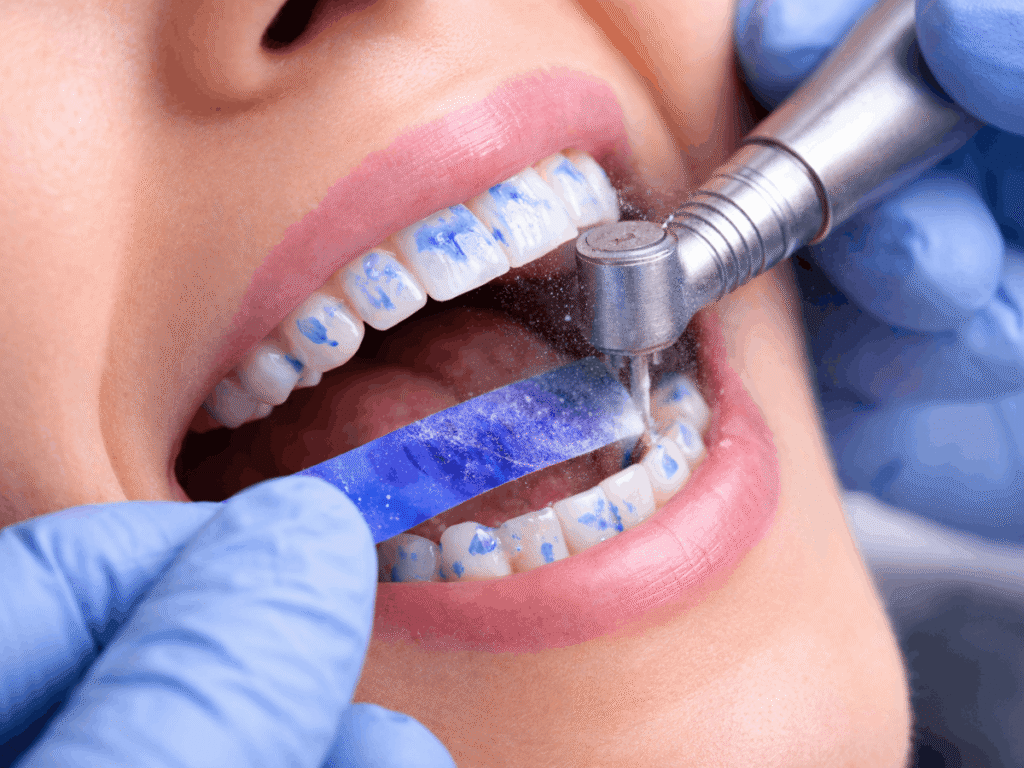
Your dentist evaluates how your teeth contact when you bite and move your jaw. This may include using marking materials or digital tools to assess bite patterns and identify areas of imbalance.
2. Identifying High Contact Points
Specific spots where certain teeth hit too early or carry excess pressure are identified. These “high points” are often the source of uneven force and discomfort.
3. Precise Reshaping of Enamel Surfaces
Very small amounts of enamel are carefully adjusted on selected teeth to create more even contact. The goal is to improve balance without changing the natural shape of your teeth more than necessary.
The dentist carefully removes tiny amounts of enamel from specific biting surfaces to create balanced tooth contact, helping your bite feel more stable and comfortable.
What Equilibration Bite Adjustment Cannot Fix
Equilibration bite adjustment is precise and effective for improving how your teeth come together, but it is not designed to address every type of bite or jaw issue.
- Severe bite problems that require orthodontics: Conditions like significant misalignment or crowding often need braces or aligners rather than enamel reshaping
- Structural jaw issues: Skeletal imbalances or jaw positioning concerns typically require a different type of treatment approach
- Conditions unrelated to occlusion: Not all symptoms, including some types of jaw pain or discomfort, are caused by bite imbalance
Some research suggests that occlusal adjustments alone may not resolve all TMJ disorders, which is why a careful and accurate diagnosis is essential before treatment.
What Patients Want to Know About Bite Adjustment
What is the difference between bite adjustment and orthodontics?
Bite adjustment, or occlusal equilibration, makes minor adjustments to tooth enamel so the upper and lower teeth meet more evenly. It improves the bite relationship without moving teeth. Orthodontics shifts misaligned teeth into proper alignment over time and is used for more significant changes.
When do dentists typically recommend bite adjustment?
It is often recommended when patients notice symptoms like uneven pressure, jaw discomfort, or difficulty chewing. It may follow dental work such as fillings or be used when upper and lower teeth are not contacting properly, helping reduce stress on the jaw joints and support better function.
How long does an equilibration bite adjustment take?
Most cases are completed in a single visit, though some may require multiple appointments depending on the complexity. Dentists use precise technology to examine contact points and make controlled adjustments.
Does bite adjustment hurt?
The procedure is generally comfortable and usually does not require anesthesia. A tiny dental drill is used to reshape small areas of enamel, and most patients experience minimal discomfort.
Is bite adjustment permanent?
The procedure is generally comfortable and usually does not require anesthesia. A tiny dental drill is used to reshape small areas of enamel, and most patients experience minimal discomfort.
A More Balanced Bite, A More Comfortable You
A small imbalance in your bite can affect more than you expect. In some cases, more advanced concerns may require evaluation through services like oral and maxillofacial care, especially when jaw structure is involved. Over time, uneven pressure can lead to wear, tension, and discomfort that builds gradually. An equilibration bite adjustment is a precise way to bring your bite back into balance.
At Enhanced Wellness, every adjustment is guided by a detailed evaluation of how your bite functions. The goal is not to change your smile, but to improve how it feels and performs day to day. If your bite feels off or if something does not feel quite right when you chew, it may be worth taking a closer look. Contact our Pennsylvania office at (724) 558-8222 or use our contact form to schedule a consultation and get care tailored to your needs.

Dr. Elizabeth Wakim, DDS, is the founder of Enhanced Wellness. She’s a compassionate and highly-regarded dentist with her own practice in Washington, Pennsylvania, known for providing modern, comprehensive dental care, botox and facial aesthetics with a focus on patient comfort and anxiety reduction, serving general, cosmetic, and pediatric dentistry needs.