Oil pulling has been around for 3,000 years. It predates your toothbrush, your toothpaste, and every dental tool your dentist has ever used on you. And somehow, in 2024, it’s back on everyone’s radar, partly thanks to wellness culture, partly TikTok, and partly because people are genuinely tired of being told coconut oil can’t do anything useful for their teeth.
So let’s be straight about it. Oil pulling for cavities isn’t snake oil. It also isn’t a miracle cure. The truth sits in a more interesting place than either of those takes, and that’s exactly what we’re getting into here.
At Enhanced Wellness, we believe informed patients make better decisions about their oral health. We stay current on both the science and the conversation around natural oral care practices so we can give you honest, evidence-based guidance, not just a dismissal. If you’re exploring oil pulling as part of your routine or you’re overdue for a proper cavity check, we’re here to help you figure out what your mouth actually needs.
What Is Oil Pulling, Exactly?
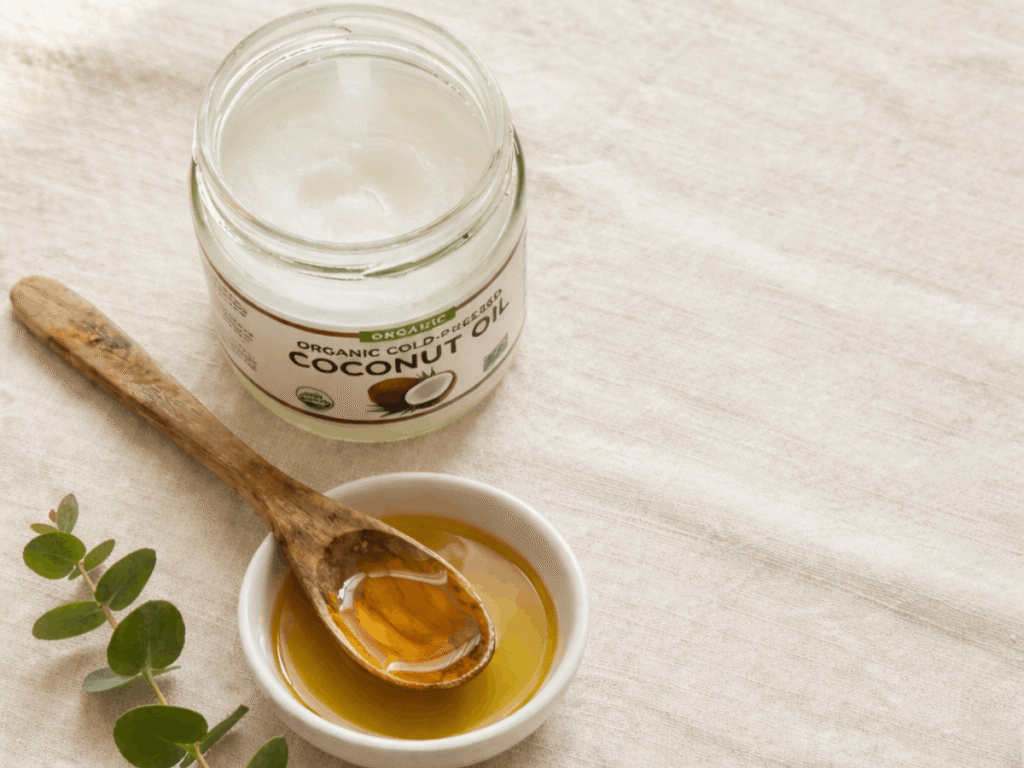
Oil pulling comes from Ayurvedic medicine, specifically practices known as Kavala and Gandusha, where oil was swished or held in the mouth as part of a daily health ritual. The modern version is straightforward: take about a tablespoon of oil (coconut, sesame, or sunflower is most common), swish it around your mouth for 15 to 20 minutes, then spit it out.
The mechanism is largely mechanical. As the oil moves through your teeth and along the gumline, it binds to bacteria, plaque, and debris, pulling them away from your mouth’s surfaces. That’s literally where the name comes from, and that basic principle is at least partially supported by research.
Coconut oil gets the most attention these days, and for a reasonable reason. Its lauric acid content has well-documented antimicrobial properties, meaning it doesn’t just flush bacteria out mechanically, it may actively work against them. That’s a meaningful detail. But antimicrobial doesn’t mean cavity-reversing, and understanding that distinction is the foundation of good preventative dentistry.
Here’s What the Science Actually Shows
Let’s start with the bottom line: oil pulling does reduce harmful bacteria and plaque. The research backs that up. What it cannot do is rebuild what bacteria have already destroyed, and that distinction is everything when it comes to cavities.
Here’s what the studies actually found:
- A randomized controlled trial published in the Journal of the Indian Society of Pedodontics and Preventive Dentistry found that oil pulling with sesame oil reduced Streptococcus mutans in saliva at a level comparable to chlorhexidine mouthwash, one of the most effective antibacterial rinses used in clinical dentistry.
- Multiple studies have shown measurable reductions in both plaque and gingival inflammation with consistent daily oil pulling.
- A 2017 review in the Journal of Traditional and Complementary Medicine confirmed oil pulling as a legitimate supplementary oral hygiene practice, particularly for gingivitis.
Worth noting though, most of these studies are small and short-term. Oil pulling was also tested alongside brushing, not instead of it. So the results reflect what it can do as a complement to your routine, not as a standalone solution.
Can Oil Pulling Reverse a Cavity? The Biology of Why It Can’t
A cavity isn’t just a buildup of bacteria. It’s structural damage to your tooth. Understanding why oil pulling can’t reverse it comes down to three simple biological facts.
Cavities Are Structural, Not Just Bacterial
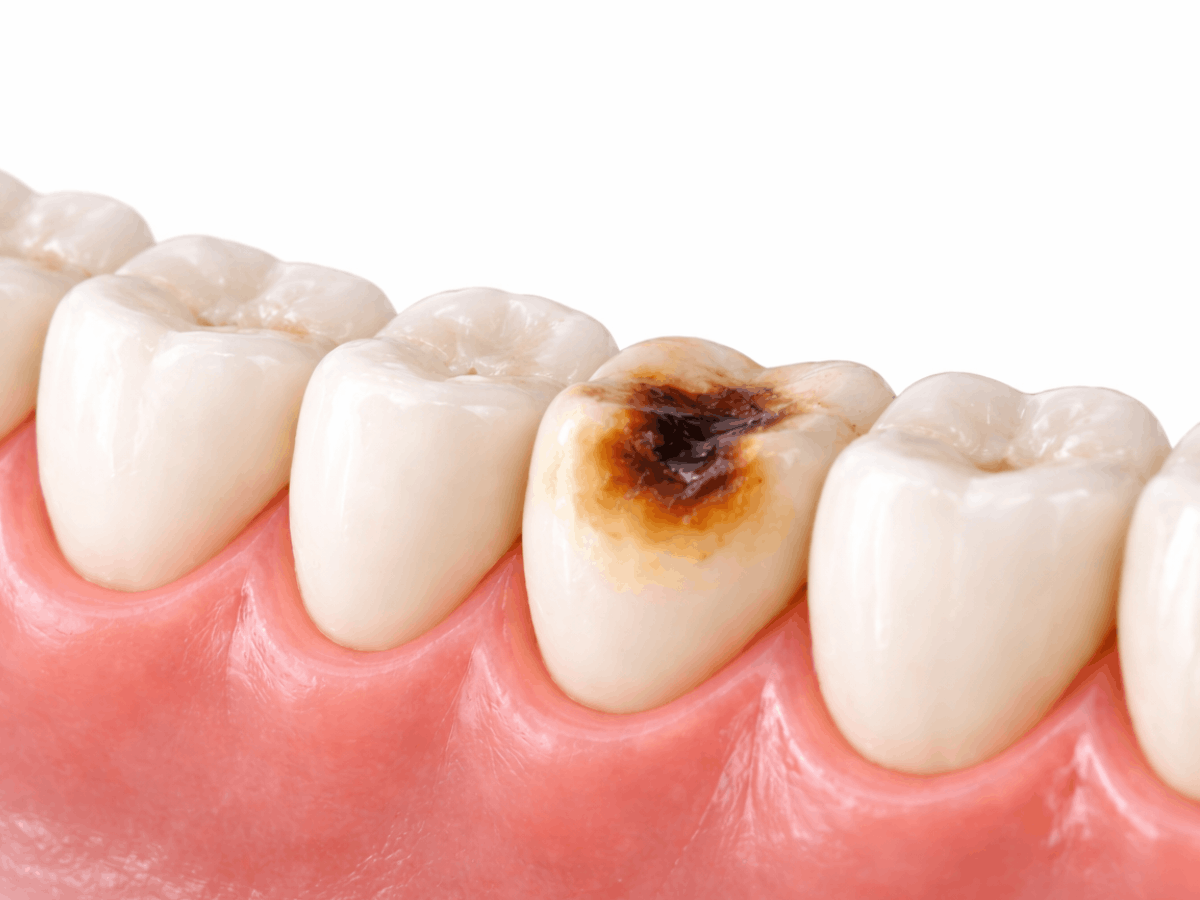
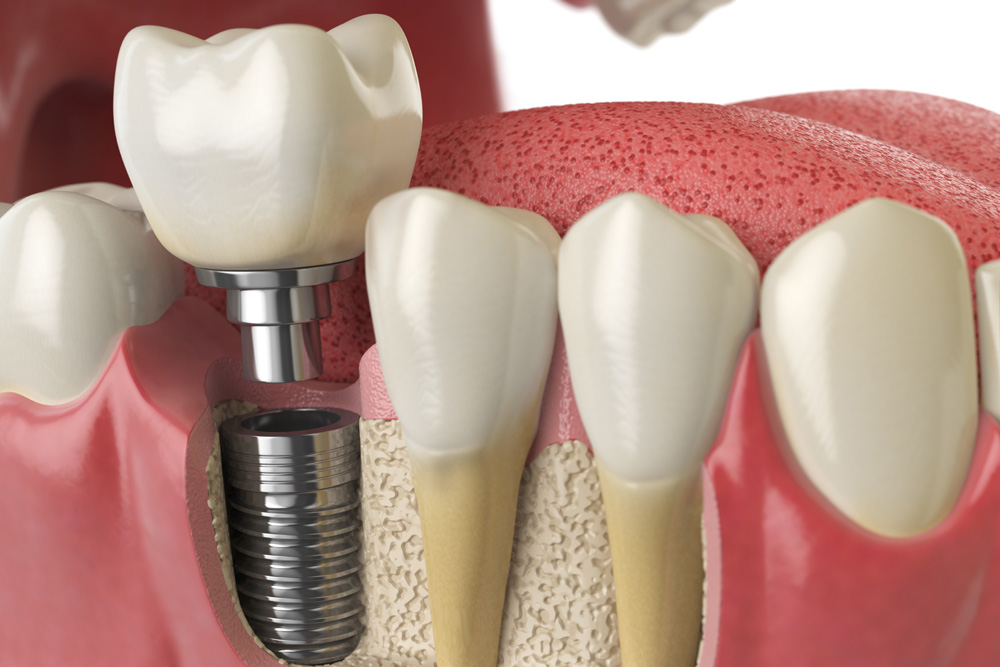
Tooth decay causes demineralization: acid pulls calcium and phosphate ions out of the enamel matrix, weakening it from the inside out. Over time, the lesion progresses from a white spot to a visible hole. Removing bacteria does not undo that damage. Calcium rich foods and dairy can support remineralization, but only before a true cavity has formed.
Enamel Cannot Regenerate
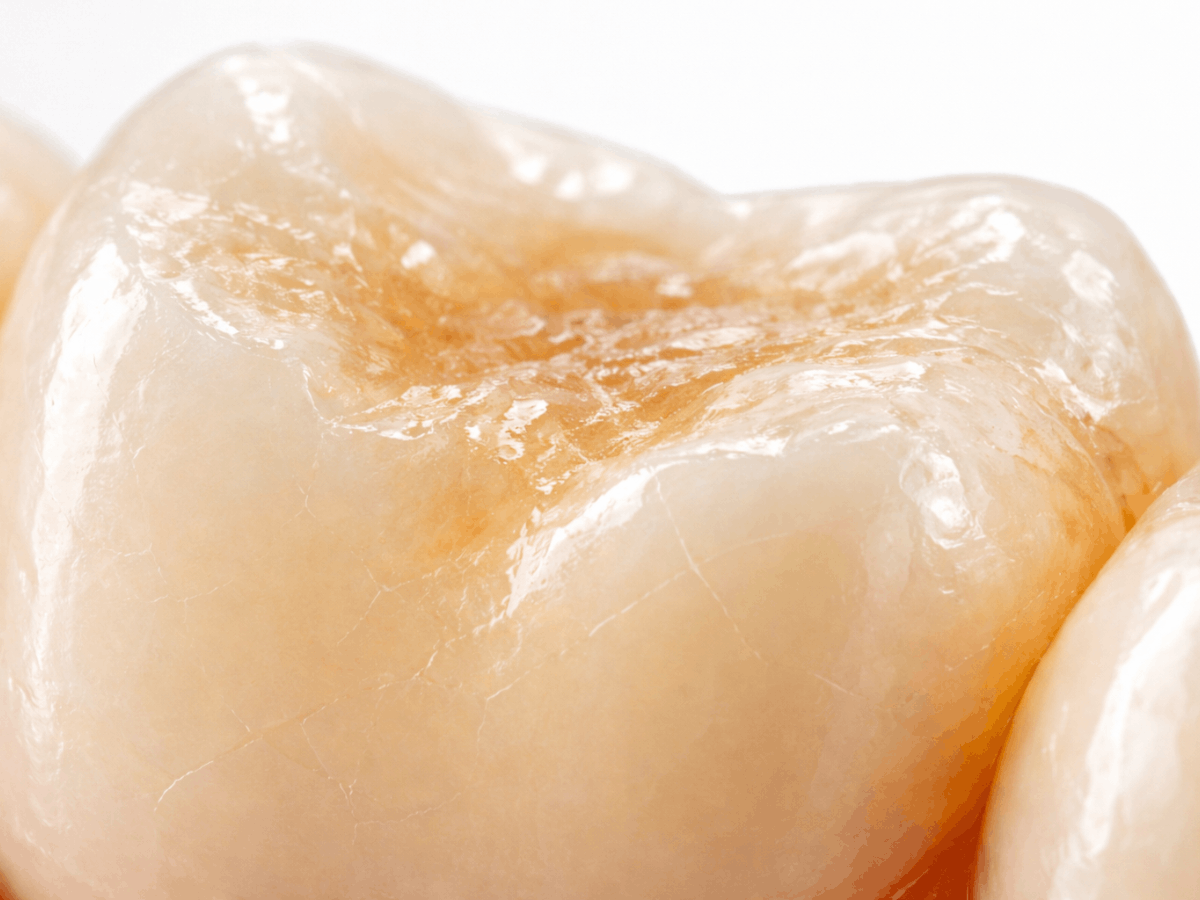
Enamel has no living cells to rebuild itself once it is gone. Remineralization is the body’s only natural defense, driven by saliva, fluoride, and calcium. Vitamin D and calcium through food or supplements help, but only before structural damage sets in. Once tooth decay progresses past that point, no diet, supplement, or complementary medicine approach can reverse it.
Oil Pulling Has No Role in Remineralization
Oil cannot deliver fluoride, calcium, or phosphate into enamel. Claims about its effectiveness at reversing cavities are not proven, and the risk of believing otherwise is real. If you are wondering what actually can address early decay, reversing a cavity is more straightforward than most people think, but it requires the right professional approach. Brushing and flossing, green tea, and regular dental visits remain the essential proven tools for improving oral health and maintaining a healthy smile.
Because the bacteria aren’t the cavity. The damage they caused is. And that damage needs a comprehensive dental exam, not a tablespoon of coconut oil.
If You’re Going to Try It, Do It Right
No judgment here. If you want to add oil pulling to your routine, there’s a right way to do it.
These are the details that actually matter:
- Choose Your Oil: This ancient ayurvedic practice traditionally used sesame oil, and it remains a solid choice. Coconut oil is the most studied option today, known for its antibacterial properties. Sunflower and olive oil work too. Stick to plain, food-grade oil and use one tablespoon. That is enough to move comfortably around the oral cavity without feeling like there is too much oil in your mouth.
- Commit to the Time: Involves swishing oil around for fifteen to twenty minutes. That is how long it takes to loosen plaque buildup and remove bacteria effectively. Several minutes in, the oil turns thin and milky. That means it is working. Five minutes will not get you there.
- Do It First Thing in the Morning: Before eating, before brushing. Bad bacteria and plaque buildup are at their peak after sleep, and saliva production slows overnight. Morning is when oil pulling has the most to work with. Brush afterward with the right toothpaste for your teeth to remove residual oil and get fluoride onto a freshly cleared surface.
- Spit Smart: That oil is now carrying bad bacteria, debris, and toxins. Swallowing it can cause an upset stomach or diarrhea. Spit into the trash, not the sink. Coconut oil solidifies at room temperature and will clog your pipes.
Oil pulling works best when you treat it for what it actually is. A smart addition to your routine, not a replacement for a professional dental cleaning.
So, Should You Try Oil Pulling for Cavities?
Oil pulling for cavities is one of those topics where the truth is more nuanced than either side admits. The practice has a real scientific support for bacterial and plaque reduction, and a legitimate place in a solid oral hygiene routine.
What it does not have is the ability to reverse a cavity. And no oil, no matter how pure or how consistently you use it, changes that biological reality.
At Enhanced Wellness, our team is committed to protecting your smile with honest, personalized care. If you have questions about oil pulling, need a cavity checked, or are simply ready to get your oral health back on track, we are here to help. Contact our Washington, PA office at (724) 558-8222 or use our contact form to schedule a visit and get the guidance your smile actually needs.
Frequently Asked Questions About Oil Pulling for Cavities
Does oil pulling whiten teeth?
It can remove surface stains mechanically, but it does not bleach enamel the way peroxide-based whitening treatments do. Any brightening effect is superficial and inconsistent. If whitening is a priority, there are proven treatments worth discussing with your dentist.
How long does it take to see results?
Most studies run two to four weeks of consistent daily practice before measuring results. Bad breath improvements tend to come faster, sometimes within the first week. If you are interested in other benefits like plaque reduction, more research suggests consistency over several weeks is essential.
Is oil pulling safe every day?
For most people, yes. Pulling is an ancient practice with a long track record and no significant documented side effects when done correctly. If you have gum disease, existing oral health issues, or conditions like diabetes, check with your dentist before adding it to your routine. The same applies if you are taking supplements that affect your oral health or overall health.
Can oil pulling replace mouthwash?
Not quite. It shares some benefits but antibacterial mouthwashes are clinically formulated with scientific evidence behind them for specific oral health issues. If you are already questioning your mouthwash, switching to an alcohol-free option might be worth exploring. Oil pulling is one of those natural remedies that works best as a complement to remove plaque and prevent tooth decay alongside brushing, flossing, and regular dental visits, not as a standalone solution to prevent cavities.

Dr. Elizabeth Wakim, DDS, is the founder of Enhanced Wellness. She’s a compassionate and highly-regarded dentist with her own practice in Washington, Pennsylvania, known for providing modern, comprehensive dental care, botox and facial aesthetics with a focus on patient comfort and anxiety reduction, serving general, cosmetic, and pediatric dentistry needs.