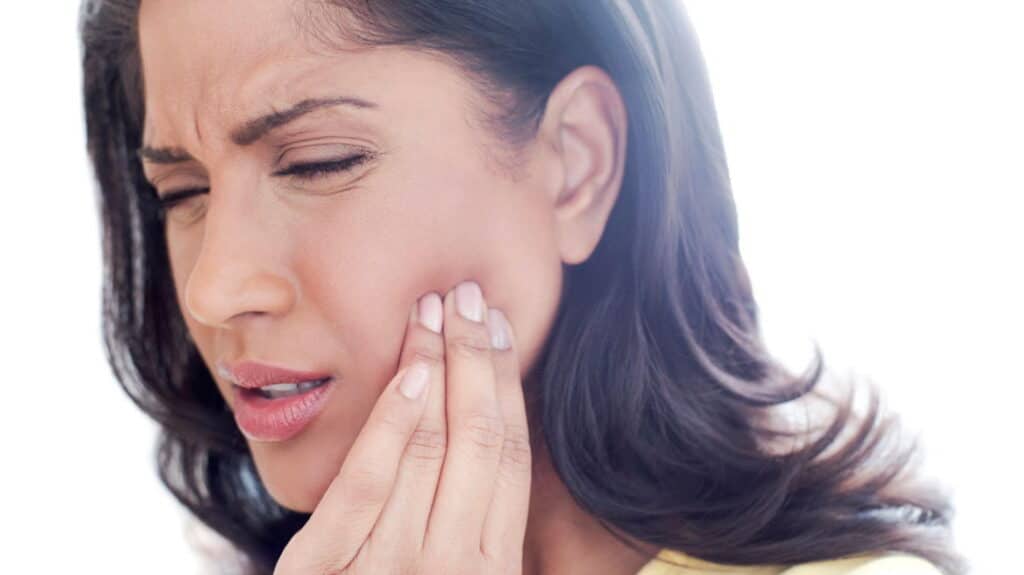
Jaw pain, chronic headaches, teeth grinding, a clicking joint that makes eating uncomfortable. TMJ disorders affect an estimated 10 million Americans, and the conversation around how to treat them has never been louder, or more confusing.
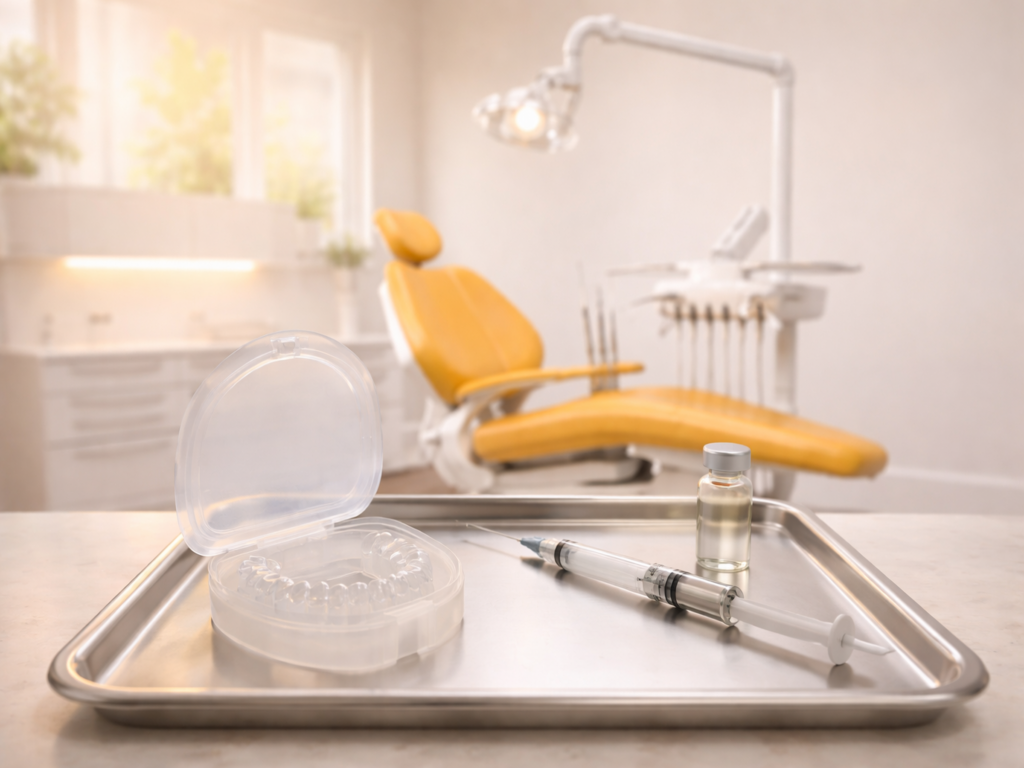
Botox for TMJ is all over social media. Dental night guards have been the clinical standard for years. Both are legitimate treatments backed by real evidence. Neither is universally better than the other. The right answer depends entirely on what is driving your symptoms in the first place.
This is a straightforward breakdown of how each treatment works, who it is actually designed for, and how to make an informed decision with your dentist rather than based on what worked for someone else online.
At Enhanced Wellness, we believe the right treatment starts with the right diagnosis. If you have been dealing with jaw pain or grinding and are not sure where to start, we are here to help you figure that out.
Did you know
The American Academy of Orofacial Pain estimates that TMJ disorders affect up to 15 percent of the adult population at any given time, yet most cases go undiagnosed for years. Early intervention with the right treatment, whether a night guard, Botox, or both, significantly reduces long-term joint damage and treatment costs.
What Is TMJ and Why Does It Hurt?
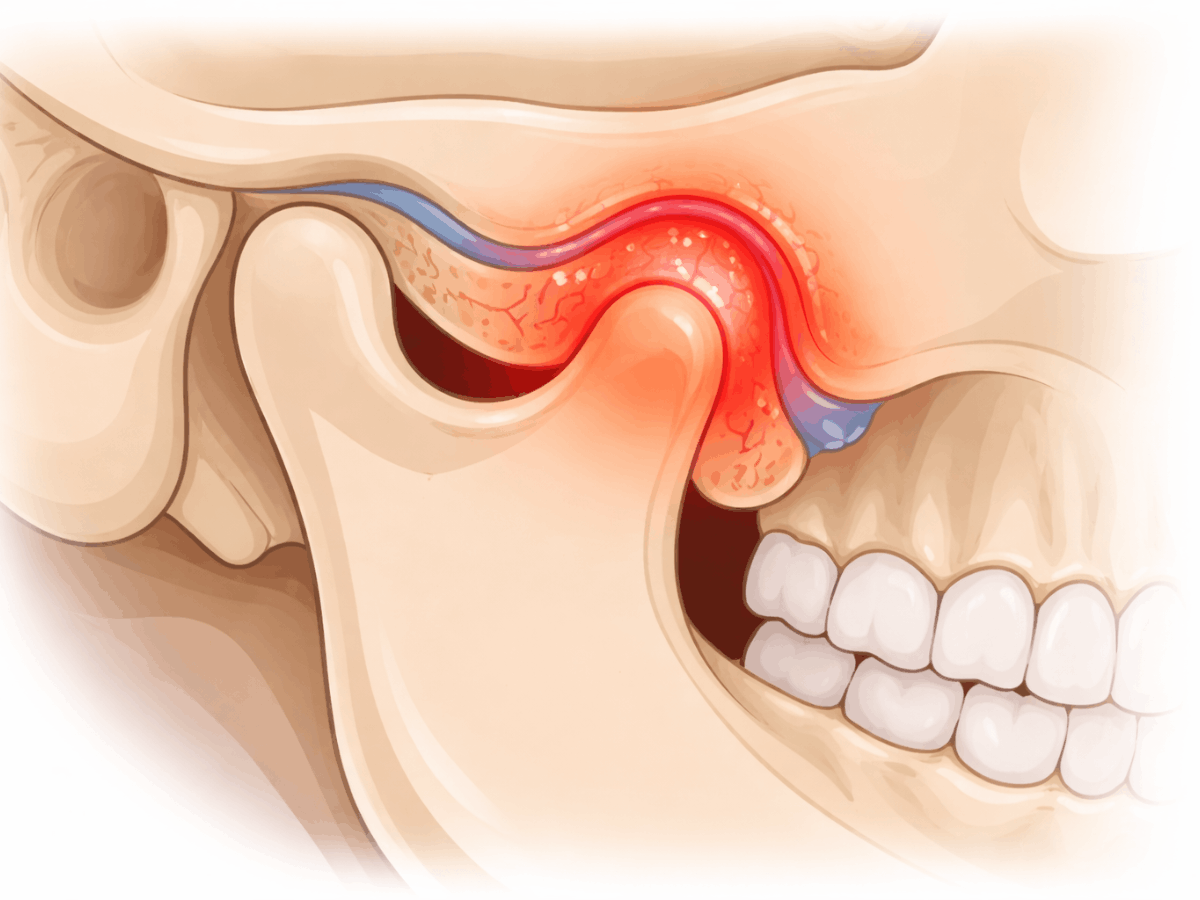
TMJ stands for temporomandibular joint, the hinge that connects your jawbone to your skull on both sides of your face. You use it every time you talk, chew, yawn, or swallow. When it works the way it should, you never think about it. When it does not, it makes itself known quickly.
TMJ disorder, often referred to as TMD, is an umbrella term for a range of conditions that affect the joint itself, the surrounding muscles, or both. Symptoms vary widely from person to person but commonly include:
- Jaw pain or soreness, especially in the morning, is a hallmark sign that patients experience before understanding TMJ fully
- Clicking, popping, or grinding sounds when opening or closing the mouth
- Headaches, particularly around the temples, are often linked to facial muscle tension and fatigue
- Ear pain or a feeling of fullness in the ears
- Difficulty opening the mouth fully due to severe symptoms or muscle tension
- Teeth grinding or clenching, known as bruxism, affects facial contour over time and disrupts better sleep
What causes it is equally varied. Stress is one of the most common drivers, as it leads to unconscious clenching and grinding. Bite misalignment, arthritis in the joint, jaw injury, and sleep disorders are also frequent contributors. In many cases, it is a combination of factors rather than a single cause.
That complexity is exactly why treatment is not one size fits all. And it is why understanding what is actually behind your symptoms matters before reaching for any solution. If Botox ends up being part of your treatment plan, knowing what to do and what not to do after Botox is just as important as the treatment itself.
What Is a Dental Night Guard and How Does It Work?
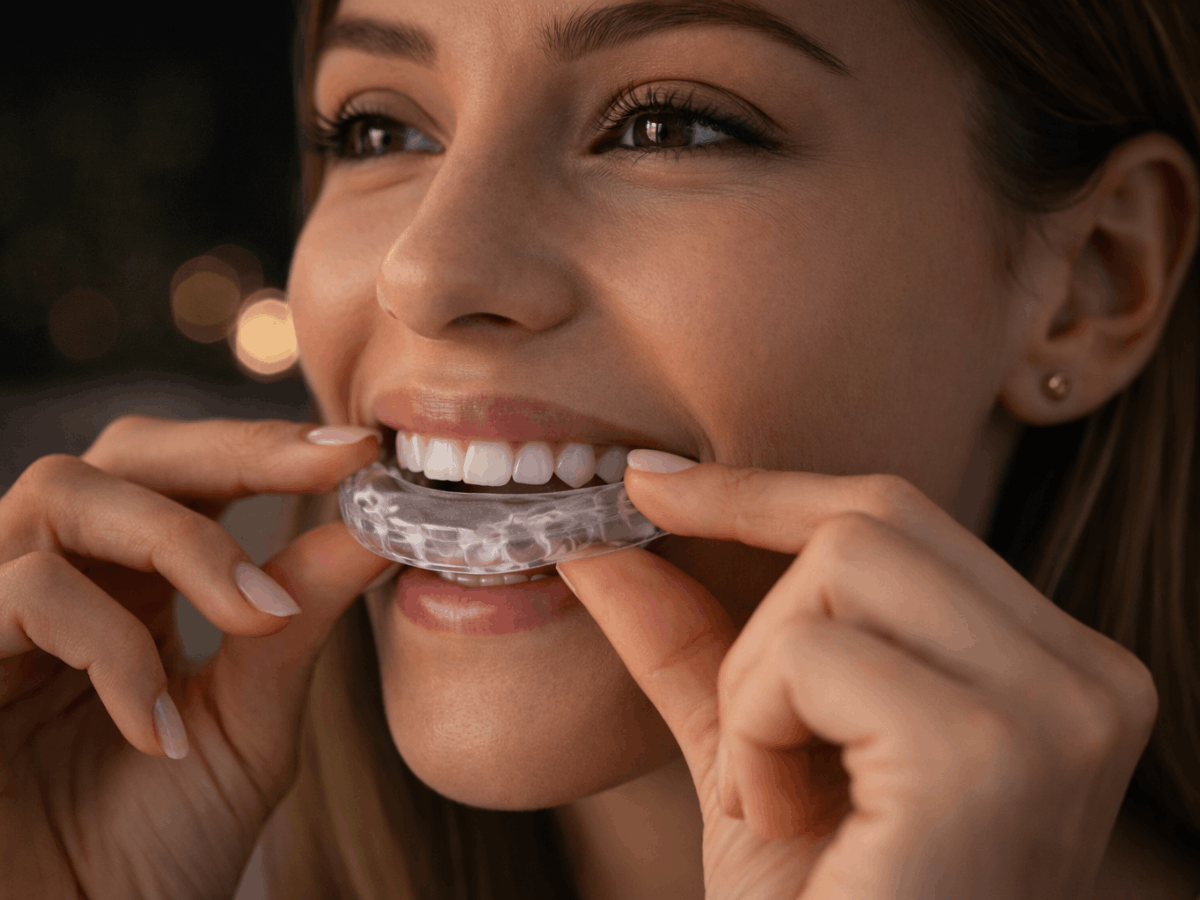
According to the American Dental Association, occlusal appliances like dental night guards are a well-supported first-line approach for managing bruxism and reducing TMJ-related discomfort. A dental night guard is a custom-fitted oral appliance worn during sleep. It sits between the upper and lower teeth, absorbing the force of grinding and reducing pressure on the temporomandibular joint overnight.
Custom-fitted matters here. Unlike over-the-counter options, which are generic, often bulky, and can worsen jaw alignment if they do not fit correctly, a dentist-made guard is calibrated to your bite, your jaw position, and your specific grinding pattern.
Best suited for: Patients whose TMJ symptoms are primarily driven by bruxism. If you wake up with jaw soreness, temple headaches, or your dentist has noted enamel wear, a night guard is typically the recommended first-line treatment. It is non-invasive, reversible, and well-supported by evidence.
What patients should know: Relief is not immediate. Most patients notice a meaningful reduction in morning jaw soreness and headaches within two to four weeks of consistent use. The operative word is consistent. A night guard only works when you wear it.
What it does not fix: A night guard manages the consequences of grinding. It does not address the muscle tension driving it. For patients with significant masseter muscle hypertrophy or chronic clenching that persists through the day, a night guard alone may not be enough.
A night guard is not a compromise. For the right patient, it is the most effective, least invasive solution available and a cornerstone of preventative dentistry.
What Is Botox for TMJ and How Does It Work?
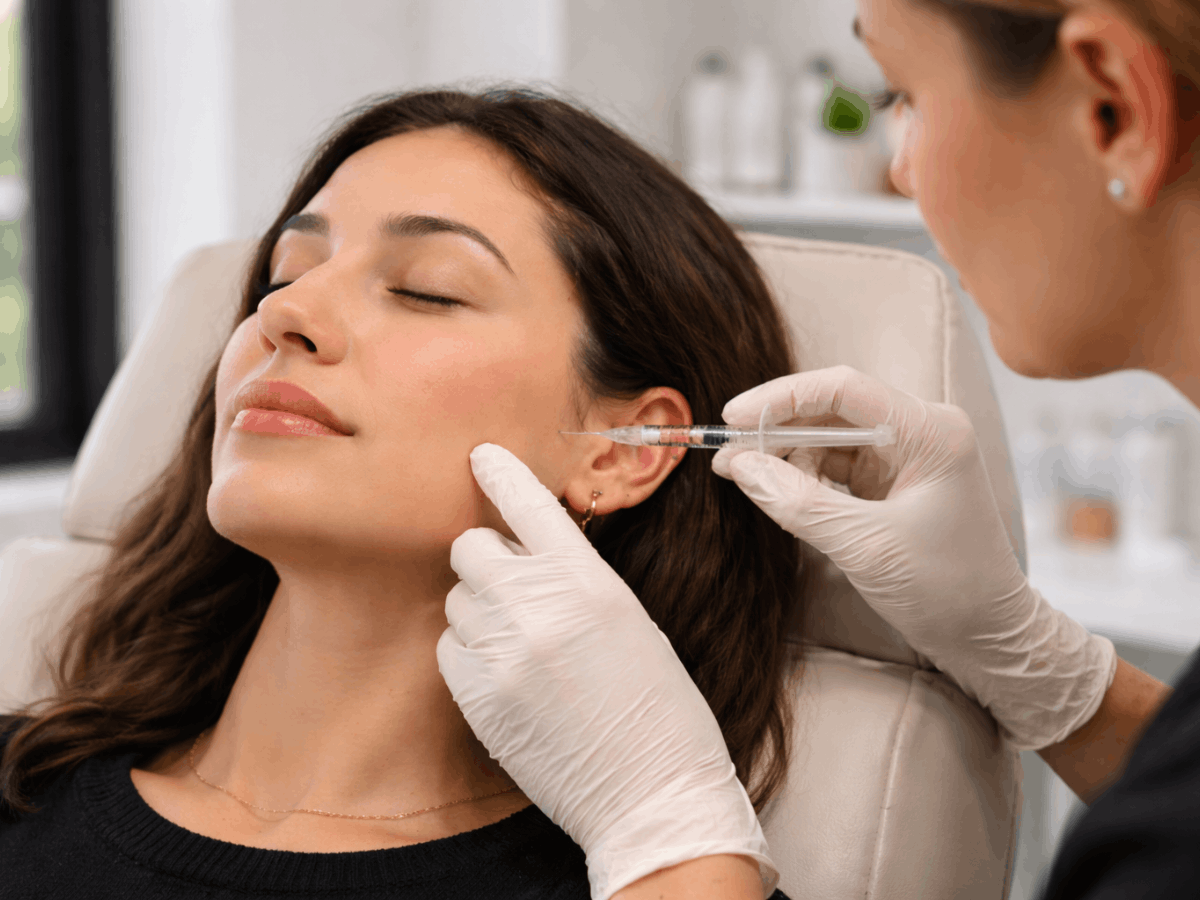
According to a clinical study published in PubMed, botulinum toxin injections into the jaw muscles show significant effectiveness in reducing TMJ-related pain and muscle overactivity. Botox for TMJ involves injecting botulinum toxin directly into the masseter muscle, the primary muscle responsible for chewing and clenching, and sometimes the temporalis muscle along the side of the head. The result is a controlled, temporary relaxation of those overactive muscles.
Unlike a night guard, which works passively during sleep, Botox addresses the muscular source of the problem directly. Less muscle force means less pressure on the joint, less grinding intensity, and for many patients, significant relief from the chronic tension that a night guard alone could not fully resolve.
Best suited for: Patients with significant masseter muscle overactivity, visible jaw muscle bulk, or chronic clenching that persists through the day and not just during sleep. It is also well-suited for patients who have tried a night guard consistently and found it did not fully resolve their symptoms. If your TMJ is driven more by muscle tension than by structural joint issues, Botox is worth a serious conversation with your dentist.
What patients should know: Results are not immediate. Most patients notice the muscle relaxing within three to seven days, with full effect at around two weeks. Relief typically lasts three to six months, after which repeat treatment is needed to maintain results. It is also worth knowing that Botox for TMJ is currently used off-label, meaning it is not FDA-approved specifically for this purpose, but it is well-supported by clinical evidence and widely used in dental practice.
What it does not fix: Botox relaxes the muscles around the joint. It does not correct structural issues within the joint itself, address bite misalignment, or replace the protective function a night guard provides for your teeth and enamel. It is a muscular solution, not a structural one.
Botox for TMJ is not a trend. For the right patient, it is a clinically supported treatment that addresses the root cause of muscle-driven jaw pain in a way a night guard simply cannot.
Botox for TMJ vs. Dental Night Guards: A Direct Comparison
Both treatments are legitimate. Both are backed by evidence. But they work differently, suit different patients, and come with different commitments. Here is a clean side-by-side to help you understand which might be the better fit for your situation.
| Night guard First-line | Botox for TMJ Second-line | |
|---|---|---|
| How it works | Physical barrier absorbing grinding force and reducing joint pressure overnight | Relaxes overactive jaw muscles by temporarily blocking nerve signals at the source |
| Result duration | Ongoing protection with consistent nightly use | 3 to 6 months per treatment, repeat sessions required |
| Invasiveness | Non-invasive, no needles, no downtime | Minimally invasive, quick in-office injections, no downtime |
| Cost | One-time cost, replacement every few years | Recurring cost every 3 to 6 months |
| Maintenance | Daily cleaning, nightly wear required | No daily maintenance, follow-up every few months |
| FDA status | Standard dental appliance | Off-label, well-supported by clinical evidence |
| Best suited for | Mild to moderate bruxism, enamel protection, first-time TMJ patients | Chronic clenching, muscle hypertrophy, patients where night guard was insufficient |
Neither treatment is superior across the board. The most effective choice is the one matched to the specific cause of your symptoms, and for some patients that means a night guard, for others it means Botox, and for many it means both. A proper TMD treatment plan always starts with a clinical evaluation.
Can You Use Botox and a Night Guard Together?
Yes, and in many cases, combining both treatments is the best treatment approach available. Guards vs injections is not always an either-or decision. They work on different aspects of the same problem:
- A night guard protects your teeth and joints from the physical force of grinding and helps reduce grinding damage overnight
- Botox therapy delivers muscle relaxation at the source, reducing the muscle activity driving that force in the first place
- They take a holistic approach, addressing both the symptom and the source
- Patients experience more comprehensive jaw relief, better sleep, and longer-lasting results than either treatment delivers alone
Your dentist will recommend combination therapy when:
- A single treatment has not fully resolved symptoms
- Muscle hypertrophy is significant and enamel protection is a priority
- Both muscular and structural aspects of TMJ need to be addressed simultaneously
It is not doubling up unnecessarily. It is treating two different aspects of the same condition with the right tool for each. If you are considering Botox as part of your plan, understanding how long it takes for Botox to work helps set realistic expectations from the start. Note that while night guards may be partially covered by dental plans, coverage for Botox therapy varies, so checking with your provider beforehand is always worthwhile.
Worth knowing
Chronic grinding exerts up to 250 pounds of force per square inch on your teeth. Over time that level of pressure does not just cause jaw pain, it fractures enamel, displaces the joint disc, and creates a cycle of damage that becomes increasingly difficult and costly to reverse. A night guard or Botox treatment started early costs a fraction of what untreated TMJ eventually demands.
What Happens If TMJ Goes Untreated?
TMJ disorders do not typically resolve on their own. Without treatment, the underlying causes continue to compound. Here is what that looks like over time.
- Enamel wear and tooth damage: Chronic grinding flattens cusps, thins enamel, and creates stress fractures that compromise bite alignment and dental health. Tooth wear from untreated temporomandibular disorders is progressive and can eventually require crowns, veneers, or more extensive dental care to correct. The good news is that catching damage early makes treatment significantly more straightforward.
- Worsening joint damage: The TMJ has a small disc that cushions movement between the bones. Chronic muscle activity and jaw tension can displace that disc, leading to TMJ pain, pain clicking, reduced range of motion, and in advanced cases, degenerative joint changes that are significantly harder to treat.
- Chronic headaches and neck pain: Persistent facial tension does not stay local. The jaw muscles connect to the neck, shoulders, and base of the skull. Many patients dealing with untreated TMJ develop chronic headaches and neck stiffness they never connect back to their jaw, affecting sleep and daily oral health.
- Escalating treatment costs: Treating TMD early with therapeutic injections or custom night guards delivers lasting relief at a fraction of the cost of waiting. The same problem left untreated may eventually require combination therapy, orthodontic correction, or specialist referral. The cost of waiting almost always exceeds the cost of acting early.
TMJ is not a condition to monitor and hope improves. The earlier it is addressed, the simpler and more effective the solution tends to be.
How to Know Which Treatment Is Right for You
Botox for TMJ and dental night guards are not competing treatments. They are different tools designed for different aspects of the same problem. A night guard protects your teeth and manages the consequences of grinding. Botox addresses the muscular source driving it. For some patients, one is enough. For others, the most effective solution is working together.
What they have in common is this: neither works as well without a proper diagnosis behind it. The right treatment is not the one trending online or the one that worked for someone else. It is the one matched to what is actually happening in your jaw.
If you have been living with jaw pain, grinding, or tension headaches and have not had it properly evaluated, that is the next step. Not a night guard from the drugstore. Not Botox based on a social media recommendation. A proper clinical assessment that gives you a clear picture of what is driving your symptoms and what will actually resolve them.
At Enhanced Wellness, our team is committed to getting that diagnosis right. Contact our Washington, PA office at (724) 558-8222 or use our contact form to schedule a visit and get a treatment plan built around your specific needs.
Frequently Asked Questions
What is the difference between TMJ and bruxism?
TMJ disorder covers any dysfunction affecting the jaw joint and surrounding muscles. Bruxism is the habit of grinding or clenching the teeth, often during sleep, and is one of the most common causes of TMJ dysfunction. The two are closely related but not the same. Not every TMJ patient grinds and not every bruxism patient develops TMJ problems.
Is Botox for TMJ painful?
Most patients feel little more than a mild pinch. Botox injections into the masseter and temporalis muscles take less than 15 minutes, require no anesthesia, and involve no downtime. Any soreness typically resolves within 24 to 48 hours, making it one of the more straightforward TMJ treatment options available for jaw pain relief.
How long does a dental night guard last?
Custom night guards, sometimes called occlusal splints, typically last three to five years with proper care. They work by reducing tension, preventing grinding, and protecting teeth from muscle overuse overnight for long-term relief.
Can TMJ go away on its own?
Mild cases occasionally improve with stress reduction, avoiding hard foods, and reducing jaw clenching. For most patients, though, common symptoms like jaw pain, popping sounds, and morning soreness do not resolve without intervention from a dental professional. Waiting typically allows the condition to affect daily life more significantly over time.
How do I know if I grind my teeth at night?
Common signs include waking up with jaw soreness, morning headaches, or tooth sensitivity. Your dentist can also identify wear patterns on your enamel during a routine exam that confirm bruxism, even if you have never noticed symptoms yourself.

Dr. Elizabeth Wakim, DDS, is the founder of Enhanced Wellness. She’s a compassionate and highly-regarded dentist with her own practice in Washington, Pennsylvania, known for providing modern, comprehensive dental care, botox and facial aesthetics with a focus on patient comfort and anxiety reduction, serving general, cosmetic, and pediatric dentistry needs.