A headache that keeps coming back can feel frustrating, especially when pain relievers barely touch it. You check your sleep, cut back on screen time, drink more water and still, the pressure lingers. What most people do not realize is that the problem may not be in their head at all.
So, can a cavity cause headache pain? It can. In this article, we break down how cavities can trigger headaches, the signs your pain might be dental related, and when it is time to stop guessing and see a dentist.
At Elizabeth L. Wakim DDS, we take a comprehensive approach to dental concerns that go beyond your smile. If persistent headaches may be linked to an underlying dental issue, our team focuses on identifying the root cause through thorough exams and modern diagnostic tools. By addressing oral health problems early, we help patients find real relief instead of temporary fixes.
Yes. Here Is How a Cavity Can Cause Headache Pain
A cavity does not suddenly appear overnight. It develops gradually, and as it progresses, it can trigger pain that shows up far beyond the tooth itself. In fact, about 91 percent of U.S. adults aged 20 to 64 experience tooth decay at some point, and nearly a quarter have untreated cavities, making it a common but often overlooked source of discomfort.
Here is how that happens:
Tooth Decay Breaks Through Protective Enamel
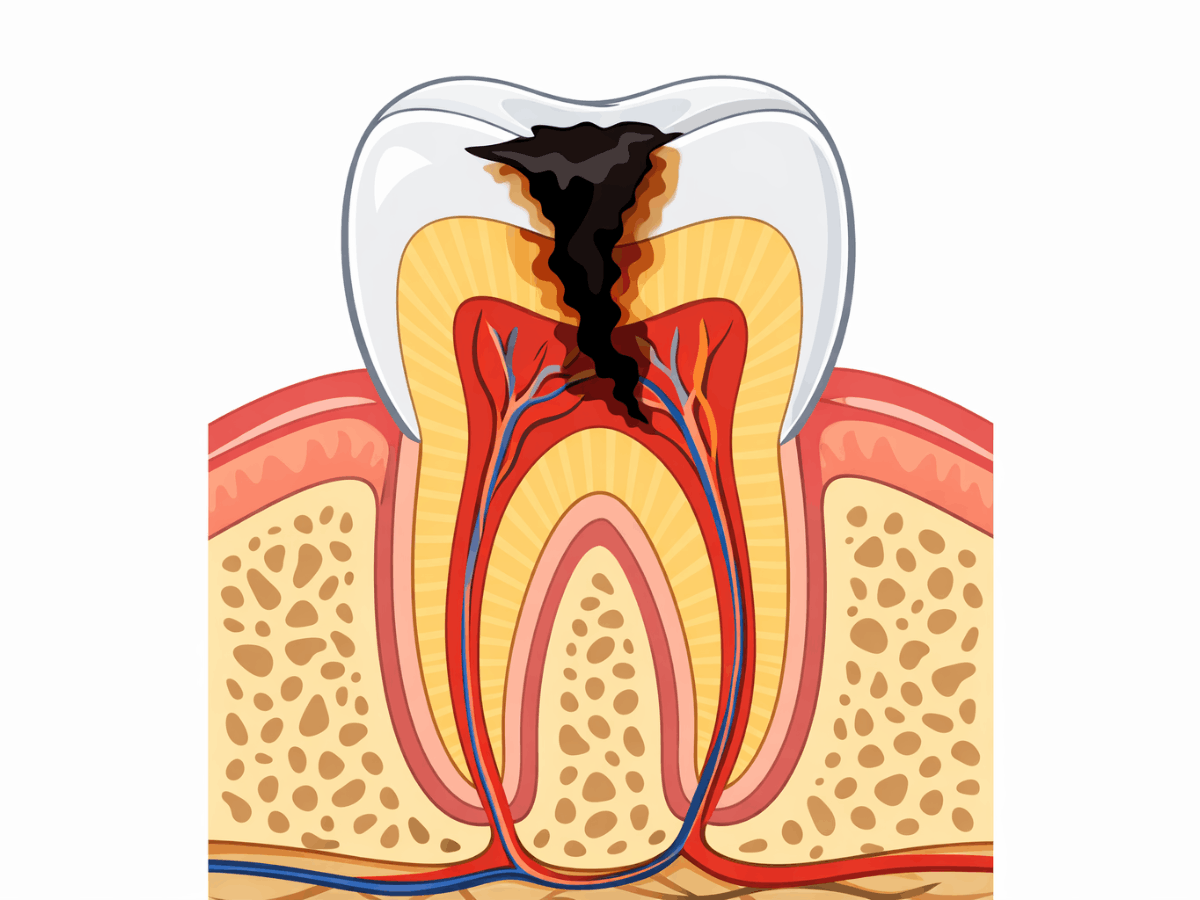
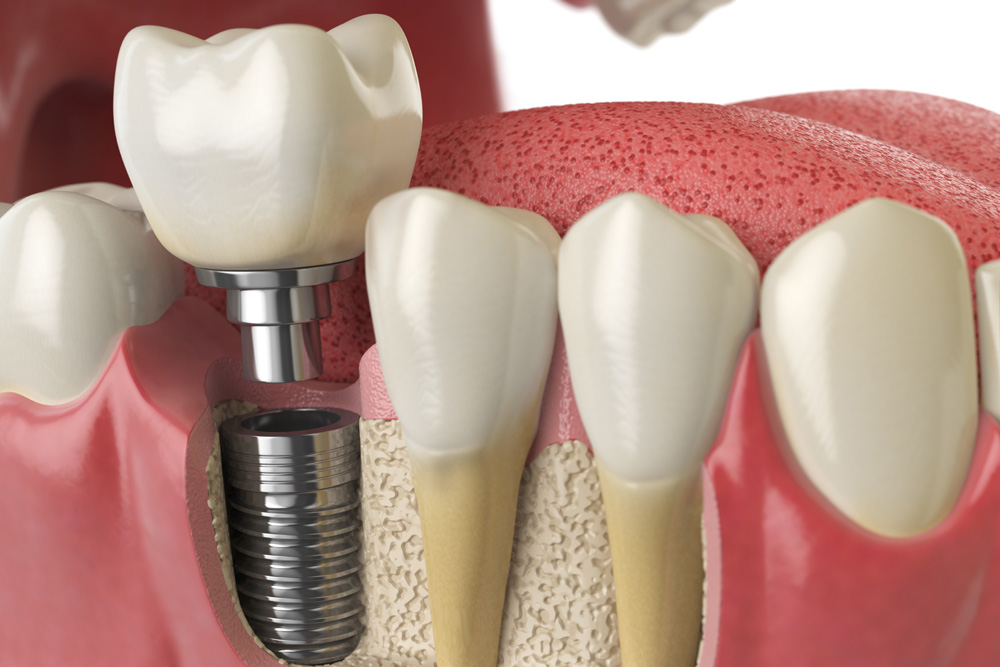
Cavities begin when bacteria produce acid that weakens tooth enamel. Once decay reaches the softer dentin layer beneath, the tooth becomes more sensitive and reactive to pressure, temperature, and chewing.
Decay Reaches the Inner Nerve and Sends Pain Along Shared Pathways
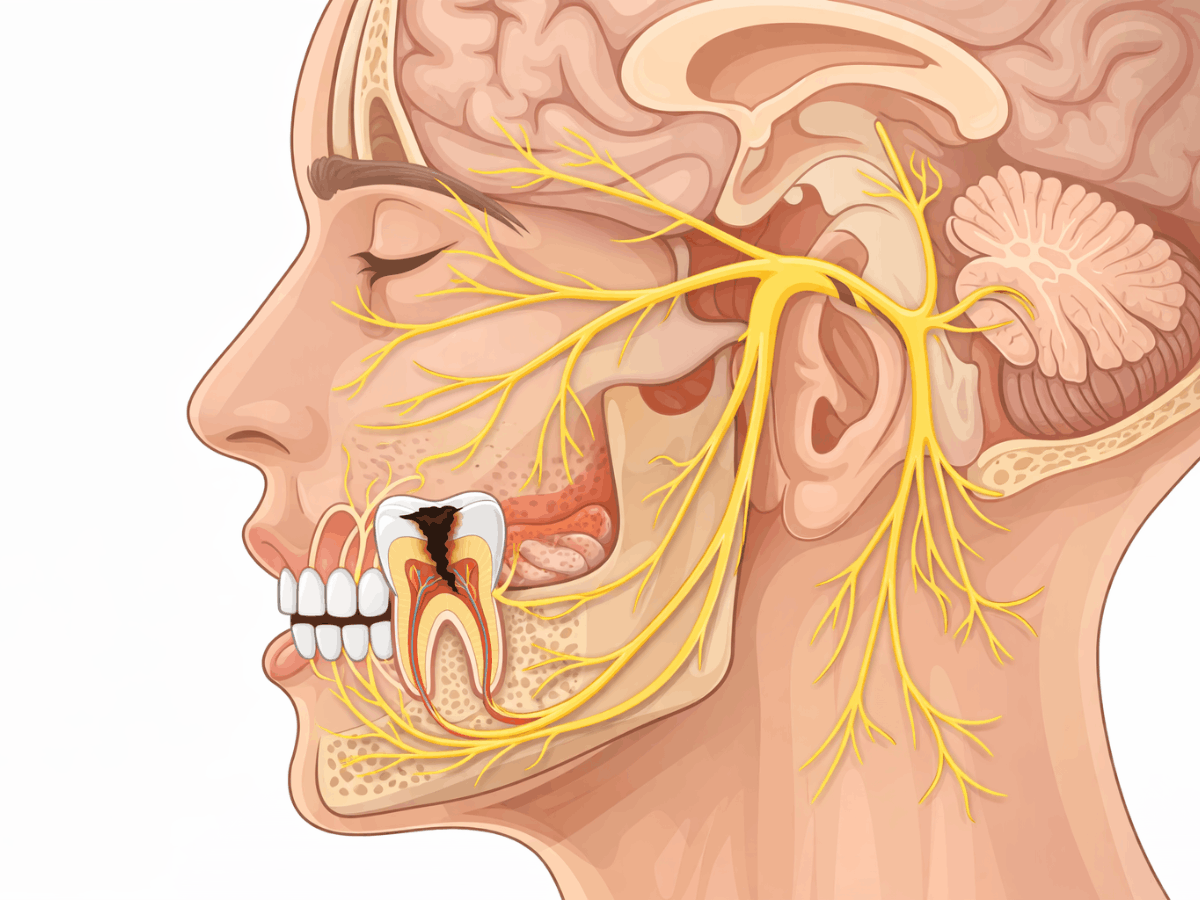
When a cavity progresses into the pulp, where nerves and blood vessels are located, pain signals intensify. These signals can travel through shared sensory pathways, including the trigeminal nerve, which connects the teeth, jaw, temples, and parts of the head.
Pain Is Referred Instead of Localized
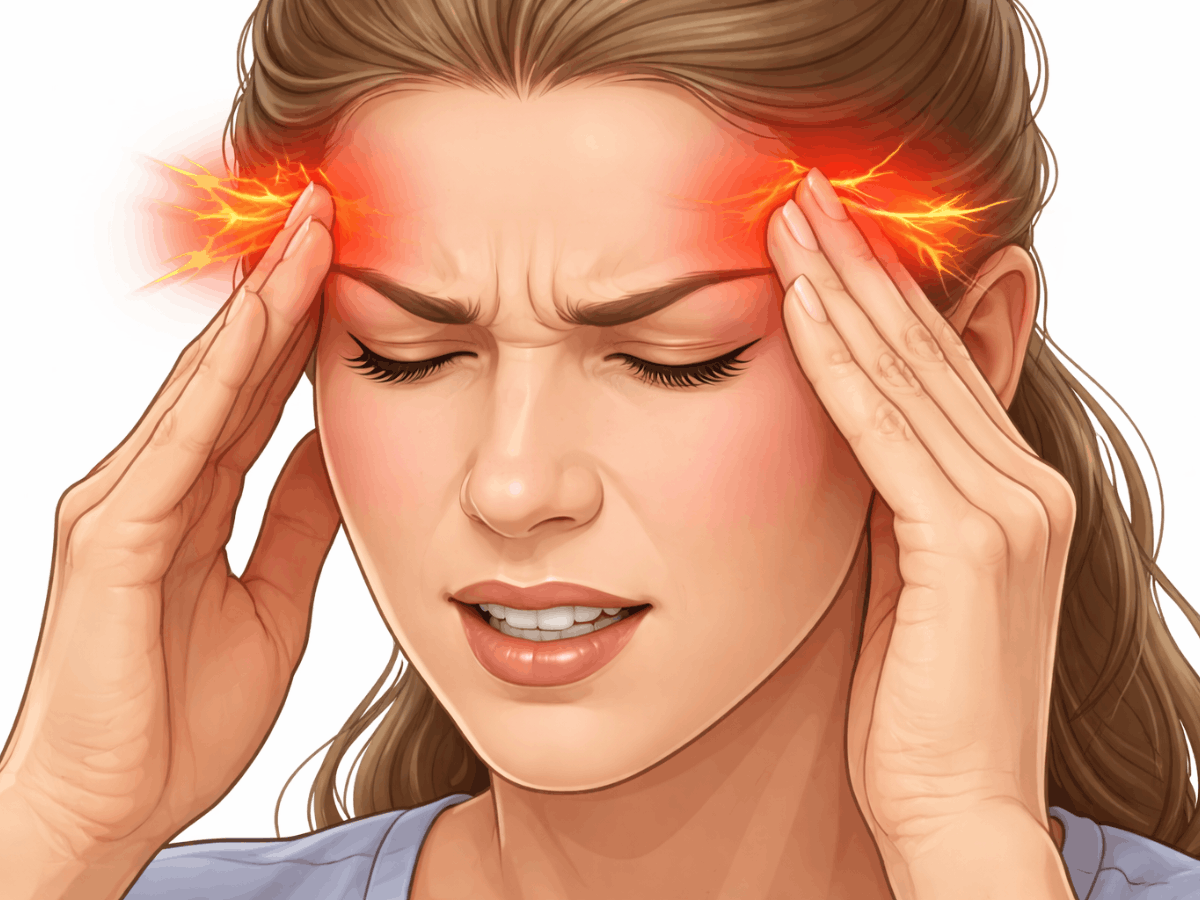
Instead of a sharp toothache, discomfort may appear as pressure in the temples, behind the eyes, or along one side of the head. This referred pain makes the source harder to identify.
The Brain Misinterprets the Source of Pain

Because multiple facial areas rely on the same nerve network, the brain can misread dental nerve irritation as a headache, sinus pressure, or jaw tension.
This overlap explains why a cavity can quietly cause headache pain and why addressing the underlying tooth issue often resolves head pain that once felt unrelated. Regular preventative dental care can help catch cavities early, reducing the risk of nerve irritation and referred headaches before they become persistent.
Signs Your Headache Might Actually Be Dental Pain
Headaches affect millions of people and are the leading cause of missed work and school days. Not all headaches start in your head. When dental issues are involved, the discomfort often comes with subtle clues that are easy to overlook. Paying attention to these patterns can help you connect the dots sooner.
- Pain gets worse when chewing or biting down: If your headache flares up while eating, especially on one side, a decayed or inflamed tooth may be involved.
- Sensitivity to hot, cold, or sweet foods: Sharp or lingering sensitivity can signal that decay has reached deeper layers of the tooth, irritating nearby nerves.
- Jaw tension or soreness: Dental pain often causes people to clench or shift their bite without realizing it, leading to jaw discomfort that feeds into head pain.
- Pain that radiates toward the temples or ears: Headaches linked to dental issues frequently spread along the sides of the head, near the temples or ears, rather than staying centered.
When these symptoms show up together, it often points to dental irritation driving the pain, even if your teeth do not hurt in an obvious or constant way.
When a Cavity-Related Headache Becomes a Medical Concern
About 50 percent of people have experienced cavities in either their primary or permanent teeth. Most cavity-related headaches start as discomfort that comes and goes. However, dental pain can sometimes signal an infection or inflammation that should not be ignored. Certain symptoms mean it is time to seek care sooner rather than later.
Red Flags That Require Urgent Attention
- Fever: A fever accompanying dental or head pain may signal that an infection is spreading beyond the tooth, potentially forming a dental abscess that requires immediate care.
- Swelling in the face, jaw, or gums: Visible swelling can indicate an infected tooth or abscess. Left untreated, this can lead to significant pain, pressure on nerve endings, and even alignment issues in the jaw.
- Pain that worsens at night: Headaches or tooth pain that intensify while lying down often point to inflammation or infection pressing on surrounding tissues. This can exacerbate tension headaches, jaw pain, and discomfort in nearby areas.
- A headache that does not respond to regular pain relief: If over-the-counter medication fails to relieve discomfort, the cause may be structural, such as advanced tooth decay, tooth grinding, or bruxism, rather than stress or muscular tension.
Why Waiting It Out Is Not a Good Idea
Dental infections do not resolve on their own. As pressure and inflammation increase, pain can spread, treatment can become more complex, and the risk of complications rises. Addressing the issue early often means simpler care, faster relief, and avoiding more invasive procedures later. Untreated dental problems can also affect the jaw and surrounding muscles, sometimes contributing to TMJ disorders and associated orofacial pain.
Prevention That Actually Works
Preventing cavity-related headaches is about reducing irritation before it reaches the nerves. A few targeted habits can lower both cavity risk and head pain. In many cases, early decay can be addressed before it progresses, and small changes can even help reverse a cavity with proper care, protecting your teeth and preventing referred headaches.
- Protect teeth early with consistent oral care: Stopping decay in its early stages, through regular cleanings and proper brushing, helps prevent inflammation from spreading to nearby areas, including the jaw muscles and nerve pathways that can lead to jaw pain, throbbing headaches, or referred pain in the neck and temples.
- Floss daily to reduce nerve irritation: Flossing removes plaque between teeth where cavities often start. This prevents bacterial buildup and inflammation that can irritate the nerves, contributing to persistent toothache, facial swelling, or referred pain in other areas.
- Stay hydrated to support natural tooth protection: Saliva helps neutralize acids and protect enamel. Proper hydration supports saliva flow, reducing the risk of cavities and sensitivity that can aggravate nearby nerves. Low hydration combined with grinding or strain on jaw muscles can intensify frequent headaches and even trigger migraines.
Avoid this if you already have pain: Excess caffeine or alcohol, which can dry the mouth and worsen discomfort.
These small, consistent habits help protect your teeth before irritation reaches the nerves, reducing the chance that a preventable cavity turns into ongoing head pain. Regular dental cleanings play a key role in this process, removing plaque and tartar buildup that can lead to decay and nerve irritation.
What Your Headache Might Be Telling You About Your Teeth
Headaches that keep coming back are not always caused by stress or lifestyle factors. When they appear alongside tooth sensitivity, jaw tension, or discomfort while chewing, your teeth may be part of the problem. Cavities can quietly irritate shared nerve pathways, triggering head pain that feels disconnected from your mouth.
Recognizing these patterns early can help prevent more serious dental issues and reduce the cycle of recurring pain. Addressing the underlying cause, rather than masking symptoms, often leads to more lasting relief. In cases where decay or infection has progressed, restorative dentistry offers targeted solutions to repair damaged teeth and restore function, helping patients regain comfort and protect long-term dental health.
Our team is committed to helping patients identify and treat dental issues that may be contributing to head and facial pain. If you are experiencing persistent headaches, tooth sensitivity, or jaw discomfort and want clear answers, we are here to help. Contact our Pennsylvania office at (724) 558-8222 or use our contact form to schedule a visit and receive care tailored to your oral health and comfort.

Dr. Elizabeth Wakim, DDS, is the founder of Enhanced Wellness. She’s a compassionate and highly-regarded dentist with her own practice in Washington, Pennsylvania, known for providing modern, comprehensive dental care, botox and facial aesthetics with a focus on patient comfort and anxiety reduction, serving general, cosmetic, and pediatric dentistry needs.