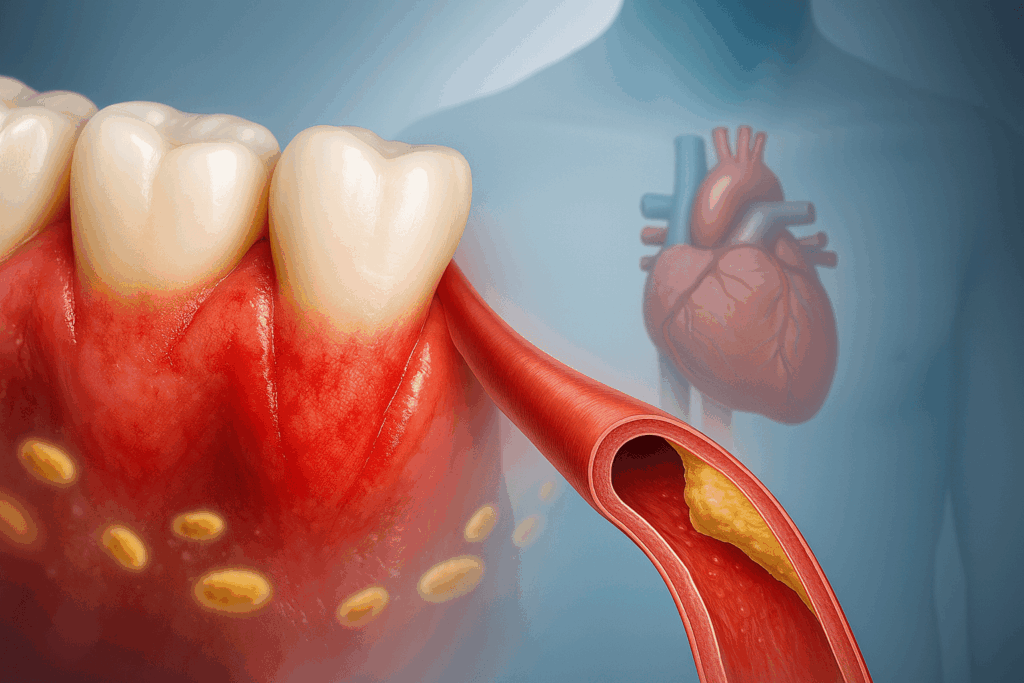
If you’ve ever noticed a sore gum and then felt a small, tender lump under your jaw, it’s easy to spiral. Is it stress? A cold coming on? Something serious? Here’s what most people do not realize, gum inflammation can trigger a whole-body response. That’s why can gingivitis cause swollen lymph nodes is not a random question. It’s one your body might be asking for you.
In this guide, we’ll break down why swollen lymph nodes can show up alongside gingivitis, what symptoms matter most, and when it’s time to stop guessing and get your gums checked.
At Elizabeth L. Wakim DDS, we take symptoms like gum swelling, tenderness, and lymph node changes seriously because they can signal more than a surface-level issue. Our team uses thorough exams and modern diagnostic tools to pinpoint the cause and recommend the right next step, whether that means improving your home care routine or addressing deeper inflammation early.
What Lymph Nodes Do and Why They Swell
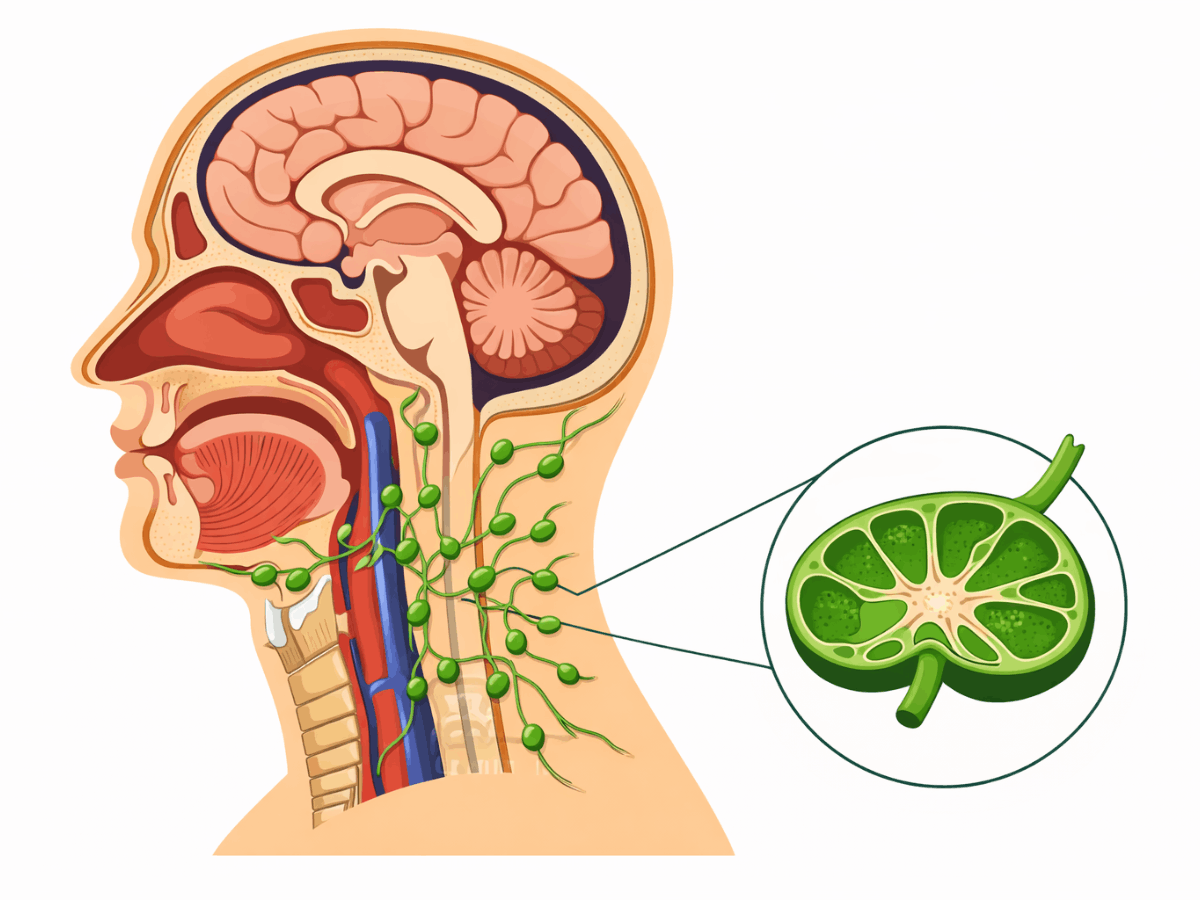
Lymph nodes are small, bean-shaped glands that act like filters for your immune system. They help your body trap bacteria, viruses, and other irritants so your immune system can respond before things spread.
When there is infection or inflammation nearby, lymph nodes can swell because they are actively working. That swelling is basically a sign your body is on alert, not always a sign that something is dangerous.
Where People Usually Notice Swollen Lymph Nodes
Most people feel swelling in areas like:
- Under the jaw
- Along the sides of the neck
- Behind the ears
These areas are close to the mouth and throat, which is why dental inflammation, sinus issues, and minor infections can all cause similar swelling.
Should You Worry If They Feel Swollen?
Swollen lymph nodes are not automatically a red flag. Many times, they are temporary and linked to something treatable. A small percentage, however, can be tied to more serious conditions, so if the swelling is painful, lasts more than a couple of weeks, or comes with other symptoms, it is worth getting assessed so you are not guessing.
Understanding Gingivitis and Why It Can Trigger Swollen Lymph Nodes

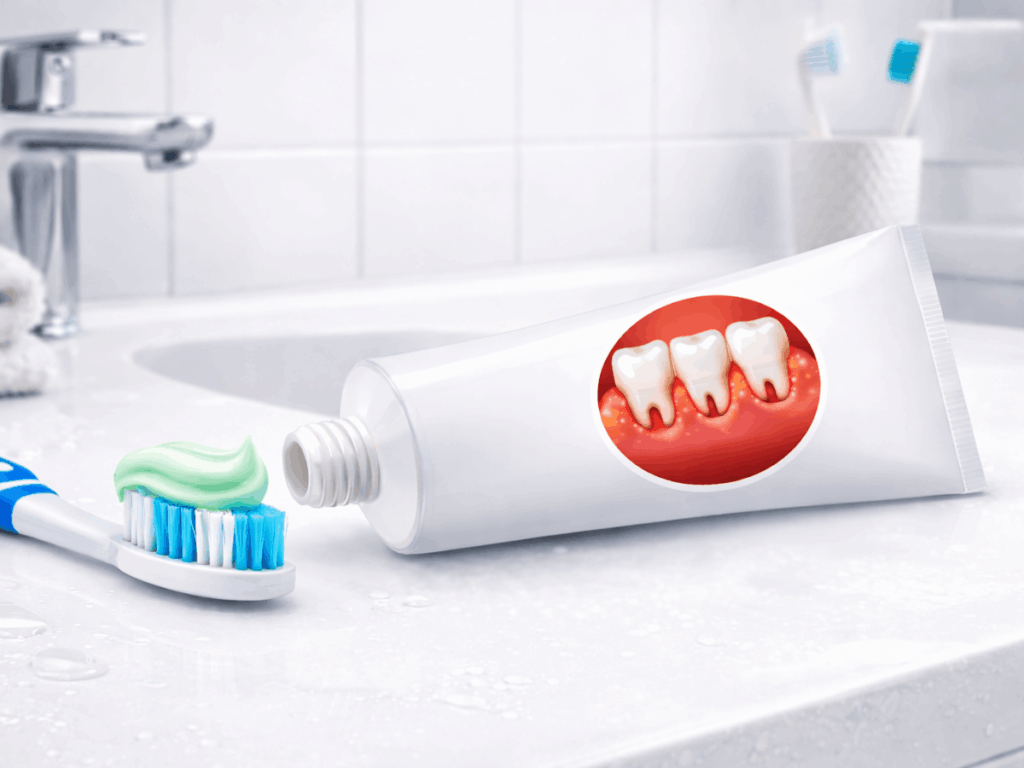
More than 42 percent of adults over 30 have some form of gum disease, which is why early signs like gingivitis are so easy to overlook. Gingivitis is the earliest stage of gum disease. It happens when plaque, a sticky film of bacteria, builds up along the gum line and irritates the tissue. The result is inflammation that can start small but worsen if it is ignored.
Common Signs of Gingivitis
Most people notice symptoms like:
- Bleeding when brushing or flossing: This is often the first sign that gum tissue is inflamed from plaque and harmful bacteria. It can happen even with gentle brushing, especially if poor oral hygiene has allowed bacteria to build up along the gumline.
- Red, swollen, or tender gums: Swollen gums are a common response to irritation in the oral cavity. If the swelling persists, it can be a warning sign that inflammation is moving toward early periodontal disease.
- Gum sensitivity or soreness: Gums may feel sore, raw, or irritated, especially near the gumline. Some people also notice mild pain when eating, drinking, or brushing, which can overlap with other dental conditions like tooth decay.
- Bad breath that does not go away: Persistent bad breath is often caused by bacteria trapped around the teeth and gums. When plaque sits too long, it can create an infected area under the gumline that brushing alone may not fully remove.
Gingivitis is common, and that is part of the problem. Many patients assume bleeding gums are “normal,” so they wait it out instead of treating it early, even though simple preventative dentistry steps can often stop irritation before it turns into a bigger issue.
Can Gingivitis Cause Swollen Lymph Nodes?
Yes, it can, especially when inflammation becomes more intense or when there is an underlying infection. Lymph nodes are part of your immune system, and they can swell when your body is responding to bacterial buildup near the gums.
That said, mild gingivitis does not always cause noticeable lymph node swelling. It is more likely to happen when gum inflammation is more advanced, bacteria spreads deeper along the gum line, or infection is starting to develop beyond surface-level irritation.
Signs Gingivitis Is Causing a Lymph Node Reaction
About 0.6 percent of people visit a primary care doctor each year for swollen lymph nodes, so this symptom is more common than it feels in the moment. Swollen lymph nodes can happen for plenty of reasons, but when gum inflammation is the trigger, the signs usually follow a specific pattern.
Here are a few clues that point to your gums, not just “something random,” as the source.
Tenderness or Swelling Under the Jaw or Neck After Brushing or Flossing
If the area under your jaw feels sore right after brushing or flossing, it may be because irritated gums are inflamed and your immune system is reacting to bacteria along the gumline.
Swollen Lymph Nodes Near Sore or Bleeding Gums
When your gums are bleeding, swollen, or painful and you also notice swelling in nearby lymph nodes, it can be a sign your body is responding to localized inflammation in the mouth.
Persistent Gum Pain Plus Feeling Run-Down
Gingivitis does not always cause obvious pain, but when it does and you feel unusually tired or “off,” it may be a sign the inflammation is more active than it looks.
Nodes That Feel Tender and Move Slightly When Pressed
Lymph nodes that are enlarged, tender, and slightly mobile are often reacting to inflammation or infection. It does not automatically mean something serious, but it does mean your body is responding to something and it is worth checking.
If these symptoms are showing up together, it is a strong sign your gums may be driving the swelling, and getting ahead of it early can help prevent the issue from progressing into something that may require periodontal disease treatment.
Treatment and Home Care for Gingivitis-Related Swelling
If swollen lymph nodes are tied to gum inflammation, the goal is simple: reduce the bacteria and irritation at the source. That usually takes a mix of professional care and consistent home habits.
Professional Care
Even the best brushing routine cannot remove hardened plaque below the gumline. A dental visit can help reset your gum health with:
- Professional dental cleaning to remove plaque and tartar buildup, lowering the risk of dental problems that can trigger swollen glands and worsen gum irritation.
- Targeted deep cleaning when inflammation is more advanced, helping reduce harmful bacteria below the gumline before it progresses into more serious dental issues.
- Personalized guidance on brushing, flossing, and daily oral health habits, plus product recommendations that support long-term dental health and help prevent symptoms from coming back.
Once the gums start healing, lymph node swelling often improves too, especially if the inflammation was the main trigger. In more advanced cases where gum disease has affected the supporting bone, treatment may also involve bone grafting to help restore a healthier foundation.
Home Care
At home, the focus is keeping bacteria from rebuilding along the gumline:
- Brush gently but thoroughly twice a day to remove plaque and limit harmful bacteria in the oral cavity, especially along the gumline.
- Floss daily, even if your gums bleed at first, since bleeding is often a sign of inflamed gum tissue and trapped buildup between teeth.
- Use an antibacterial mouthwash if recommended to help reduce bacteria entering irritated areas and support healthier gums during healing.
- Stay consistent for 1 to 2 weeks while monitoring symptoms, especially if swelling persists or swollen glands continue to flare up.
If swelling or tenderness continues despite good home care, it is a sign you may need professional treatment rather than trying to push through it on your own, especially if the discomfort is spreading into the jaw or face and you are unsure what to do when your face hurts.
When Gum Inflammation Becomes a Bigger Signal
Yes, gingivitis can cause swollen lymph nodes, especially when gum inflammation is more active or starting to move beyond mild irritation. Since inflammation in the mouth can sometimes show up in unexpected ways, including how gingivitis affects your skin, the good news is that this is often treatable once the bacterial buildup along the gumline is addressed early.
If you are dealing with swollen or tender gums, bleeding when brushing, or lymph node swelling that keeps coming back, our team is here to help. Contact our Pennsylvania office at (724) 558-8222 or use our contact form to schedule a visit and get personalized care focused on restoring your gum health and comfort.