The start of a cavity is no joke–they can be painful, or frustrating if you’re someone who has been working so hard to maintain your oral health. Doing what you can to protect your teeth–including using the proper toothpaste, bruising techniques, and even flossing can feel like it’s enough, but what if it isn’t?
So you’ve nailed brushing your teeth twice a day and flossing, but is there a step that you’re missing? Another step in your daily oral routine that may be what is needed to keep your mouth extra clean and healthy is using mouthwash. Mouthwash can freshen your breath and help prevent certain oral diseases, but knowing if it can also help prevent cavities is important too.
Let’s talk more about your oral health, including mouthwash and see if it can be your remedy to reversing early onset cavities!
What is a Cavity and How to Prevent Them
Cavities can be stubborn and common issues that we see when dealing with our oral health!
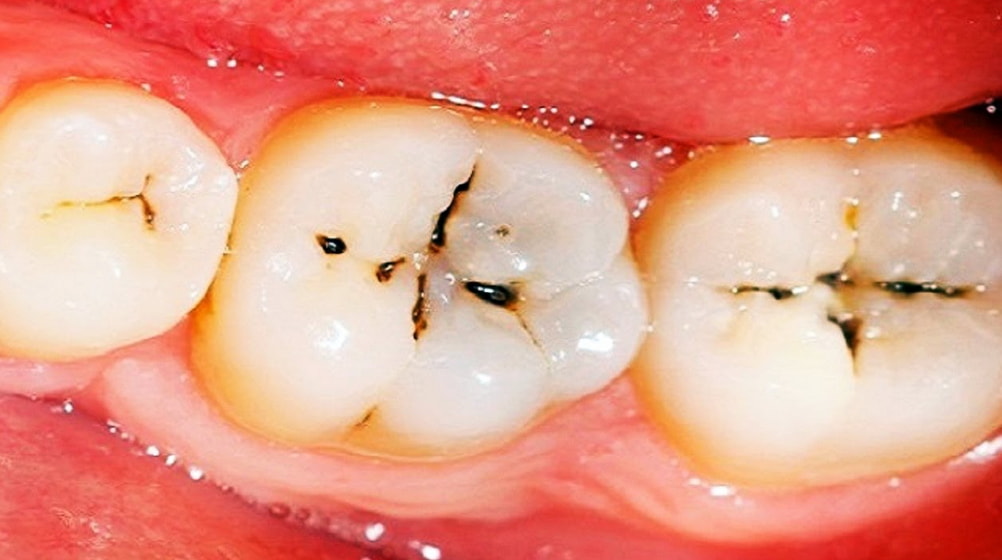
For many people, it can feel like getting a cavity is the end all be all of your oral health. There are tons of reasons why you can get cavities, even for someone who makes their oral health their first priority. While getting a cavity can be a nuisance, there are many reasons why people get them, but once spotted, it can be an easy dentist trip to get them fixed.
Cavities: How Do They Form and Why?
One of the most important things to do to maintain excellent oral health care is by having a strict routine that you follow to ensure their cleanliness and prevent cavities. By brushing twice a day, flossing, and even using mouthwash, it can help keep the enamel only your teeth strong, prevent tooth decay–which ultimately leads to cavities–plus keep the cost of your dental bills to a minimum.
Cavities form from excessive tooth decay and a breakdown of the outermost layer of your teeth, which is the enamel. By not having a daily oral care routine, you will start to see a higher increase in harmful bacteria in your mouth and more acid, causing both bad breath and erosion of the enamel. Food particles leftover in your mouth that are high in sugar and starch can stay on your teeth if there is a lack of brushing or flossing and can slowly start to cause them to decay.
How to Know if You Have a Cavity
There are many ways that you can suspect that you have a cavity, and it’s important to know what they are just in case you have to schedule an appointment to be seen. Taking care of a cavity is crucial so you can avoid any further breakdown and damage–plus to avoid having a root canal and crown, or a complete removal of the tooth.
Some of the most common symptoms of a cavity include the following:
- Tooth pain–especially when biting down on something hard
- Tooth sensitivity–especially to hot, cold, acidic, or sugary foods
- Dark spots on teeth
- Bad breath
- Holes forming in your teeth
- Chips or broken teeth
- Pus formation
Mouthwash and Why You Should Add it to Your Oral Health Routine
Many dentists recommend adding mouthwash to your daily oral regimen and there are tons of reasons why!
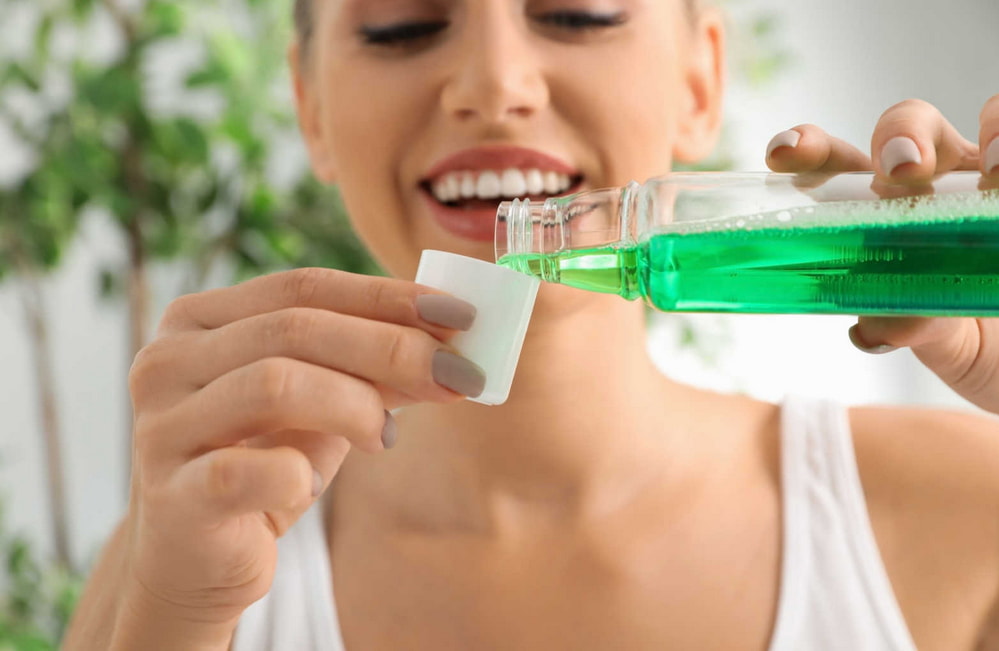
There’s nothing worse than fighting bad breath and being insecure when talking to people. For those who have chronic bad breath and think brushing your teeth just may not be enough, mouthwash can help freshen up any mouth and save the day! Mouthwash can be a crucial and fundamental step in any oral health routine with the many benefits that it poses on keeping a bright, happy, and fresh smile.
What is Mouthwash Made Out of?
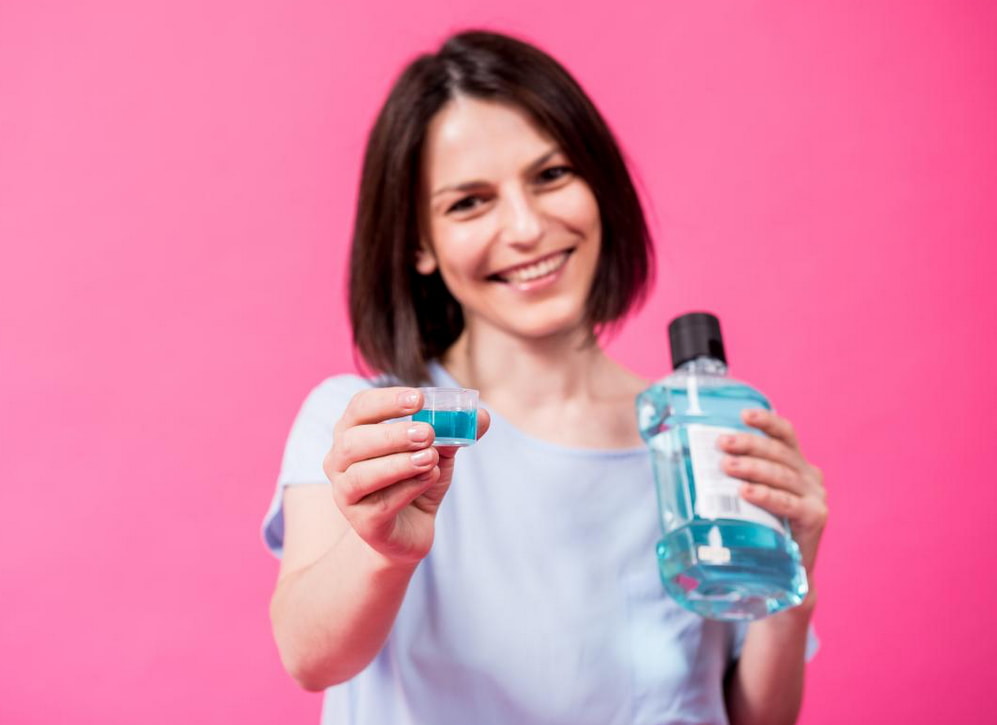
When deciding to add mouthwash into your everyday oral care routine, you may be wondering what the ingredients are and how a thirty second rinse freshens your breath. Mouthwash is made up of the following active ingredients:
- Antimicrobials–such as chlorhexidine and cetylpyridinium chloride
- Fluoroide–to help prevent cavities
- Antioxidents–such as hydrogen peroxide to keep a white smile
Mouthwashes also come in various colors and for different purposes as well. Depending on what you’re looking for in a mouthwash, it can help everything from whitening your teeth, freshening your breath, preventing plaque and gingivitis, and strengthening tooth enamel and preventing cavities. There are even natural options that are alcohol-free and won’t leave a burning sensation in your mouth as you’re using them.
What Are the Benefits of Using Mouthwash?
Many people incorporate mouthwash into their everyday oral care routine to not only prevent cavities, but for other healthy dental and cosmetic reasons too.
Some of the most common benefits to using mouthwash everyday include:
- Gets rid of bad breath
- Prevents cavities
- Reduces gingivitis, or early stages of gum disease
- Soothes mouth sores or ulcers
- Relieves dry mouth
- Reduces tooth sensitivity
- Whitens teeth
When Should You Use Mouthwash?
According to many dentists, it is recommended to use mouthwash at least twice a day–once in the morning and once at bedtime when performing your normal oral routine. Using mouthwash in the morning can help to get rid of food particles that you may have missed when brushing or flossing, and by using it at night, it can help to prevent less of a build-up of harmful bacteria that forms overnight when you’re sleeping that causes bad breath.
It is most common to use mouthwash thirty minutes after brushing–but why is this? Many people use mouthwash immediately after brushing their teeth, which is something that is not recommended by dentists due to how the fluoride affects your teeth after brushing. By using mouthwash thirty minutes after brushing, it can allow the fluoride to sit on your teeth and protect them, and the mouthwash afterwards can help prevent any harmful bacteria from forming along with plaque buildup.
Can Mouthwash Reverse Cavities? All of Your Questions Answered
Mouthwash can do a lot of behind-the-scenes work on your teeth, but knowing if it can reverse cavities is crucial!

Following a strict oral health routine is an essential way to prevent cavities and tooth decay, plus strengthen your enamel. By adding mouthwash into your routine, it can help prevent plaque build-up, bad breath, the start of gum disease, and even cavities, but can it reverse them?
Mouthwash Cannot Reverse Cavities and Here’s Why
Mouthwash can help improve your oral health for a number of reasons, and while it can help to prevent cavities, they cannot reverse ones that are already starting to form. Cavities are considered permanent damage to the tooth enamel that has to be fixed by a dentist using a composite filling to block out any further decay. Cavities can be painful, but getting one filled as soon as decay is spotted can help to prevent further damage, and large dental bills at that.
What Mouthwash can Reverse: Gingivitis
Everyone has heard of gingivitis and how it can cause bad breath, but where does it begin and what exactly does it do to your oral health? Gingivitis is the early stage of gum disease where it can cause inflammation due to plaque and bacteria build-up. Bacteria in your mouth that can grow when you’re sleeping or due to a lack of brushing your teeth can create toxins that irritate and inflame the gum tissue causing bad breath, gums that bleed easily, and also make them red and swollen.
Many people who have poor oral health are more prone to gingivitis, along with these other key factors that contribute to it:
- Bacterial imbalances
- Smoking
- Hormonal changes
- Improper fitting braces and dentures
- People that suffer from diabetes, HIV, and trench mouth
- Genetics
Mouthwash can help to kill the overproduction of bacteria in your mouth that brushing your teeth and flossing may not be able to do alone. The antibacterial elements in mouthwash, including chlorhexidine, cetylpyridinium chloride, and even essential oils can kill this bacteria and overall improve your gum health.
If your dentist is seeing a build-up of plaque and bacteria at your next visit, they may recommend an anti-septic mouthwash to help get rid of it, protect your gums, and keep your breath smelling fresh.
Mouthwash Can Help Reverse Gingivitis–But Talk to Your Dentist About Issues With Cavities
While mouthwash can’t reverse cavities, it can help in other areas of your oral health. Many people suffer from gingivitis due to a lack of mouthwash in their oral health regimen, and by simply using it twice a day, it can help flush it out for a brighter, fresher smile!
If you’re in the Washington, PA area and are struggling with cavities, tooth decay, or have a nagging pain in your mouth––consider contacting Elizabeth L. Wakim—exceptional smiles start here!

Dr. Elizabeth Wakim, DDS, is the founder of Enhanced Wellness. She’s a compassionate and highly-regarded dentist with her own practice in Washington, Pennsylvania, known for providing modern, comprehensive dental care, botox and facial aesthetics with a focus on patient comfort and anxiety reduction, serving general, cosmetic, and pediatric dentistry needs.