Remineralization has become one of the most searched dental topics online. Wellness content across every platform claims that the right diet, the right toothpaste, or a daily oil pulling routine can reverse cavities naturally. It is an appealing idea, and it is not entirely wrong.
That is exactly where the confusion starts.
Remineralization is real. It is clinically documented and genuinely powerful. But it only works at a very specific stage of cavity development, and most people who are trying to remineralize a cavity have already passed that stage without knowing it.
Understanding the difference is not just academic. It determines if you are supporting your teeth or quietly letting a small, fixable problem become a much bigger one.
At Enhanced Wellness, we believe patients make better decisions when they have accurate information. If you are wondering where your teeth actually stand, we are here to help you find out.
Did you know
Every time you eat or drink something acidic, your enamel enters an acid attack that lasts roughly 20 minutes. It is not total sugar intake that drives decay. It is how often that window opens. Six small snacks cause more demineralization than one large meal with the same sugar content.
What Is Remineralization and How Does It Work?
According to research published in PubMed, your teeth are in a constant state of flux. Every day, minerals are lost from tooth enamel through demineralization, driven by acid when harmful bacteria feed on sugar. And every day, those minerals can be replenished through remineralization, a natural process primarily driven by saliva.
Saliva delivers calcium and phosphate to the tooth surface, neutralizes acids, and creates the conditions under which weakened enamel can repair itself. Without adequate saliva, the entire process is compromised.
This back-and-forth happens dozens of times a day. When remineralization wins consistently, healthy teeth stay strong. When demineralization wins, tooth decay begins.
It is a dynamic, ongoing process rather than a one-time event, and that distinction is the foundation for everything that follows.
The Biology Behind Cavity Formation
According to the American Dental Association, tooth decay remains one of the most prevalent chronic diseases worldwide, yet most cavities are caught too late for remineralization to help. Not all cavities are the same, and that distinction is everything when it comes to remineralization.
Stage 1: Initial Demineralization (White Spot Lesion)
This is the earliest sign of decay, visible as a chalky white spot on the enamel surface. The enamel structure is still intact but subsurface mineral loss has begun. This is the only stage where remineralization can genuinely reverse the damage. No drilling required, no filling needed. The window is open, but it will not stay open indefinitely.
Stage 2: Enamel Cavity
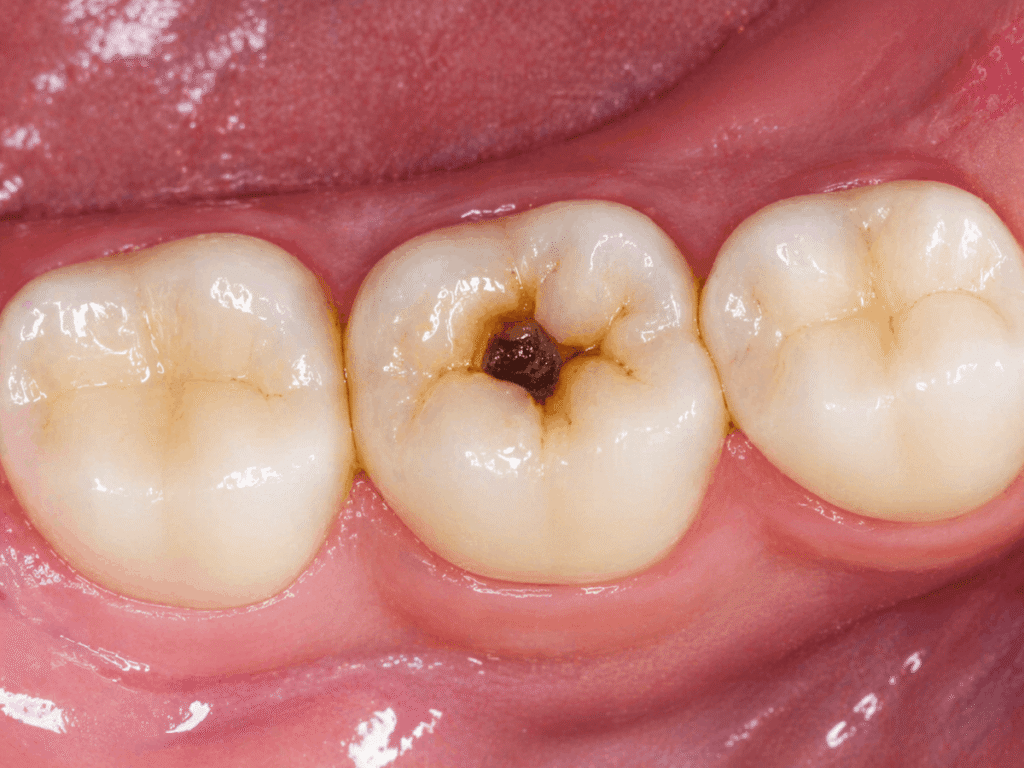
The enamel surface has broken down. A physical hole now exists in the tooth structure. Remineralization cannot rebuild structural loss. Once the surface collapses, the only fix is a filling.
Stage 3: Dentin Involvement
Decay has progressed past the enamel and into the dentin, the softer layer beneath. At this stage the cavity is advancing faster because dentin is less resistant to acid than enamel. Treatment is now urgent.
Stage 4: Pulp Involvement
Bacteria have reached the nerve. This is a root canal or extraction situation.
The reason this staging matters is simple. Most people who believe they are remineralizing a cavity are already at Stage 2 or beyond. They are applying remineralizing toothpaste, adjusting their diet, and hoping, while a structural problem that needs professional treatment continues to grow. Remineralization only works when enamel is still intact. Once that window closes, you have moved beyond preventive dentistry and into restoration.
So Can You Really Remineralize a Cavity?
Yes and no, and the distinction matters more than most sources will tell you.
When decay is caught early enough, before the enamel surface has broken down, remineralization is a legitimate, clinically supported treatment strategy. Mineral loss can be reversed. This is not wishful thinking. It is documented in clinical literature and practiced by dentists every day.
Once structural damage has occurred, the answer is no. The body cannot repair a physical hole in a tooth on its own, and no product or dietary change changes that biological reality.
The problem is that most people cannot tell where they stand. Early decay has no symptoms. No pain, no sensitivity, no visible hole. By the time something feels wrong, the window for remineralization has almost always already closed.
That is the truth most people get wrong. Remineralization works. It just does not work on the cavities most people think they have. What it does support is keeping early-stage enamel healthy between routine dental cleanings, where a professional can catch the difference before it becomes irreversible.
What Actually Supports Remineralization
According to a review published in the Journal of Dentistry, remineralization-based interventions have shown significant effectiveness in arresting and reversing early stage enamel lesions when the right agents are used consistently. If remineralization is the goal, these are the tools that have real clinical evidence behind them.
Fluoride
Fluoride is the most clinically proven remineralizing agent available. It incorporates into the enamel crystal structure to form fluorapatite, a compound more resistant to acid attack than the original enamel mineral. Sources include fluoride toothpaste, professional fluoride treatments, and fluoridated drinking water. The evidence base spans decades and is among the most robust in all of dentistry.
Hydroxyapatite
Hydroxyapatite is emerging as a credible fluoride alternative with a growing body of clinical evidence. It works by directly replenishing the mineral content of enamel rather than converting it. Several trials have shown remineralization results comparable to fluoride, making it a legitimate option particularly for those avoiding fluoride.
Diet and Saliva
Saliva quantity and quality directly affect remineralization capacity. Conditions that reduce saliva flow, including dry mouth, certain medications, and mouth breathing, compromise the body’s natural repair mechanism. A diet that reduces acid frequency rather than just total sugar intake creates a more remineralization-friendly environment. Dairy, leafy greens, and water all support the process.
Xylitol
Xylitol inhibits Streptococcus mutans, the primary cavity-causing bacteria, and supports a remineralization-friendly oral environment by reducing acid production. It is not a remineralizing agent itself but it creates conditions in which remineralization is more likely to succeed.
Remineralizing Agents Compared
Effectiveness, availability, and best use case at a glance
| Agent | Strength | Available | Best use case |
|---|---|---|---|
| Fluoride | High | OTC + prescriptionToothpaste, varnish, water | First-line remineralization. Professional varnish delivers 15x the concentration of standard toothpaste. |
| Hydroxyapatite | High | OTCToothpaste, serum | Strong fluoride alternative. Directly replenishes enamel mineral content. Best for those avoiding fluoride. |
| CPP-ACP | Moderate | PrescriptionMI Paste, mousse | Targets white spot lesions. Often used after orthodontic treatment where demineralization is common. |
| Xylitol | Supportive | OTCGum, mints, toothpaste | Reduces acid-producing bacteria, creating better conditions for remineralization. |
| Silver Diamine Fluoride | Clinical only | Dental office onlyApplied by dentist | Arrests active decay and remineralizes simultaneously. Particularly effective in children and high-risk patients. |
None of these work in isolation. The most effective remineralization protocol combines multiple approaches consistently over time, not one product applied occasionally.
By the numbers
Standard fluoride toothpaste contains up to 1,450 ppm fluoride. Professional fluoride varnish applied in a dental office delivers 22,600 ppm directly to the tooth surface. That is not a stronger version of the same thing. It is a different intervention entirely.
What Does Not Remineralize a Cavity
This is where the wellness industry and the clinical evidence part ways.
- Oil pulling: Genuine antimicrobial benefits but no clinical evidence for remineralization. No study in any international journal has demonstrated that swishing oil reverses tooth decay or helps remineralize teeth.
- Activated charcoal: No proven remineralization benefit, real abrasiveness concerns for enamel and gums, and counterproductive for anyone working toward optimal oral health.
- Eggshell calcium supplements: Not supported by clinical evidence. Remineralization requires naturally occurring minerals delivered directly to the tooth surface, not through the digestive system. Dairy products are a far better dietary source of calcium for dental health.
- Cutting sugar alone: Reducing sugar limits the bacteria that produce acids and helps with preventing cavities and bad breath. Genuinely valuable. But certain foods that reduce acid exposure slow demineralization, they do not reverse it. Prevention and reversal are not the same thing.
- Remineralizing toothpaste on an established cavity: Effective for small cavities caught early. Applied after enamel has structurally broken down, it cannot repair the damage. Dentists regularly see patients who have been using the right product in the wrong situation.
The pattern across all of these is the same. They may reduce further damage or support a healthy oral environment, but none of them can rebuild what decay has already destroyed. That is why a comprehensive dental exam is the only way to know which stage you are actually in.
What Your Dentist Can Do That You Cannot
Supporting remineralization at home is worthwhile. But there are things that only happen in a clinical setting, and they matter significantly for the outcome.
Professional Fluoride Treatments
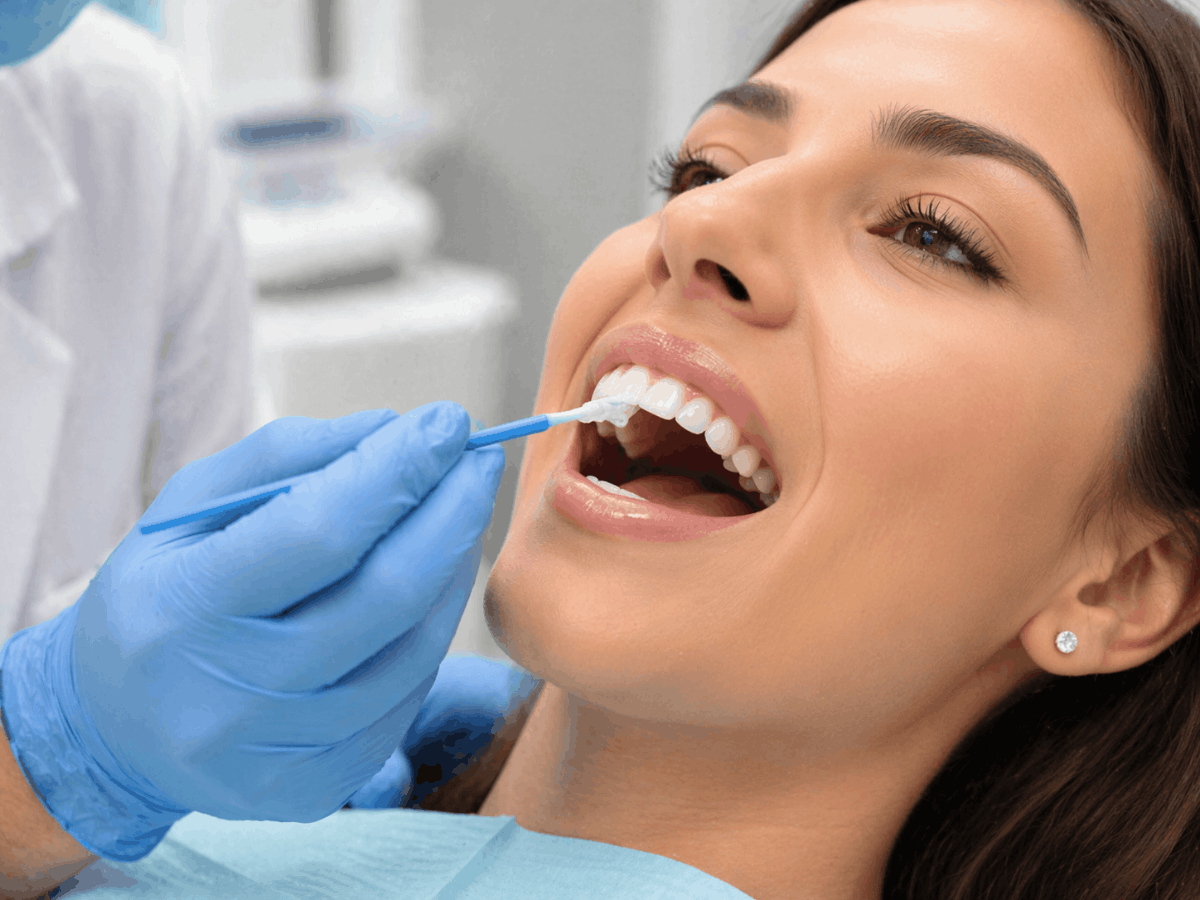
The concentration of fluoride available in a professional treatment is significantly higher than anything available over the counter. Applied directly to the tooth surface in a clinical setting, it delivers a remineralization boost that toothpaste simply cannot match.
Prescription Remineralizing Agents
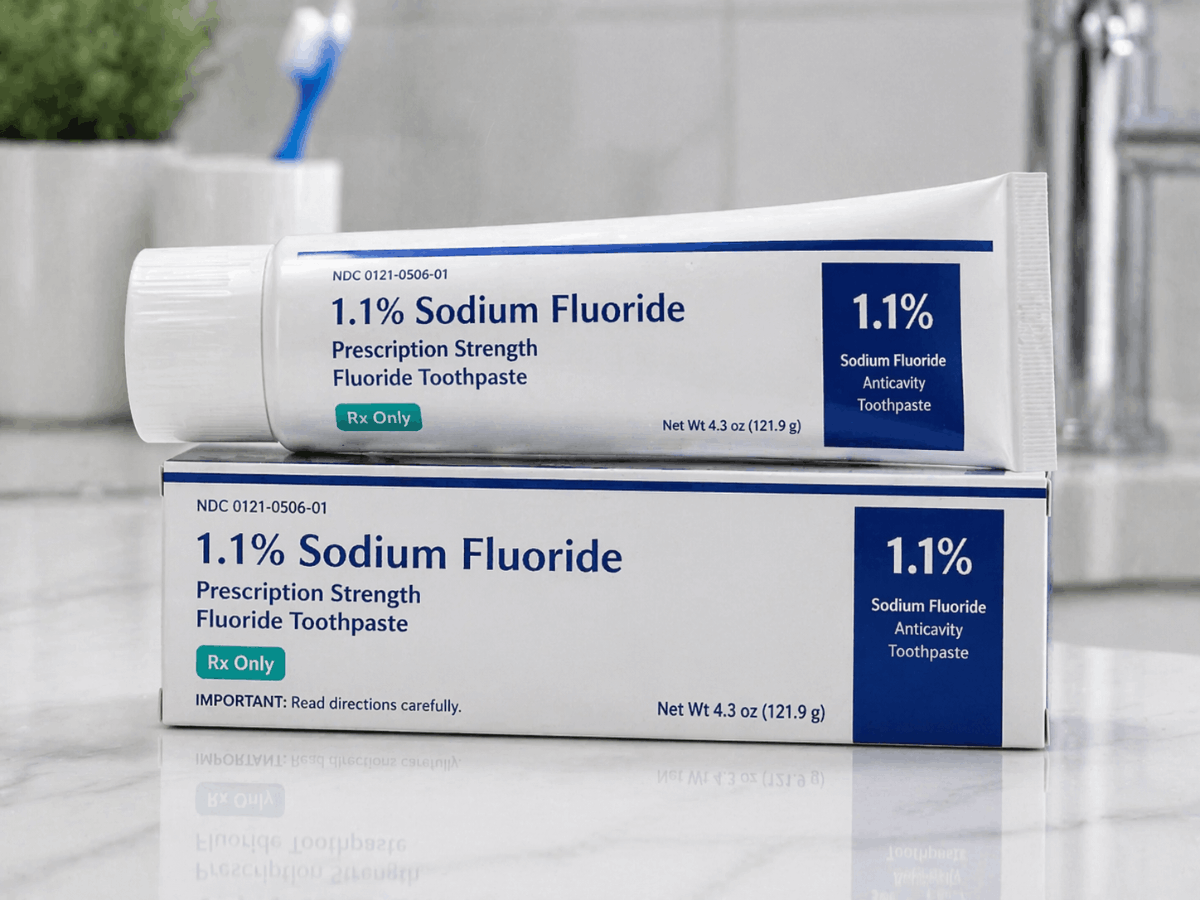
Products like prescription-strength fluoride toothpaste, silver diamine fluoride, and casein phosphopeptide-amorphous calcium phosphate (CPP-ACP) are only available through a dental professional. These are not upgrades on drugstore products. They are a different category of intervention entirely.
Digital X-Rays and Clinical Examination
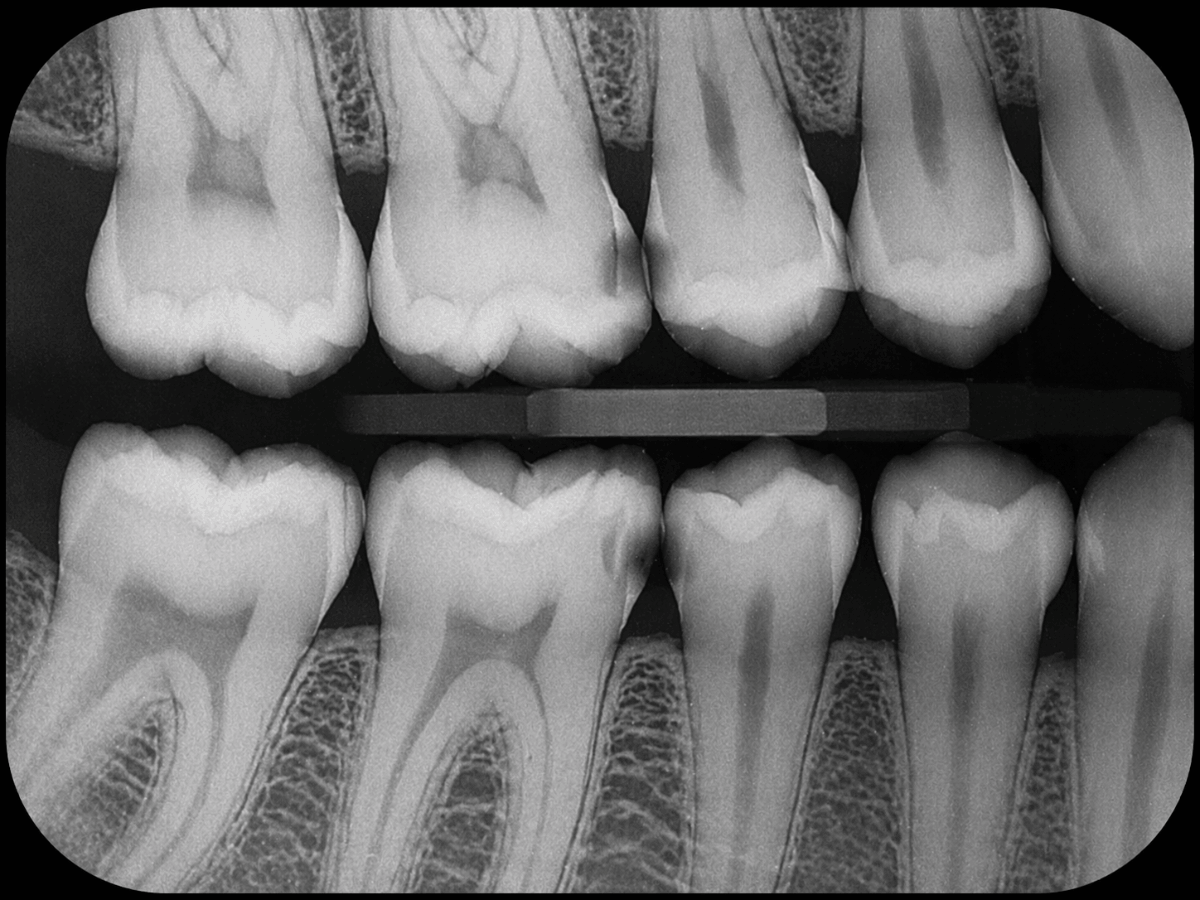
Early decay is invisible to the naked eye and has no symptoms. Digital X-rays reveal demineralization between teeth and beneath the enamel surface long before it becomes visible or painful. Without them, there is no reliable way to know whether remineralization is working.
Accurate Staging
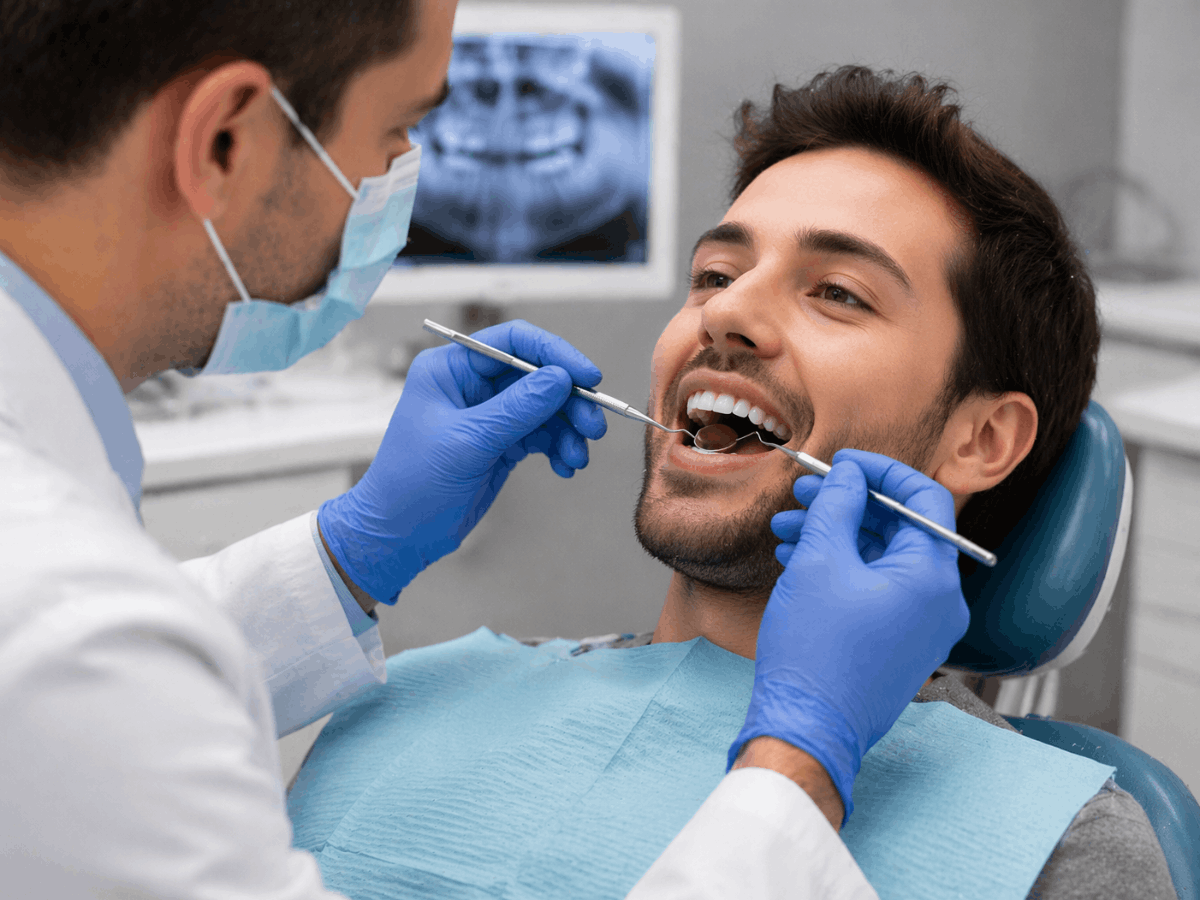
Self-diagnosis based on how your teeth feel is unreliable by definition. Early decay does not hurt. By the time it does, the window for remineralization has almost always already closed. A clinical examination gives you the accurate picture that home monitoring cannot.
The most effective remineralization strategy combines what you do at home with professional monitoring and treatment. Reversing a cavity depends on catching it early enough for that to still be possible. One without the other leaves significant gaps.
What This Means for Your Teeth
Remineralization is real, clinically documented, and worth taking seriously. The body’s ability to repair early enamel damage is one of the more remarkable things about human biology, and supporting that process through the right products, diet, and habits genuinely matters.
But it is not a substitute for professional care, and it is not a treatment for an established cavity. The window for remineralization is early and narrow. Most people who are actively trying to remineralize a cavity have already passed it without knowing.
At Enhanced Wellness, our team is committed to protecting your smile with honest, personalized care. If you have concerns about a cavity, early decay, or simply want to know where your teeth stand, we are here to help. Contact our Washington, PA office at (724) 558-8222 or use our contact form to schedule a visit and get guidance tailored to your specific needs.
Frequently Asked Questions About Remineralizing a Cavity
How do I know if remineralization is working?
The most reliable way is through professional monitoring. A dentist tracks enamel changes through visual examination and digital X-rays. At home, a white spot lesion becoming less visible is a good sign, but rinsing with the right mouthwash and consistent brushing and flossing give the process the best chance of working. Self-monitoring is not a substitute for clinical evaluation.
Can remineralization reverse a cavity completely?
At the early stages, yes. A white spot lesion that has not broken through the tooth enamel can be fully reversed with the right intervention. Reducing acidic foods, supporting saliva production, and using hydroxyapatite toothpaste all help with regaining minerals before structural damage sets in. Once lost minerals cannot be restored naturally, professional treatment is the only option.
What are the signs of a white spot lesion?
A chalky or opaque white spot on the tooth surface, most commonly near the gumline or between teeth. It is often easier to see when the tooth is dry. Most cavities at this stage of dental caries go unnoticed without regular dental check ups, which is exactly why consistent cleanings matter.
Is remineralizing toothpaste worth it?
Yes, with realistic expectations. Not all toothpastes are equal, and choosing the right one makes a difference. Hydroxyapatite toothpaste supports the natural process of cavity prevention and helps maintain enamel strength as part of good oral hygiene. Flossing removes food particles and dental plaque from areas brushing misses. Neither replaces professional care for an established cavity.
Can children’s teeth remineralize more easily than adult teeth?
Baby teeth have thinner enamel, making them more vulnerable to harmful bacteria and plaque formation but also more responsive to early intervention. Vitamin D supports saliva production and mineral absorption, both of which aid the process. Dental caries progress quickly in children, particularly on chewing surfaces and small pits on back teeth, making regular check ups essential.

Dr. Elizabeth Wakim, DDS, is the founder of Enhanced Wellness. She’s a compassionate and highly-regarded dentist with her own practice in Washington, Pennsylvania, known for providing modern, comprehensive dental care, botox and facial aesthetics with a focus on patient comfort and anxiety reduction, serving general, cosmetic, and pediatric dentistry needs.