Clearer Skin Ahead: The Best Skin Care Routine for Acne Scars
Guide
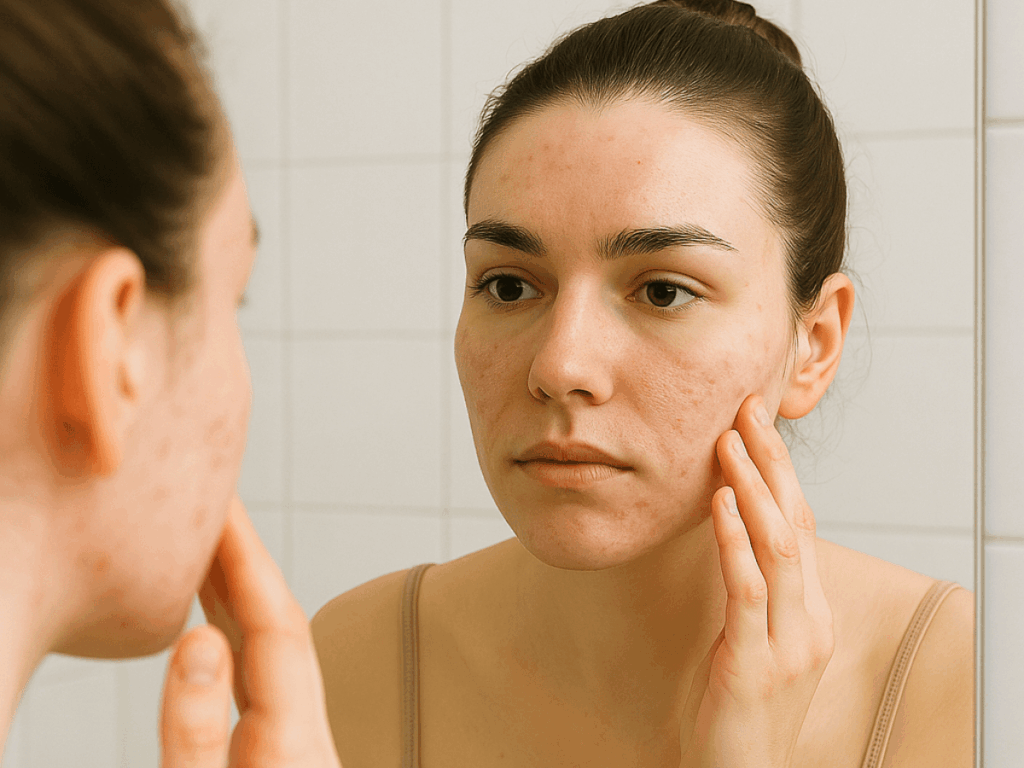
Acne scars can linger long after breakouts fade, and they often affect how smooth, even, and healthy your skin looks. Most people try product after product without understanding what the skin actually needs. When you focus on reducing inflammation, you can help your skin recover, strengthen the barrier, and gradually improve texture and discoloration.
This guide explains how acne scars form, which daily habits help them fade, and how to build a skin care routine that fits your lifestyle. It is straightforward, practical, and designed to help you feel confident about the steps you take each day.
At Elizabeth L. Wakim DDS, we stay informed on current skincare and dermatology guidance to help patients choose routines that support long-term skin health. Our consultations focus on understanding your concerns and creating care recommendations that align with your goals and lifestyle.
What Causes Acne Scars
Forty-seven percent of people who experience acne report developing scars, and these marks form when inflammation interferes with the skin’s normal healing process. Several factors influence whether a breakout leaves a lasting mark:
Deep inflammation: When acne penetrates deeper layers of the skin, the surrounding tissue can become damaged and harder to repair.
Collagen imbalance: Too little collagen can leave an indentation, while too much can create raised or thickened scars.
Picking or squeezing acne: Disrupting the blemish increases inflammation and raises the chance of permanent scarring.
Severity of breakouts: More severe or cystic acne is more likely to scar because it causes greater tissue damage.
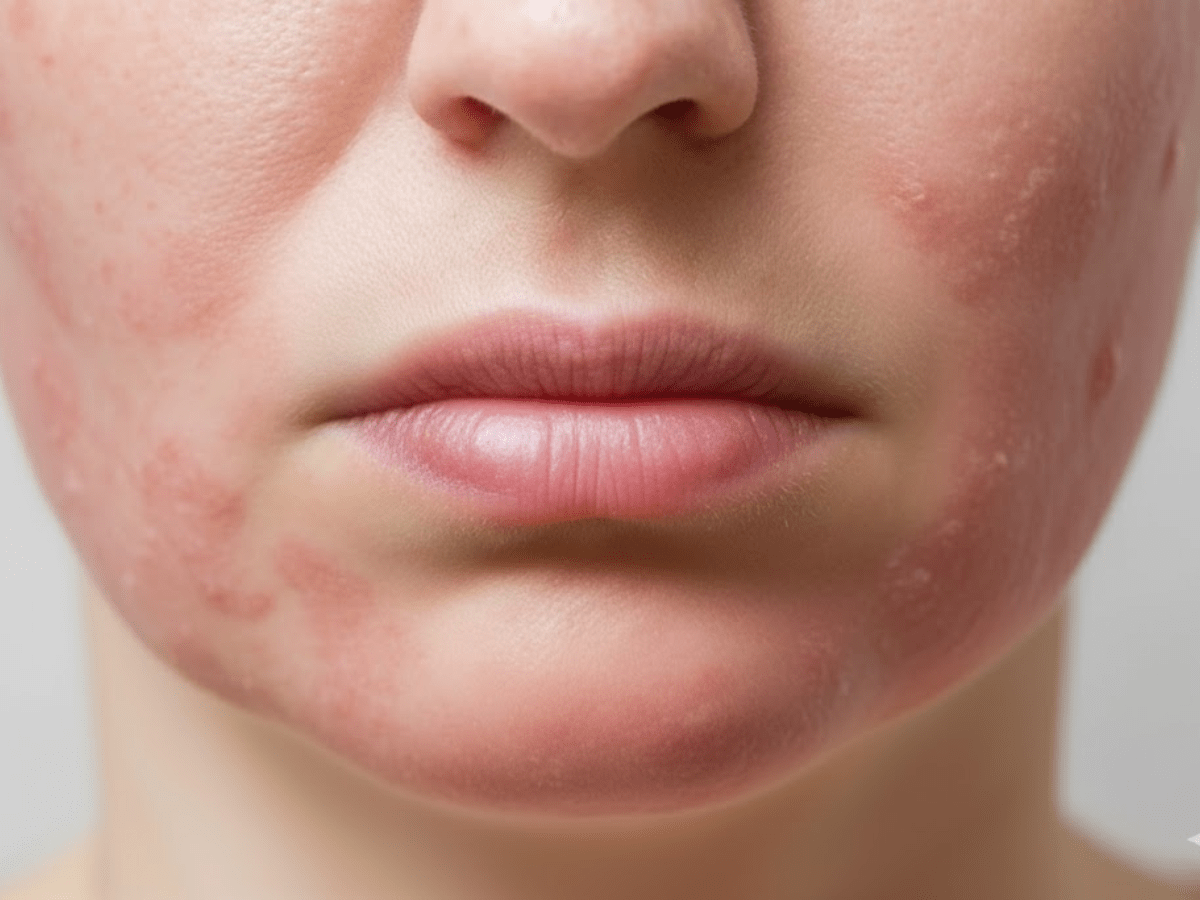
Skin type and tone: Some skin types scar more easily, while others develop post-inflammatory hyperpigmentation that appears as dark marks after acne.
Prolonged healing time: Breakouts that stay inflamed for longer periods are more likely to leave visible marks.
These factors help explain why some blemishes fade quickly while others linger. Understanding the cause makes it easier to choose the right routine to support healing and improve texture over time.
Types of Acne Scars
About80 percent of people between ages 11 and 30 experience acne, and roughly one in five develop scarring. Not all acne scars form the same way, and understanding the differences can help you choose the right treatment approach for your skin.
These are themost common acne scars. They form when the skin loses collagen during healing and appear as indentations.
Ice-pick scars: Deep, narrow indentations that look like small punctures in the skin.
Boxcar scars: Wider depressions with sharp edges, often found on the cheeks or temples.
Rolling scars: Shallow indents with uneven edges that create a wavy texture.
Hypertrophic Scars
These scars are raised above the skin’s surface and develop when the body produces too much collagen. They often appear on the jawline, chest, or back.
Keloid Scars
A more severe type of raised scar where tissue grows beyond the original injury. These are less common but can occur in people with a genetic tendency toward keloids.
Post-Inflammatory Hyperpigmentation (PIH)
This is not a true scar but a dark mark or patch left behind after acne. It results from excess pigment and can fade with consistent care and sun protection.
A consistent routine helps acne scars fade more effectively. Focusing on four core steps supports healing while preventing irritation.
Cleanse: Use a gentle cleanser that removes oil, makeup, and buildup without stripping the skin. Harsh cleansers can weaken the barrier and slow recovery.
Treat: Apply targeted ingredients that support scar improvement, such as vitamin C, niacinamide, azelaic acid, or mild chemical exfoliants. Introduce treatments slowly to avoid irritation.
Protect: Use broad-spectrum SPF daily. Sun exposure can darken scars, increase discoloration, and slow the skin’s natural repair process.
Repair: Strengthen the skin barrier with hydrating moisturizers and soothing formulas. A well-supported barrier helps active treatments work more effectively.
These steps create a balanced routine that encourages gradual fading and helps maintain clearer, healthier-looking skin.
Common Mistakes to Avoid
A few habits can delay healing or make acne scars more noticeable. Avoiding these helps your skin recover more smoothly, especially if you have acne prone skin, darker skin tones, sensitive skin, or areas of uneven skin tone.
Over-exfoliating
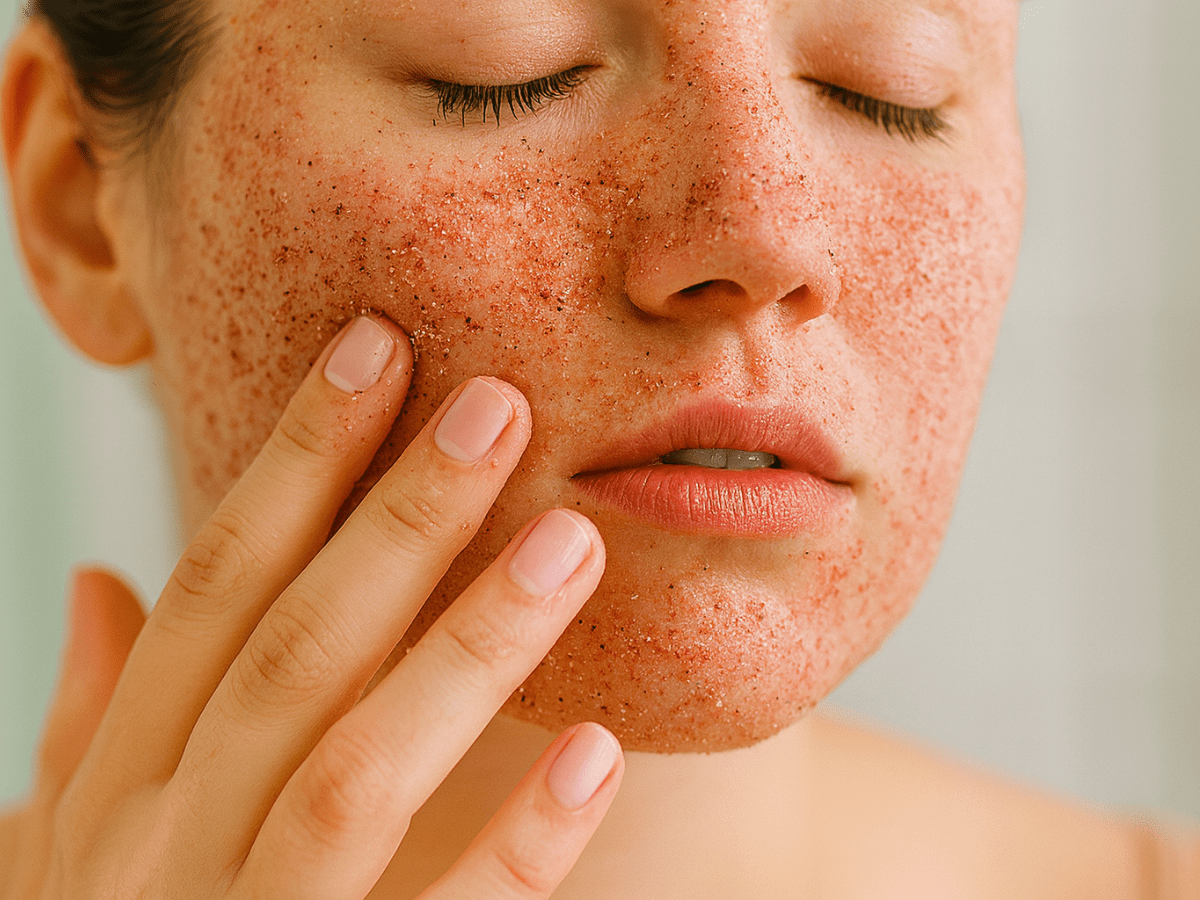
Harsh scrubs or frequent acid use can irritate the skin, damage surrounding skin, and slow improvement. Strong alpha hydroxy acid products or repeated use of glycolic acid may lead to dryness or uneven skin texture, especially when the barrier is already stressed from acne breakouts.
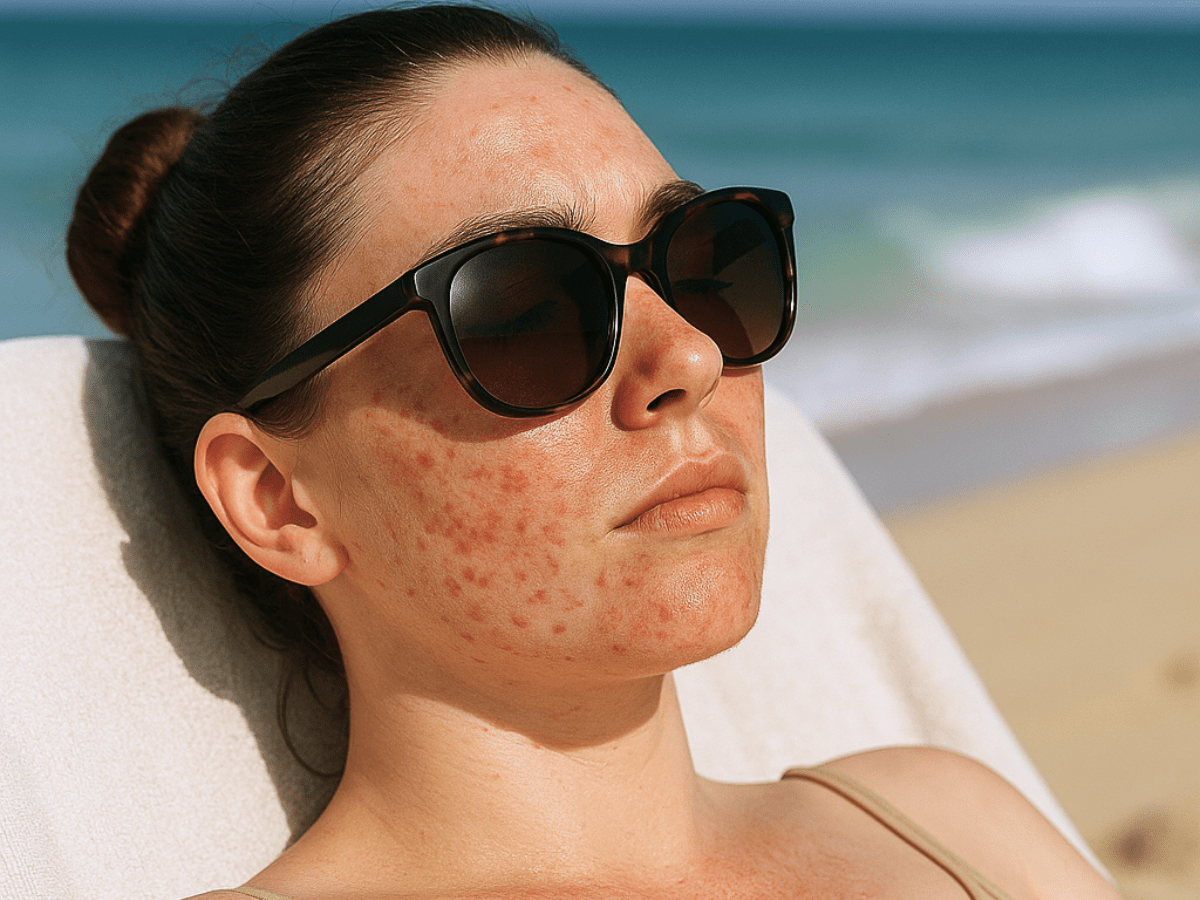
UV exposure darkens acne marks and post acne marks, making the appearance of scars more visible. Consistent SPF and other sun protection measures reduce discoloration and help prevent acne scars from worsening, especially on darker skin tones where dark spots tend to linger longer. Sun care is also essential for lowering long-term risks such as skin cancer.
Using too many new products at once
Introducing multiple topical treatments rapidly can overwhelm skin, clog pores, or trigger irritation. This can worsen depressed acne scars or raised acne scars by interrupting the normal healing process. A steady skincare routine with minimal risk works far better for managing acne and treating acne scars.
Picking or popping breakouts
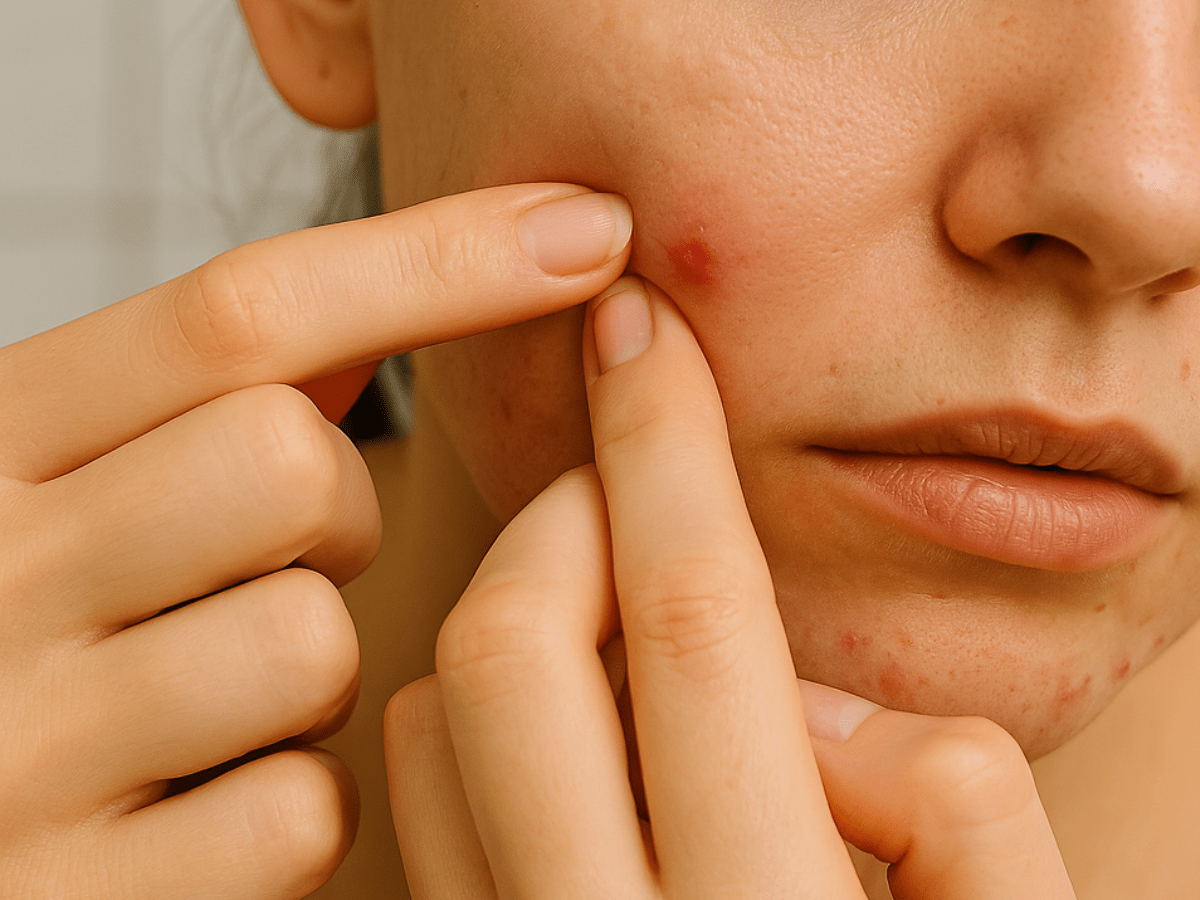
This increases inflammation, damages underlying tissue, and significantly raises the chance of deeper acne scars, depressed scarring, or severe scarring. Popping pimples also exposes the skin to bacteria, leading to new acne lesions and more uneven skin tone over time.
Choosing products that are too harsh
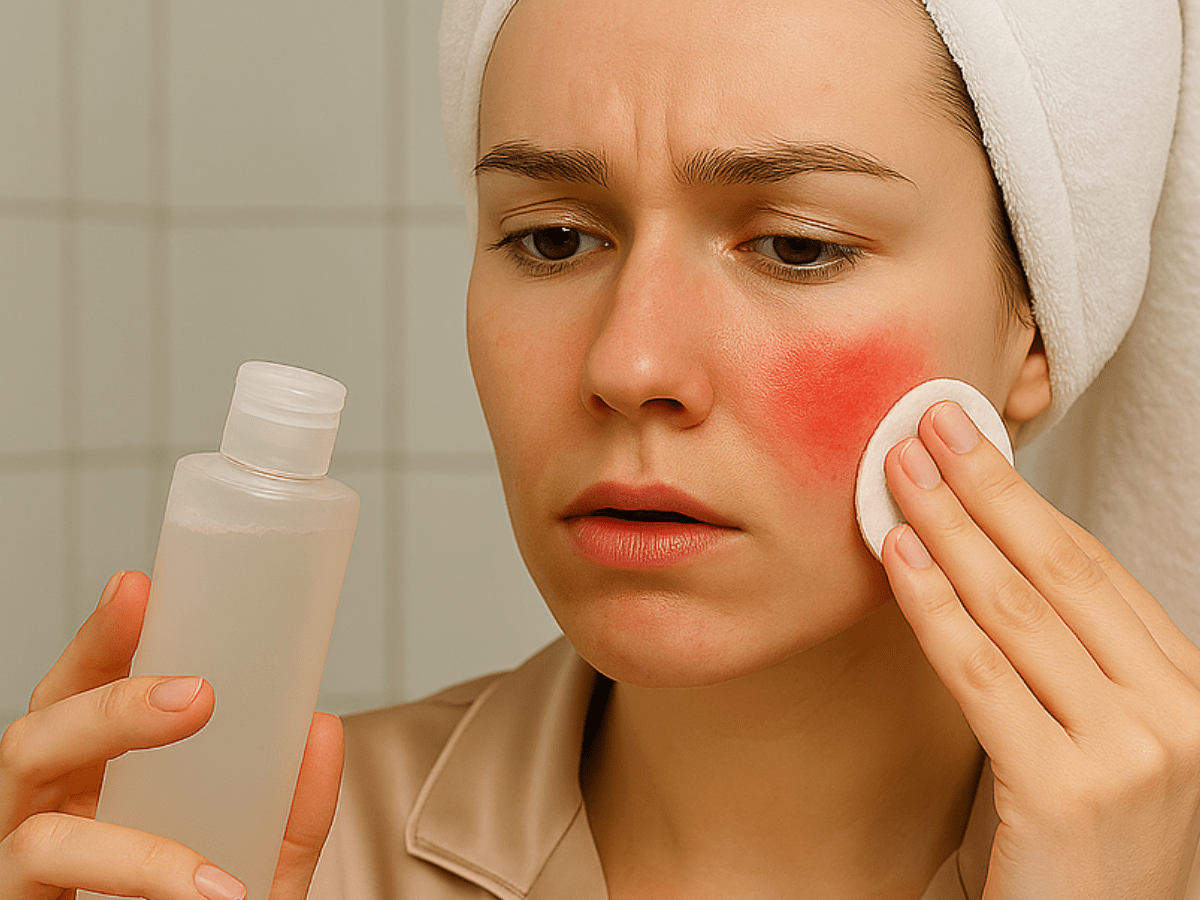
Astringents, alcohol-heavy formulas, or barrier-stripping treatments can worsen redness and uneven texture.
Focusing on gentle, consistent care gives your skincare routine the best chance to address acne scars gradually while supporting smoother, more even skin tone and healthier long-term results.
Lifestyle and Habits That Make a Big Difference (Beyond Skin Care Products)
Skin care routines matter, but daily habits play an equally important role in how well acne scars fade. Small, consistent choices can support healing and help prevent new marks from forming.
Avoid picking or squeezing acne: Disturbing acne disrupts healing, damages scar tissue, and increases the chance of deeper scars or enlarged pores. It also pushes dead skin cells and bacteria deeper into the skin, making recovery slower.
Prioritize sleep: Quality rest supports the skin’s repair cycle and helps prevent early skin aging caused by chronic inflammation, and maintains a healthy barrier, which is essential for scar improvement.
Manage stress: High stress can trigger hormonal changes that increase excess oil and make breakouts more frequent. More acne means a higher risk of scarring and the need to manage post acne marks later.
Stay hydrated: Hydration helps maintain elasticity and supports an environment where the skin can heal more predictably. This also improves tolerance to treatments such as chemical peel sessions, medium peels, or deep peels performed with a chemical solution.
Protect your skin from the sun: Even brief sun exposure can darken acne marks and prolong discoloration.Consistent SPF and other sun protection measures protect healing tissue and reduce the chance of early skin aging.
Keep your routine consistent: Gentle, steady care limits irritation and helps active ingredients perform well. Consistency also improves results from professional options like laser resurfacing ordermal fillers, which require minimal downtime when paired with good daily habits.
Maintain clean pillowcases, phones, and makeup tools: Reducing buildup and bacteria limits new acne lesions, helping prevent new scars from forming and supporting smoother skin over time.
These habits enhance your routine and help create the conditions your skin needs to heal more evenly and predictably. You can also explore additional guidance onmanaging and improving acne scars to better understand how daily care supports long-term results.
Helping Your Skin Heal With a Consistent Routine
Improving skin concerns like acne scars takes time, but the right routine and habits make the process far more manageable. When you focus on gentle cleansing, thoughtful treatments, sun protection, and steady barrier support, your skin is better able to repair itself and gradually look smoother and more even. In some cases, understanding how certain in-office treatments, such asfiller injections for volume loss can complement a home routine may also be helpful, especially for deeper scars. Small changes add up, and consistency matters more than intensity.
Our team is committed to helping you build a routine that supports your long-term skin health. If you want guidance choosing products, understanding treatment options, or tailoring a routine to your skin type, we are here to help. Contact our Pennsylvania office at (724) 558-8222 or use ourcontact formto schedule a visit and get personalized support for clearer, healthier-looking skin.