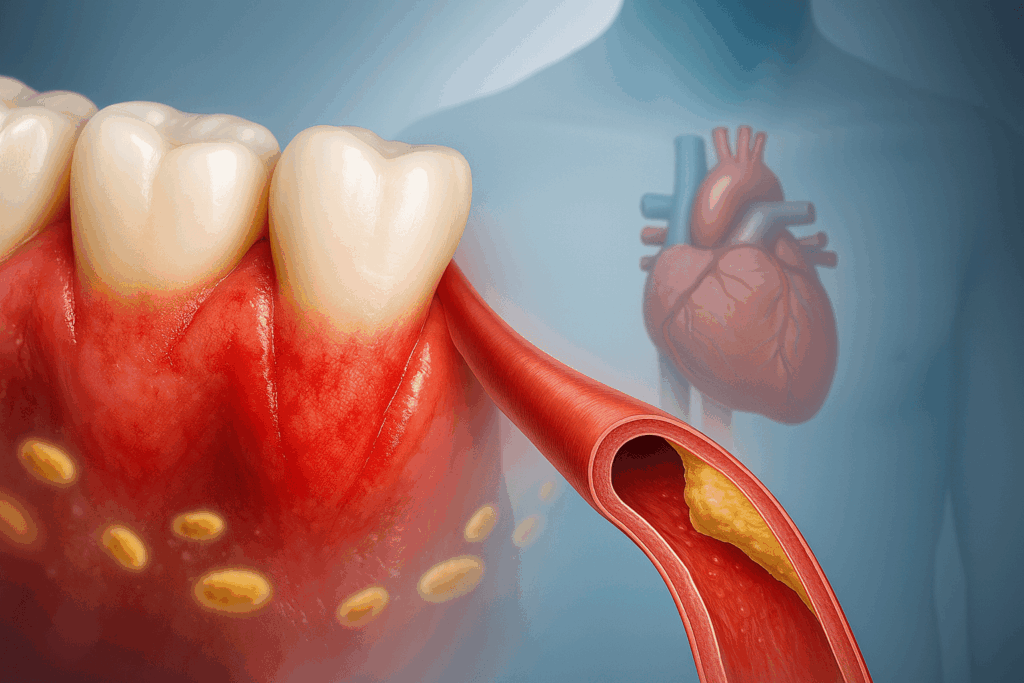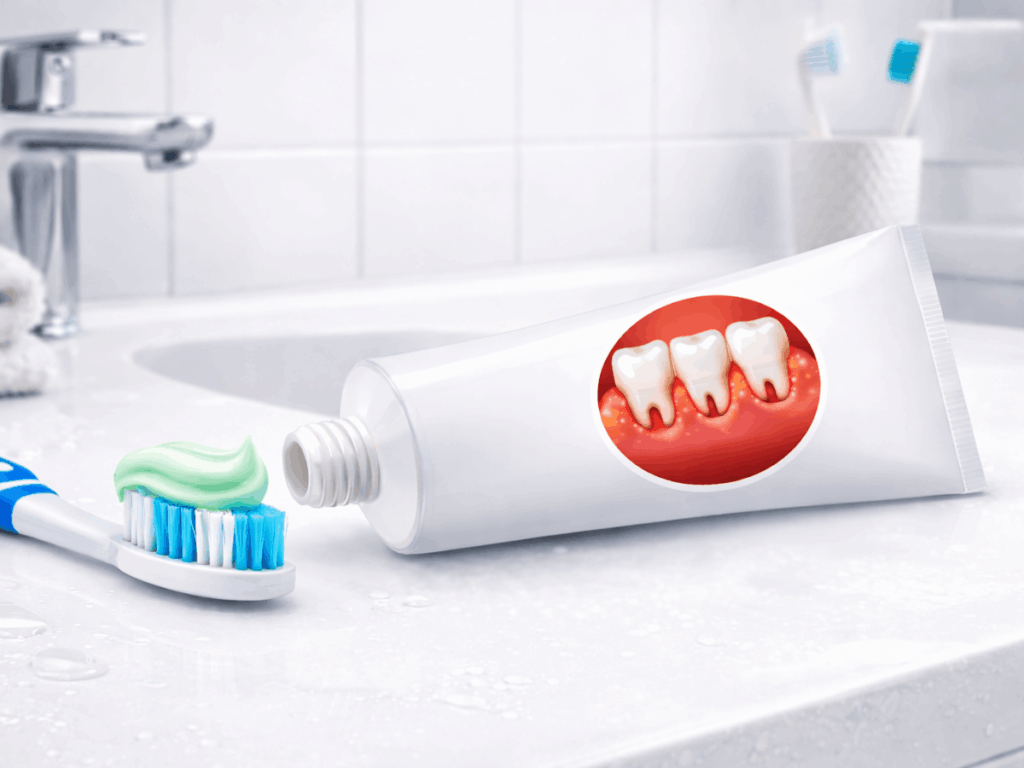
Bleeding gums are easy to brush off, but they are one of the clearest signs that something deeper is going on beneath the surface. Deep cleaning for gingivitis offers a simple and effective way to stop that cycle. For healthier gums and a fresher, more comfortable smile, understanding how this treatment works is the first step.
This guide breaks down what deep cleaning actually does, when you might need it, and why early care can make a real difference for your long term oral health.
At Elizabeth L. Wakim DDS, we focus on modern, evidence based care that supports long term oral health. Our team uses detailed gum evaluations and advanced diagnostic tools to identify early signs of gum inflammation and recommend treatment options that match each patient’s needs.
Deep Cleaning Explained: Scaling and Root Planing
More than forty two percent of adults over the age of thirty have some form of gum disease, and a smaller percentage already show signs of severe periodontal disease. Deep cleaning is a targeted treatment designed to reach the areas where gingivitis begins. Regular brushing and flossing clean the visible surfaces of your teeth, but bacteria and hardened tartar can collect below the gumline. Deep cleaning removes this buildup and creates an environment where your gums can heal.
Scaling
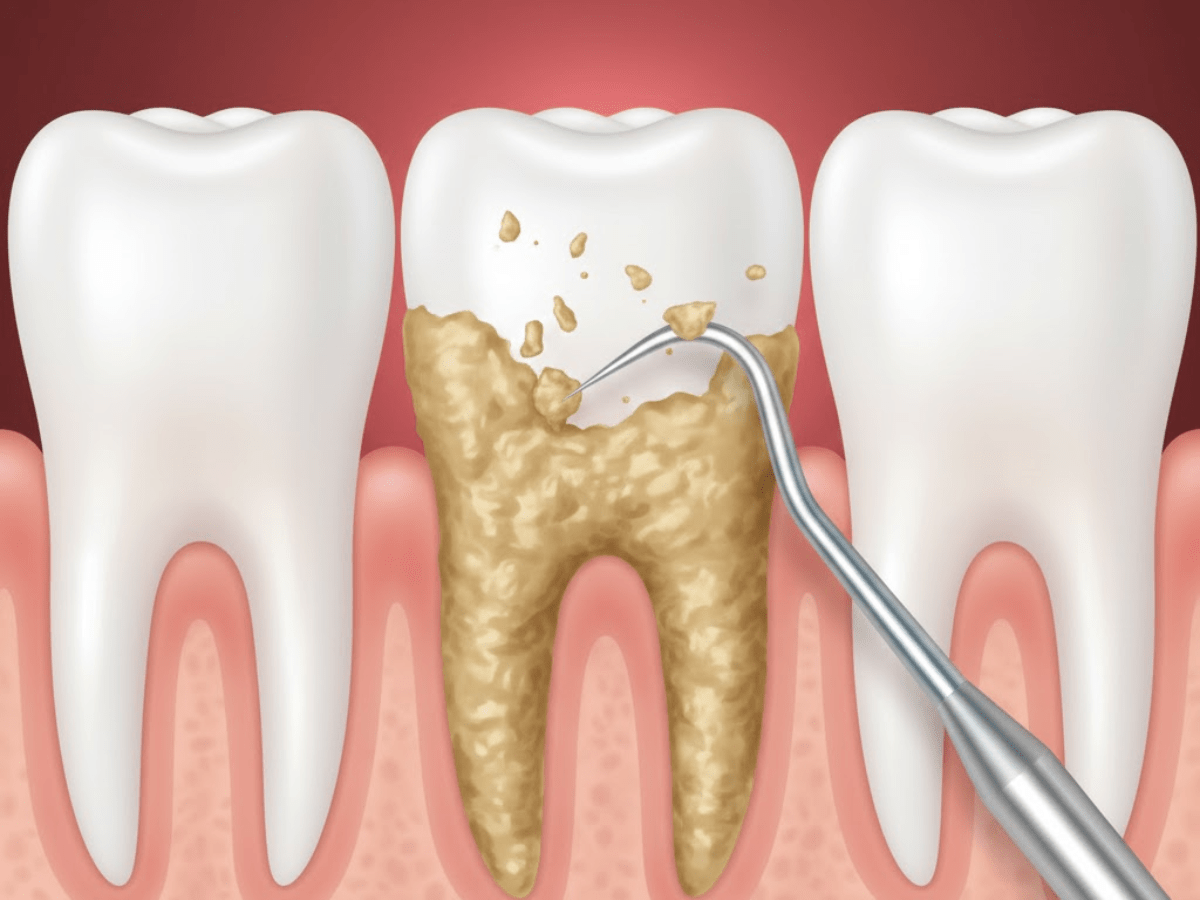
Scaling focuses on clearing away plaque and hardened tartar from both above and below the gumline. These deposits irritate gum tissue and allow inflammation to persist. By removing them, scaling reduces the source of irritation and helps calm swollen or bleeding gums.
Root Planing
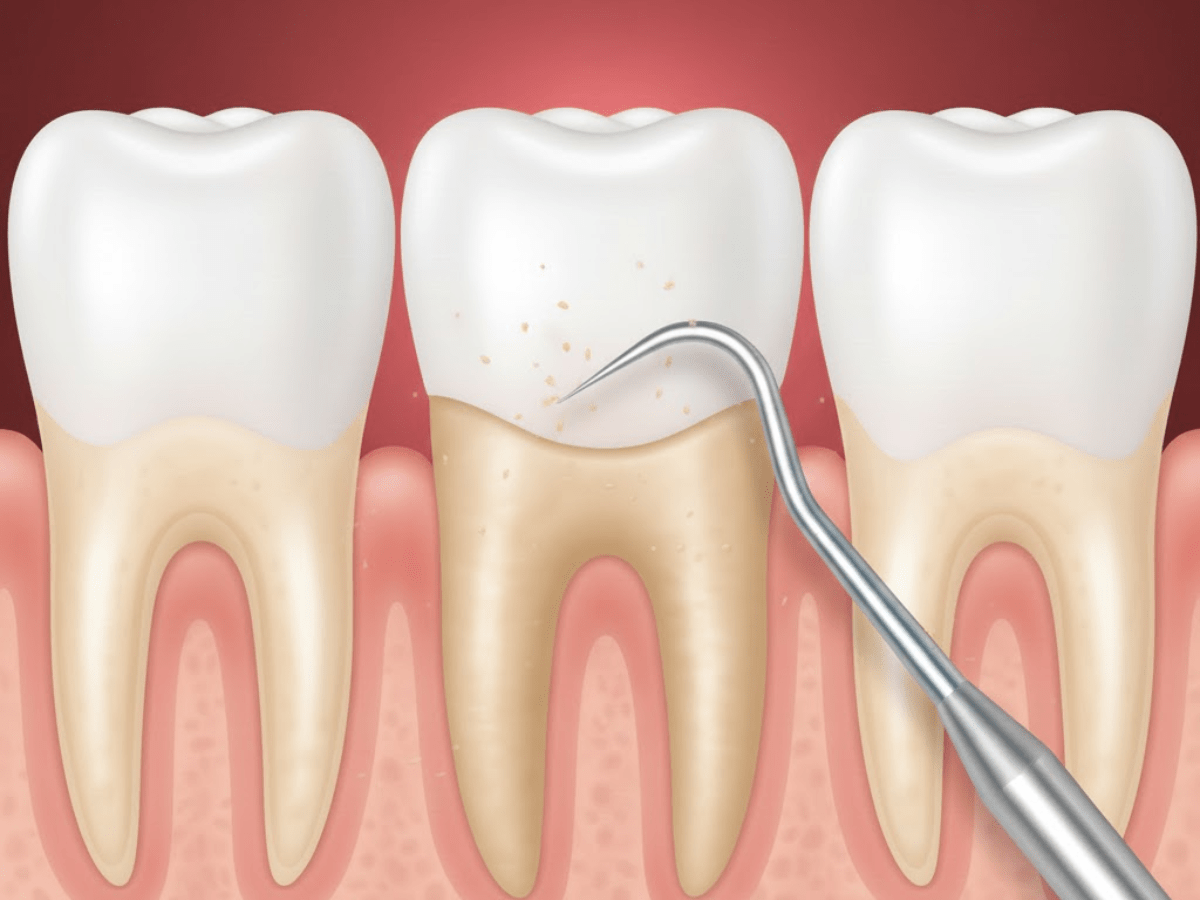
Root planing smooths the root surfaces of the teeth. A smoother surface makes it harder for bacteria to attach and easier for the gums to reattach as they heal. This step helps reduce pocket depth and supports long term gum stability.
Comfort During Treatment
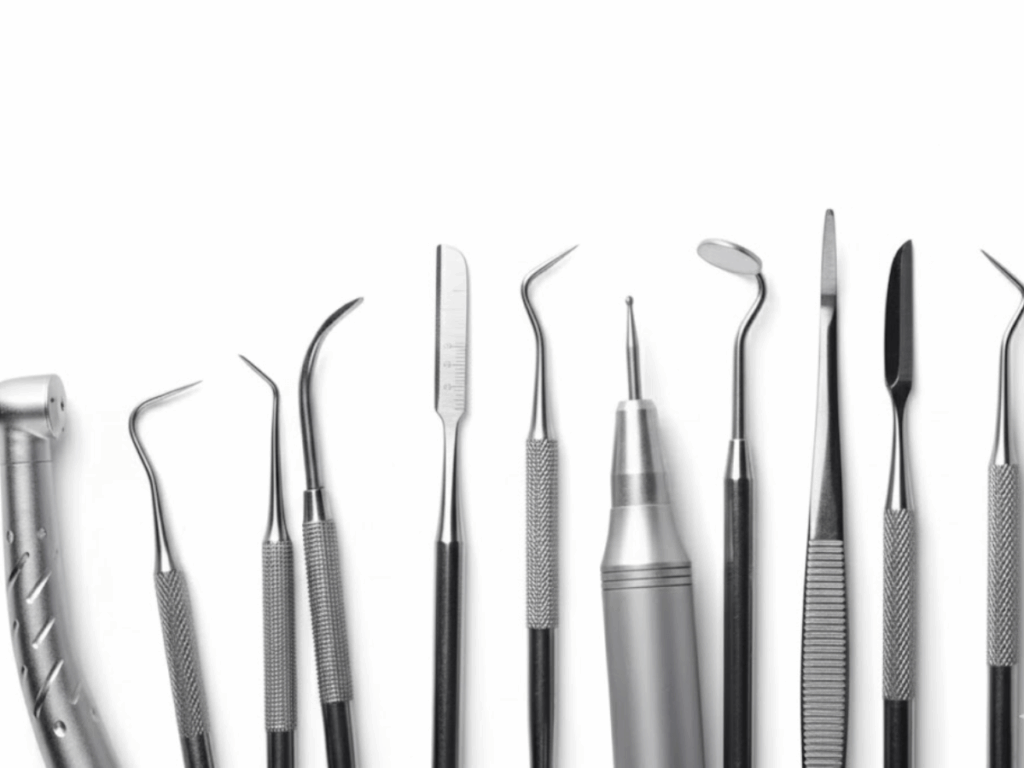
Most patients find the procedure comfortable, and the approach aligns with the gentle techniques used throughout our restorative dentistry services, where precision and patient comfort guide every step. A local anesthetic may be used to numb the treated area, and your dentist or hygienist may use hand instruments, ultrasonic tools, or a combination of both to complete the cleaning. The goal is to remove buildup thoroughly while keeping the experience as gentle as possible.
What to Expect During and After Deep Cleaning
Knowing what happens during a deep cleaning can make the experience feel more comfortable and predictable. The procedure is designed to be gentle, thorough, and focused on helping your gums heal.
During the Appointment
- Numbing for comfort: Your dentist or hygienist may apply a local anesthetic to keep the area comfortable while they work below the gumline.
- Scaling to remove buildup: Specialized tools or ultrasonic devices are used to remove plaque and tartar from the tooth surfaces and deep around the gums.
- Root planing to support healing: The roots are smoothed so bacteria have fewer places to hide and the gums can begin reattaching to the teeth.
- Visit length: Depending on the amount of buildup and gum inflammation, the appointment may take one or two sessions for complete cleaning.
Right After the Procedure
- Mild tenderness or sensitivity: It is normal to feel slight soreness, sensitivity to temperature, or gum tenderness for a short time after treatment.
- Temporary bleeding: Minor bleeding may occur during the first day, especially when brushing or flossing.
- Cleaner, smoother teeth: Many patients notice that their teeth feel smoother since tartar has been fully removed.
Signs You Might Need Deep Cleaning
Gingivitis often develops quietly, and many people do not realize their gums are inflamed until the symptoms become harder to ignore. Deep cleaning may be recommended when everyday brushing and flossing are no longer enough to control bacteria below the gumline.
Bleeding During Brushing or Flossing
If your gums bleed regularly, it is usually a sign of inflammation rather than brushing too hard. Persistent bleeding is one of the earliest indicators of gingivitis.
Red, Swollen, or Tender Gums
Healthy gums should feel firm and look pale pink. When gums become puffy or tender, it often means bacteria have collected below the surface where routine cleaning cannot reach.
Persistent Bad Breath
If bad breath continues despite brushing, flossing, and mouthwash, bacteria trapped below the gumline may be the cause. Deep cleaning can remove these deposits and improve freshness.
Gum Recession or Loose Feeling Teeth
As inflammation progresses, gums may begin to pull away from the teeth, creating pockets where bacteria can accumulate. Teeth may feel slightly loose when gum support is weakened.
Deep Gum Pockets on Examination
During a gum evaluation, your dentist measures the depth around each tooth. Pockets deeper than three millimeters often signal the need for scaling and root planing to prevent further progression.
Recognizing these signs early helps stop gingivitis from advancing and protects the long term stability of your teeth and gums. When inflammation is left untreated, it can also affect skin health, which we explain in our blog on how gingivitis affects your skin too. Understanding this connection makes early care even more important.
How to Keep Gums Healthy After Deep Cleaning
Deep cleaning sets the stage for healthier gums, but ongoing care determines how well they heal and how long the results last. Consistent habits help prevent bacteria from returning and support long term gum stability.
- Brush gently twice a day: Use a soft bristled toothbrush and light pressure to protect inflamed gums as they heal. Daily brushing removes the sticky film that can build up along the gum line and helps prevent tooth decay and bacterial infection.
- Floss daily to reach below the gumline: Flossing clears debris and oral bacteria from areas your toothbrush cannot reach. This step keeps periodontal pockets from becoming deep pockets and supports the way gums reattach to the teeth roots after treatment.
- Use dentist recommended mouth rinses: Antimicrobial rinses can reduce bacteria and help prevent infection while your gums recover. Salt water rinses may also soothe mild soreness in the first few days.
- Stay consistent with dental checkups: Regular dental cleaning and professional cleanings allow your dental professional to monitor healing and prevent gum disease from returning. These visits are important if you have been treated for periodontal disease or chronic periodontitis.
- Avoid tobacco products: Smoking slows healing, increases inflammation, and raises the risk of advanced gum disease and tooth loss. Avoiding tobacco supports the work done during deep teeth cleaning and protects long term gum health.
- Choose foods that support gum health: Soft foods may feel more comfortable immediately after your appointment, especially if you experience mild tooth sensitivity. A balanced diet helps protect gums from irreversible damage caused by inflammation or left untreated infection.
- Be gentle while gums recover: It is normal to feel mild soreness after having your teeth deep cleaned. Avoid hard, sticky, or spicy foods for a short time, and follow any instructions provided after local anesthesia wears off.
Healthy gums improve with daily care, and the habits you practice after your deep cleaning play a major role in keeping your smile strong. Many of the same principles emphasized incosmetic dentistry like consistency, gentle technique, and protecting tissue health, also support long-term gum stability.
Supporting Your Gum Health With the Right Care
Deep cleaning is a simple and effective way to reverse gingivitis and stop inflammation before it develops into something more serious. Once plaque and tartar are removed from below the gumline, your gums have the opportunity to heal, reattach, and stay healthier with consistent daily care.
Good habits make the biggest difference, especially when supported by consistent care like Periodontal Disease Treatment, which focuses on keeping gum tissue healthy and stable. Gentle brushing, daily flossing, regular checkups, and balanced nutrition all support long term gum stability. When these habits work together, your gums become stronger and less prone to irritation or infection.
At Elizabeth L. Wakim DDS, we are committed to helping patients protect their gum health with modern techniques and personalized care. If you are noticing bleeding, swelling, or signs of early gum disease, our team can guide you toward the right treatment and long term prevention strategies. Contact our Pennsylvania office at (724) 558-8222 or use our contact form to schedule a visit and receive care tailored to your needs.

Dr. Elizabeth Wakim, DDS, is the founder of Enhanced Wellness. She’s a compassionate and highly-regarded dentist with her own practice in Washington, Pennsylvania, known for providing modern, comprehensive dental care, botox and facial aesthetics with a focus on patient comfort and anxiety reduction, serving general, cosmetic, and pediatric dentistry needs.