Are you looking to brighten your smile, but don’t know where to start? Dental bonding and veneers are both relatively non-invasive procedures that can go a long way to improve the appearance of your teeth.
First, before deciding to pursue veneers or dental bonding, take a second to think about what your goals are for your teeth. Do you want to address a larger problem, such as an overbite or underbite? Or do you want to take a more cosmetic approach to improving your dental appearance?
Before asking your dentist about veneers or dental bonding, think about whether your desires align more with cosmetic dentistry or orthodontics.
First, make sure your problems can be addressed with cosmetic dentistry
What is cosmetic dentistry?

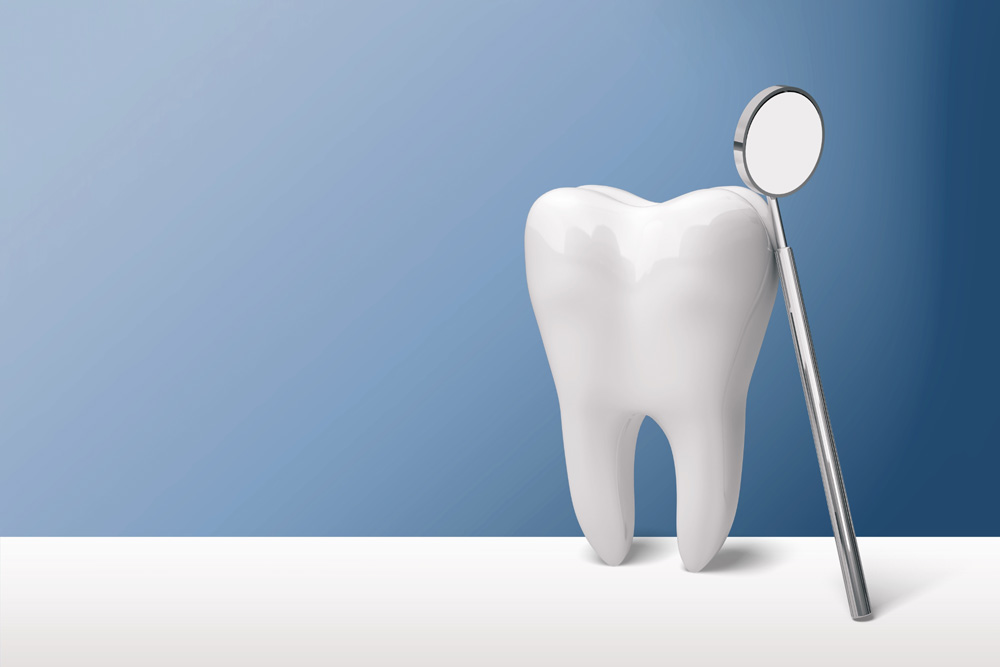
Image: one realistic false tooth on a plaster mouth. Cosmetic dentistry primarily seeks to make teeth look better—great if you’re not looking for lengthy treatments that may change your entire mouth.
The primary goal of cosmetic dentistry is to address the aesthetic appearance of the teeth. This usually occurs without directly addressing the underlying problems that have caused teeth to look the way they do. For example, teeth whitening does not necessarily make the teeth healthier—it just causes them to take on a superficially, white appearance.
Cosmetic dentistry is best when only a few teeth are affected. Chipped teeth, discoloration, and a couple gaps can be addressed best with cosmetic dentistry. Orthodontics is typically too extreme and holistic to treat these minor issues.
Cosmetic dentistry can also be used to change the shape of the tooth. For example, if your upper teeth are naturally small enough to cause gaps to appear between the teeth, you may look into dental bonding, which can help to fill in these gaps.
Cosmetic dentistry can also address:
- Missing teeth
- Restoring the appearance of a decayed tooth
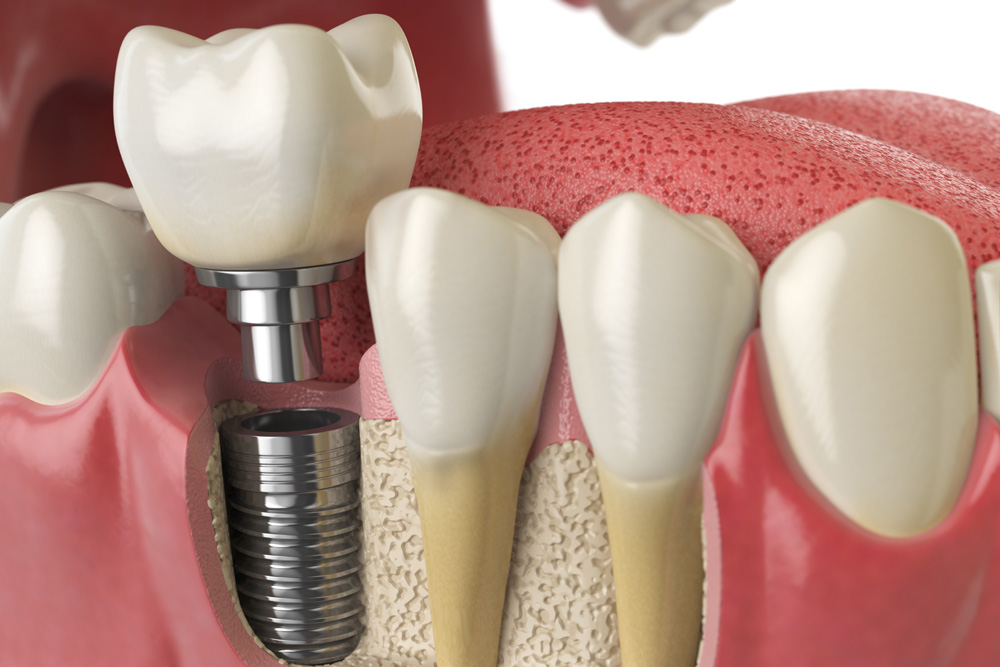
- Covering evidence of other procedures, such as root canals or dental implants
- Undesirable tooth shape, such as teeth that are too small
Cosmetic dentistry is also best if you’re looking for a treatment that will take a short amount of time. Typically, cosmetic dental surgery can be done within one or two visits.
Teeth whitening, veneers, dental bonding, and crowns are all forms of cosmetic dentistry.
What is orthodontics?
Orthodontics usually serves to address the positioning of teeth and jaws. It is primarily focused on correcting a functional issue, such as an overbite or misaligned teeth. Orthodontics is most frequently associated with braces and invisalign. If your teeth are crooked or you have a misaligned bite, orthodontics may be a better option than cosmetic dentistry.
Once you’re sure the problem you want to fix can be addressed with cosmetic dentistry, and that orthodontics are not needed, it’s time to consider which specific type of treatment you require.
What is dental bonding?
Dental bonding is a type of cosmetic dentistry in which a tooth-colored resin is applied to teeth to restore their shape or color. UV light is then used to ‘cure’ the resin onto the tooth, making it stick. It is a very popular form of cosmetic dentistry. Dental bonding is best used for small cracks and chips or discoloration.
Dental bonding is notable as a form of cosmetic dentistry for causing very little damage to the underlying tooth. As a result, it is reversible.
What are dental veneers?
Dental veneers are a form of cosmetic dentistry in which a veneer covers the front of your tooth. This veneer can be made out of many different materials which vary in price and durability—the main two being composite material and the hardier, pricier porcelain. Veneers are most useful when applied to discolored teeth, gap teeth, chipped teeth, or bruxism (tooth grinding).
Dental veneers do cause slight damage to the teeth to which they’re applied. However, this damage is not extensive.
Veneers can sometimes be confused with crowns, where the underlying tooth is ground down significantly. This is not the case with veneers—the tooth is left almost completely intact.
Dental bonding vs. veneers: Who needs it?
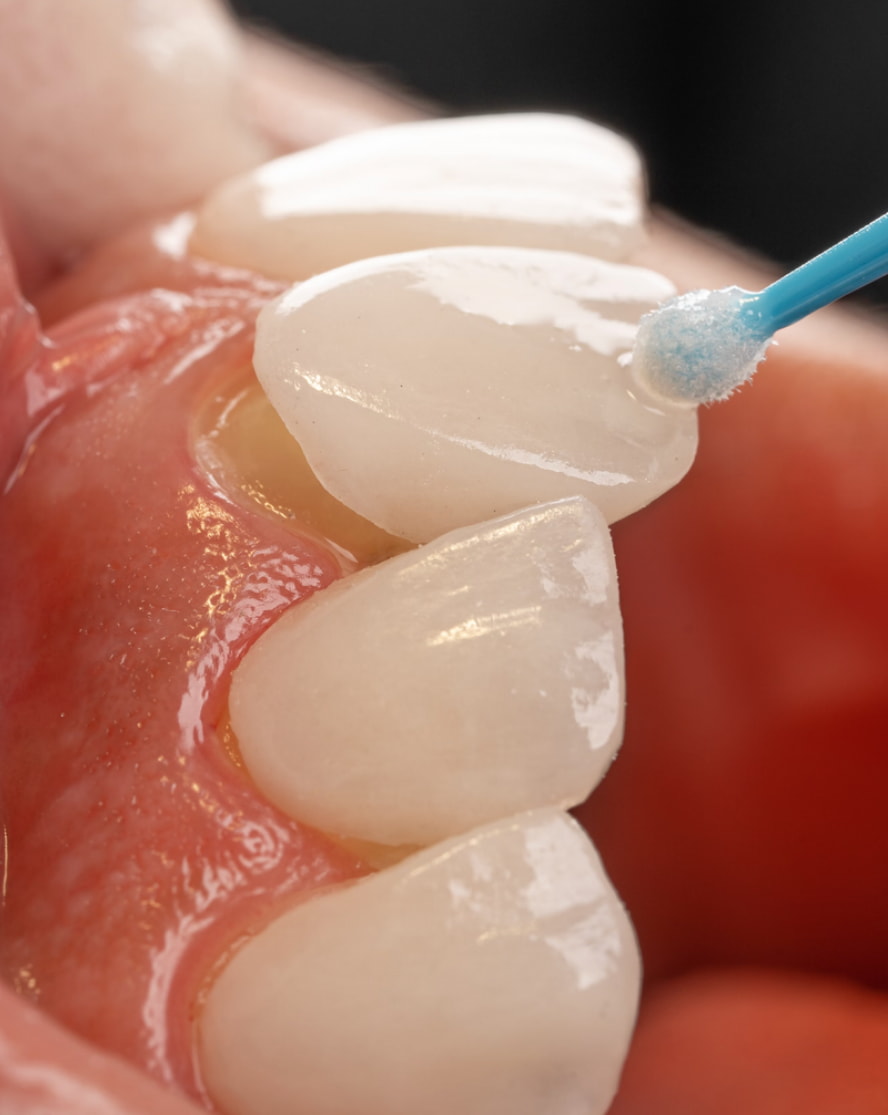
Image: A veneer being applied to a tooth. Veneers cover the entire tooth and may suit you better if you want to address more than one tooth.
Dental bonding and veneers address very similar problems, so it may be difficult to figure out which one is best for you. However, there are slight differences as to the strengths and weaknesses of each treatment.
Dental bonding tends to be best if you have an issue concerning only a few teeth. Some examples of this are a single crack in the tooth, a chipped tooth, or a pair of teeth with a gap between them. However, this doesn’t mean dental bonding can’t be used for wider treatments.
Veneers are more suitable if you want to fix multiple teeth, as they cover the entire tooth. With veneers, it’s easier to create a consistent look across all your teeth. Veneers are also more efficient than dental bonding at treating discoloration because of this.
Dental bonding vs. veneers: The cost
If you’re looking at it pricewise, dental bonding is less expensive than veneers. However, veneers have greater durability than dental bonding. This means that veneers may save you money in the long run, since you won’t have to get them redone as often.
Dental bonding ranges from $100 – $600 per treated tooth.
Composite veneers usually cost around $800 per tooth, and porcelain veneers can be upwards of $1,500.
Dental bonding vs. veneers: Durability
Dental bonding can be less robust than veneers. This is because they are composed of composite resin, which is not as strong as the porcelain of some veneers. The resin has a risk of separating from your tooth.
Dental bonding can last anywhere from 3 to 10 years.
Composite veneers can last from 5 to 7 years, and porcelain veneers can last between 10 and 20 years.
So, which is better?
Deciding between dental bonding and veneers is ultimately up to you. The factors listed above can also vary based on your circumstances. For example, if you get dental bonding, you can make your treatment last longer by practicing good dental hygiene—likewise, if you don’t care for your veneers, their lifespan may be shortened.Still stuck? Reach out to Dr. Elizabeth Wakim, who has extensive practice performing cosmetic dentistry.

Dr. Elizabeth Wakim, DDS, is the founder of Enhanced Wellness. She’s a compassionate and highly-regarded dentist with her own practice in Washington, Pennsylvania, known for providing modern, comprehensive dental care, botox and facial aesthetics with a focus on patient comfort and anxiety reduction, serving general, cosmetic, and pediatric dentistry needs.