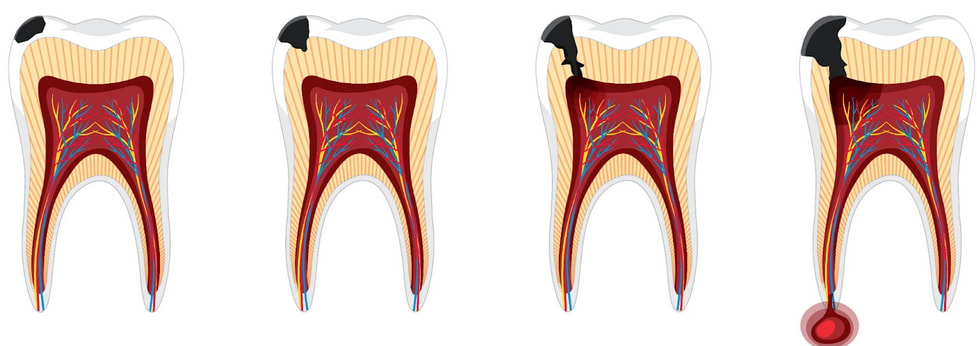
Without brushing our teeth twice a day and following other dental care practices, there are many issues that can occur–the biggest one being tooth decay. When you start to see holes forming in the middle of your teeth or along the edges, decay is rapidly occurring, which can lead to cavities, root canals, and result in crowns or overall removal of the tooth to prevent pain.
Instead of a costly dental visit, there are many people who like to take matters into their own hands–although this is not highly recommended. There are at-home methods that can help to prevent the slow down of tooth decay forming–and it can make for a good addition to any self-care day too!
If you want to learn how to prevent, slow down, or potentially heal tooth decay, let’s learn some of the methods on healing it to make for a good self-care day!
What is Tooth Decay? Your 101 to Knowing How to Spot it
Tooth decay can lead to an uncomfortable pain among other dental issues, so knowing the signs of one is key!
Taking care of your teeth is one of the most important parts of your dental and overall medical health. By brushing your teeth twice a day, flossing, and even using mouthwash can help the breakdown of your enamel, help strengthen it, and keep your teeth healthy and protected. When you’re not taking the necessary steps to take care of your teeth, decay and deep-pitted caries can form, leading to cavities and other dental issues and diseases.
What Causes Tooth Decay?
Tooth decay can occur from almost anything, which makes it even more necessary to take the proper precautions when it comes to cleaning and taking care of your teeth. It all starts from a build-up of bacteria that forms in your mouth and over time it can turn into an acid that can dissolve your tooth enamel. It’s important to keep your tooth enamel strong, as it is the outermost layer of your teeth that serves as a shield to protect them and avoid cavity formation.
There are many reasons that your mouth can be more prone to bacteria build-up and acid formation besides poor oral hygiene with those ways consisting of:
- Dry mouth
- Medications
- Genetics
- Gum disease
- Bulimia disorder
- Age
- Defects in enamel
- Plaque build-up
- Not using fluoride
- Worn dental fillings
How to Spot Tooth Decay
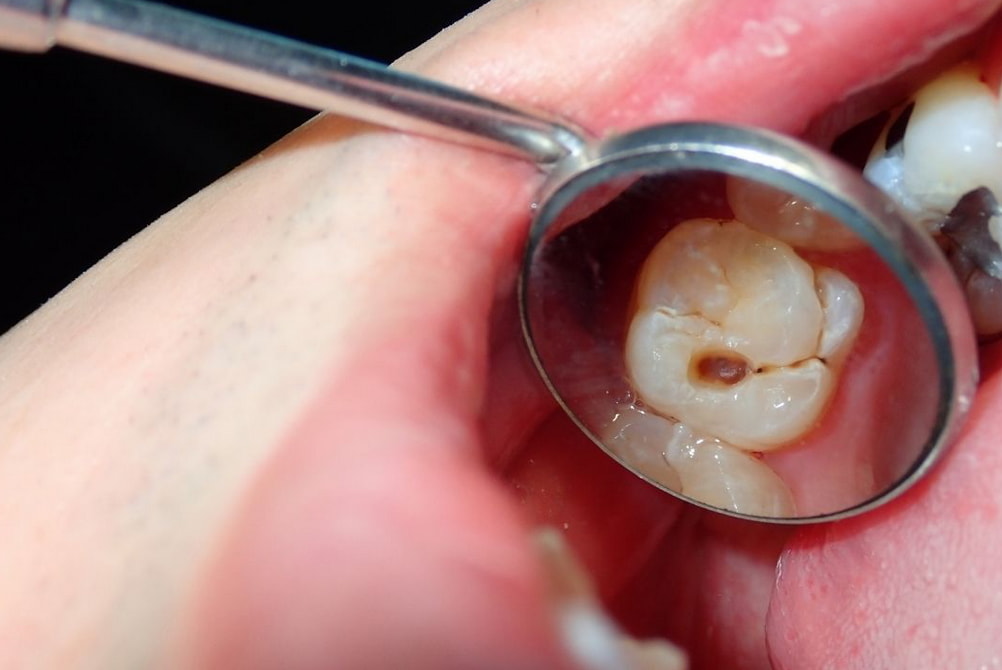
The first step to determine if you have tooth decay or not is to do a visualization test first. If you start to feel a sudden ache or pain in one specific tooth, take a look to notice if there are any brown or black spots on it. In most cases, there are visible holes and pits in your tooth with yellow discoloration surrounding it. Visually being able to see the tooth decay on your teeth can be a key part of diagnosing and scheduling an appointment with your dentist before it advances.
Another symptom of advanced tooth decay is an overall sensitivity to a specific tooth or maybe even teeth. While it can be a pain to simply chew your food, many people oftentimes notice that they have a sudden sensitivity to hot, cold, or even sweet treats and drinks. Some other common symptoms of tooth decay include swollen and/or bleeding gums, bad breath, pain when chewing, or even the formation of pus or abscess around the tooth.
How to Heal Tooth Decay: Effective Ways to Keep Your Dental Health in Tip-Top Shape
Learning the simple, yet effective ways that you can help prevent or potentially heal tooth decay can save you a trip to the dentist!
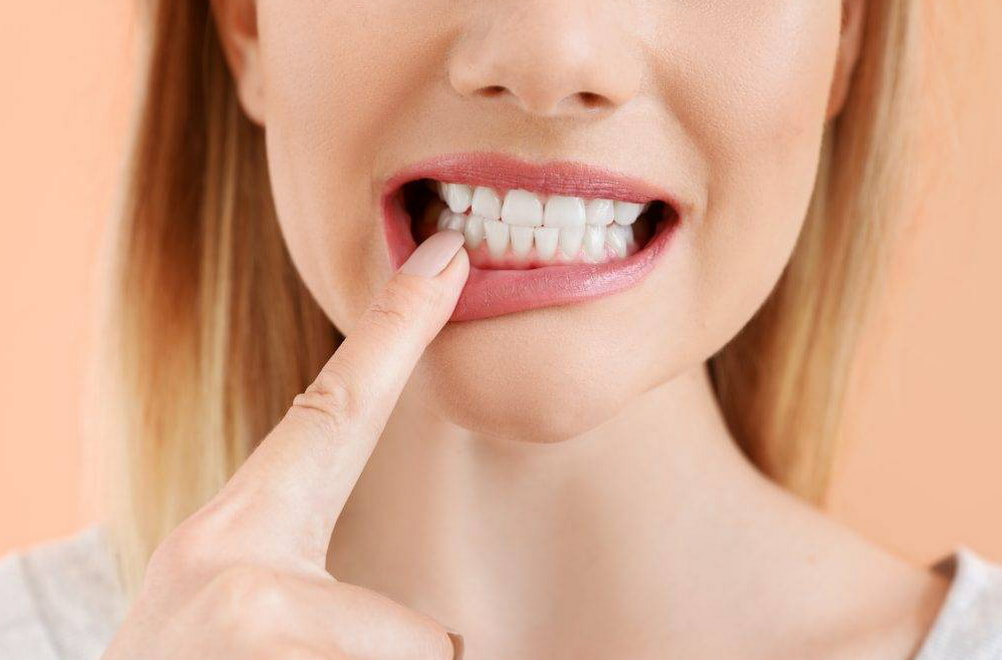
The start of tooth decay can lead to a ton of issues with your dental health if they’re not taken care of immediately. While cavities, root canals, crowns, or extractions are the medically necessary procedures sometimes needed to fix tooth decay, there are also steps or changes you can make in your everyday life to improve your smile.
Use Fluoride Everyday
One of the biggest ways to keep your teeth healthy to avoid decay is by simply using fluoride every single day. The easiest way to do this is by purchasing and using fluoride toothpaste and mouthwash twice a day–and it’s the most effective method in repairing and strengthening enamel that is weakened and remineralizing it to continue to keep your teeth healthy. Simply brush with fluoride toothpaste twice a day and then use a mouthwash at night for the extra protection your teeth will need.
Hydration is Key–Drink Water!
Water makes up a majority of our body, which means that it needs to be replenished with it in order to function the way it’s supposed to. Staying hydrated can also play a role in dental health and even help to prevent cavities too. It is recommended to drink four to six cups of water every single day, but it could be more depending on the person and their fitness activity. By doing this, it can help flush away the bad bacteria that can produce acids and even help produce saliva that prevents tooth decay.
Make a Change in Your Diet
Believe it or not, your diet and what you eat every single day can make a huge difference in how healthy your teeth are. Sugary foods and drinks, such as candy and soda, can have a negative impact on your teeth and speed up the decaying process. By changing your diet and opting to drink more water and eat healthier foods can play a huge role in your dental health.
It is recommended to add foods higher in calcium, vitamin D, and phosphorus to keep your teeth strong with some options that include:
- Meat
- Dairy products
- Eggs
- Fish
- Nuts
- Greens
- Vegetables
Switch to a Sugar-Free Gum with Xylitol
Everyone knows how harmful sugar is to your teeth, and while many think that chewing gum is healthy for your teeth, it actually can make them worse. Many types of gum are littered with sugar that can create more bacteria even if the process of chewing it does produce more saliva. Instead of a sugar-filled piece of gum to chew on, opt for a sugar-free option with xylitol in it for a number of reasons. Xylitol is a better sugar-substitute for your teeth because it prevents cavity-causing bacteria, stimulates saliva production, and helps to strengthen the enamel.
What to Expect From Excessive Tooth Decay
Know your next steps if tooth decay is affecting your oral health and the proper procedures to fix it!

Let’s say that you tried every method on our list, but tooth decay is now causing you pain. While it’s nearly impossible to reverse the effects of tooth decay, there are ways to slow it down. Once pain and sensitivity starts to affect your teeth, fillings and other procedures may be needed in order to repair the tooth and prevent further damage.
Procedures to Help Repair Tooth Decay
It’s important to go over the list of procedures that can help to repair tooth decay. Sometimes tooth decay is further along than we think and a dental procedure is required by a licensed dentist. It can be intimidating to sit in the chair and hear the sound of the drills and the familiar smells from being in a dental office, but sometimes seeing a professional is your best bet for rapid tooth decay repair.
Listed below are some of the most common dental procedures to repair or get rid of tooth decay:
- Dental fillings – The removal of the decay in the tooth and replacing it with a composite resin, amalgam, or porcelain filling.
- Root canal – Removing infected pulp if decay reaches the blood and nerve vessels of the tooth and then sealing it.
- Crowns – Caps placed over top of the tooth to give it a barrier from harmful bacteria and acids and further protect the tooth
- Extractions – In many extreme cases of decay, a tooth may need to be fully removed to prevent further damage.
Avoiding Cavities and Making Changes to Prevent Tooth Decay is Key to Proper Dental Health
There’s no doubt that dental health plays a huge role in every human’s life. Protecting your teeth by drinking more water, eating a healthier assortment of foods, and using fluoride toothpaste and mouthwash can all be great tactics on how to battle the harmful bacteria and acids your mouth can produce. With these top dental self care methods, taking care of your teeth has never been easier!If you’re in the Washington, PA area and are interested in an in-person appointment that can provide a ton of insight into the status of your oral health––consider contacting Elizabeth L. Wakim—exceptional smiles start here!

Dr. Elizabeth Wakim, DDS, is the founder of Enhanced Wellness. She’s a compassionate and highly-regarded dentist with her own practice in Washington, Pennsylvania, known for providing modern, comprehensive dental care, botox and facial aesthetics with a focus on patient comfort and anxiety reduction, serving general, cosmetic, and pediatric dentistry needs.