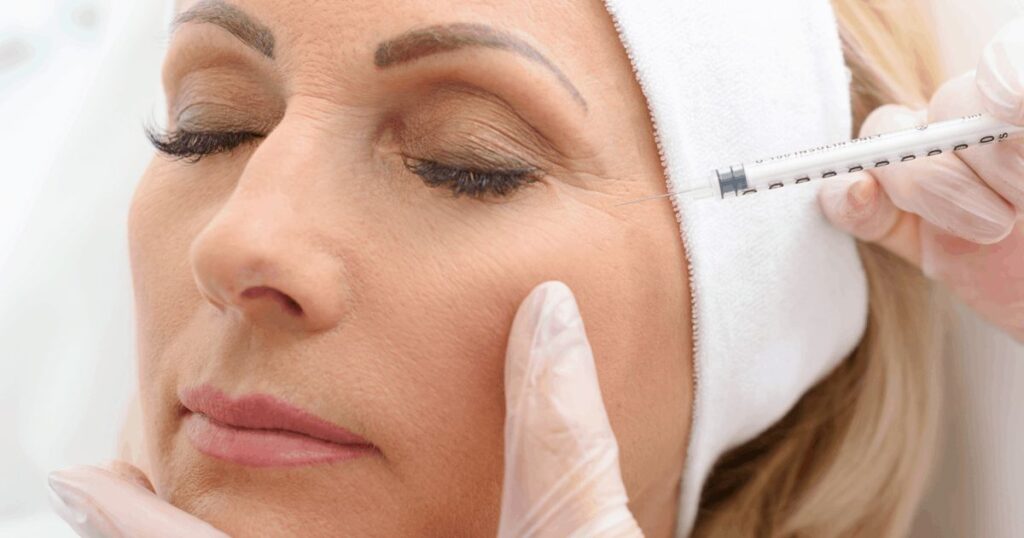
So, what are dermal fillers, exactly? Why are they becoming so popular? And what are their potential risks?
Dermal fillers is a blanket term for various types of gel-like implants that are injected into the face, such as lip fillers, cheek fillers, and wrinkle fillers. Less commonly, they’re used on the hands. There are various types of dermal fillers made of different materials, most of which are temporary and are absorbed by the body within a couple years.
People wanting a smoother, younger look but who are looking to avoid an intensive surgery may turn to dermal fillers as they are a less risky cosmetic procedure. Over 3 million people in the US receive dermal fillers every year. Treatment usually costs between $743 and $1,039 USD.
Common uses for dermal fillers include:
- Adding more volume to the lips
- Softening forehead wrinkles, nasolabial folds, and crow’s feet
- Enhancing cheekbones
- Smoothing swelling or hollowness under the eyes
- Reconstruction of face due to acne or disease
The vast majority of people seeking dermal fillers are women, although the amount of men receiving them has been increasing. People between the ages of 40 and 59 comprise nearly 60% of dermal filler patients. Those seeking dermal fillers often want to correct signs of aging, like wrinkles or eye bags. However, recently, younger people have also been getting dermal fillers in larger numbers.
But cosmetic procedures aren’t always about looking prettier. Some people who desire dermal fillers do so because of disfiguring health conditions that impact their everyday lives. For example, people with severe acne scars turn to dermal fillers to restore the fullness of their faces. HIV patients who have experienced HIV-associated lipoatrophy, also known as facial wasting, sometimes seek fillers for a healthier appearance.
Lots of people want dermal fillers, but who can actually get them?
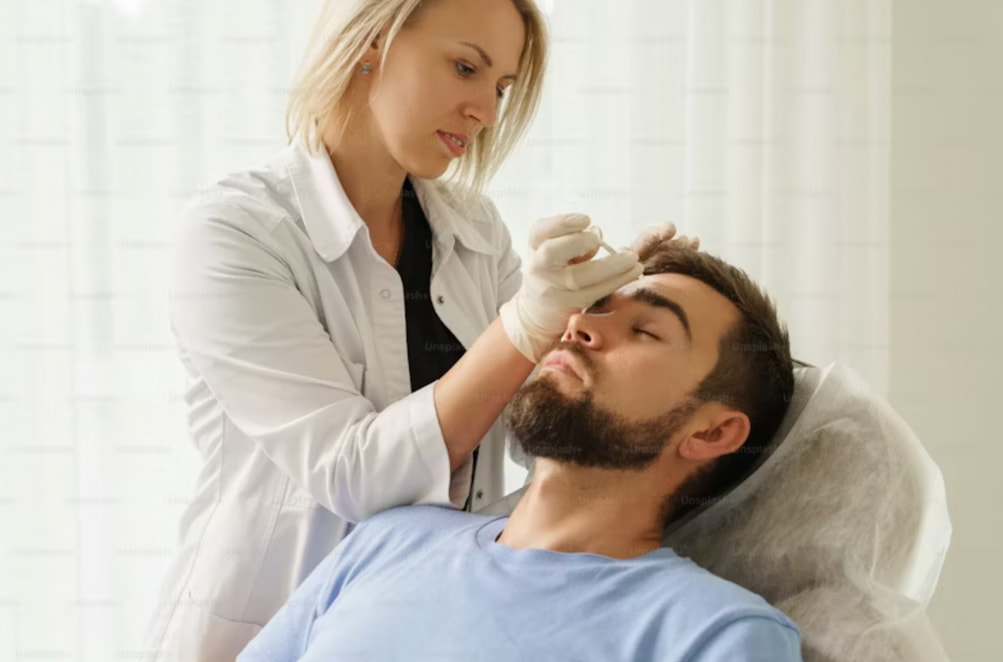
You have to be at least 22 years old in the US to receive dermal fillers. It is not recommended for smokers to get fillers as smoking or vaping during the recovery process can slow down healing and potentially introduce infections to the surgical sites, particularly if they received a lip filler. Smoking also accelerates the aging process, and so if you’re getting fillers to reverse aging, they’ll be short lived, and you’ll need more frequent treatments.
There are many different substances approved by the FDA for use in dermal fillers.
- Hyaluronic acid is sometimes seen as the safest, and most common, type of dermal filler. It comes from a substance already in your body, found in the fluids in your eyes and joints. It’s used primarily for softening wrinkles. There are many variations of hyaluronic acids with differently-sized particles—small particles are best at correcting shallow folds, while bigger particles are ideal for deeper wrinkles.
- Hyaluronic acid fillers can also be easily dissolved if the patient is dissatisfied.
- PMMA, or polymethyl methacrylate, is used mainly for wrinkles and acne scars. It’s based on collagen—the most abundant protein in the human body which supports your skin, bones, and connective tissues. They’re semi-permanent and last up to 5 years.
- Calcium hydroxylapatite can help patients seeking more intensive cosmetic work on their faces. It can soften deeper wrinkles, as well as contouring the cheekbones and the jawline. Calcium hydroxylapatite can last up to 3 years when used on wrinkles, but it only lasts around one year for contouring.
- One of the more involved fillers involves your own fat! While this sounds like it should be the safest—the fat is from your own body, after all—it actually takes multiple steps. Fat first needs to be taken from another part of your body in a procedure known as liposuction. Fat can be used for both contours and wrinkle treatments. However, fat is one of the less reliable methods when it comes to longevity, and how long they last depends largely on the patient and the healthcare professional responsible for the filler.
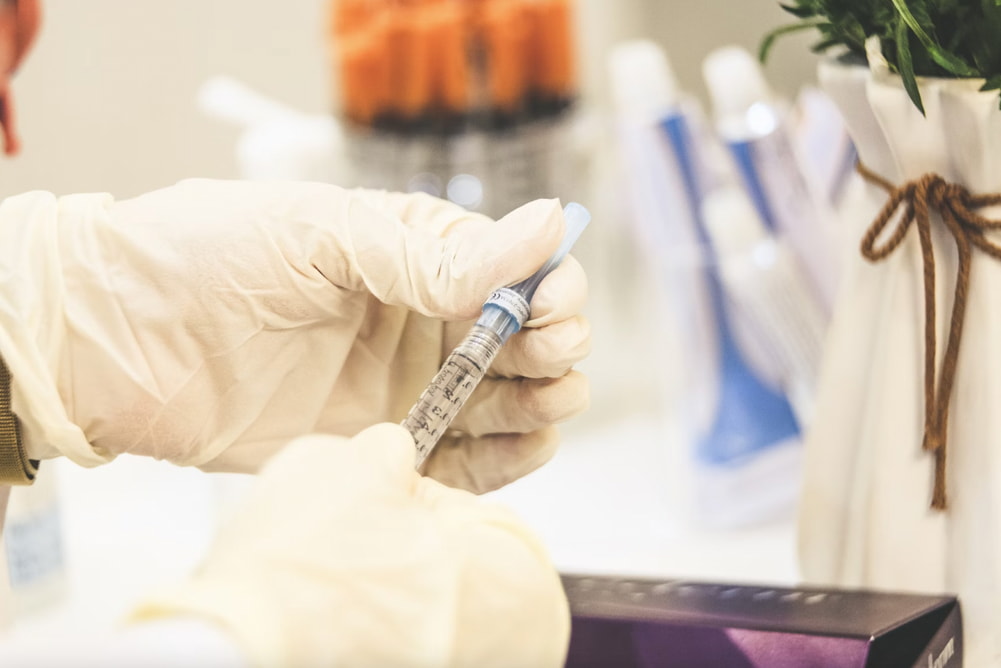
Dermal filler is not to be confused with Botulinum Toxin, or botox. When getting dermal fillers to treat wrinkles, one of the above substances is injected underneath the skin to smooth the desired areas. Botox, on the other hand, paralyzes the muscles in the face to prevent wrinkles from showing.
Let’s say you want to reduce your nasolabial wrinkles (these are the wrinkles that appear between your nose and mouth when you smile). Dermal filler stretches out that skin so you can’t see the fillers; botox, on the other hand, paralyzes those muscles so you can’t smile enough for wrinkles to show.
So, what happens when you actually get a dermal filler?
When getting dermal fillers, it is essential to go to a medical practitioner. There are options to purchase fillers online from the black market, but these fillers often contain non-sterile materials that can cause irreparable damage to the appearance and nerves of the face. Injecting fillers yourself can be extremely dangerous.
If you go to a medical practitioner for fillers, first, you’ll have to have a consultation with your doctor concerning your goals for the treatment. You will be asked about pre-existing medical conditions, medications, previous procedures, allergies, substance use, and anything else that may impact your reaction to a medical procedure.
Your healthcare provider will ensure that you have a healthy outlook on your appearance and aren’t getting filler out of mental duress. You’ll be made aware that it is rare the results will look exactly like your ideal. A picture may be taken of your face for comparison purposes.
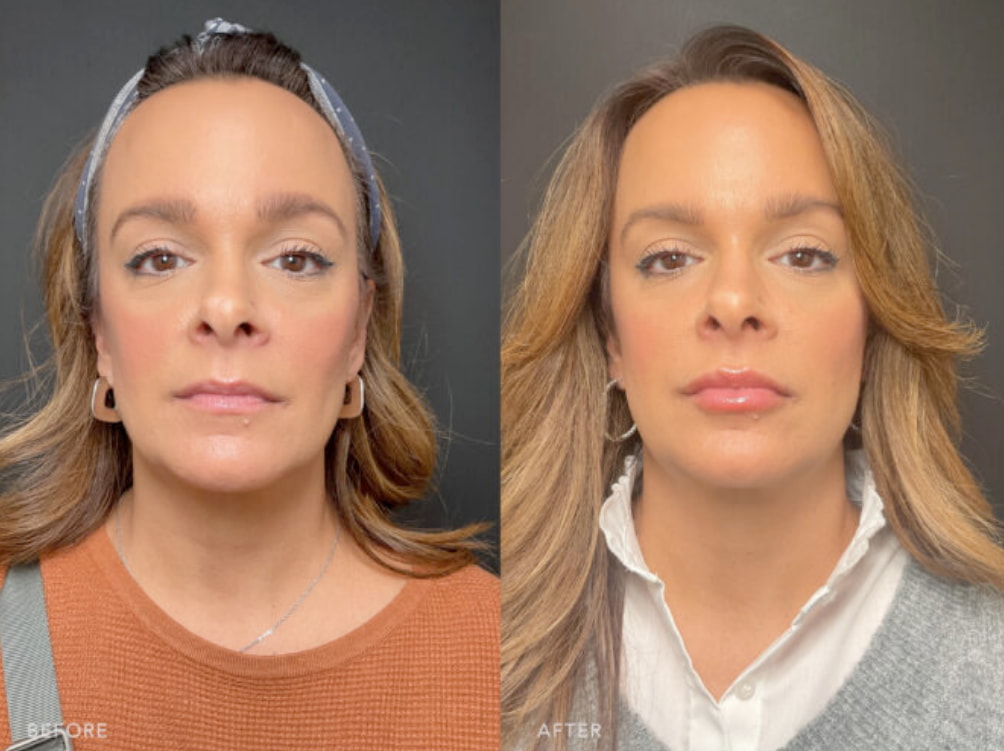
Because dermal fillers are minimally invasive, you generally do not have to go to a hospital or be administered general anesthetic. They are often done under local anesthesia at a doctor’s office. Alternatively, some people get dermal fillers at a medical spa, which combines the procedure with a spa-day—however, practitioners at medical spas can sometimes be subject to less oversight than a traditional doctor’s office.
The time required to get fillers is relatively short, ranging from about five to thirty minutes per site of injection, and you can usually return back to work the same day you get fillers. You’ll be asked to stay upright for about four hours after the procedure, and to sleep upright for the first few days. Total recovery time takes up to four weeks, although the swelling is mostly resolved by week two.
Even though dermal fillers are minimally invasive and often temporary, as with any procedure, there are risks. Swelling, bruising, and itching are associated with the recovery process from dermal fillers, but have the potential to persist months or even years after the initial injection.
Less common, yet more severe, side effects include:
- Bleeding
- Scarring
- Lumps
- The filler being visible
- Migration of the filler
- Skin necrosis (death of the skin around the filler)
- Bacterial infection
And, as with all cosmetic surgeries, there is always a chance you will be dissatisfied with the result.
The ease and safety of getting dermal fillers and the variety of options available makes it easy to understand why they’ve become so popular. But it’s important to understand that a cosmetic procedure, no matter how minor, has the potential to semi-permanently change your appearance.
Before making the decision to get surgery, it’s important to self-reflect: are the risks of plastic surgery worth the benefits? What will you do if the worst case side effects happen? Is the result you’re seeking realistic?
If you decide to seek a dermal filler, it’s essential to research all your options for different fillers, and scrutinize your doctors to ensure you will receive the best treatment possible. In starting your research, you might want to look into Dr. Elizabeth Wakim DDS, a highly rated doctor who performs dermal fillers, operating out of Washington County, PA. Being informed about your procedure is the best way to make sure you get the results you want.

Dr. Elizabeth Wakim, DDS, is the founder of Enhanced Wellness. She’s a compassionate and highly-regarded dentist with her own practice in Washington, Pennsylvania, known for providing modern, comprehensive dental care, botox and facial aesthetics with a focus on patient comfort and anxiety reduction, serving general, cosmetic, and pediatric dentistry needs.