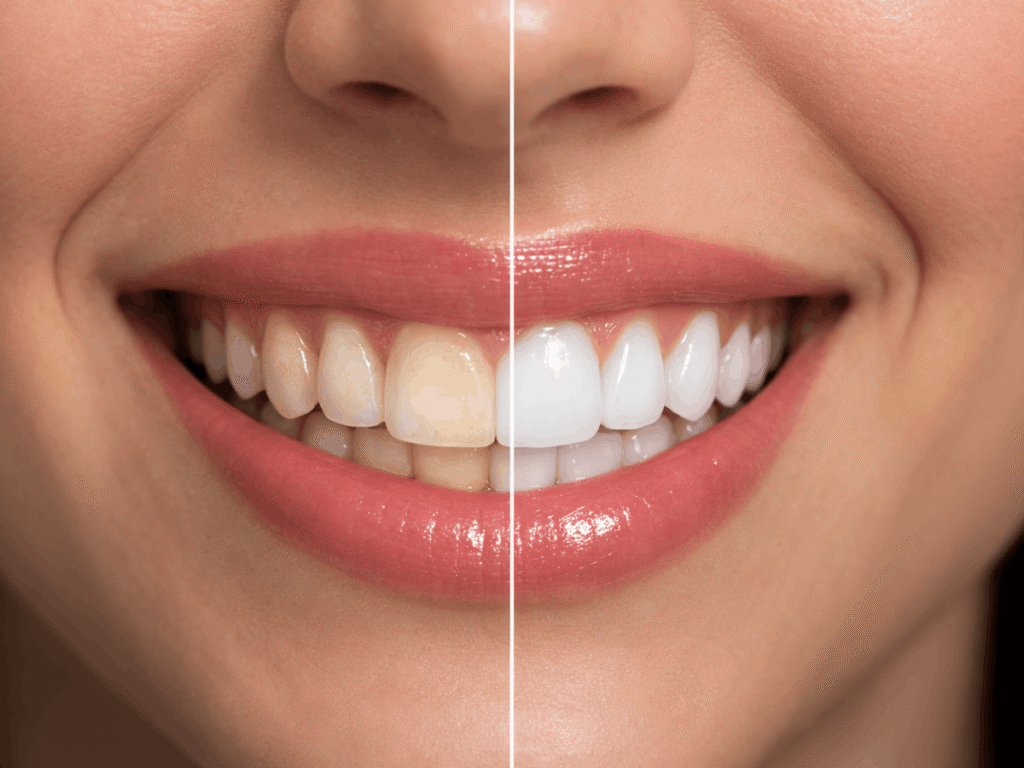
Composite bonding has become a popular option for improving the appearance of small chips, uneven edges, or gaps between teeth. The treatment can often be completed in a single visit and blends naturally with surrounding enamel, which is why many patients choose it as a simple way to refresh their smile.
But once the bonding is complete, most people start thinking about the same thing: how it will look months or years down the line. How the material responds often depends on daily habits, polishing techniques, and long-term maintenance.
At Enhanced Wellness, cosmetic dental treatments are approached with careful planning and modern diagnostic tools so patients can make informed decisions about their smile. During a consultation, the condition of the teeth, lifestyle habits, and long-term goals are reviewed to determine whether composite bonding is the right solution and how to help it maintain its appearance over time.
Will Composite Bonding Stay White Over Time?
Composite bonding typically lasts about 5 to 7 years, and sometimes up to 10 years with excellent care, before maintenance or replacement may be recommended. During that time, the material can gradually pick up pigments from everyday foods and drinks.
The bonding material is a tooth-colored resin designed to blend with natural enamel. While it is durable and polished to a smooth finish, it is slightly more porous than enamel, which means it can slowly absorb color over time.
Because of this, bonded areas may slowly change in shade over the years rather than immediately after treatment. Most patients find that composite bonding continues to look natural for a long time, especially when the surface is well-polished and supported by consistent oral care.
Color changes in composite bonding are often linked to daily habits and oral health routines. Practices emphasized in preventive dentistry help maintain both natural tooth enamel and the appearance of cosmetic restorations.
How Quickly Can Composite Bonding Stain?
Composite bonding does not usually stain right away, but discoloration can begin sooner than many people expect. The bonding material is polished during the procedure, yet the surface continues to stabilize shortly afterward. Because of this, the early period after treatment can influence how well the bonding maintains its color.
The First 24–48 Hours After Treatment
The first 24 to 48 hours after bonding are generally considered the most sensitive period for staining. During this time, the material is still settling, which makes it easier for pigments to attach to the surface if aftercare guidance is not followed.
Early Staining vs Gradual Discoloration
When staining appears shortly after treatment, it is often considered early staining. This usually occurs if the bonding surface is exposed to strong pigments during the initial stabilization period.
Gradual discoloration is different. In these cases, the shade change develops slowly over time rather than appearing soon after the procedure.
How Lifestyle Habits Affect the Timeline
The timeline for staining can vary from person to person. Daily habits, oral hygiene routines, and long-term wear can all influence how quickly discoloration becomes noticeable.
For many patients, composite bonding maintains its natural appearance for years before any noticeable change in color occurs.
Within cosmetic dentistry, materials like composite bonding are designed to blend naturally with teeth, but their appearance can change gradually. Staining does not happen instantly, though several factors influence how bonding looks over time
The Most Common Causes of Staining in Composite Bonding

When people think about staining, coffee is usually the first thing that comes to mind. In reality, several everyday habits can influence how quickly composite bonding begins to change color.
- Coffee and Tea: Dark beverages such as coffee and tea contain strong pigments that can gradually attach to the bonding surface. Frequent consumption increases exposure to staining agents, which may lead to stained bonding over time.
- Red Wine and Dark Sauces: Pigmented foods like red wine, soy sauce, balsamic vinegar, and tomato-based sauces can cling to both bonding and tooth enamel. Regular exposure may slowly affect the color of the restoration.
- Smoking and Vaping: Tobacco use, including smoking or chewing tobacco, can contribute to persistent staining. Nicotine and tar are known to darken both dental restorations and natural teeth.
- Poor Oral Hygiene: When plaque and food particles remain on teeth, pigments from staining foods have more opportunity to settle on the bonding surface. Maintaining good oral hygiene, including brushing and flossing, helps prevent stains and maintain better stain resistance.
Over time, these everyday exposures can slowly influence how bright bonded teeth appear.
Why Composite Bonding Stains in the First Place
Composite bonding is designed to match the color and texture of natural teeth, but the material behaves differently from enamel. Understanding how the material interacts with its environment helps explain why staining can occur.
The Porous Nature of Composite Resin
The composite material used in dental bonding contains microscopic pores that natural tooth enamel does not. Because of this structure, bonding can gradually absorb stains from everyday foods and beverages. Over time, these pigments may cause subtle discolored teeth or stained dental bonding, especially when exposure to strongly colored foods is frequent.
Surface Roughness and Polishing
After bonding is placed, the dentist carefully shapes and polishes the restoration so it blends seamlessly with the surrounding tooth. A smooth finish helps improve stain resistance, while rougher surfaces allow pigments to cling more easily. With proper care and periodic polishing during routine dental visits, patients can often maintain longer composite bonding results.
Pigments That Attach to the Bonding Surface
Many pigmented foods, beverages, and acidic foods contain compounds that attach to dental surfaces in the same way they affect enamel. Studies show that people with a high-acid diet (pH ≤ 3.5) experience significantly higher enamel erosion, with about 68.75% showing measurable wear. Because bonding is slightly more porous than enamel, frequent exposure to these foods and drinks may gradually influence the shade of the restoration.
Natural Wear Over Time
Like natural teeth, composite bonding experiences normal wear from daily chewing and brushing. Over time, this wear can subtly change the surface texture of the material. As the surface changes, it may become more prone to holding onto pigments, which can contribute to gradual discoloration.
These material properties are the reason composite bonding can slowly take on color from everyday exposure.
How to Prevent Composite Bonding from Staining
Composite bonding can maintain its appearance for many years when a few simple habits become part of daily routines. Because the material sits on the surface of the tooth, small adjustments can help limit how easily pigments settle on the bonding.
- Smart habits after eating or drinking: Rinsing your mouth with water after consuming coffee, tea, red wine, or other dark colored beverages helps wash away food particles and early staining agents before they settle on the bonding surface.
- Using a straw for staining beverages: Drinking beverages through a straw limits contact with the front teeth, reducing exposure to pigments that can contribute to a dental bonding stain.
- Choosing the right toothpaste: A non-abrasive toothpaste helps protect the smooth surface of the bonding. Harsh brushing or abrasive formulas can roughen the material and accelerate staining.
- The importance of professional polishing: Routine dental visits and professional cleanings allow a dentist to smooth the bonding surface and remove surface stains, helping maintain its appearance.
- Daily oral care habits: Maintaining good oral hygiene, brushing twice daily and flossing regularly, helps remove plaque and reduces the buildup of pigments that may affect both bonding and tooth enamel.
Keeping the bonding surface smooth and limiting repeated exposure to strong pigments can go a long way in maintaining its natural appearance.
Composite Bonding and Long-Term Color Changes
Composite bonding is designed to blend naturally with your smile, and many patients find that it continues to look bright for years. While the material can gradually pick up pigments from everyday foods and drinks, these changes typically develop slowly rather than appearing suddenly.
Even when patients consider treatments such as teeth whitening for surrounding teeth, composite bonding often keeps its natural shade for years when the surface is properly maintained and checked during routine dental visits.
Our team is committed to protecting your smile with gentle, personalized care. If you’re considering composite bonding or have questions about maintaining its appearance, we’re here to help. Contact our Pennsylvania office at (724) 558-8222 or use our contact form to schedule a visit and receive guidance tailored to your oral health needs.

Dr. Elizabeth Wakim, DDS, is the founder of Enhanced Wellness. She’s a compassionate and highly-regarded dentist with her own practice in Washington, Pennsylvania, known for providing modern, comprehensive dental care, botox and facial aesthetics with a focus on patient comfort and anxiety reduction, serving general, cosmetic, and pediatric dentistry needs.