Makeup can change your whole vibe in minutes, but there is always that lingering question: does makeup damage your skin? Your routine and your ingredients matter far more than the makeup itself.
This guide gives you the real story. No fear tactics. No beauty myths. Just clear facts on how makeup interacts with your skin and how to keep your skin barrier healthy while still enjoying the products you love.
At Elizabeth L. Wakim DDS, we pay close attention to how lifestyle habits influence both oral health and overall skin wellness. We stay current with research in cosmetic science and patient health so we can guide you toward choices that support your confidence, your appearance, and your long-term care goals. If you need personalized recommendations, our team can help you create a routine that protects your skin and enhances your natural glow.
How Makeup Interacts With Your Skin
The global beauty industry generates more than four hundred fifty billion dollars each year, which means people use a wide range of cosmetic products with very different formulas. Before looking at the risks, it helps to understand what makeup actually does once it sits on your skin. Makeup products interact with the skin in specific ways, and the impact depends on how they are formulated and how you use them.
Your Pores

Pores release oil and sweat. When makeup settles on the skin, it can mix with oil and dead skin cells. This is normal, but buildup becomes a problem when the skin is not cleansed properly at the end of the day.
Your Skin Barrier

The skin barrier protects against dryness, bacteria, and irritation. Makeup does not damage it by default. Issues occur when formulas are too heavy, too fragrant, or too drying for your skin type.
Your Natural Oils

Sebum keeps skin soft and balanced. Some makeup can disrupt this balance. Occlusive products may trap oil, while drying products may strip it, which can lead to irritation or breakouts.
Why This Matters
These systems work together. Understanding how makeup interacts with them helps explain why some people experience problems while others do not. The outcome depends on ingredients, application habits, and how consistently you cleanse and care for your skin.
When your routine works with your skin instead of against it, makeup stays enjoyable and your complexion stays clear, balanced, and healthy.
What Science and Dermatologists Say: Possible Negative Effects
Studies show that makeup related side effects can affect roughly twenty to more than forty percent of users, which helps explain why makeup itself is not automatically harmful but can still create problems when certain ingredients or habits are involved. Dermatologists often see predictable patterns of irritation and breakouts, especially when products do not match a person’s skin type or when makeup is left on too long.
Here are the concerns most supported by research and clinical experience:
- Clogged pores and breakouts: Makeup can mix with oil and dead skin cells, which may block pores and lead to blackheads, whiteheads, or acne cosmetica.
- Skin irritation and sensitivity: Fragrances, alcohols, preservatives, and dyes can irritate reactive skin. Repeated exposure may cause redness, stinging, or dryness.
- Disrupted skin barrier: Harsh or unsuitable formulas can weaken the outer layer of the skin. A strained barrier may lead to dryness, flaking, and inflammation, which can worsen existing acne scars.
- Uneven texture and dullness: Sleeping with makeup on or wearing it for long periods can slow natural skin renewal. This may contribute to rough texture or visible pores.
- Pigmentation issues: Irritation can trigger post inflammatory hyperpigmentation, which results in dark spots or uneven tone, especially in medium to deeper skin tones.
- Allergic reactions: Some ingredients can cause itching, swelling, or rashes. People with sensitive skin benefit from patch testing new products.
When Makeup Can Be Pretty Safe
Research shows that a significant number of cosmetic users experience negative reactions, with some studies reporting rates as high as forty four percent for issues such as acne, redness, and itching. Makeup is not harmful by default. The key is choosing products that work with your skin, not against it. When formulas are gentle and your routine supports your skin barrier, makeup fits comfortably into a healthy skincare routine.
Choosing the Right Formula
Products labeled non comedogenic, fragrance free, or suitable for sensitive skin are less likely to clog pores or irritate your complexion. Lighter formulas often work better for acne prone or oily skin, while hydrating formulas support dry skin.
Using Clean Tools
Brushes and sponges collect oil, bacteria, and product buildup. Regular cleaning helps prevent breakouts and keeps makeup from settling unevenly on the skin.
Following Proper Removal Habits
Removing makeup fully every night is one of the most effective ways to protect your skin. Gentle cleansers and balanced routines keep the barrier healthy and reduce irritation.
Giving Your Skin Breaks
Makeup free days allow your skin to rebalance its natural oils and recover from environmental stress. Even occasional breaks make a noticeable difference for many people.
Pairing Makeup With a Solid Skincare Routine
Hydrating moisturizers, sunscreen, and barrier supporting ingredients help your skin tolerate makeup more easily. When the skin barrier is strong, irritation and breakouts become less common.
How to Wear Makeup Without Damaging Your Skin
You can enjoy makeup and keep your skin healthy at the same time. The key is being intentional with your products and your routine. Small habits make a noticeable difference in how your skin responds.
1. Choose Products That Match Your Skin Type
Pick formulas that work with your skin’s needs. Mineral makeup and non comedogenic cosmetic products help prevent clogged pores. Hydrating bases support dry skin, while oil free or lightweight options help limit acne breakouts in oily or acne prone skin. Your skin depends on choosing products that fit your individual skin concerns.
2. Prep Your Skin Before Applying Makeup
Clean, moisturized skin creates a smoother surface and reduces the chance that makeup can clog pores or irritate skin. A simple routine of cleansing, hydrating, and adding sunscreen helps protect the skin barrier from lines and wrinkles, uneven texture, and premature aging.
3. Apply Makeup With Clean Tools
People wear makeup for many reasons, including confidence and self esteem, but tools that are not cleaned regularly can introduce bacteria. This can lead to more harm such as enlarged pores, breakouts, or irritation. Washing brushes and sponges often helps prevent skin issues and improves how your makeup sits on the skin.
4. Avoid Layering Too Many Products
Heavy makeup can trap oil, sweat, and debris around pores and sweat glands. Stacking primers, foundations, and powders increases the chance that makeup can clog pores and contribute to potential negative effects such as dullness or rough texture. Using fewer layers often feels lighter and looks more natural.
5. Remove Makeup Every Night
Consistent cleansing is one of the most important habits. Leaving makeup on overnight increases the chance of clogged pores, wrinkles, and irritation. Use a makeup remover or an oil based cleanser to dissolve buildup without over scrubbing. Follow with a mild cleanser to maintain a healthy skin barrier.
6. Support Your Skin Barrier Daily
Healthy skin is more resilient to prolonged use of cosmetic products. Hydrating moisturizers, antioxidants, and sunscreen help reduce irritation and protect against environmental stress. A strong barrier also lowers the risk that certain cosmetics or expired makeup will irritate skin or lead to long term concerns.
7. Watch for Sensitivity or Breakouts
If a product causes redness, eye irritation, or new breakouts, stop using it. Some ingredients may trigger reactions or affect the skin over time. This is especially important with eye makeup or products that contain fragrance, dyes, or potential endocrine disruptors. Patch testing helps you avoid reactions before they develop into larger skin issues.
Supporting Your Skin While Enjoying Your Makeup Routine
Makeup does not automatically harm your skin. The way you choose products, cleanse your face, and care for your skin each day has a far greater impact on long term skin health. When your routine supports your skin barrier, makeup becomes something you can enjoy without worrying about irritation, breakouts, or uneven texture.
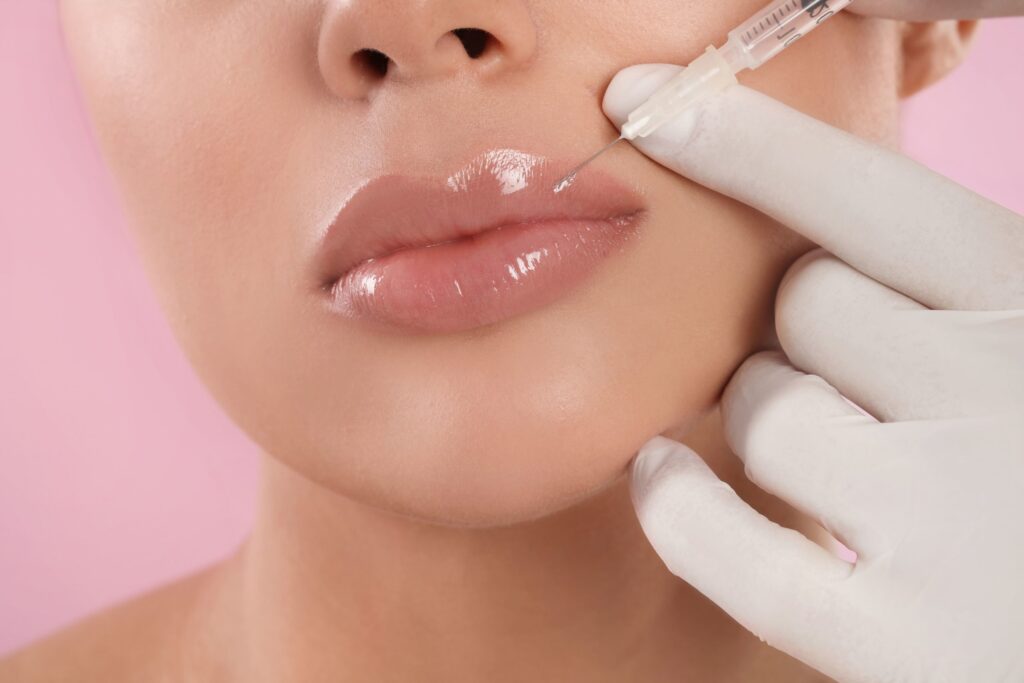
Small, consistent habits make the biggest difference, and even treatments that support overall facial balance, such as filler injection guidance, remind us of how important it is to choose options that work with your natural features. Choosing gentle formulas, cleaning your tools, and removing makeup every night helps your skin stay balanced and clear. With the right approach, your skin can look and feel its best while you still enjoy the products that help you feel confident.
Our team is committed to supporting your overall wellness with thoughtful, personalized care. If you have concerns about skin sensitivity, irritation linked to daily habits, or need guidance choosing the right products for your routine, we are here to help. Contact our Pennsylvania office at (724) 558-8222 or use our contact form to schedule a visit and get support tailored to your needs.

Dr. Elizabeth Wakim, DDS, is the founder of Enhanced Wellness. She’s a compassionate and highly-regarded dentist with her own practice in Washington, Pennsylvania, known for providing modern, comprehensive dental care, botox and facial aesthetics with a focus on patient comfort and anxiety reduction, serving general, cosmetic, and pediatric dentistry needs.