Aging changes the body in real, measurable ways, and dental health is no exception. Gums become more fragile, enamel wears down, saliva production slows, and medications often make dry mouth worse. Small issues that once resolved quickly can linger, spread, or interfere with overall health if daily care doesn’t adapt.
This guide breaks down what actually changes in the mouth as we age, which oral hygiene habits matter most for older adults, and how to adapt daily care to reduce discomfort, slow avoidable damage, and support long-term health.
At Elizabeth L. Wakim DDS, we focus on preventive, personalized dental care at every stage of life, using modern diagnostics and evidence-based recommendations to help patients manage age-related oral changes with clarity and confidence.
How Aging Changes Your Mouth
Aging affects the mouth in ways that are gradual but meaningful. These changes do not mean oral health is out of reach, but they do require different care than what worked earlier in life.
Enamel Wear
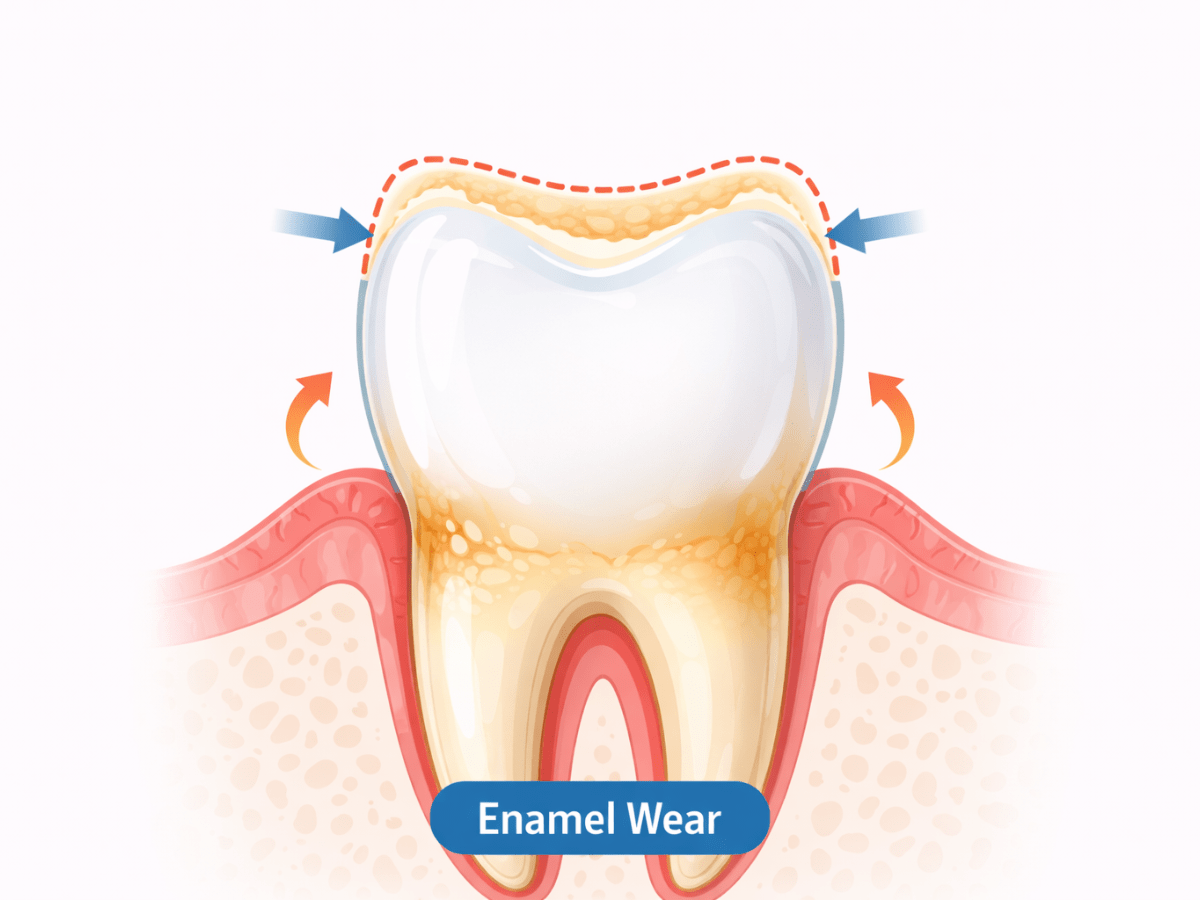
Tooth enamel naturally thins over time. Decades of chewing, brushing, and exposure to acidic foods and drinks slowly wear it down. As enamel weakens, teeth become more sensitive to temperature and more prone to cavities and fractures. Older adults are also more likely to experience wear that exposes the dentin beneath the enamel, which increases discomfort and decay risk.
Gum Recession
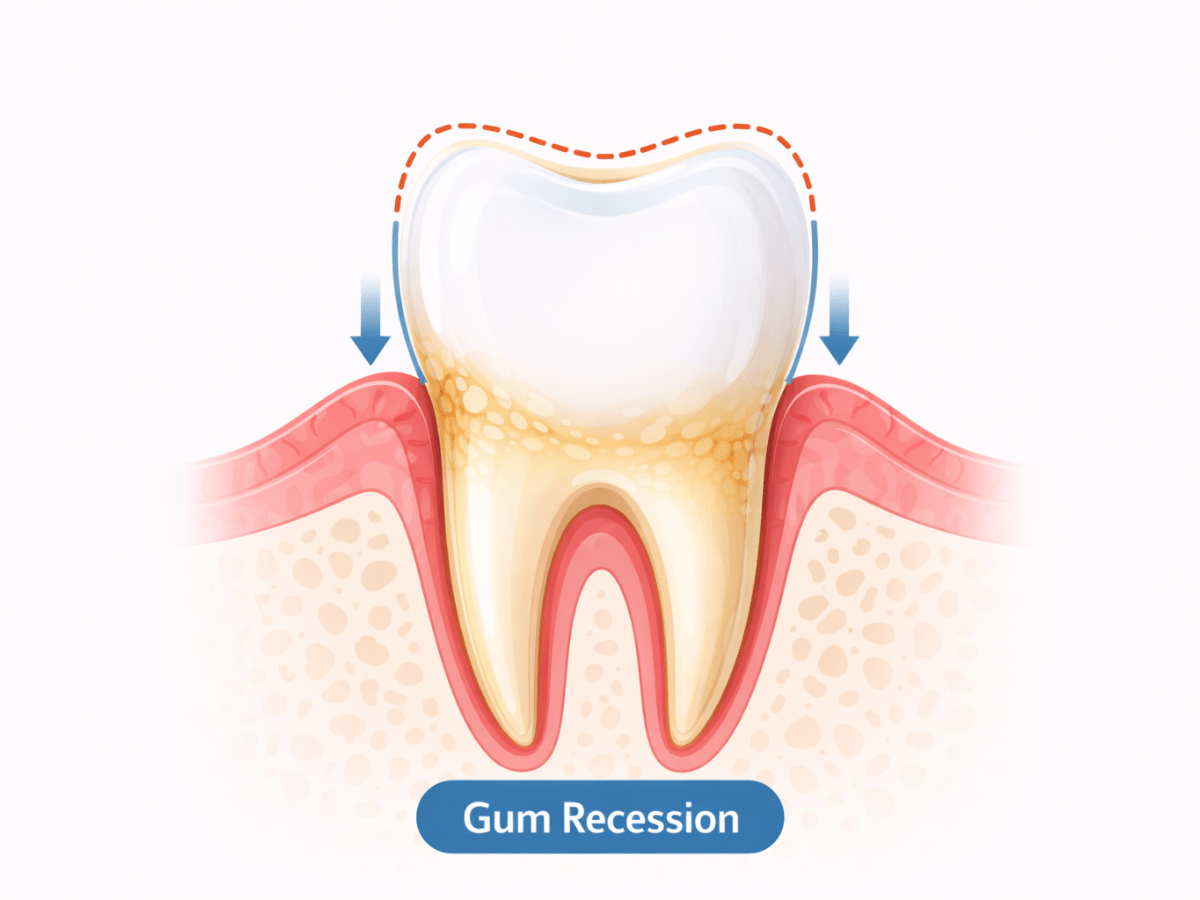
Gum recession becomes more common with age, often due to long-term inflammation, periodontal disease, or brushing habits that were too aggressive earlier in life. When gums pull back, tooth roots become exposed. These areas lack the protective enamel that crowns have, making them more vulnerable to decay and sensitivity. Receding gums also create spaces where bacteria can collect, increasing the risk of infection.
Dry Mouth
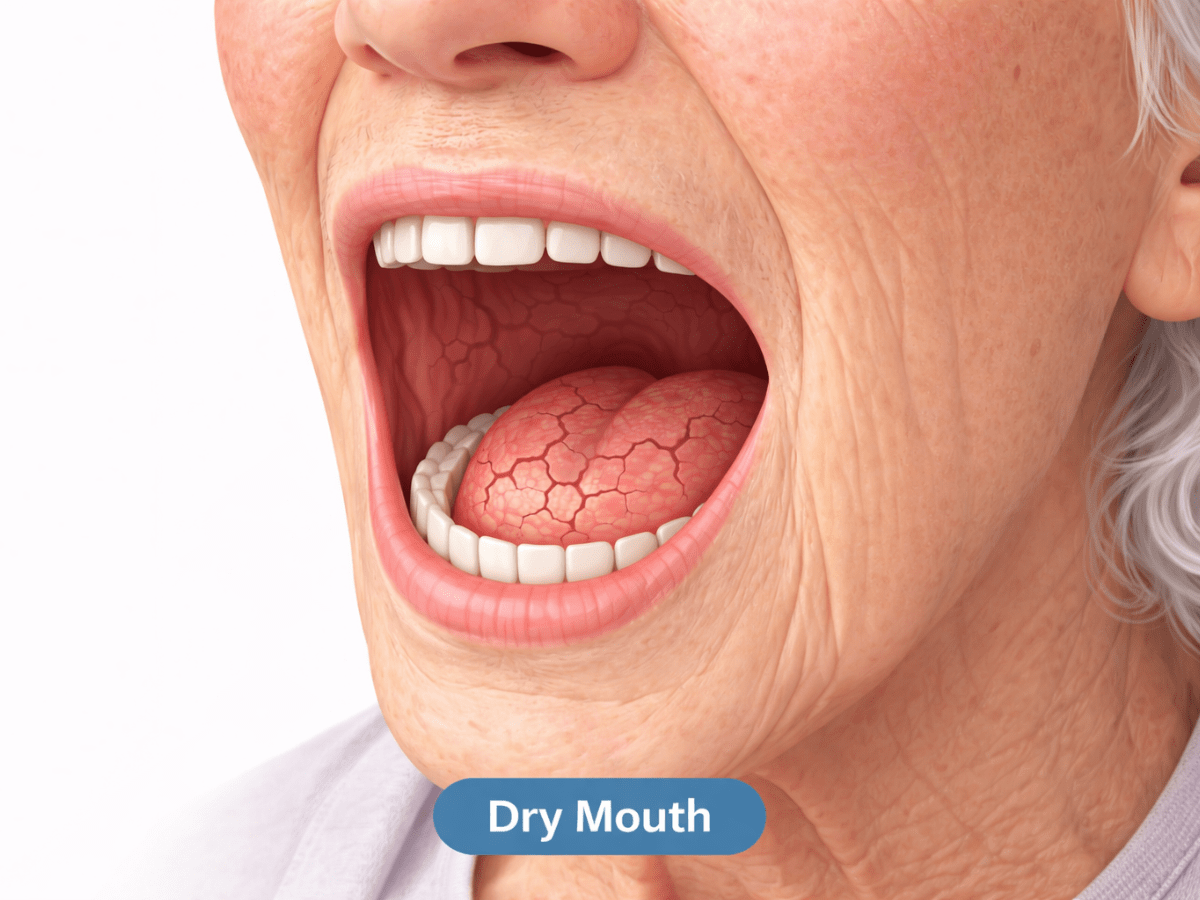
Saliva plays a critical role in oral health. It helps neutralize acids, wash away food particles, and control harmful bacteria. As people age, saliva production often decreases. A dry mouth makes it easier for plaque to build up and harder for the mouth to protect itself, leading to higher rates of cavities, gum disease, and oral discomfort.
Medications and Saliva

Many medications commonly prescribed later in life reduce saliva as a side effect. These include treatments for high blood pressure, depression, anxiety, allergies, Parkinson’s disease, and chronic pain. When saliva flow is reduced, the mouth loses one of its strongest natural defenses. Without adjustments to daily oral hygiene, dental problems can progress more quickly.
Tooth Loss
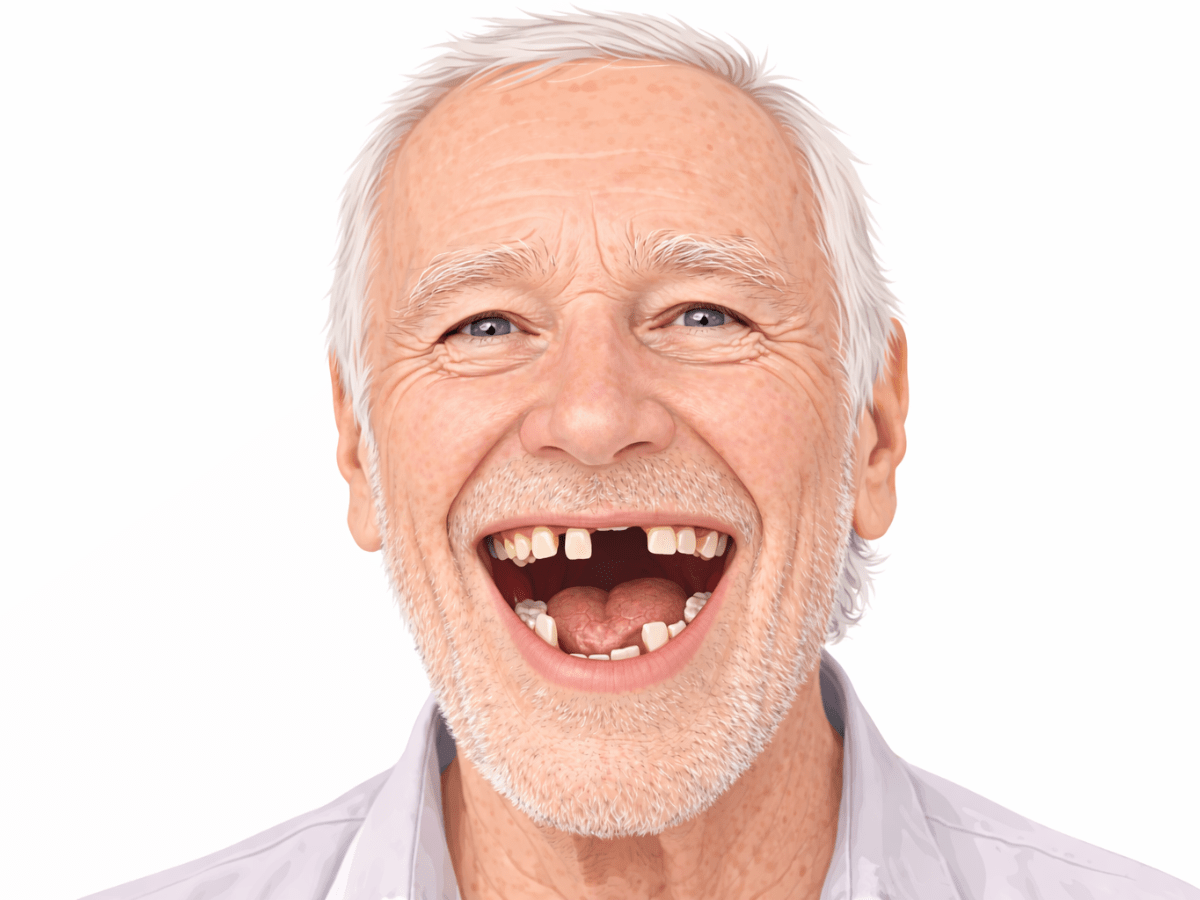
Tooth loss is often seen as an expected part of getting older, but it is usually a sign of underlying issues rather than age itself. Advanced gum disease, untreated decay, and long-term dry mouth are common causes. Losing teeth can affect chewing, nutrition, speech, and jawbone health. Preventing tooth loss depends on identifying problems early and adapting oral care to meet the changing needs of the aging mouth.
Understanding these changes and how preventive dental care supports aging smiles helps explain why elderly oral hygiene needs to evolve over time.The goal is not to reverse aging, but to reduce avoidable damage, manage risk factors early, and maintain long-term oral health while supporting overall quality of life.
Daily Oral Hygiene: Practical, Real-World Steps
As the mouth changes with age, oral hygiene routines need to change too. What worked earlier in life may no longer be enough, or may even cause damage if habits are too aggressive. The focus shifts from doing more to doing things correctly and consistently.
How to Brush Effectively at Any Age
- Use a soft bristled toothbrush to reduce enamel wear and protect gums that may be receding.
- Consider an electric toothbrush if grip strength or hand mobility is limited, since it provides consistent plaque removal with less effort.
- Brush with fluoride toothpaste to help strengthen weakened enamel and lower the risk of cavities.
- Clean between teeth every day using a method that is comfortable and realistic, such as floss picks, interdental brushes, or a water flosser when traditional floss is difficult to use.
Cleaning Dentures, Implants, and Bridges
- Remove and clean dentures daily using a denture brush and a nonabrasive cleanser to prevent buildup and irritation.
- Avoid regular toothpaste on dentures, as it can scratch the surface. Clean the gums and tongue before reinserting dentures.
- Clean around dental implants every day to remove plaque and reduce the risk of inflammation and bone loss.
- Focus on cleaning beneath bridges, since plaque can collect under the artificial tooth where a toothbrush cannot reach.
Daily oral care may become difficult due to arthritis, vision changes, mobility limitations, or cognitive decline. When hygiene is no longer done effectively, assistance from a caregiver may be needed. Addressing this early helps reduce infection risk, discomfort, and tooth loss. Needing help reflects physical changes, not neglect.
Mouth Signals You Shouldn’t Ignore
Changes in the mouth are easy to dismiss, especially when they do not cause immediate pain. In older adults, even subtle symptoms can signal infection, advanced gum disease, or other conditions that require attention.
- Spots or sores: White or red patches, ulcers, or sores that do not heal within two weeks should always be checked. Persistent lesions may be linked to infection, irritation from tobacco products, or conditions such as human papillomavirus, which is known to affect oral tissues.
- Lumps or swelling: Unexplained swelling or thickened tissue in the mouth, jaw, or neck may signal infection or inflammation. In some cases, imaging such as X-rays or referral for oral surgery is needed to rule out deeper oral health problems.
- Bleeding gums: Gums that bleed easily are not caused by brushing too hard. They are often linked to dental plaque buildup and gum disease. Without consistent good oral hygiene, gum inflammation can worsen and contribute to heart disease, diabetes, and other chronic illnesses connected to oral inflammation.
- Loose or painful teeth: Teeth that feel loose or hurt when chewing are not a normal part of aging. They may indicate bone loss, advanced gum disease, or infection. Left untreated, these issues often lead to tooth loss and reduced chewing ability, which affects nutrition and overall well being.
When symptoms escalate, timely restorative dental care becomes especially important. Seek oral health care right away if there is worsening pain, facial or jaw swelling, pus, fever, or difficulty chewing or opening the mouth. Early evaluation by a dentist or doctor allows treatment before problems spread or begin to affect broader health care needs.
Diet and Lifestyle That Boosts Elderly Oral Hygiene
Diet and daily habits directly affect saliva, gums, and cavity risk as we age.
Foods That Support Saliva and Gum Health
Saliva is one of the mouth’s strongest defenses against oral disease and dental caries. It helps neutralize acids, wash away bacteria, and protect enamel. Foods that require chewing, such as apples, carrots, and celery, naturally stimulate saliva flow and help keep the mouth cleaner between meals.
Dairy products like milk, yogurt, and cheese provide calcium and phosphates that strengthen enamel and support the teeth and gums. Vitamin C–rich foods, including citrus, berries, and leafy greens, support gum tissue and healing, which is especially important for those with underlying health conditions or a decreased ability to fight infection.
Limiting frequent sugary foods is equally important. Repeated sugar exposure feeds harmful bacteria and accelerates tooth breakdown, particularly in many older adults who already face higher cavity risk.
Hydration Strategies for Dry Mouth
Dry mouth is common with age and often linked to certain medications used to manage chronic conditions. Simply put, dry mouth means there is not enough saliva to protect teeth effectively, increasing the risk of cavities and gum disease.
Sipping water regularly throughout the day helps keep tissues moist and lowers cavity risk. Sugar-free gum or lozenges can also stimulate saliva. Alcohol-based mouthwashes should be avoided, as they can worsen dryness and irritation. Managing dry mouth is a key part of maintaining a healthy mouth, especially for individuals with physical limitations or cognitive impairment who may struggle with daily care routines.
Smoking and Alcohol
Smoking reduces blood flow to the gums, slows healing, and significantly increases the risk of gum disease, missing teeth, and oral cancer. Alcohol further dries oral tissues and increases irritation. When people regularly drink alcohol and use tobacco together, age-related oral problems become harder to control and more likely to progress.
From a public health perspective, reducing tobacco and alcohol use is one of the most effective ways to protect oral and overall health, according to data referenced by health and human services agencies and dental research organizations.
Understanding available tooth replacement options such as dentures can be part of that conversation. If changes in eating, dryness, or discomfort start to interfere with daily routines, it is important to talk with a dental professional. Ongoing care informed by dental and craniofacial research helps ensure that aging does not have to mean declining oral health.
Caring for Oral Health as You Age
Aging brings predictable changes to the mouth. Enamel wears down, gums become more vulnerable, saliva decreases, and daily care can become harder to manage. These shifts increase risk, but they do not make dental problems inevitable. Most serious issues develop when oral hygiene routines stay the same while the mouth changes.
Elderly oral hygiene works best when care is adjusted early, habits remain consistent, and warning signs are taken seriously. Using the right tools, addressing dry mouth, and getting support when daily care becomes difficult can help reduce discomfort, prevent infection, and protect overall health.
Our team is committed to helping patients maintain oral health at every stage of life with gentle, personalized care. If you or a loved one are managing dry mouth, gum changes, tooth sensitivity, or need guidance on adapting daily oral hygiene as you age, we are here to help. Contact our Pennsylvania office at (724) 558-8222 or use our contact form to schedule a visit and receive care tailored to your oral health needs.

Dr. Elizabeth Wakim, DDS, is the founder of Enhanced Wellness. She’s a compassionate and highly-regarded dentist with her own practice in Washington, Pennsylvania, known for providing modern, comprehensive dental care, botox and facial aesthetics with a focus on patient comfort and anxiety reduction, serving general, cosmetic, and pediatric dentistry needs.