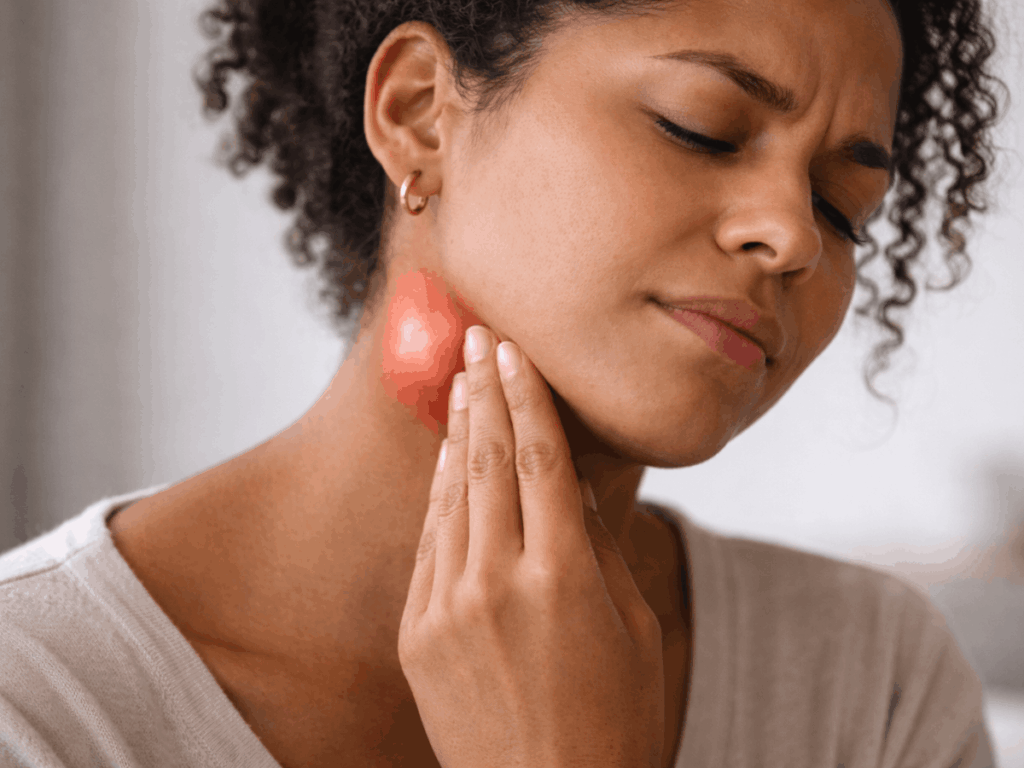
You probably wouldn’t think bleeding gums could have anything to do with that random skin rash on your chin or cheeks, but your body loves to prove otherwise. When your gums are inflamed, it’s not just a mouth problem. That same inflammation can travel through your bloodstream, stirring up reactions in unexpected places, including your skin. It’s a reminder that your skin’s glow starts deeper than your favorite cleanser. It starts with your gums.
In this guide, you’ll learn what gingivitis skin rash really means, how oral health can influence your complexion, and which small daily habits can protect both your smile and your skin.
At Elizabeth L. Wakim DDS, we understand that oral health goes far beyond your smile. Our team takes a whole-body approach to dental care, helping patients identify and treat concerns like gingivitis before they affect other areas of wellness, including the skin. Through advanced diagnostics, gentle treatments, and personalized care, we aim to protect not just your teeth but your overall health from the inside out.
What Is Gingivitis?
Gingivitis is the earliest stage of gum disease. It occurs when plaque, a sticky film of bacteria, builds up along the gumline and irritates the surrounding tissue. Over time, this irritation causes redness, swelling, and bleeding, especially when brushing or flossing.
Most people experience mild gingivitis at some point, but the condition is reversible with proper care. If left untreated, it can progress to periodontitis, a more serious form of gum disease that affects the bone supporting your teeth.
Common causes include poor brushing habits, skipped dental cleanings, smoking, hormonal changes, and stress. Diets high in sugar or processed foods can also feed oral bacteria, increasing inflammation and gum sensitivity.
Gingivitis affects all age groups. Patients often experience it too because of busy routines, frequent snacking, and habits like coffee drinking or vaping. These lifestyle factors can alter the mouth’s pH and make gums more prone to irritation.
What Your Skin Is Trying to Tell You About Your Gums
A skin rash is your body’s way of signaling irritation or inflammation on the surface. It can appear as redness, bumps, itching, or dry patches that make the skin look and feel different than usual. Rashes can be caused by many factors, including allergic reactions, stress, diet, and internal inflammation.
In the context of oral health, we’re referring to skin irritation that appears around the mouth, jawline, or cheeks and may flare up when gum inflammation is present. Some people notice small red patches, acne-like bumps, or sensitive areas that seem to come and go without an obvious cause.
While these symptoms might look like common skin issues such as eczema, perioral dermatitis, or acne, the trigger can sometimes start deeper in the mouth. When bacteria from the gums enter the bloodstream, the immune system reacts, and that reaction can show up on your skin.
Understanding how the mouth and skin are connected is the first step to treating both effectively. In some cases, inflammation in the gums can affect how the skin reacts, as noted in how gingivitis affects your skin too. By identifying inflammation early, you can help protect not only your smile but also your complexion.
The Science Behind the Gum–Skin Connection
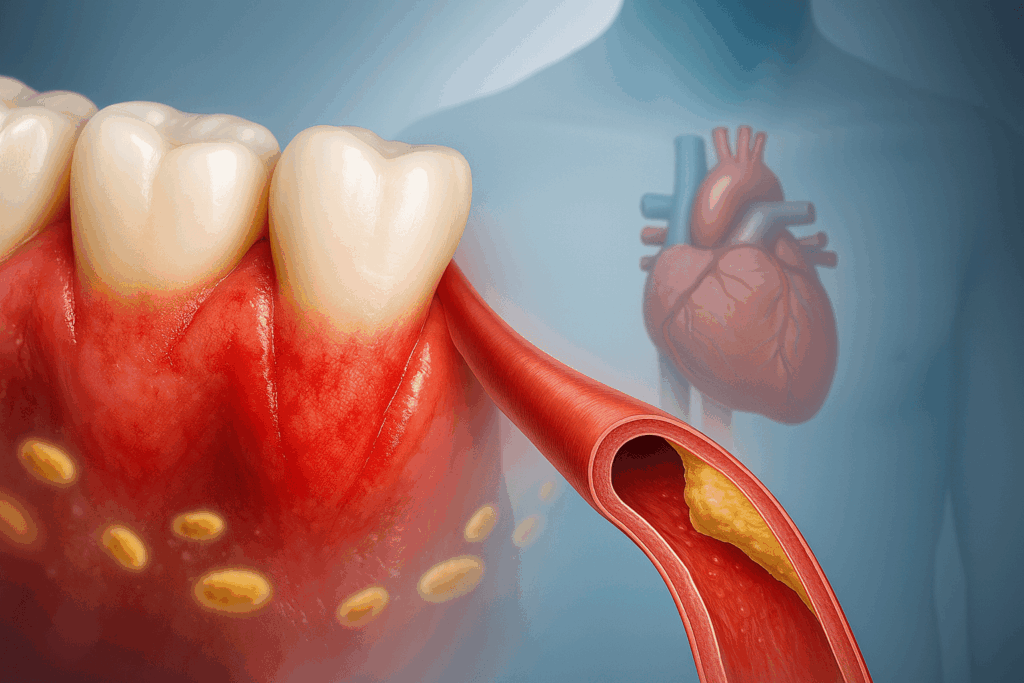
The relationship between your gums and your skin comes down to inflammation and the way your body responds to bacteria. When plaque builds up along the gumline, harmful bacteria trigger an immune response. Over time, this constant low-grade inflammation does more than irritate your gums. It can circulate through your bloodstream and affect other parts of your body, including the skin.
Researchers have found that people with gum disease often show higher levels of inflammatory markers in their blood. These same markers are linked to skin concerns such as acne, eczema, and dermatitis. The body’s immune system cannot always tell where the inflammation began, so it reacts systemically, sometimes causing redness, dryness, or breakouts far from the mouth.
Another key factor is the microbiome. The mouth and the skin share similar bacterial ecosystems. When oral bacteria become unbalanced, they can influence the skin’s natural defenses, leading to irritation and a weakened skin barrier. This connection helps explain why improving gum health can sometimes calm recurring skin issues.
In short, your gums and your skin are partners in maintaining balance. Keeping one healthy often helps the other heal faster and stay clearer.
Lifestyle and Habit Triggers
Your daily routine quietly shapes the health of both your gums and your skin. Small choices, such as what you eat, how you care for your mouth, and how you manage stress, can make a noticeable difference.
Diet and Hydration
Sugary snacks, coffee, and energy drinks encourage the growth of specific bacterial species in the mouth. These bacteria contribute to dental plaque buildup along the gingival margin, which increases the risk of inflamed gums and periodontal disease. Choosing water, whole foods, and antioxidant-rich fruits and vegetables helps maintain good oral health, reduces systemic inflammation, and promotes healthier skin.
Vaping and Smoking
Nicotine restricts blood flow to soft tissue, slowing healing and increasing the risk of gum infections. The same reduction in circulation affects skin recovery and can worsen autoimmune skin conditions such as lichen planus or severe eczema. People who smoke or vape often experience a duller skin tone and a higher prevalence of tooth loss or other oral infections. Reducing or quitting these habits helps restore oxygen flow and supports both oral and skin health.
Stress and Sleep
Chronic stress affects the entire immune system, often intensifying inflammatory response throughout the body. Studies have shown that stress-related systemic inflammation contributes to both gingivitis and common skin diseases. Balanced sleep, relaxation techniques, and regular exercise can help your body regulate inflammation and maintain healthy tissues, reducing the risk of comorbid disease associations such as periodontal disease and skin inflammation.
Skincare Around the Mouth
Harsh cleansers or whitening toothpaste containing alcohol or sodium lauryl sulfate can irritate both gums and skin. These products can damage the soft tissue around the lips and increase local inflammation. Patients with oral lichen planus or sensitive skin may benefit from gentle, fluoride-based toothpaste and mild cleansers designed for clinical and aesthetic dermatology use. Protecting the oral microbiome helps balance the skin microbiome as well, reducing irritation along the lower face.
The choices you make each day add up. Small, consistent improvements in your routine can protect your gums, brighten your skin, and support your overall well-being.
Skin-Friendly Oral Hygiene Tips
Taking care of your gums can also mean taking care of your skin. A few simple changes to your oral care routine can help reduce irritation and support both healthy gums and a clear complexion.
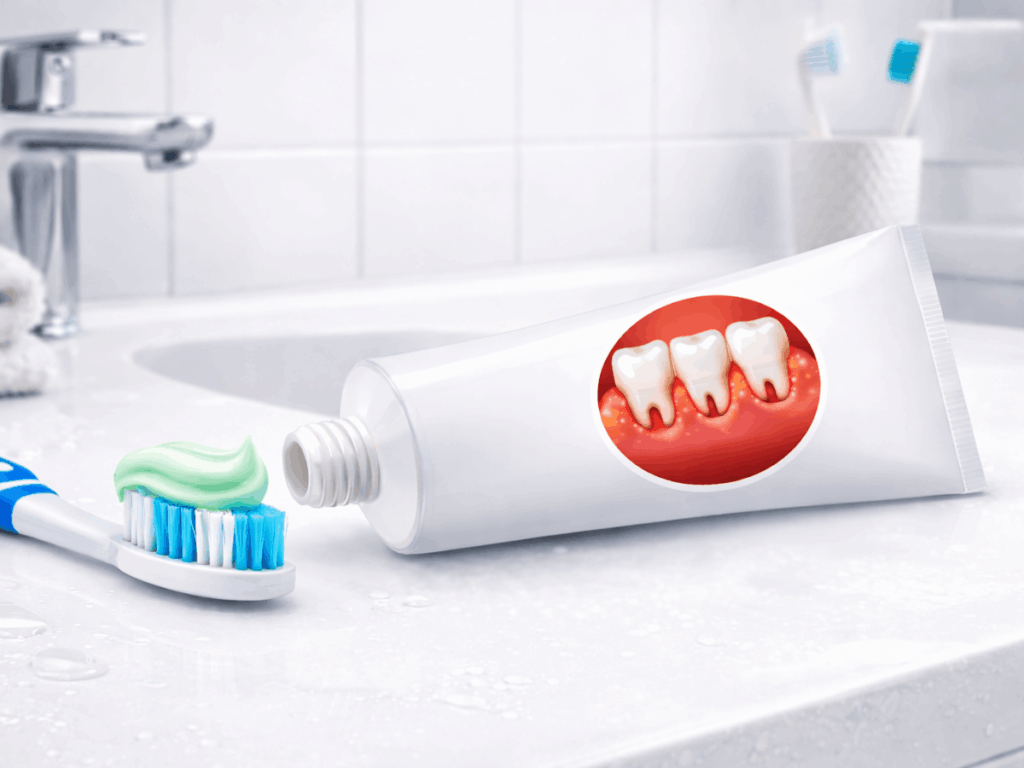
- Choose Gentle Toothpaste: If you frequently get redness or breakouts around your mouth, check your toothpaste ingredients. Whitening agents, alcohol, or sodium lauryl sulfate can sometimes irritate sensitive skin. Look for gentle, fluoride-based toothpaste made for sensitive gums instead.
- Keep Your Toothbrush Clean:Your toothbrush can collect bacteria that easily transfer to your gums and skin. If you have sensitive gums, you can explore the best toothbrush for sensitive gums to help reduce irritation and maintain gentle, effective cleaning. Rinse your brush well after every use, let it air dry, and replace it every three months or sooner if the bristles look worn.
- Brush and Floss Consistently: Plaque buildup fuels both gum inflammation and bacterial imbalance. Brushing twice a day and flossing once daily helps remove food particles and bacteria before they cause irritation. Gentle, circular motions protect the gums and keep bacteria from spreading.
- Wash Your Face After Brushing: Toothpaste residue can stick to the corners of your mouth or chin and cause minor irritation. After brushing, rinse your face with water or a mild cleanser to remove leftover toothpaste and help your skin stay balanced.
- Visit Your Dentist Regularly: Routine dental visits allow your provider to spot early signs of gingivitis and help you manage it before it affects other areas of your health. Preventing gum disease protects your teeth, gums, and skin from unnecessary inflammation.
Small habits can have big results. A mindful approach to oral hygiene can help you maintain not only a confident smile but also the clear, healthy skin that reflects it.
When to See Both a Dentist and a Dermatologist
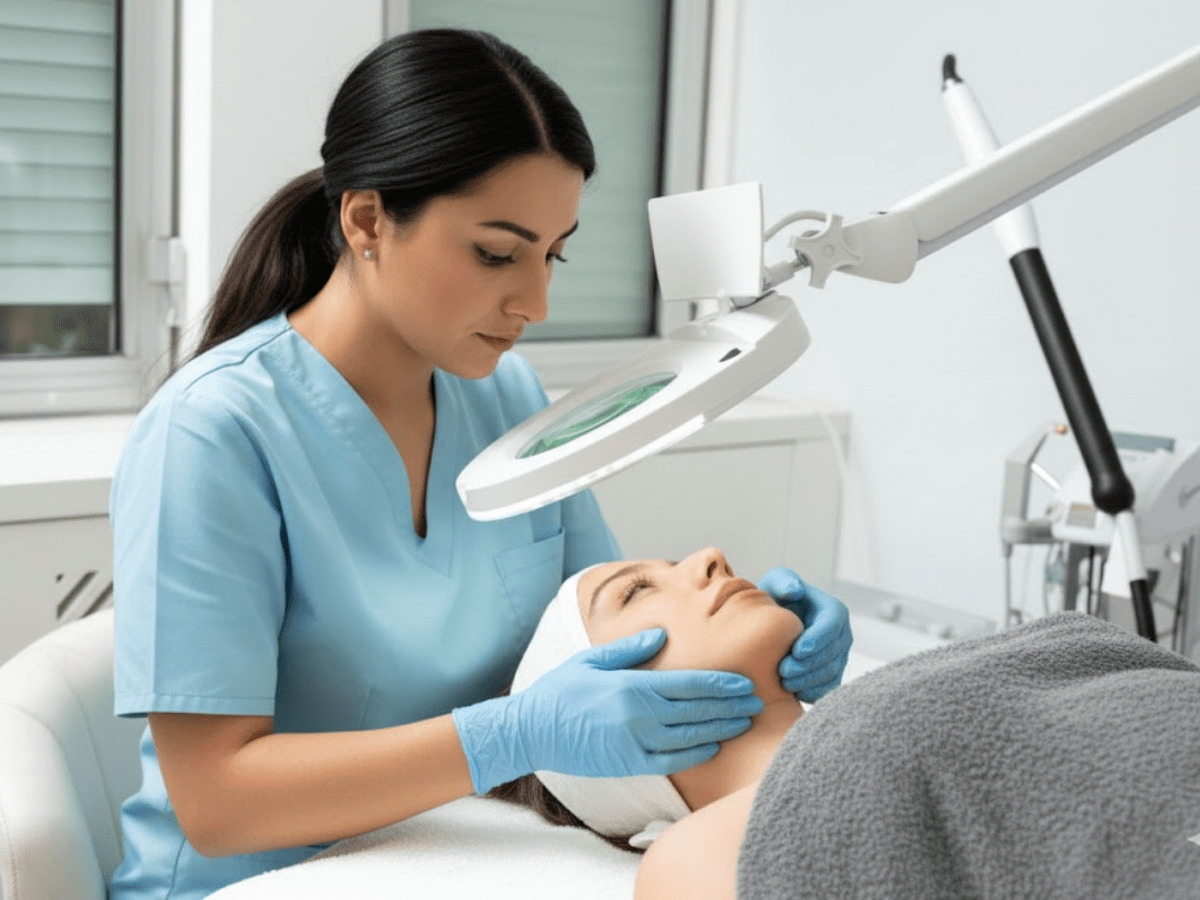
Sometimes, the line between an oral health issue and a skin condition is not easy to see. If your gums feel sore or bleed easily, and you also notice a recurring rash or irritation around your mouth, it might be time to schedule visits with both your dentist and your dermatologist.
A dentist can identify early signs of gingivitis and pinpoint whether oral bacteria or inflammation may be contributing to your symptoms. Treating gum inflammation often improves skin sensitivity and reduces redness near the lower face.

A dermatologist can rule out other causes, such as allergic reactions, hormonal changes, or skin barrier issues. When both specialists work together, they can create a care plan that supports your body’s healing inside and out.
You should also consider seeing both if:
- Skin irritation returns even after changing skincare products: This can signal a deeper inflammatory trigger rather than a topical reaction. Studies suggest that psoriasis patients and those with autoimmune health conditions often have oral findings that mirror their skin flare-ups.
- You notice gum bleeding or tenderness that lasts longer than a week: Persistent inflammation or reduced oral care can increase the risk of tooth decay, periodontal problems, and soft tissue irritation. These may share the same biological pathways involved in skin inflammation.
- You have persistent bad breath or a metallic taste in your mouth: These symptoms may point to the presence of oral bacteria linked to medical conditions such as psoriasis and atopic dermatitis, especially when paired with ongoing inflammation.
- Breakouts seem to flare up after oral pain or dental infections: Clinical findings show that poor oral hygiene can influence the diagnosis and severity of common skin conditions. A closer collaboration between dental and dermatology professionals often leads to more accurate treatment and prevention strategies.
Oral and skin health share more common ground than most people realize. Addressing both sides at once can help you heal faster and prevent future flare-ups.
Healthy Gums, Healthy Skin: Where Oral Care Meets Self-Care
Your gums and skin have more in common than most people realize. Inflammation that begins in the mouth can influence how your skin looks and feels, often showing up as redness or irritation that seems unrelated. The good news is that caring for your gums can help calm that inflammation and support your skin’s natural balance.
Healthy habits such as gentle brushing, consistent flossing, and regular dental checkups go a long way toward keeping both your smile and your complexion clear. When you treat your mouth as part of your overall wellness routine, your skin often reflects that change too.
At Elizabeth L. Wakim DDS, we take a whole-body approach to dental care. Our team is committed to protecting your smile with gentle, personalized care. If you’re dealing with gum irritation, persistent inflammation, or simply want to learn how oral health affects your skin, we’re here to help. Contact our Pennsylvania office at (724) 558-8222 or use our contact form to schedule a visit and get support tailored to your oral and overall health needs.

Dr. Elizabeth Wakim, DDS, is the founder of Enhanced Wellness. She’s a compassionate and highly-regarded dentist with her own practice in Washington, Pennsylvania, known for providing modern, comprehensive dental care, botox and facial aesthetics with a focus on patient comfort and anxiety reduction, serving general, cosmetic, and pediatric dentistry needs.