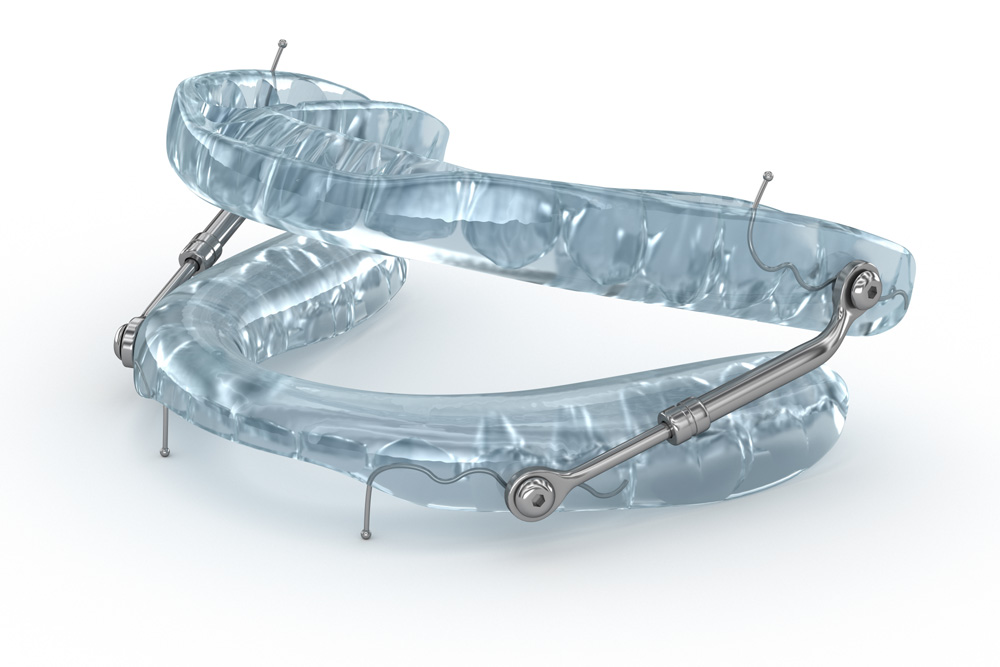
Gum contouring refers to cosmetic surgery that seeks to improve the appearance of the gums. It is a relatively minor procedure, but it can produce dramatic results.
Patients seek out gum contouring for a variety of reasons. Often, patients feel their gums are too large. Patients may be self-conscious about their gums covering a majority of their teeth, and so they look to gum contouring, which can remove excess gum and expose more of their smile.
Gum contouring can also help patients with uneven gum lines. This is because it can reshape gum lines as well as remove excess gum. For example, if a patient worries that a few of their teeth are more gummy than the rest of the mouth, gum contouring can reshape the patient’s gum line to create an even, consistent smile.
What can cause “gummy smiles”?
Before you seek out gum contouring, know that in many cases gum growth is perfectly natural. There are no health risks associated with large gums. If you’re looking to receive gum contouring, know that it is a purely cosmetic procedure—so be aware it may not address underlying, non-cosmetic health issues related to the gums.
However, there are some exceptions where gum contouring is medically necessary, which we’ll discuss soon. Gum contouring can also help prevent infections in the future.
Natural appearance
In most cases of gummy smiles, genetics is the dictating factor. Some people just naturally have thick gums, or gums that make their teeth appear short. As a result, many patients seek out gum contouring to change the natural appearance of their gums.
Bruxism (teeth grinding)
Teeth grinding does not directly affect the gums. However, it can progress to a point where teeth are ground down so much that they appear small in relation to the gums.
Poor hygiene
However, poor dental hygiene can also affect gums. Infrequent brushing and flossing can lead to an accumulation of bacteria in the gums. This can cause inflammation. If this inflammation is left untreated for long enough, it can progress into a serious condition called periodontitis.
Braces
However, some orthodontic procedures, such as braces, can also lead to gum overgrowth that patients may want to correct.
Oftentimes, braces can inadvertently cause negative effects on a patient’s oral hygiene. It is more difficult to reach all the teeth while brushing and flossing while you have braces, and so many patients do not realize they are neglecting their teeth. Bacteria builds around the gums which can lead to excess tissue growth.
Medication
Unfortunately, there are certain medications that can lead to enlarged gums, or gingival hyperplasia. These medications generally cause more severe gum overgrowth than any of the previous factors mentioned, and sometimes get to the point where surgical intervention is not only cosmetic, but necessary to improve quality of life.
Some of these medications include:
- Anticonvulsants—especially phenytoin, which manages epilepsy
- Cyclosporine, an immunosuppressant
- Calcium channel blocking agents, which help lower blood pressure and prevent heart rhythm problems
Many of these medications can have devastating effects on the gums. Phenytoin in particular can cause severe gingival overgrowth, which has the potential to nearly cover the entire tooth. The gum growth caused by these medications may make it hard to eat or speak.
Before you can get gum contouring
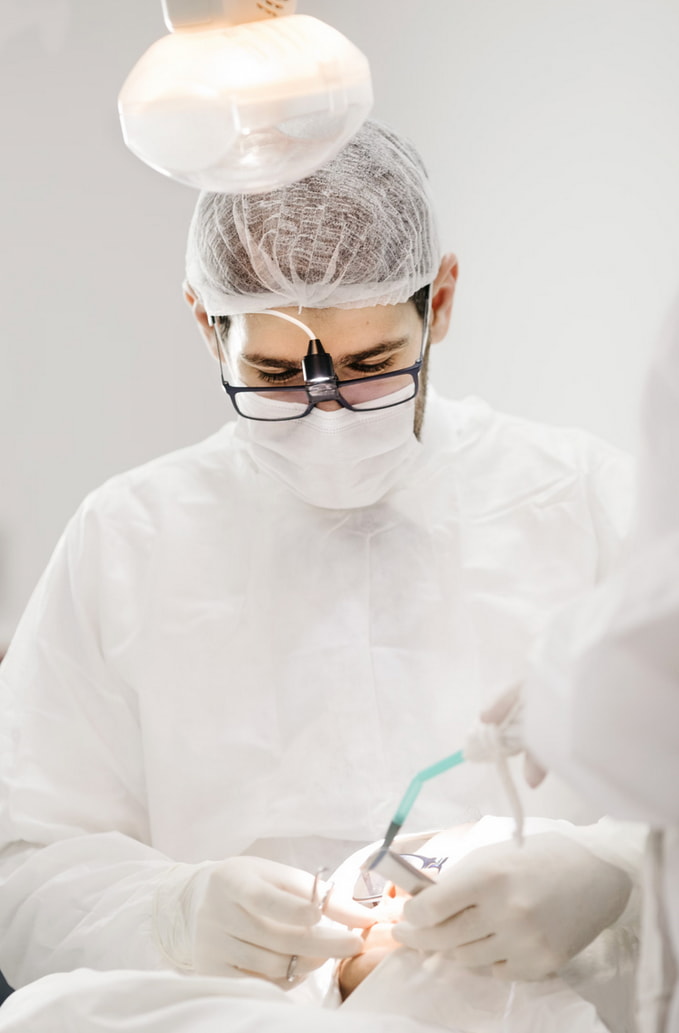
Not everyone is eligible for gum contouring. Before you can go through the procedure of gum contouring, your dentist will give you an examination. This will determine whether you have any conditions that should be treated first before you can have your gums contoured.
Some conditions that doctors may need to address before gum contouring include:
- Cavities
- Tooth decay
- Gum disease
Once it is determined that you can proceed with gum contouring, you will have to talk to your dentist again. There, you will discuss your plan for your teeth.
The dentist will talk to you about your desired gum length, your gum-to-tooth ratio, and how both of these things work with the bone structure of your face. This is to make sure the results of your gum contouring will be as symmetrical and realistic as possible.
In rare cases, the dentist may determine that you may have too much bone around your tooth. This means that your removed gum may regrow after the procedure. As a result, the dentist may recommend that you have a very small amount of bone removed during gum contouring.
The procedure
Gum contouring is a relatively simple procedure. Patients can expect to be in and out of the dentist’s office between one or two hours.
- The dentist will provide you with local anesthetic.
- They will use ink to mark where your new gum line will be.
- Your dentist will use one of two methods to remove your excess gum. Either they will use a scapula or a handheld laser.
- If excess bone also needs to be removed, it will be taken off after the gum.
- Your gum will be reshaped to achieve a symmetrical, natural appearance.
The recovery
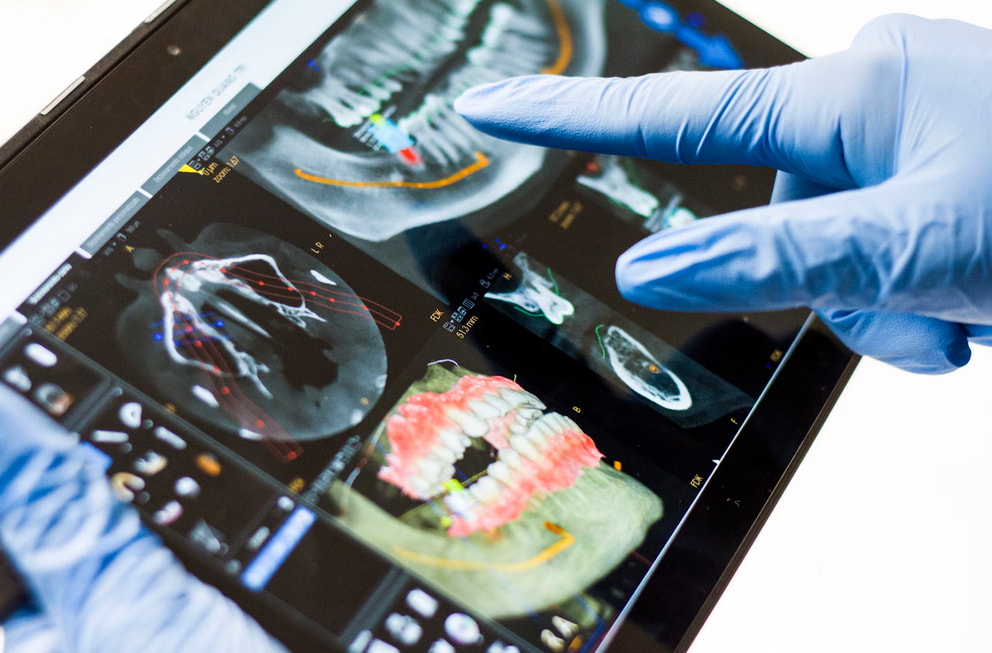
Image: an X-ray image of the mouth. Recovery time from gum contouring varies between individuals.
Immediately after the procedure, you will still feel numbness from the anesthetic. As it wears off, soreness will set in. Your dentist may prescribe pain medication, or you may choose to take over-the-counter medication for treatment.
For a few days after your procedure, you should only eat soft foods such as applesauce and yogurt. Spicy food and food with seeds should be avoided until you’ve healed completely.
The full recovery time from gum contouring varies between patients. Some people recover completely within a few days, while others can take up to two weeks.
Gum contouring: yay or nay?
Ultimately, you have to decide whether gum contouring is for you. Gum contouring drastically alters the appearance of your gums while being a minor procedure.
However, there is a risk that your gums will regrow. Additionally, as with any surgery, complications may arise—and as with any cosmetic surgery, your results may not look exactly as you hoped.
If you have any more questions about gum contouring, be sure to reach out to Dr Elizabeth Wakim.

Dr. Elizabeth Wakim, DDS, is the founder of Enhanced Wellness. She’s a compassionate and highly-regarded dentist with her own practice in Washington, Pennsylvania, known for providing modern, comprehensive dental care, botox and facial aesthetics with a focus on patient comfort and anxiety reduction, serving general, cosmetic, and pediatric dentistry needs.