Think your dental crown is built to last a lifetime? Not exactly. Whether you got yours after a chipped tooth or to protect one from decay, crowns work hard every day but they do have an expiration date. The good news is that how long a dental crown lasts is not just luck. From the type of crown you choose to how you brush and what you chew on, your daily habits can add years to its life.
At Elizabeth L. Wakim DDS, we use high-quality crown materials, advanced imaging, and precise placement to help your crown fit comfortably and stay durable for years. Our team also guides you with personalized care tips so you know exactly how to protect your investment and keep your smile healthy.
This guide breaks down how long dental crowns typically last, why some fail early, and what you can do right now to keep yours strong and looking good for as long as possible.
Dental Crowns 101: What They Are and When They’re Needed
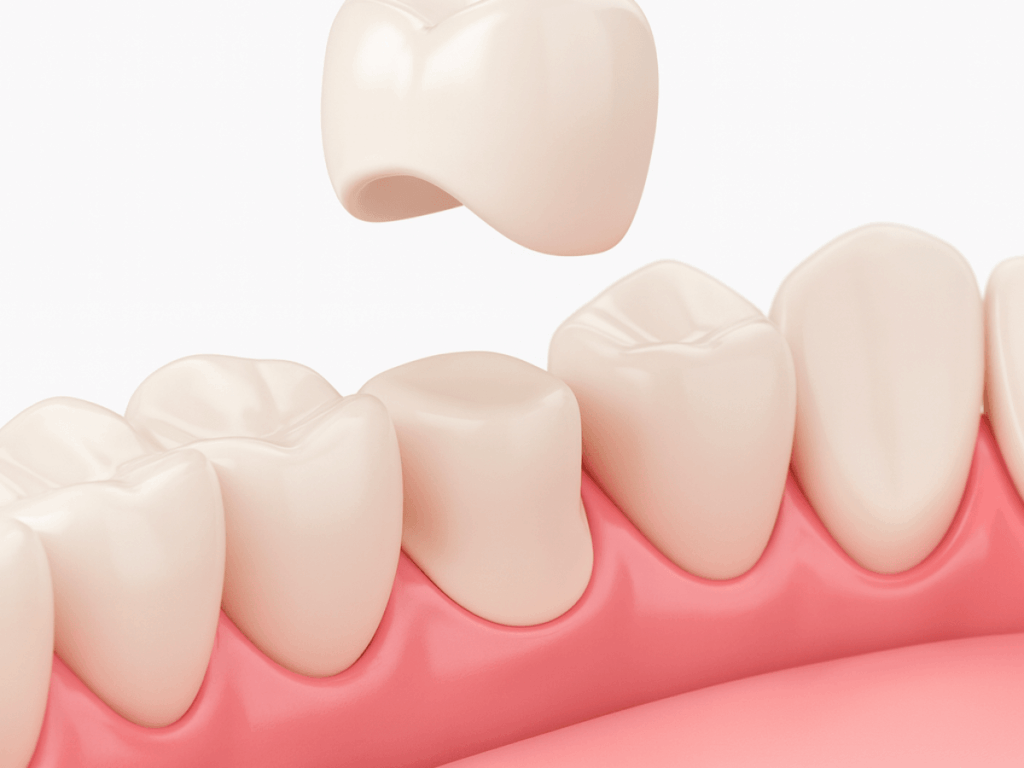
A dental crown is a custom-made cap that completely covers a damaged or weakened tooth. It restores the tooth’s shape, strength, and appearance so you can bite and chew comfortably again. Unlike a veneer, which only covers the front of a tooth, a crown wraps around the entire visible surface for full protection.
Dentists often recommend crowns to:
- Protect a tooth with a large filling or significant decay
- Strengthen a tooth after root canal treatment
- Restore a cracked or chipped tooth so it does not worsen
- Improve the look of a misshapen or discolored tooth
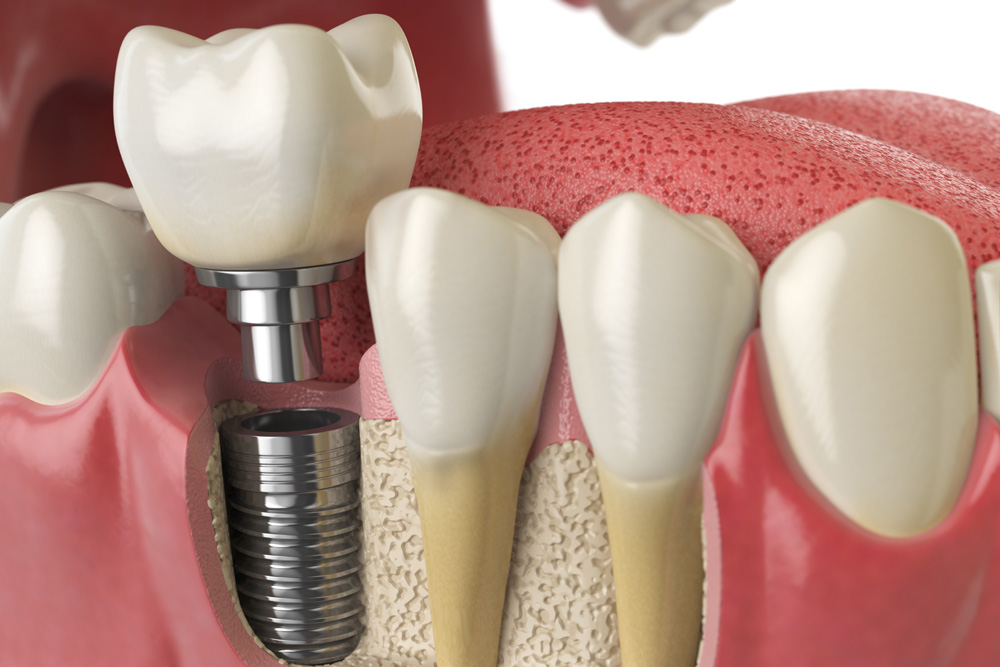
- Anchor a dental bridge or top a dental implant
Common Types of Dental Crowns
- Porcelain Crowns: Known for their natural tooth-like color and often used for front teeth.
- Porcelain-Fused-to-Metal (PFM) Crowns: Combine the strength of metal with the aesthetics of porcelain, suitable for both front and back teeth.
- Zirconia Crowns: Durable, metal-free, and resistant to wear, making them ideal for patients who want both strength and appearance.
- All-Metal Crowns: Typically made of gold or other metal alloys, these are extremely strong and often used for molars that endure heavy chewing.
- Resin or Composite Crowns: More affordable but less durable, often used as temporary crowns or in areas with less chewing pressure.
Average Lifespan: What the Research Says
Dental crowns are designed to be long-lasting, but their lifespan depends on the material, placement, and how well you care for them. Research shows that most crowns last 5 to 15 years, though some well-maintained crowns can stay strong for 20 years or more.
Here is what you can typically expect from different crown types:
Porcelain Crowns
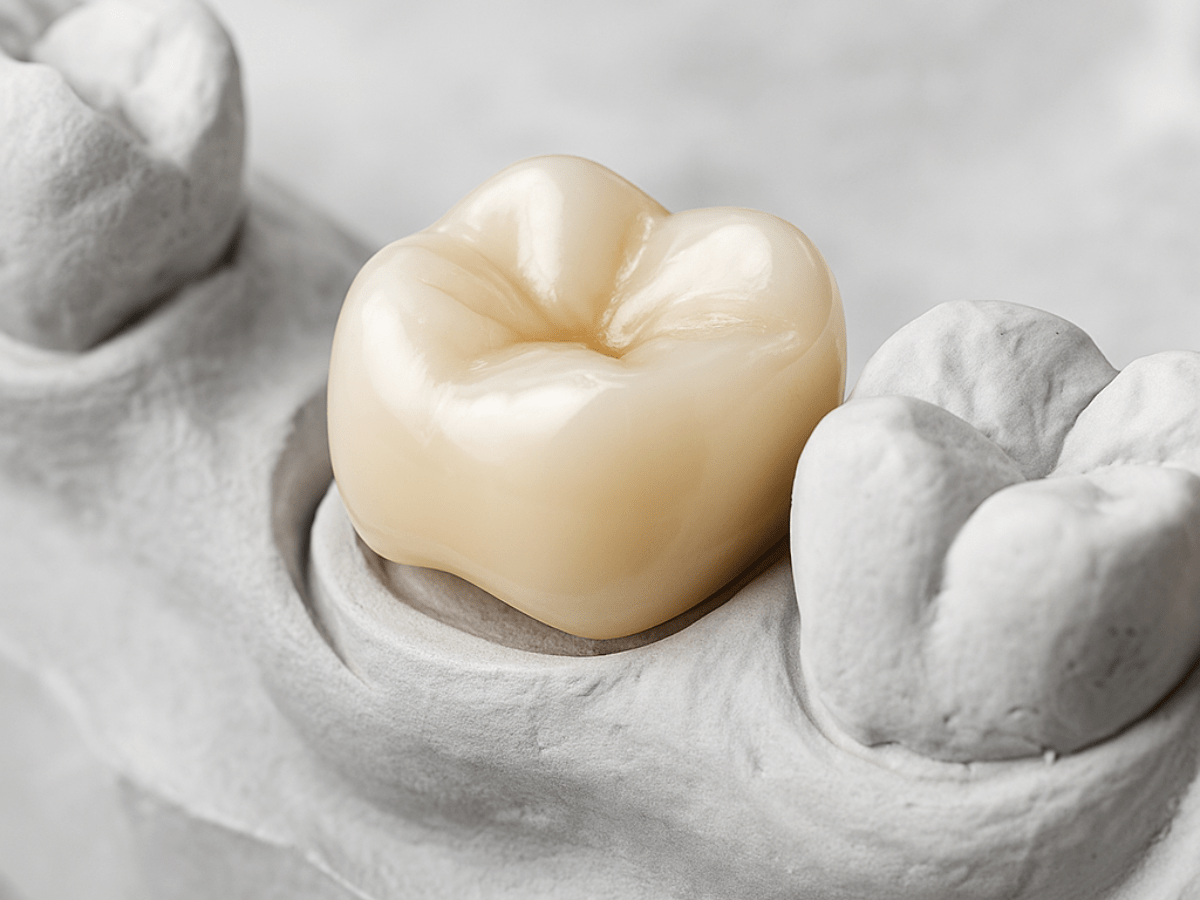
Porcelain crowns are a popular choice for their natural look and are often used for front teeth where biting pressure is lighter. With proper care and routine checkups, they typically last 10 to 15 years.
Porcelain-Fused-to-Metal (PFM) Crowns
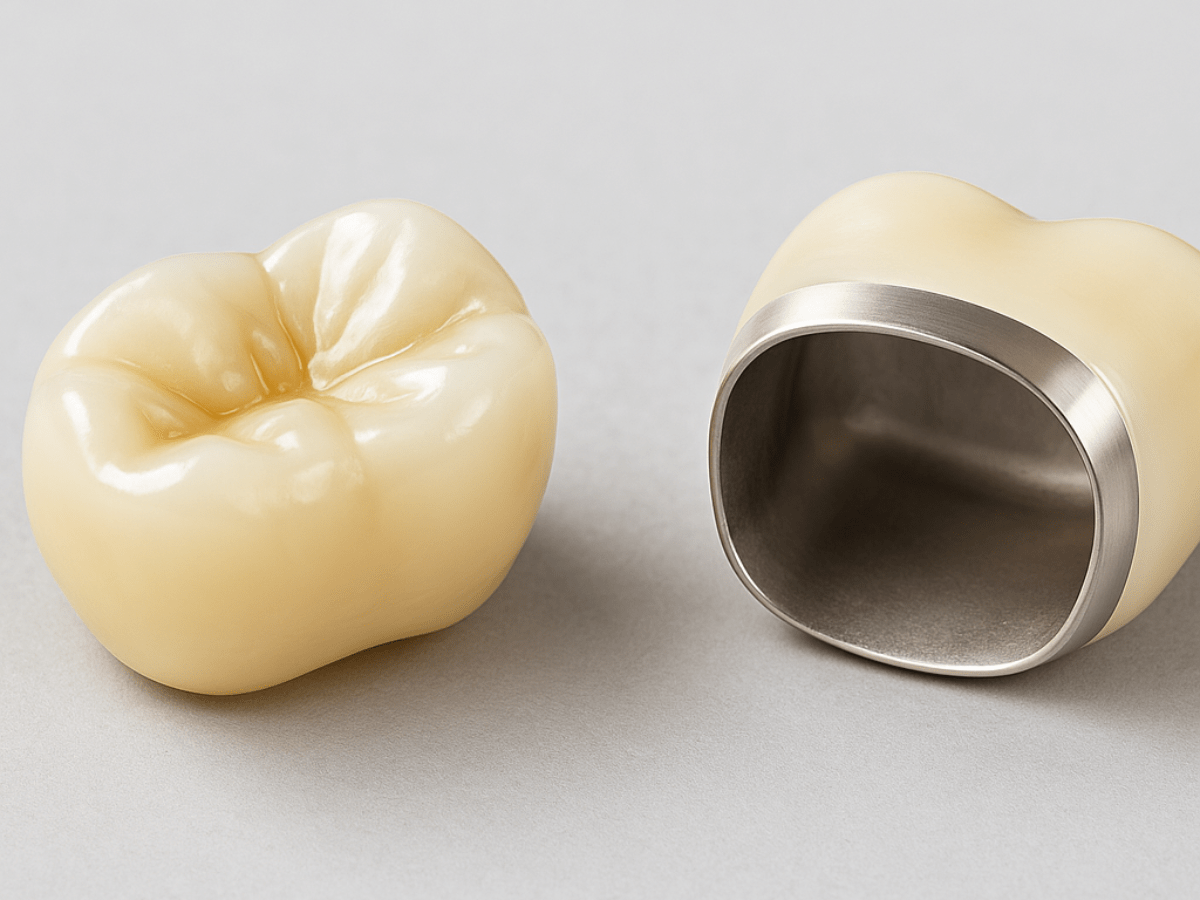
PFM crowns combine the strength of metal with the appearance of porcelain. They are ideal for restoring a weak tooth and can last 10 to 20 years, depending on chewing forces and oral hygiene habits.
Zirconia Crowns
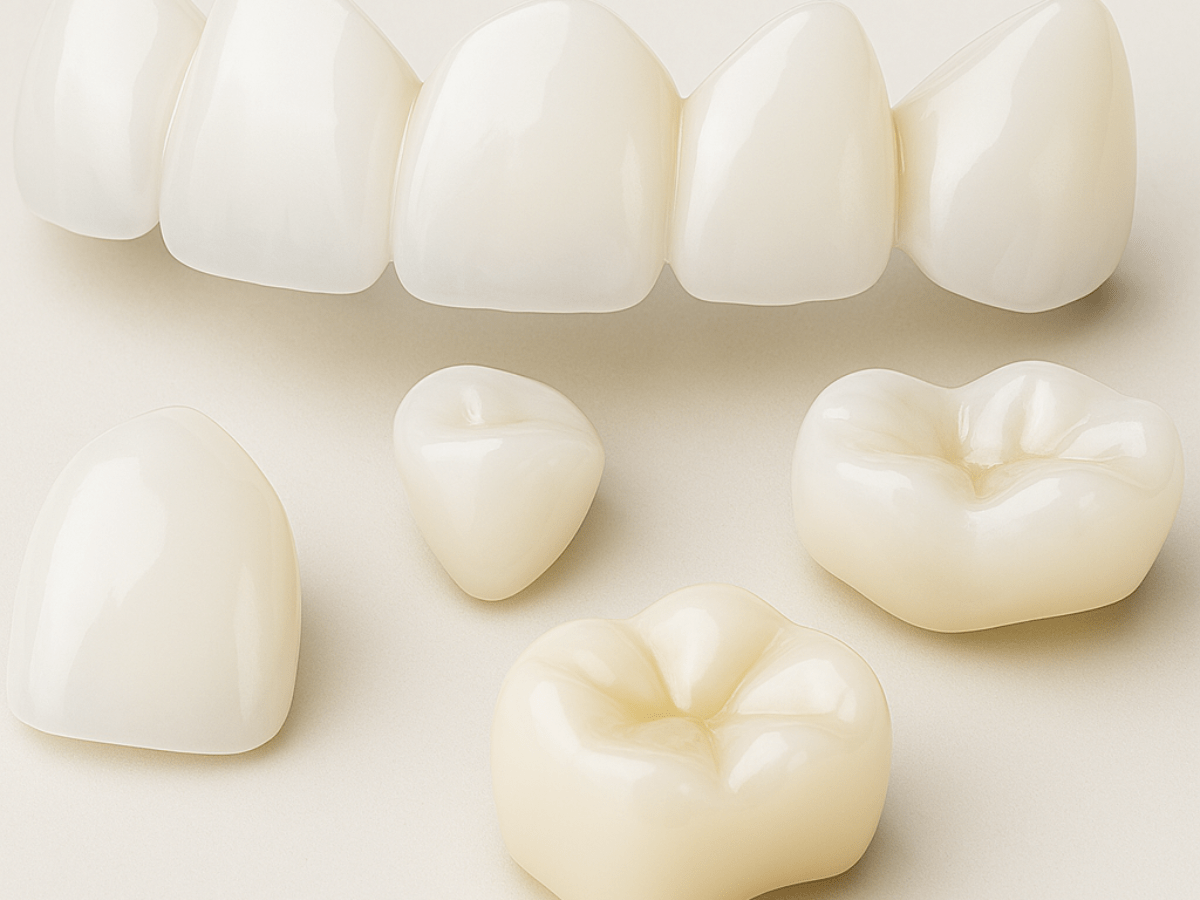
Zirconia crowns are highly durable and resist wear, making them a strong option for molars or areas with heavy biting. They often last 15 years or longer, especially with regular dental visits and healthy habits.
All-Metal Crowns
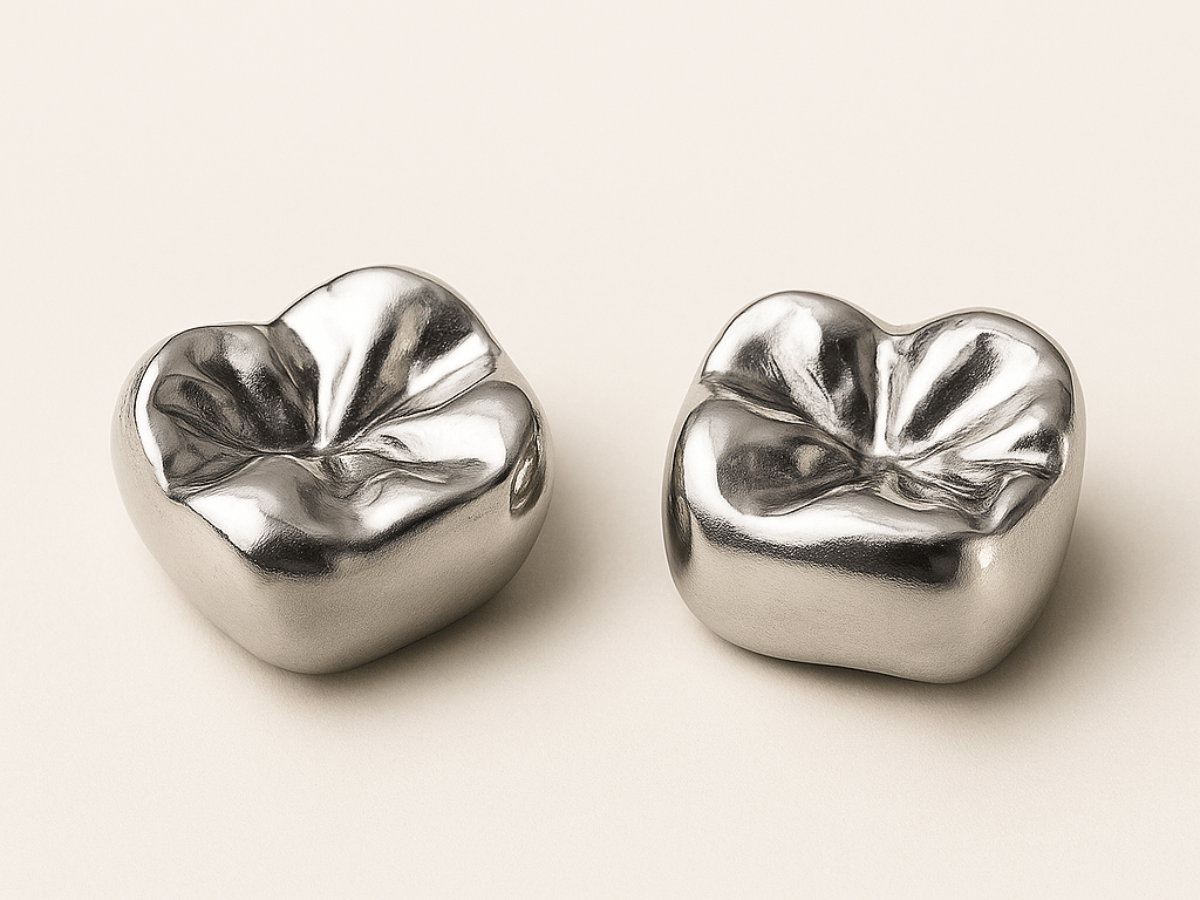
All-metal crowns, including gold, are the most durable and can last 20 years or more because they rarely chip or fracture. They are often recommended to protect a damaged tooth in high-pressure chewing areas.
Resin or Composite Crowns
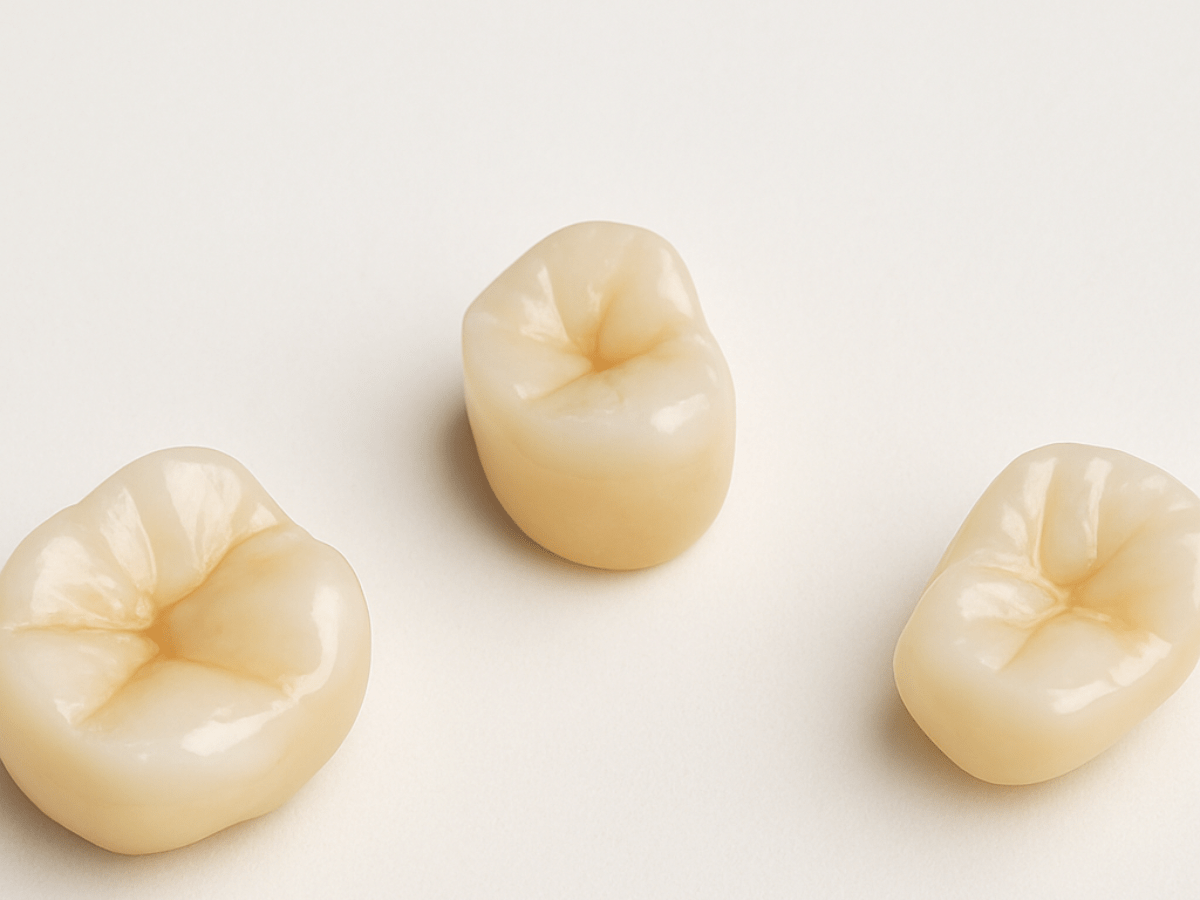
Resin crowns are an affordable choice for a new crown or temporary solution but have a shorter lifespan of about 5 to 7 years. They work best for low-stress areas rather than heavy chewing.
Regular checkups, good oral hygiene, and avoiding habits like grinding teeth or chewing on hard objects play a major role in helping crowns last longer. Staying on top of dental visits also helps catch small issues, such as early decay or toothaches, before they worsen. Learn more about the reasons you should never ignore a toothache and how timely care can protect your dental health.
Key Factors That Influence Crown Longevity
A crown’s lifespan depends on more than the material it is made of. These are the top factors that can help it last longer or cause it to wear out sooner:
- Material choice: Metal crowns often last the longest, while porcelain and zirconia provide strength with a natural appearance. Resin or composite crowns tend to wear down more quickly.
- Position in your mouth: Molars experience stronger chewing forces, so crowns on back teeth often need tougher materials such as zirconia or metal.
- Quality of the fit: A properly fitted crown protects the tooth and keeps bacteria from reaching the edges. Poorly fitted crowns are more likely to loosen, crack, or trap plaque.
- Oral hygiene habits: Brushing, flossing, and routine dental visits keep the tooth under the crown and the surrounding gums healthy, which reduces the risk of decay that shortens the crown’s lifespan.
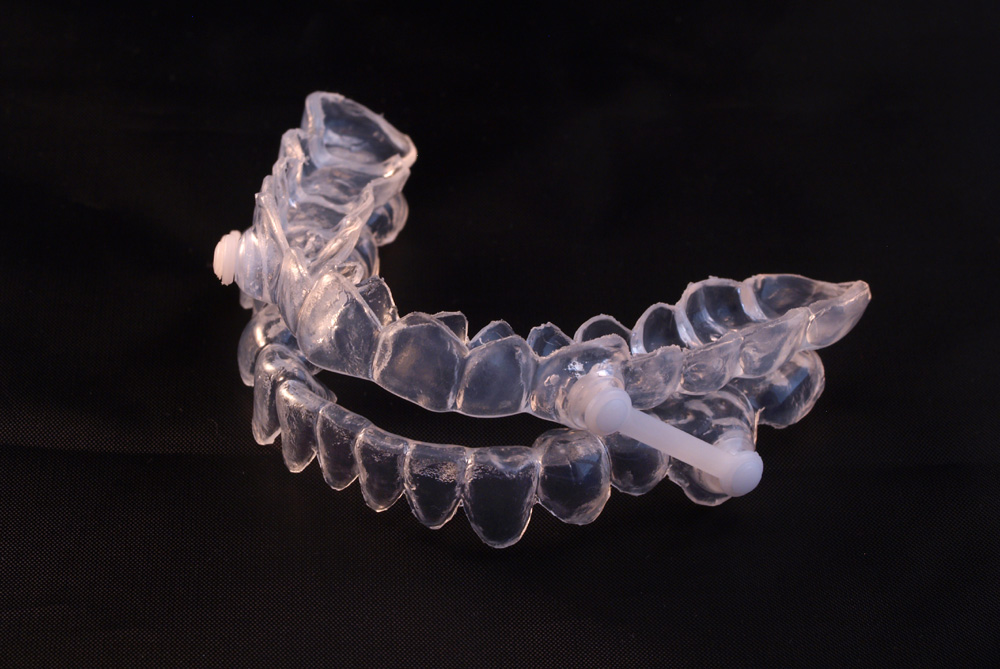
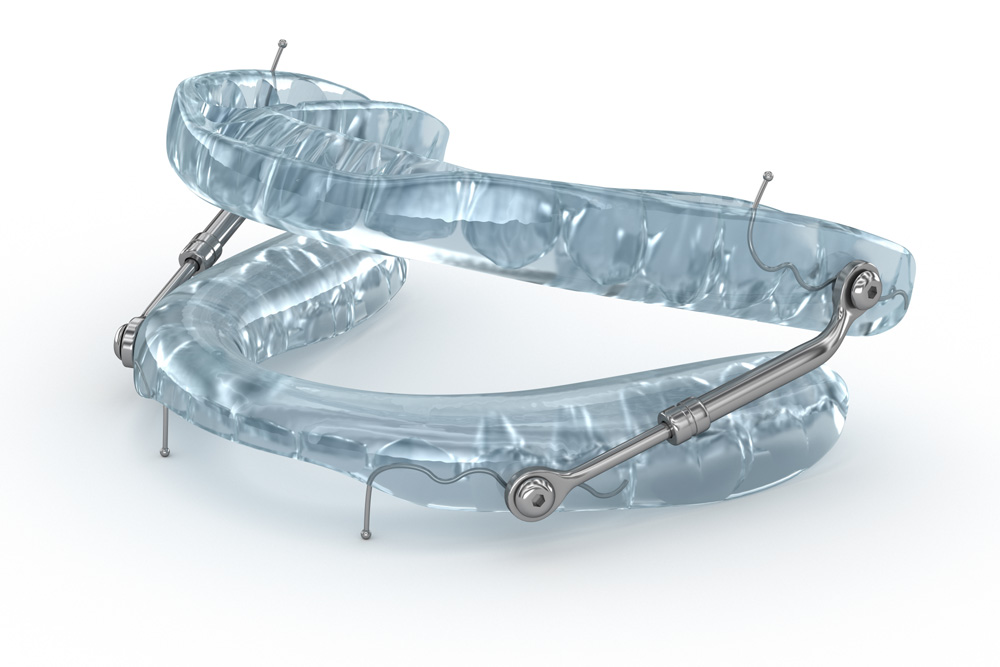
- Daily habits: Teeth grinding, chewing on ice or pens, or using teeth as tools can damage crowns. Wearing a night guard can protect crowns from grinding and add years to their durability.
- Overall oral health: Conditions such as gum disease or decay in nearby teeth can weaken the tooth that supports the crown and reduce its longevity.
Signs It’s Time to Replace Your Dental Crown
Even the most durable dental crowns do not last forever. Catching problems early can save you from discomfort and more complicated treatment later. Watch for these warning signs:
- New or increasing sensitivity: Sensitivity to hot or cold foods can mean the crown is wearing down or the tooth underneath is exposed.
- Pain when chewing: Discomfort or pressure while biting may signal that the crown has shifted or the tooth beneath is damaged.
- Visible chips, cracks, or looseness: Physical damage or movement often means the crown is no longer sealing the tooth properly.
- Dark lines or gum changes near the crown: Discoloration at the gumline or receding gums can reveal wear, leakage, or decay under the crown’s edge.
- Persistent bad taste or odor: This may be a sign of decay, trapped food, or bacteria under the crown that requires prompt attention.
If you notice any of these issues, schedule a dental visit right away. Early treatment can often repair the problem before it becomes more serious. Persistent pain while biting or chewing can be a sign of an underlying problem, so it is important to learn what might be behind pain when chewing and what to do about it to avoid further damage or complications.
How to Maximize the Lifespan of Your Crown
A crown’s durability depends on several factors, including the material, your oral care routine, and daily eating habits. Whether you have porcelain and ceramic crowns, fused to metal crowns, or zirconium dioxide crowns, proper care can extend their life and protect both the crown and the tooth beneath it.
Brush and Floss Consistently
Follow a proper oral hygiene routine that includes regular brushing with a soft-bristled toothbrush and non-abrasive toothpaste. Floss daily to clean around the crowned tooth and adjacent teeth, keeping the gums healthy and reducing the risk of open margins or decay.
Keep Up with Routine Dental Visits
Regular dental checkups and professional cleanings allow your dentist to monitor the crown’s condition, spot visible wear, and address issues early. Detecting loose crowns or small cracks in just one office visit can prevent further complications and help you avoid a full dental crown replacement.
Wear a Night Guard if You Grind Your Teeth
Clenching or grinding can stress the entire tooth and shorten the crown’s lifespan. A night guard cushions the bite, protecting ceramic crowns and other types from cracks or sharp edges.
Avoid Chewing Hard or Sticky Foods
Hard foods such as ice, nuts, or candies can damage a crowned tooth or loosen a permanent crown. Choose softer options when possible, and avoid using your teeth as tools to open packages to protect teeth and crowns alike.
Maintain Overall Oral Health
Good oral hygiene practices, healthy gums, and balanced eating habits all help crowns serve their full term. Prevent decay in the crowned tooth with regular dental check ups, and follow your dentist’s home care guidance to avoid a shorter lifespan for your crown.
Keep Your Crown Strong for Years to Come
The lifespan of a dental crown depends on its material, daily care, and overall oral health. Choosing the right crown, brushing and flossing consistently, avoiding hard or sticky foods, and staying on top of routine dental visits can all add years to its durability. If you are comparing restoration options, understanding the difference between inlays vs crowns can also help you make the best choice for long-term protection.
If your crown is older, starting to show signs of wear, or causing discomfort, do not wait for the problem to worsen. A quick checkup can reveal whether it needs a simple adjustment or a full replacement.
At Elizabeth L. Wakim DDS, we offer expert evaluations and personalized care plans to help you maintain strong, healthy crowns that protect your smile. Call our Pennsylvania office at (724) 558-8222 or use our contact form to schedule your appointment today.

Dr. Elizabeth Wakim, DDS, is the founder of Enhanced Wellness. She’s a compassionate and highly-regarded dentist with her own practice in Washington, Pennsylvania, known for providing modern, comprehensive dental care, botox and facial aesthetics with a focus on patient comfort and anxiety reduction, serving general, cosmetic, and pediatric dentistry needs.