Whitening toothpaste promises a brighter smile, but it rarely explains the timeline. If you’ve added one to your daily routine, the real question isn’t whether it works, it’s how long it takes before you actually see a difference
Some results can appear within a few weeks, but expectations often outpace reality. In this guide, we’ll look at what whitening toothpaste is capable of, what influences the timeline, and how to tell whether it’s enough for your goals.
At Elizabeth L. Wakim DDS, we help patients understand how over-the-counter whitening products fit into a broader cosmetic and preventive strategy. A comprehensive evaluation looks at enamel health, stain type, and long-term goals before recommending next steps.
What Whitening Toothpaste Actually Does
Whitening toothpaste remains one of the most widely used cosmetic oral care products, accounting for roughly one-third of the toothpaste market in recent years. Before talking about timelines, it helps to understand what whitening toothpaste is designed to do and what it is not.
Surface Stain Removal vs. True Color Change
Most whitening toothpastes remove extrinsic stains, which are surface discolorations caused by coffee, tea, wine, tobacco, and everyday foods. These stains sit on the enamel and can often be lifted with consistent brushing.
What whitening toothpaste does not typically do is change the natural internal color of your teeth. True whitening, meaning a chemical lightening of the tooth structure, usually requires higher concentrations of bleaching agents used in professional treatments.
Understanding that difference sets realistic expectations from the start. It also highlights why professional care, including routine dental cleanings, plays an important role in removing tartar buildup and supporting brighter, healthier-looking enamel.
Key Active Ingredients
Whitening toothpastes rely on specific active ingredients to improve brightness:
- Mild abrasives (such as hydrated silica or calcium carbonate) help polish away surface stains.
- Baking soda can assist with gentle stain removal and neutralizing acids.
- Hydrogen peroxide or carbamide peroxide may be included in low concentrations in some formulas to support mild whitening effects.
These ingredients are formulated for daily use, which means they work gradually rather than dramatically. That’s different from color-correcting products, such as purple toothpaste, which create a temporary optical effect rather than altering stain buildup.
How Whitening Toothpaste Works Without Professional Bleaching
Professional whitening treatments use higher concentrations of peroxide to penetrate enamel and lighten deeper discoloration. Whitening toothpaste, by contrast, works mainly at the surface level.
With consistent use, it can improve brightness by removing buildup and polishing enamel. However, once surface stains are reduced, results tend to plateau. That’s why timelines vary and why expectations should match the mechanism.
Expected Timeline: Realistic Results, Not Instant Magic
Whitening toothpaste works gradually. Because it primarily removes surface stains rather than altering internal tooth color, visible changes take consistency and patience. Interest in brighter smiles is widespread.
Recent data shows that approximately 67% of adults in the United States have tried to whiten their teeth, with even higher participation among younger demographics. That demand helps explain why whitening toothpaste is often the first option people reach for.
First 1–2 Weeks: Early Surface Stain Reduction
Within the first one to two weeks, many people notice subtle improvements, especially if yellow teeth are primarily caused by coffee, tea, wine, or lifestyle habits. With consistent twice daily brushing using fluoride toothpaste, surface buildup begins to lift, and teeth may appear slightly brighter.
At this stage, whitening results are typically modest. The improvement often comes from polishing and stain removal rather than a dramatic color change.
4–6 Weeks: More Noticeable Brightening
Between two and six weeks, patients who use whitening toothpaste consistently often see more uniform lightening of removable stains. By this point, most surface discoloration has been reduced, especially when paired with good oral hygiene and regular dental cleanings to remove tartar buildup.
Progress depends on brushing technique, diet, and the specific formulation. Some brands, including products like Colgate Optic White, incorporate peroxide-based whitening gel technology designed to enhance surface stain removal.
Still, whitening toothpaste cannot fully address intrinsic stains or deeper stains within the tooth structure.
Beyond 8 Weeks: Results Plateau
After about eight weeks, most whitening toothpastes reach their practical limit. Because they do not contain stronger bleaching agents like those used in professional teeth whitening treatment, further changes are subtle.
Continuing use may help maintain a whiter smile and prevent new stains, but it will not produce dramatic results comparable to whitening strips or other at home whitening products.
Why Marketing Timelines Can Be Misleading
There is no standardized definition for phrases such as “whiter in days.” Different brands measure brightness differently, and some effects may be more of an optical illusion than a structural whitening change.
The American Dental Association notes that true teeth whitening involves chemical alteration of intrinsic tooth color. Whitening toothpaste primarily improves surface appearance.
For patients seeking more noticeable improvement, options such as whitening strips, professional whitening gel applications, or dentist-supervised treatments may be a more effective solution. A broader range of cosmetic options, including professionally guided whitening, is available through comprehensive cosmetic dentistry services designed to address both stain type and overall enamel health.
Factors That Affect Whitening Time Not Just the Toothpaste
Whitening toothpaste does not work in isolation. Several factors influence how quickly or noticeably results appear. Studies show that some whitening systems remove and prevent surface stains more effectively than standard silica-based toothpastes, but individual habits still affect results.
- Diet and drinking habits: Coffee, tea, red wine, cola, and acidic foods can repeatedly stain enamel. Frequent exposure slows visible brightening, even with consistent use.
- Smoking and tobacco use: Nicotine and tar bind to enamel and create more persistent surface stains. Whitening toothpaste may take longer to show improvement for smokers.
- Your overall oral hygiene routine: Plaque and tartar limit whitening effectiveness. Regular brushing, flossing, and professional cleanings help maximize results.
- Tooth structure and natural shade: Genetics influence enamel thickness and baseline tooth color. Whitening toothpaste enhances surface brightness but cannot change your natural shade.
- Surface stains vs. intrinsic discoloration: Surface staining improves faster because it sits on enamel. Deeper intrinsic discoloration does not respond significantly to whitening toothpaste.
Consistency matters, but results depend on more than the toothpaste itself. If you’re managing sensitivity while whitening, using a formula designed for sensitive teeth, such as those highlighted in our guide to the best toothpastes for sensitive teeth, can help support comfort.
When Whitening Toothpaste Isn’t Enough
Whitening toothpaste can improve surface stains, but it cannot significantly change intrinsic tooth color. If results plateau or discoloration runs deeper, other options may be more appropriate.
Over-the-Counter Bleaching Strips

Bleaching strips typically contain low concentrations of peroxide and can lighten teeth beyond surface polishing. With consistent use, many people see visible results within one to two weeks. They are stronger than toothpaste but still designed for at-home use.
Professional In-Office Whitening

In-office treatments use higher concentrations of whitening agents under professional supervision. Because the formula penetrates more deeply into enamel, noticeable brightening can occur in a single visit. This option is often chosen for faster, more dramatic improvement.
Custom Take-Home Trays
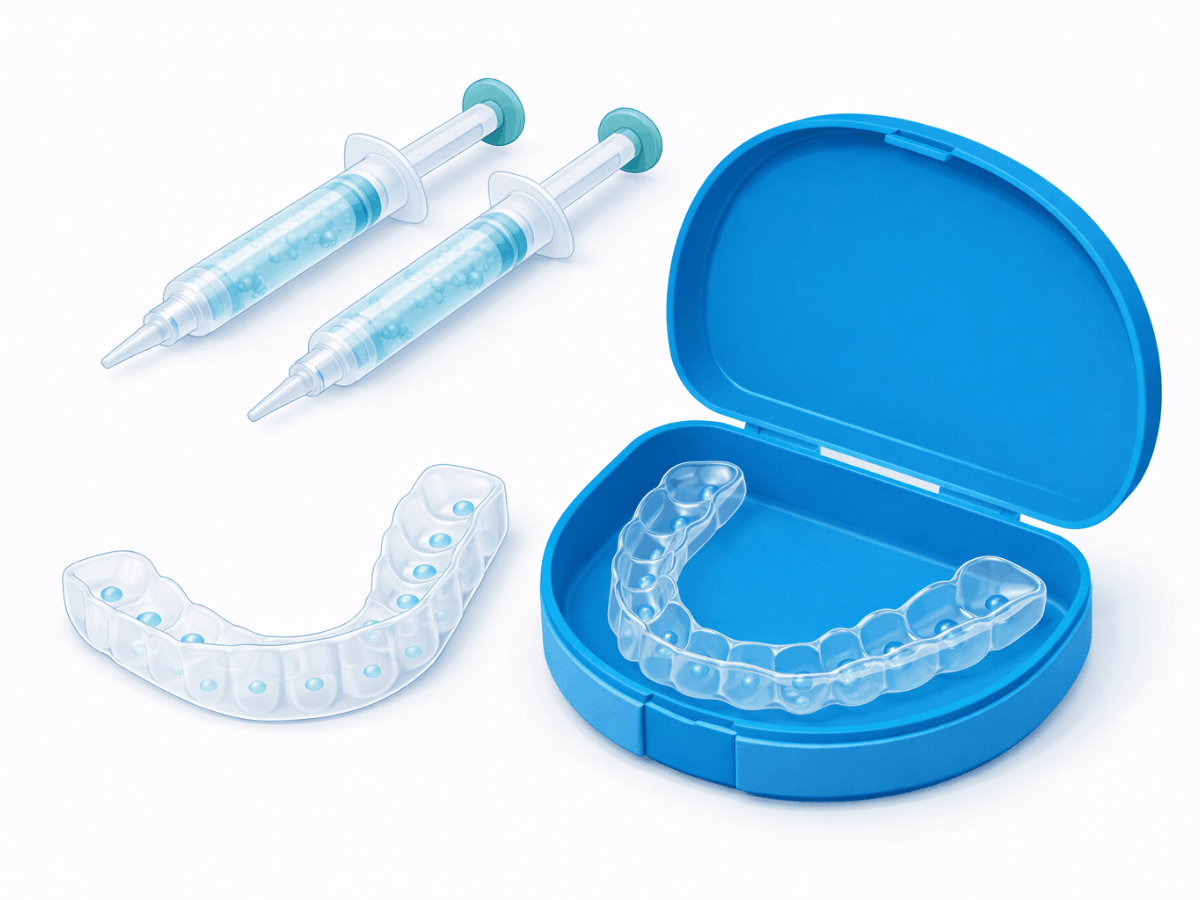
Dentist-provided trays allow for controlled whitening over several weeks. They offer stronger results than over-the-counter products while maintaining safety through customized fit and monitored concentration levels.
Combination Approaches with Dentist Supervision

In some cases, whitening toothpaste is used to maintain results after professional treatment. A personalized plan ensures enamel health is protected while maximizing brightness.
Choosing the right approach depends on your natural tooth shade, enamel condition, and how quickly you want to see results.
A Realistic Path to a Brighter Smile
Whitening toothpaste can improve brightness, but it works gradually and primarily on surface stains. Most people notice subtle changes within a few weeks, with results leveling off after consistent use. It is a maintenance tool, not a substitute for professional bleaching.
At Elizabeth L. Wakim DDS, our approach to professional teeth whitening options is tailored to each patient’s enamel health and cosmetic goals. We help patients understand when whitening toothpaste is sufficient and when a more targeted treatment may be appropriate. If you’re unsure which approach fits your needs or you’re ready for more noticeable results, contact our Pennsylvania office at (724) 558-8222 or use our contact form to schedule a consultation.

Dr. Elizabeth Wakim, DDS, is the founder of Enhanced Wellness. She’s a compassionate and highly-regarded dentist with her own practice in Washington, Pennsylvania, known for providing modern, comprehensive dental care, botox and facial aesthetics with a focus on patient comfort and anxiety reduction, serving general, cosmetic, and pediatric dentistry needs.