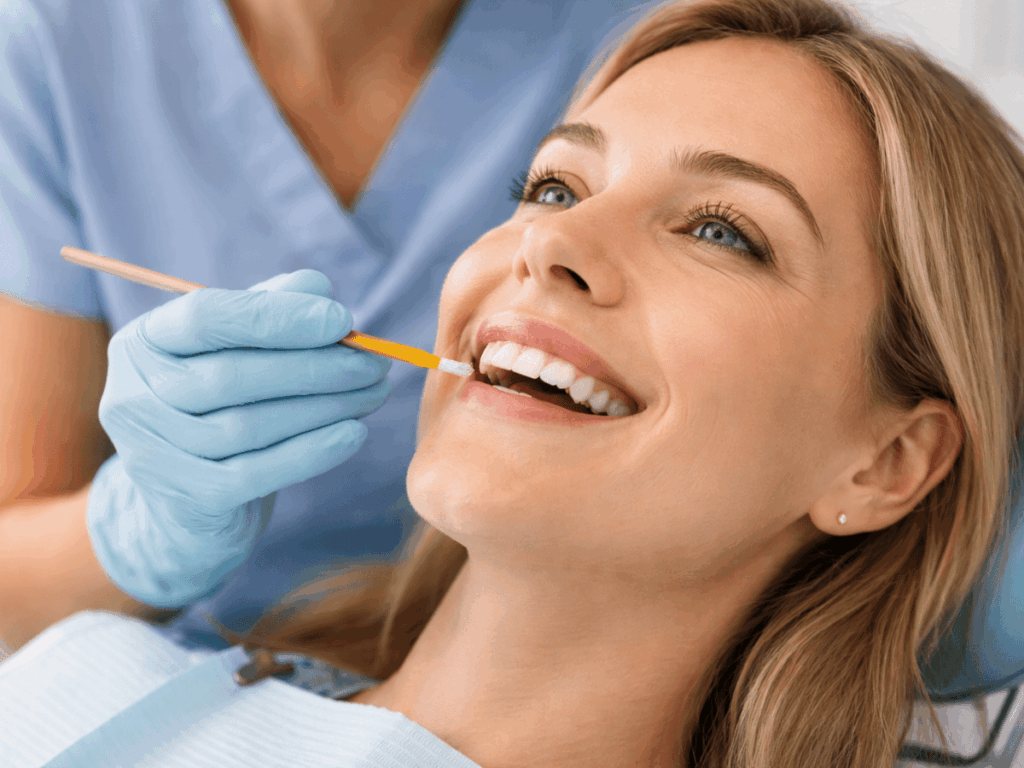
Fluoride doesn’t work instantly the moment your appointment ends. It needs a short window to fully absorb into your enamel and do its job protecting your teeth. That’s why knowing how long to wait to eat after flouride matters more than people expect.
This guide explains how long to wait to eat after flouride, what you can safely eat first, and how to protect the benefits of your treatment once you leave the dental chair.
At Elizabeth L. Wakim DDS, we focus on preventive care that extends beyond the dental chair. Our team provides clear, personalized guidance so patients know exactly how to care for their teeth after treatments like fluoride, helping them protect enamel, reduce decay risk, and maintain long-term oral health.
What Happens to Your Teeth During Fluoride Treatment
Fluoride strengthens your teeth by reinforcing enamel, the hard outer layer that protects against decay. When fluoride is applied, it helps enamel absorb minerals like calcium and phosphate, making teeth more resistant to acid from food, drinks, and bacteria. It can also slow or reverse very early stages of tooth decay before cavities fully form.
This process continues after the treatment ends. Fluoride needs time to bind to the enamel surface, which is why eating too soon can reduce how much protection your teeth actually receive.
Types of Fluoride Treatments, Absorption, and Recommended Wait Times
The type of flouride used affects how long it stays on your teeth, how it’s absorbed, and how long you should wait before eating. While general guidance often mentions a single wait time, understanding the differences helps patients protect the full benefit of their treatment.
Flouride Varnish
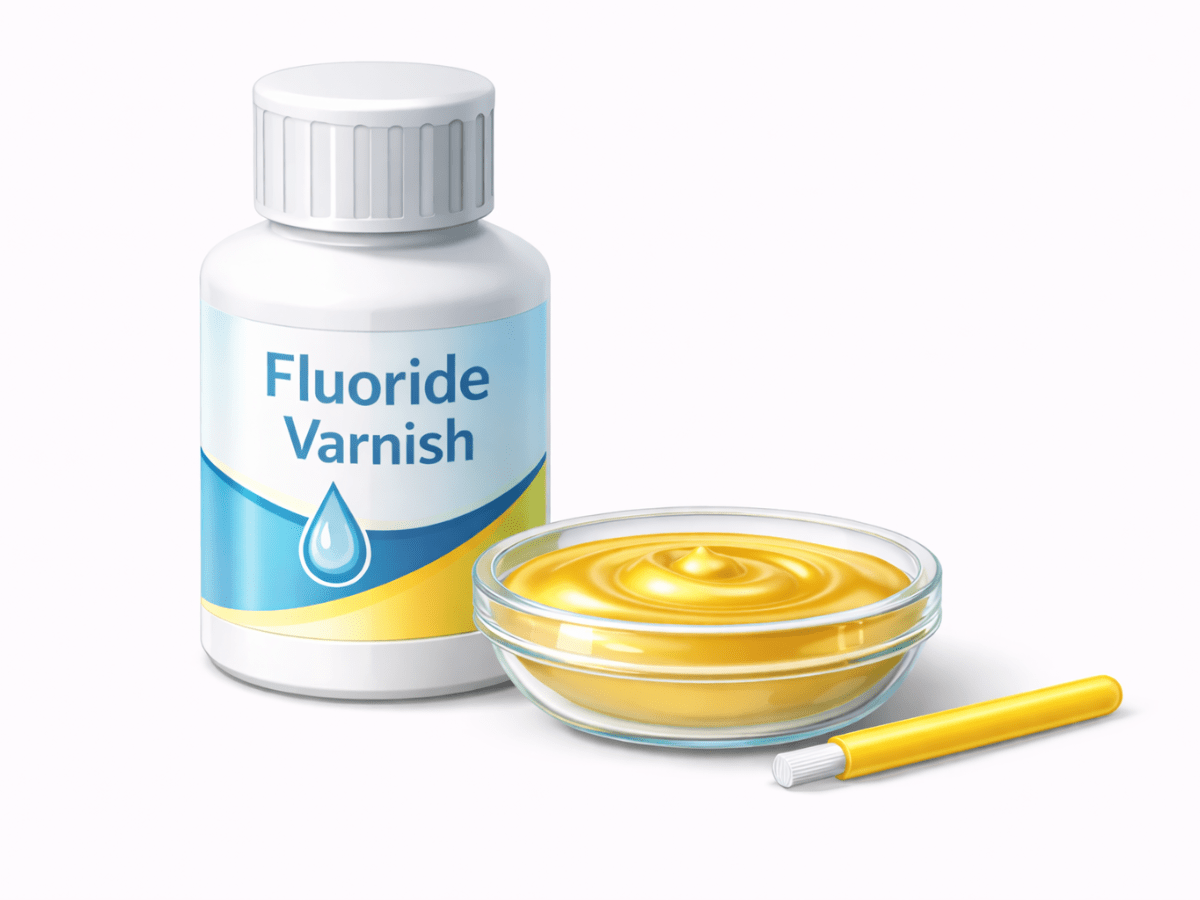
Flouride varnish is the most commonly used option in dental offices. It hardens quickly when it contacts saliva and releases flouride gradually over several hours, allowing for deeper enamel absorption and longer-lasting protection. Studies show that fluoride varnish can reduce tooth decay by approximately 30 to 40 percent in children, which is why it is widely used as an effective preventive treatment.
- Wait at least 30 minutes before eating
- Stick to soft foods at first
- Avoid hard, crunchy, or sticky foods for the rest of the day
Because varnish continues working after application, giving it enough time on the teeth is especially important.
Flouride Gel or Foam
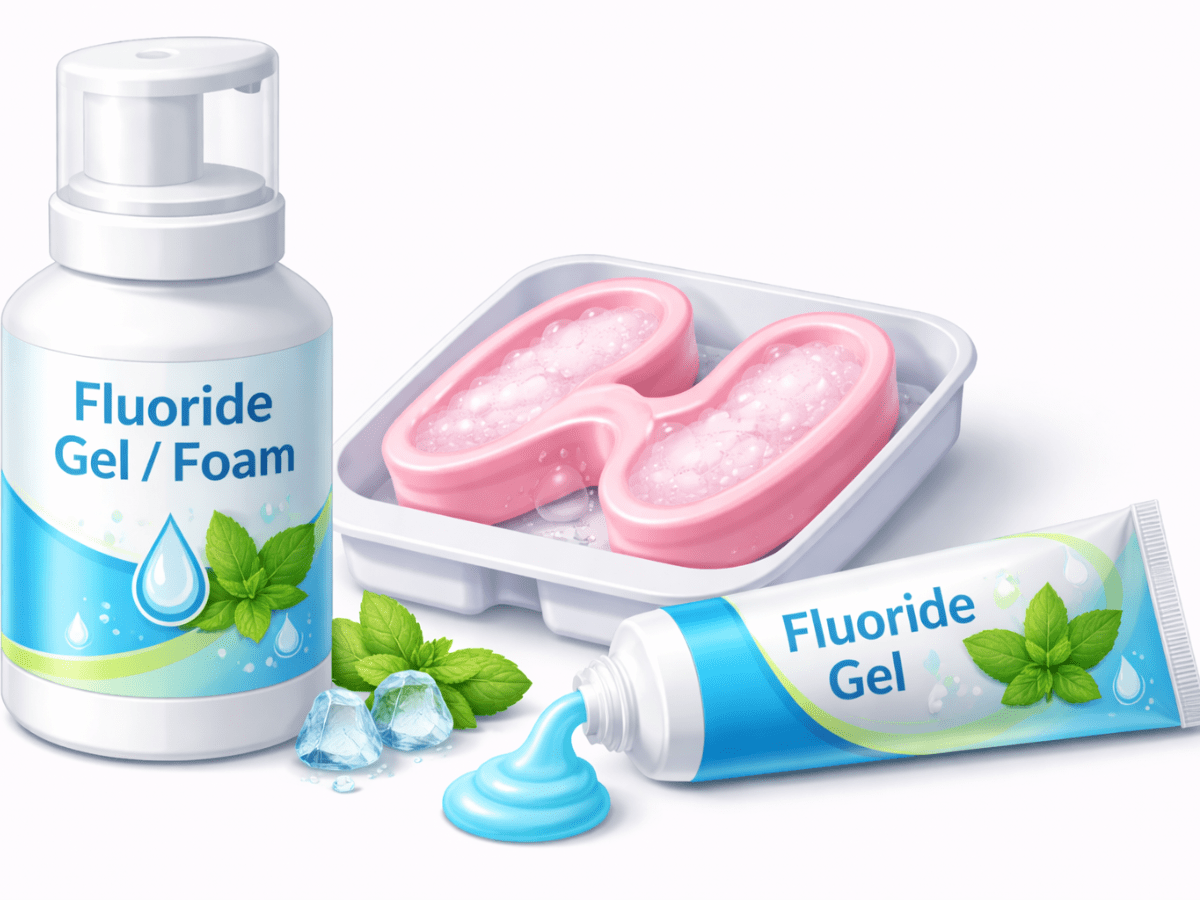
Flouride gel or foam is typically applied using trays and works over a shorter period than varnish. Absorption happens more quickly, but the flouride also rinses away sooner.
- Wait at least 30 minutes before eating or drinking
- Avoid acidic or hot foods immediately afterward
Eating too soon can reduce how much flouride remains on the enamel surface.
Flouride Rinse
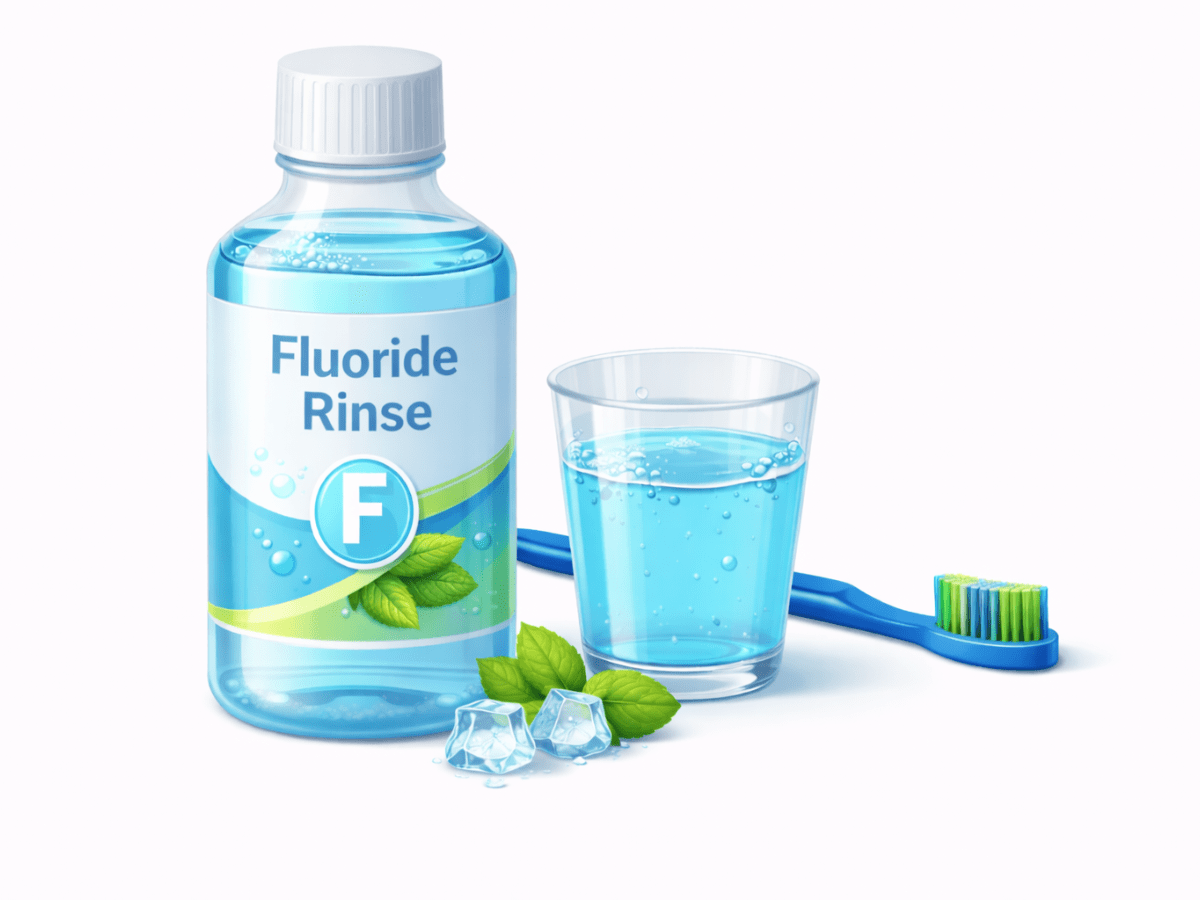
Flouride rinses are often used as a supplemental or at-home preventive measure because they are easy to use and allow for frequent topical fluoride contact with the teeth. While helpful for supporting daily dental health, rinses provide only brief enamel exposure and do not offer the same sustained protection as professional fluoride treatments.
- Avoid rinsing with water or using mouthwash during this time
This waiting period helps flouride stay on the enamel long enough to be effective.
Because absorption varies by treatment type, following your dentist’s guidance on when to eat helps ensure flouride has enough time to strengthen your enamel and protect against decay. This type of personalized instruction is often reinforced during routine dental cleanings, where preventive treatments and aftercare guidance work together to support long-term oral health.
Foods and Drinks to Avoid and Why
After a flouride treatment, certain foods and drinks can interfere with how well flouride binds to your enamel. Avoiding them during the initial window helps preserve the protective benefits of the treatment.
Acidic Foods and Drinks: Examples include citrus fruits, soda, sports drinks, vinegar-based foods, and tomato products. Acid temporarily softens enamel. Consuming acidic items too soon can weaken enamel at the same time flouride is trying to strengthen it, reducing the overall effectiveness of the treatment.
Crunchy or Hard Foods: Foods such as chips, nuts, crackers, popcorn, and raw vegetables can physically disrupt flouride on the tooth surface. With treatments like flouride varnish, hard textures may scrape or break down the coating before it has had time to release flouride into the enamel fully.
Sugary Foods and Drinks: Candy, desserts, sweetened coffee or tea, and juice feed bacteria that produce acid in the mouth. This increase in acid can counteract flouride’s protective role, especially if sugar is consumed shortly after treatment.
Extremely Hot or Cold Food: Very hot beverages like coffee or tea, as well as icy drinks, can increase tooth sensitivity immediately after treatment. Temperature extremes may also affect enamel stability and comfort while flouride is still settling on the teeth.
Preventive dental guidance consistently shows that eating the wrong foods too soon can wash away or weaken flouride before it has time to strengthen enamel. Allowing a short protected window helps maximize cavity prevention and long term protection.
Making Fluoride Treatment Count
Flouride treatments are designed to strengthen enamel and reduce the risk of tooth decay, but their effectiveness depends on what happens after you leave the dental office. Allowing the recommended wait time before eating and choosing appropriate foods helps fluoride remain on the teeth long enough to provide meaningful protection.
Simple aftercare choices can make a measurable difference. Avoiding acidic, sugary, and abrasive foods immediately after treatment supports enamel while fluoride is still bonding. This guidance is especially important for children, whose developing teeth benefit from consistent preventive routines often reinforced through pediatric dentistry care. Following these guidelines helps extend the benefits of fluoride treatment and supports long-term oral health.
Our team is committed to helping patients protect their enamel and get the most benefit from preventive treatments like fluoride. If you have questions about post-fluoride care, enamel sensitivity, or the right oral hygiene routine for your needs, we are here to help. Contact our Pennsylvania office at (724) 558-8222 or use our contact formto schedule a visit and receive personalized guidance tailored to your oral health goals.
Frequently Asked Questions
Q1: Can I drink water right after flouride treatment?
A: Yes. Drinking plain water is generally safe after the initial waiting period. Water does not interfere with fluoride absorption and helps maintain overall dental health. However, hot drinks, sugary sodas, acidic beverages, and alcohol should be avoided for a few hours. These can weaken the fluoride layer that forms a protective barrier on tooth enamel, especially in the first few hours after treatment.
Q2: Can children eat right after a flouride treatment?
A: Children should follow the same guidelines as adults. Most dentists recommend waiting at least 30 minutes before eating and choosing the right foods afterward. Soft, healthy options such as dairy can help support fluoride retention, while crunchy foods and sugary snacks should be avoided. These steps help prevent cavities and protect teeth that may already be prone to plaque buildup or frequent cavities.
Q3: Can I brush or floss after a flouride treatment?
A: Dentists usually advise patients to avoid brushing and flossing for several hours after treatment, particularly after fluoride varnish. Brushing too soon can remove the fluoride coating before it has time to fully bond with the tooth enamel. Avoid brushing during the first few hours to allow the fluoride layer to remain intact and continue forming a protective layer that keeps teeth strong.

Dr. Elizabeth Wakim, DDS, is the founder of Enhanced Wellness. She’s a compassionate and highly-regarded dentist with her own practice in Washington, Pennsylvania, known for providing modern, comprehensive dental care, botox and facial aesthetics with a focus on patient comfort and anxiety reduction, serving general, cosmetic, and pediatric dentistry needs.