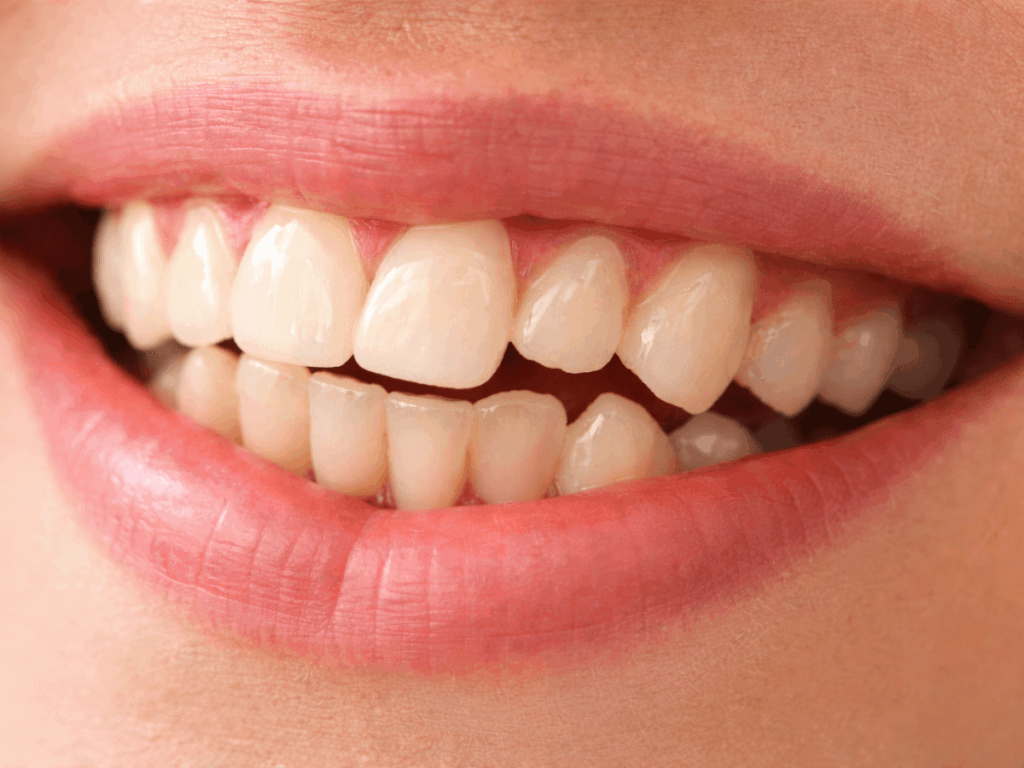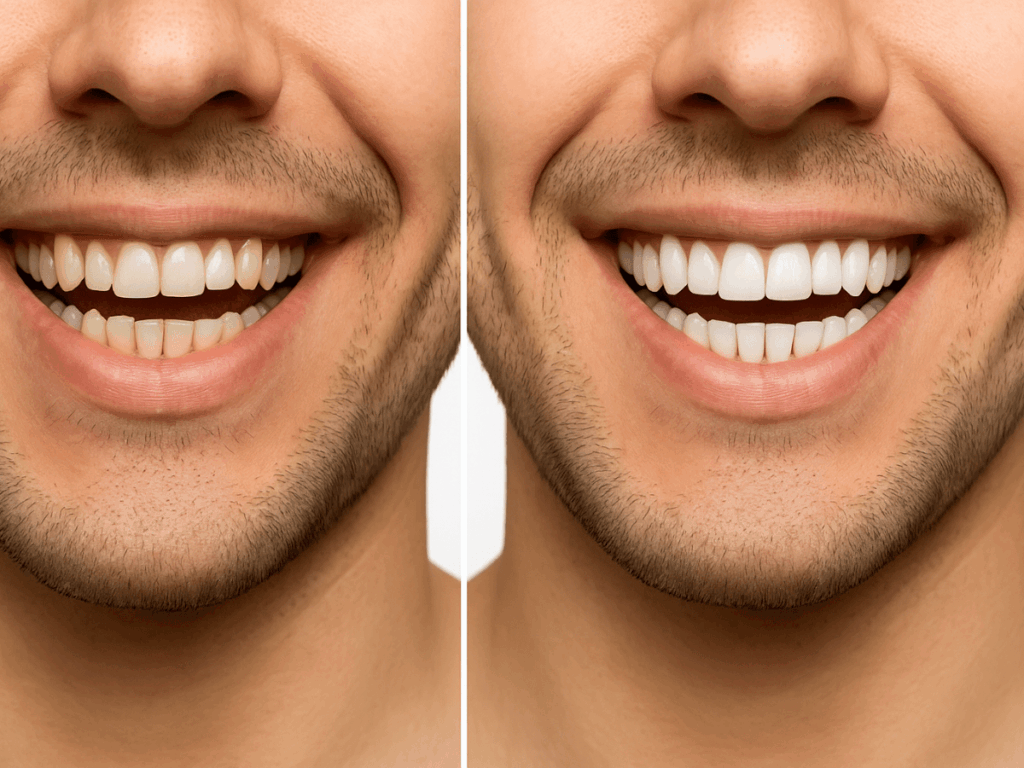
You finally have the smile you have always wanted. Your veneers look smooth, bright, and perfectly shaped. But their longevity depends on how you care for them. Veneers are strong, but they are not indestructible. Daily habits like the way you brush, what you eat, and how often you visit your dentist can mean the difference between veneers that last a decade and veneers that need replacing too soon.
At Elizabeth L. Wakim DDS, we use advanced veneer materials and precise placement techniques to give every patient a natural-looking smile built to last. We emphasize the importance of proper dental veneer care and maintenance to preserve their appearance and longevity. During your visit, we provide personalized care instructions and follow-up support so you know exactly how to keep your veneers strong, stain-free, and comfortable for years to come.
In this guide, we share practical, dentist-approved steps to keep your veneers looking flawless and feeling comfortable for years.
Veneers 101: What You Should Know
Around 8 percent of Americans have veneers, and interest in this cosmetic treatment continues to grow as more people look for ways to enhance their smiles. Veneers are thin, custom-made shells placed over the front of your teeth to hide imperfections such as chips, gaps, or discoloration. They instantly create a beautiful smile while blending naturally with your healthy teeth. Most patients choose porcelain veneers because they are strong and stain resistant, while composite resin veneers offer a more affordable option, though they are slightly less durable. A porcelain veneer enhances only the front surface of a tooth for cosmetic improvement, unlike a dental crown, which covers the entire tooth and provides additional structural strength.
Even with new veneers, the natural tooth underneath still needs daily care to stay healthy. Veneers cover only the front surface of the tooth, leaving the surrounding teeth and gums just as vulnerable to decay and gum disease as before. Following good oral hygiene habits recommended by the American Dental Association, including brushing at least twice a day and flossing regularly, is essential to protect both the veneers and your natural enamel.
Porcelain veneers typically last 10 to 15 years with proper care, while composite veneers last about 5 to 7 years. How long they last depends on your daily routine, the foods you eat, and whether you avoid grinding your teeth or biting down on hard objects that can damage veneer edges.
Your Daily Veneer Care Routine Made Easy
Studies show that both porcelain and composite veneers deliver lasting cosmetic improvements and high patient satisfaction when paired with consistent daily care. Focus on these five simple habits to keep your veneers looking bright and feeling strong:
- Brush gently twice a day with a soft-bristled toothbrush: Avoid hard bristles that can scratch veneers or irritate your gums.
- Use a non-abrasive fluoride toothpaste: This protects the natural tooth beneath the veneer without wearing down its surface.
- Floss daily and rinse after meals: Keeping the gumline clean and rinsing away food particles helps prevent plaque buildup and staining.
- Limit stain-causing foods and drinks: Coffee, tea, red wine, and berries can discolor the edges of your veneers over time.
- Avoid biting down on hard items: Skip chewing on ice or hard candy and never use your teeth to open packages to prevent chips or cracks.
These five steps are easy to follow and go a long way in maintaining the appearance and durability of your veneers.
Pre- and Post-Veneer Oral Hygiene Tips You Shouldn’t Skip
Research show that up to 95 percent of veneers remain functional after 10 years, with a survival rate of about 85 percent when patients follow proper care routines. Taking the right steps before and after your veneer procedure helps your veneers cover and protect your teeth properly and keeps your new smile looking its best for years.
Following your dentist’s aftercare instructions is key to maintaining both the longevity and appearance of your new veneers. Learn more about the role of preventive dentistry in avoiding expensive treatments to understand how routine habits can save you time and money.
Before Your Veneer Procedure
- Start preparing a few weeks prior: Maintain good oral hygiene by brushing your teeth at least twice a day with a non abrasive toothpaste and floss regularly. Address any gum issues, cavities, or chipped tooth concerns your dentist identifies before your veneers are placed.
- Avoid staining foods and drinks: Limit coffee, tea, red wine, and other dark-colored items that can stain natural teeth and affect how well your traditional porcelain veneers or composite material veneers blend in.
- Schedule a professional cleaning: A clean and healthy surface allows the dental cement to bond more securely whether you are getting traditional veneers, no prep veneers, or temporary veneers.
- Discuss other treatments if needed: If your dentist recommends teeth whitening for the surrounding regular teeth or a dental crown for a damaged back tooth, complete these first so the veneers match your overall smile.
After Your Veneer Procedure
- Expect mild, temporary sensitivity: Some tenderness is normal as your gums and underlying teeth adjust to the veneers.
- Stick to soft foods for the first day or two: Avoid chewing hard objects or crunchy foods until your veneers have settled.
- Brush gently with a soft-bristled or electric toothbrush: This helps protect your veneers and the gum line. Use alcohol free mouthwash to avoid drying your gums.
- Wear a mouth guard if needed: If you grind at night or play contact sports, a custom mouth guard will protect your veneers from cracks and chips.
- Quit smoking and follow your dentist’s instructions: Avoid tobacco products that can stain the edges of veneers and always follow dentist-recommended care so your mouth stays healthy.
Veneer Problems to Watch Out For
Veneers are built to last, but certain issues can arise over time. Spotting these early can help you prevent further damage and keep your smile healthy.
- Chips or cracks in a veneer: Avoid biting hard foods or using your teeth to open packages. If a veneer chips, contact your dental office right away for repair.
- Loose or shifting veneer: A veneer that feels loose or moves slightly needs immediate attention to avoid bacteria getting underneath.
- Discomfort or sensitivity that persists: Some tenderness is normal at first, but ongoing pain or sudden sensitivity could signal an underlying problem.
- Gum swelling or redness around a veneer: Irritation that lingers may point to gum inflammation or an improper fit.
- Stains along the edges: While veneers resist most stains, discoloration at the edges can develop if plaque builds up or the bond weakens.
If you notice any of these problems, schedule an appointment with your dentist right away instead of trying to fix them yourself. Prompt care helps protect both your veneers and your natural teeth. If cost is a concern, you can also check our guide on whether dental veneers are covered by insurance to understand your options before scheduling treatment.
Professional Care: What the Dental Office Does for You
Routine visits to your dental office are essential for keeping your veneers and overall oral health in top condition. Proper care from a dental professional helps your veneers stay strong, protects the surrounding teeth, and keeps your mouth healthy. Here is what our dental team provides:
Regular Checkups and Veneer-Safe Cleanings
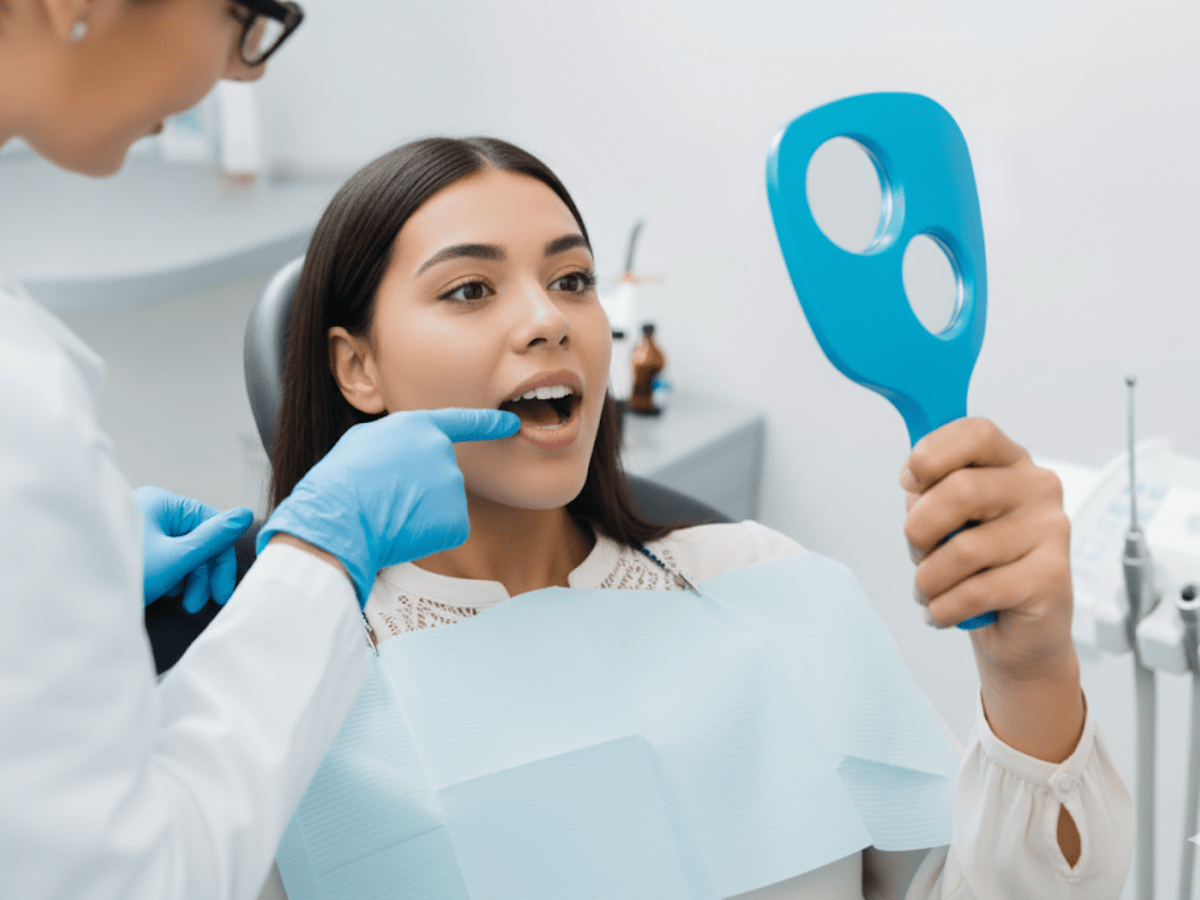
When you visit your dentist regularly, dentists and dental hygienists use gentle, nonabrasive toothpaste, polishing pastes, and tools that protect the smooth front surface of your dental veneers. These appointments also help remove plaque along the gum line, lowering the risk of gum disease and other oral health issues.
Professional Polishing and Stain Removal

Professional cleanings brighten veneers and the natural enamel around them. This service targets surface stains from coffee, tea, soy sauce, or tobacco products that at-home care often cannot fully remove.
Re-Bonding or Minor Repairs
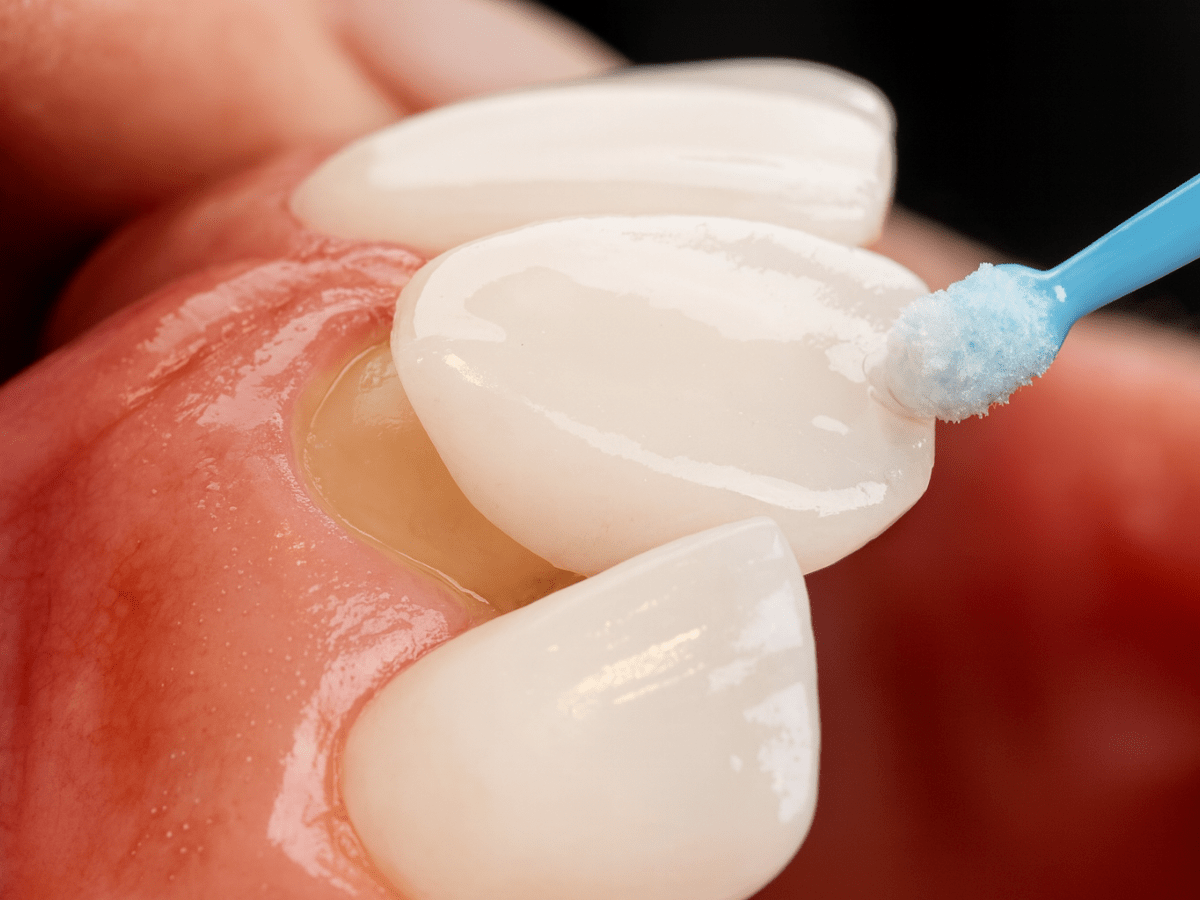
If a veneer chips or loosens, your dentist can repair it in-office by adjusting the bonding material or dental cement. Prompt attention prevents further damage to the veneer or the underlying teeth.
When Replacement Becomes Necessary
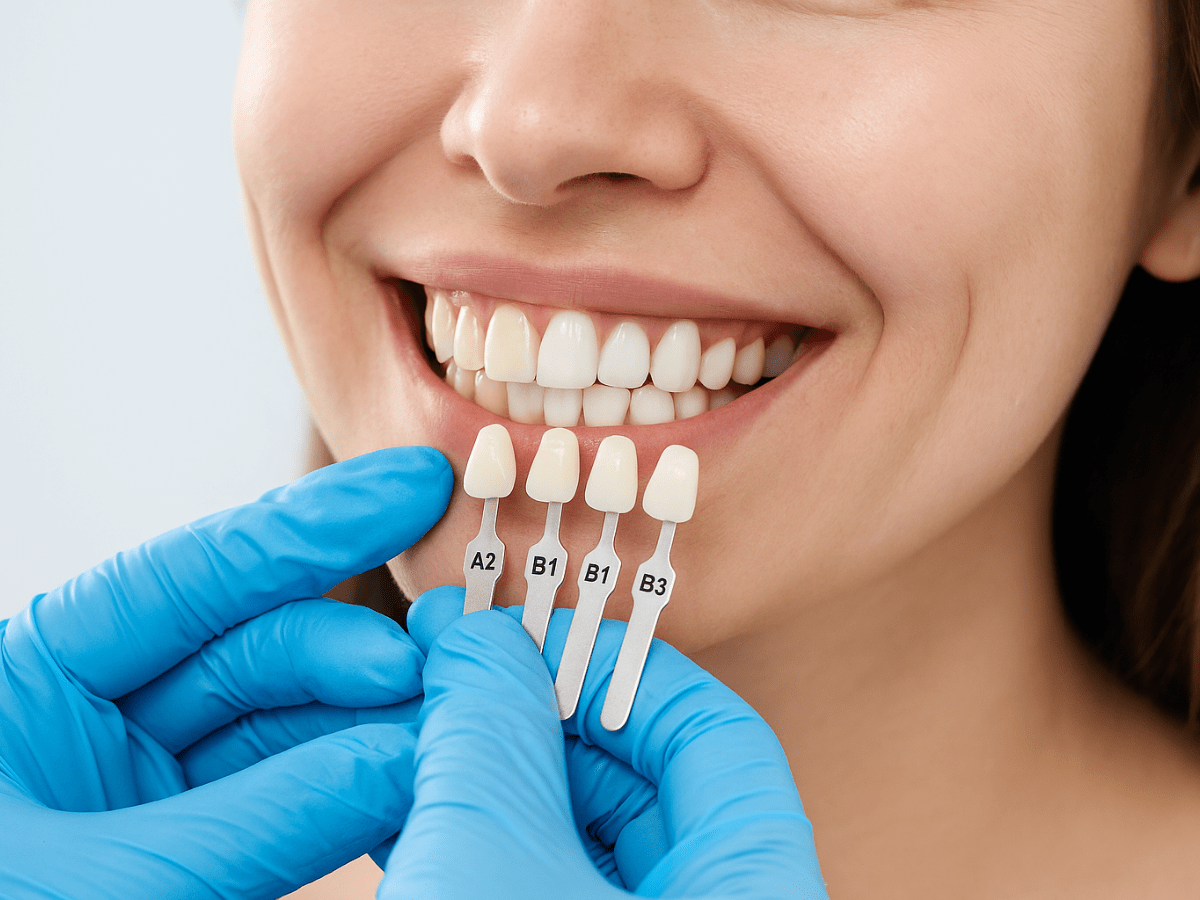
Most porcelain veneers last 10 to 15 years with good oral hygiene, while composite resin veneers may need earlier replacement. Your dentist will let you know when it is time to replace or upgrade veneers due to wear, receding gums, or other cosmetic concerns.
Long-Lasting Veneers Start with Expert Care
Caring for your veneers is simpler than most people think. Consistent brushing with a soft-bristled toothbrush, limiting stain-causing foods and drinks, and scheduling regular professional cleanings can make a big difference in how long your veneers last. Being mindful of early warning signs, like chips or lingering sensitivity, helps you address small issues before they become costly problems.
If you are still exploring your options for enhancing your smile, learn more about other affordable cosmetic dentistry treatments that boost confidence to see what might work best for you.
At Elizabeth L. Wakim DDS, we provide advanced veneer materials, expert placement, and ongoing support to keep your smile bright and healthy for years. Whether you are considering veneers or already have them, we are here to help you protect your investment and keep your smile looking its best.
Call our Pennsylvania office at (724) 558-8222 or use our contact form to schedule a visit today. Do not wait for minor issues to turn into bigger concerns, let our team help you maintain a confident, lasting smile.

Dr. Elizabeth Wakim, DDS, is the founder of Enhanced Wellness. She’s a compassionate and highly-regarded dentist with her own practice in Washington, Pennsylvania, known for providing modern, comprehensive dental care, botox and facial aesthetics with a focus on patient comfort and anxiety reduction, serving general, cosmetic, and pediatric dentistry needs.