

Approximately ⅔ American adults drink coffee every single day. In our culture, it seems like something that’s unavoidable. At the same time, we understand how important it is for both our dental and overall health to take care of our teeth. This article investigates how we can keep our teeth looking good and our coffee too!
How Does Coffee Stain Our Teeth?
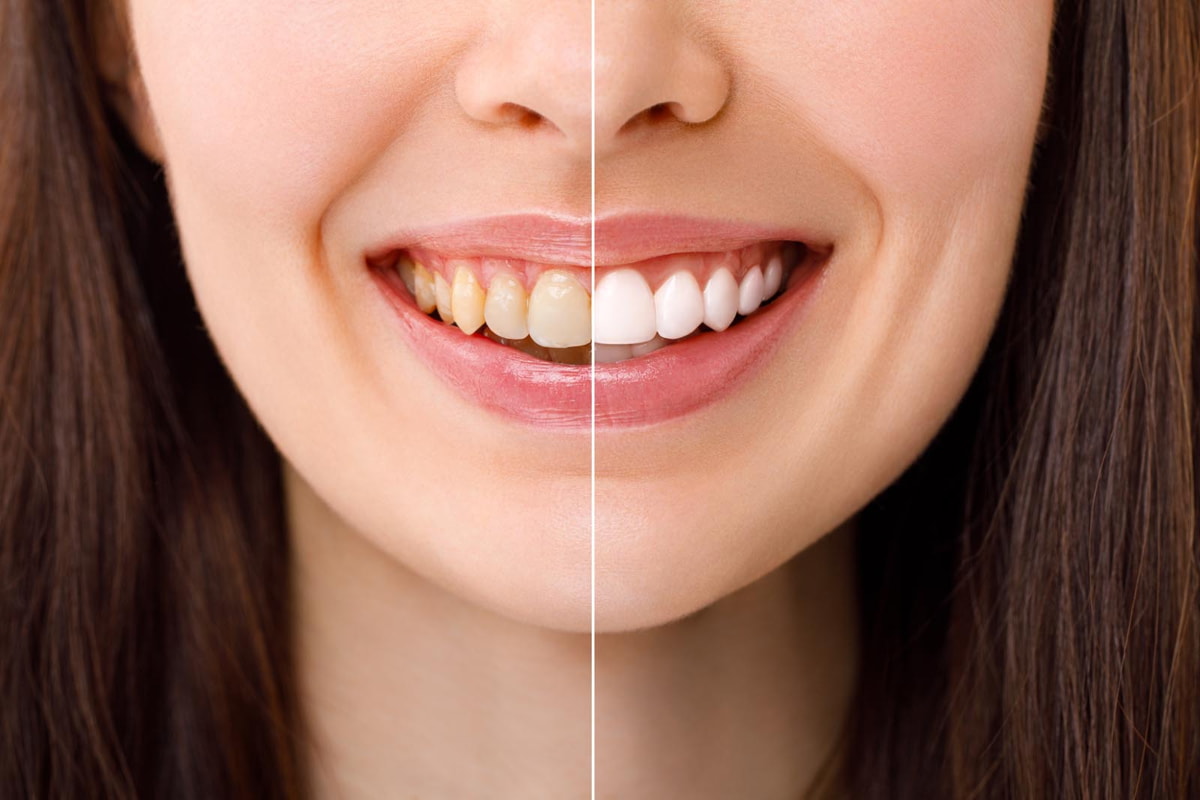
A general rule of thumb is that if something can stain your clothes, it can stain your teeth, too. Coffee contains ingredients called tannins, which are a type of polyphenol that breaks down in water. They cling to our enamel, which is highly porous. If left untreated, tannins cause a yellow stain to be left behind on the teeth. It only takes one cup of coffee a day to cause this. It’s important to note, however, that these chemical compounds are also found in beverages like wine, black tea, or colas.
So even if you do manage to cut down your coffee intake, make sure that you’re replacing it with something that won’t cause equal damage to your teeth. On the bright side, however, methods of removing stains from your coffee consumption can also remove stains from other beverages, like wine.
Coffee doesn’t just change the physical appearance of our teeth, however. It can increase your risk of cavities, damage your enamel, and cause bad breath. Coffee is acidic, and that acid can erode tooth enamel over time. This is what makes your teeth more susceptible to cavities. Caffeine is also a diuretic (it decreases saliva production), meaning that it can prevent your mouth from naturally washing away bacteria.
Most notably, however, coffee can impact our gums. Five studies found that consuming coffee can have negative effects on our gums—namely, the alveolar bone, which is the anchor that provides support for our teeth when we chew or speak. Coffee extract in particular can stimulate the loss of this bone. Two more studies found that coffee can destroy periodontal tissue, or gums.
Prevention
It’s the first step to keep coffee stains off of your teeth. Even if you’ve been drinking coffee every day for 30 years, there are still techniques you can make sure you’re doing to keep your teeth as white as possible.
- Avoid creamer and sugar. These coffee additions only serve to add bacteria to your teeth, which your coffee keeps in your mouth.
- Drink a glass of water after. Water will wash out a great deal of bacteria and the coffee itself that has accumulated while drinking. It’s a gentle cleansing that doesn’t damage your teeth, and helps to remind you to stay hydrated, too!
- Get your caffeine from another source. Green teas, for example, don’t do much to stain your teeth at all. You can also consider a zero-sugar energy drink, or naturally caffeinated drinks like Yerba Mate.
- Drink iced coffee through a straw. Drinking through a straw pushes the liquid back past your teeth to the back of your mouth. It’s not a foolproof way to avoid coffee staining, but it can help minimize the damage.
- Wait 30 minutes after drinking to brush your teeth. Remember that the acid in coffee and many other foods weakens your enamel. Therefore, you should wait until the acid is neutralized so you don’t brush away your natural enamel. This is another reason why it’s important to wash your mouth out with water first, because you don’t want to wait too long.
At Home Methods
If you’re not able to get in with your dentist, whether due to high wait time or other reasons, there are methods you can use at home in the meantime. They’re also helpful to establish a robust long-term tooth-care routine.
1. Baking Soda Paste
Baking soda, or sodium bicarbonate, is very useful when it comes to whitening your teeth. Baking soda-based oral cleaning methods are not only more effective at whitening than their non-baking soda-based counterparts, but they’re safer to use. Because baking soda is not very abrasive, it won’t damage your enamel. It’s also compatible with devices that buffer acids, and is antibacterial itself in high amounts. Making a baking soda paste at home is quite easy. Just follow these quick steps.
- Mix a tablespoon of baking soda with a tablespoon of water in a small bowl. It should make a thick paste.
- Brush with a finger or soft-bristled brush for around two minutes using circular motions, and coating all teeth with the paste. Be careful to not scrub too intensely.
- Spit the baking soda out and rinse your mouth with water.
Keep in mind, this is not a substitute for teeth brushing, and should only be done once a week to give your enamel some relief.
2. Choose the Right Toothpaste
A 2024 study found that toothpastes containing sodium hexametaphosphate, or SHMP, have some of the highest whitening capabilities. Similarly, hydrogen peroxide and sodium bicarbonate were found to be useful whitening agents in toothpaste. So, next time you shop for toothpaste, don’t just buy it because it says “whitening.” Look at the ingredients. You can also avoid ingredients like charcoal or anything overly gritty.
3. Eat Raw Fruits and Vegetables
Keep in mind that crunchy vegetables like carrots and celery, while not only a good source of Vitamin C, manually removes bacteria from inside your mouth, preventing staining. Strawberries and lemons also contain natural fibers that help break down that bacteria.
4. Try a Hydrogen Peroxide Solution
As stated above, hydrogen peroxide is a useful whitening agent along with SHMP and baking soda. To make this solution at home, you can follow these simple steps:
- Mix equal parts of 3% hydrogen peroxide and warm water. You only need around one tablespoon of each.
- Swish the solution for 30 seconds, making sure the liquid moves around all parts of your mouth and teeth.
- Spit out the solution without swallowing.
- Rinse the solution out with water.
This method is considered to be a home-brew mouthwash, which is especially useful for people who may need to avoid alcohol and menthol. Be sure to only use it 2-3 times a week, and not as a substitute for any typical routines.
5. Over the Counter Products
Your dentist might recommend that you use over-the-counter whitening products such as gels or strips in addition to toothpaste. While they may be more affordable, they are not as immediate or effective as a professional solution. Some brands are better than others, so be sure to consult your dentist for what brands you should choose.
Professional Methods
If at-home methods aren’t cutting it, there are a couple of methods your dentist can try. Make sure you ask your dentist for advice on what methods are right for you.
1. Make Dentist Appointments
It sounds simple, but oftentimes, your dentist can remove coffee stains during your biannual tooth cleaning. Being honest with your dentist and attending your appointments every six months is a crucial part of making sure your teeth both look good and feel good.
2. Teeth Whitening Procedures
In-office whitening is much more simple than it sounds. This process involves the use of a bleaching agent, typically hydrogen peroxide or carbamide peroxide, which works by breaking down and oxidizing the chromogens responsible for tooth discoloration. The procedure itself only takes about an hour, but it uses a higher concentration of bleaching agents compared to at-home treatment options. They apply a protective gel to your gums, and then use a special light or laser to accelerate the bleaching process. This procedure is great for people who want quick results. However, it’s important to note that it only works for natural teeth, not fillings, crowns, or implants.
3. Take-Home Kits
Another option your dentist might recommend is to use take-home kits. They typically contain custom-made “trays,” kind of like retainers, that fit your teeth perfectly based on a mold or x-ray you’d have taken in the dentist’s office. This package comes with a lower concentration of whitening gel. The trays and whitening gel are used together to gradually whiten your teeth over time, and are typically more affordable than the procedure. They also give you a bit more control over how your teeth are whitened, and allow you the convenience of doing it at home.
Removing Coffee Stains: Key Takeaways
No matter how long you’ve been drinking coffee, your teeth are not past saving. Removing coffee stains from teeth and drinking coffee responsibly is not just important for the appearance of your teeth, but your oral health as well. Keep in mind the different strategies you can do at home, as well as at the dentist’s office to keep your teeth in shape. And before it gets to that point, consider re-evaluating your weekly dental routine. How you drink your coffee, when and how often you brush your teeth, and the toothpaste you use all work to prevent stains from occurring in the first place.