Many people suffer from cavities–in fact, 91% of adults in the United States alone between the ages of 20 and 64 have them–and they can be painful and expensive to get worked on. There are other people who suffer from dental phobia and have a fear or unease about getting any cavities, root canals, crowns, or any other type of dental procedure done because of the pain, needles, drills, and even the sights and sounds of the office.
Drilling into someone’s teeth to get rid of tooth decay is common practice for dentists, but with the enhancements of technology, there should be a better option, right? Many dentists are making the switch from traditional ways of filling cavities to using laser dentistry instead–a revolutionary method that can do a lot besides reduce pain and anxiety for someone getting the work done on their mouth.
What exactly is laser dentistry? Learn more about what it is and how it can impact the traditional process of removing a cavity!
Laser Dentistry and its Background
There are many reasons why laser dentistry is better to fix cavities, but learning about its practice and how it impacts the industry comes first!
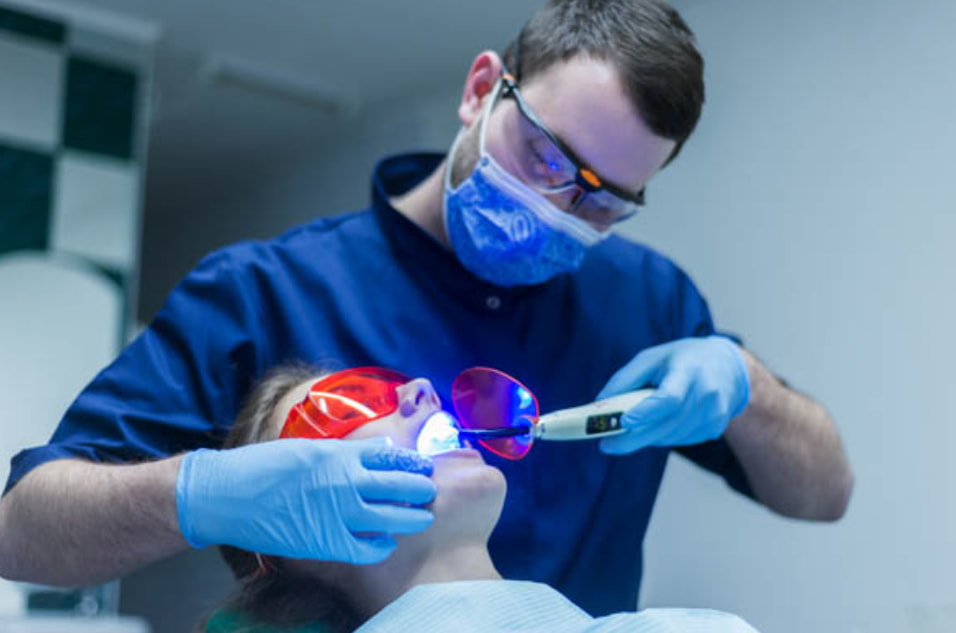
Learning about the impacts of technology in dentistry is exciting for both dentists and its patients. Cavities can be incredibly painful depending on the stage of decay that they’re in, and getting numbed up with a local anesthetic and having the tooth drilled into can seem like a scary thought. With laser dentistry, it can help create a better experience for the patient with faster healing times, among other benefits.
The Breakdown of Laser Dentistry and How it Works
Laser dentistry is a unique practice that uses concentrated beams of light energy to perform common dental procedures that are normally done using traditional methods, such as drilling and cutting with a scalpel. Drills and scalpels are used on both hard and soft tissues within the mouth, but laser technology can also penetrate both types of tissues and provide less pain with a much faster healing process. Many people consider this to be an easier, less messy, and less painful method compared to conventional techniques that have been around for decades.
There are two different kinds of lasers that are used–soft tissue and hard tissue ones. The hard tissue lasers can do everything from detect cavities and prepare them for fillings, plus it can also properly handle tooth sensitivity. For soft tissue lasers, they are more common for cosmetic dental procedures, such as removing gum tissue to lengthen crowns, can get rid of a tongue tie, reshape and even out gum tissue, and remove any gum folds that are caused from using dentures.
What Types of Procedures Can Be Performed Using Laser Dentistry?
Many common dental procedures and even cosmetic ones can be performed by using laser dentistry. Some of the most common procedures can include the following:
- Cavity detection
- Cavity treatment
- Gum disease treatments
- Gum contouring
- Tongue-tie or lip-tie surgery
- Removing benign tumors
- Reshaping dental bones
- Root canal procedures
- Teeth whitening
- Tooth sensitivity treatment
- Removing impacted or decayed wisdom teeth
- Removing tooth decay under crowns
Why You Should Consider Laser Dentistry
For many people, there is a specific list of reasons as to why they may consider laser dentistry over common, more traditional practices. Dental anxiety is something that lots of people suffer from where they can become highly uncomfortable due to the noises in the dentist office and the pain that can come along with it. Many often seek out dental practices that do their procedures using a laser to help with their anxiety, or even to opt for a more non-invasive method.
Other people may choose to consider laser dentistry due to ongoing soft tissue problems that can range from gum disease, a tongue-tie, or for cosmetic purposes. Using laser dentistry practices also uses high precision skills that many dentists perfect to protect their patients and cause them as little pain as possible.
Pros and Cons of Laser Dentistry
A comprehensive view of laser dentistry can help make up your mind if it’s a better option to seek out!
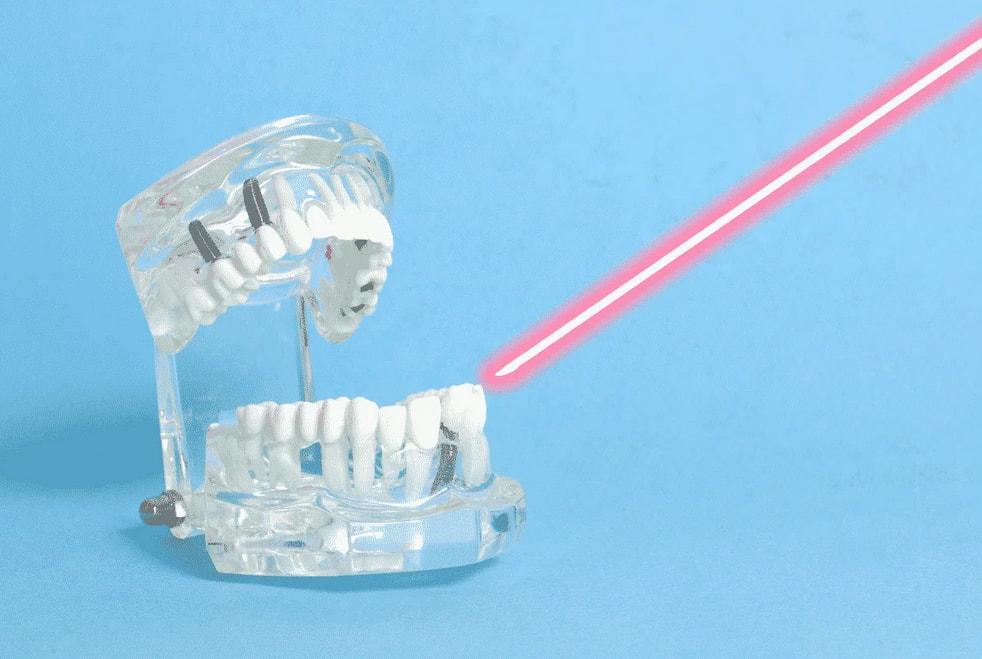
Laser dentistry provides a unique and less painful experience when getting common dental procedures done and even for cosmetic ones too. There are pros and cons to laser dentistry and how it can impact your experience in the chair at the dental office.
Pros of Laser Dentistry
Many people enjoy the pros that come with making the switch to laser dentistry, no matter if it’s for your own personal dental practice, or if you’re a patient seeking out treatment. Some of the most common pros of laser dentistry are as follows:
- More precision during procedures
- Less invasive compared to traditional drills
- Faster healing process
- Reduced trauma to the teeth and gums
- Fewer follow-up appointments
- Perfect for cosmetic dental procedures (gum contouring, tongue-tie, etc.)
- Reduced pain
- Little anesthesia used during procedures
Cons of Laser Dentistry
There are always pros and cons to everything–including laser dentistry, but there aren’t as many as you may think as this practice has a high satisfactory rate in those that seek it out. The following are some of the cons or risks for opting for laser dentistry practices:
- Not suitable for every dental procedure
- Does not work for procedures in between teeth
- More expensive for the patient to opt for
- Can potentially damage healthy tooth pulp
How Laser Dentistry Works For Cavities
See how much easier cavity treatment can be with the use of laser dentistry instead of traditional methods!
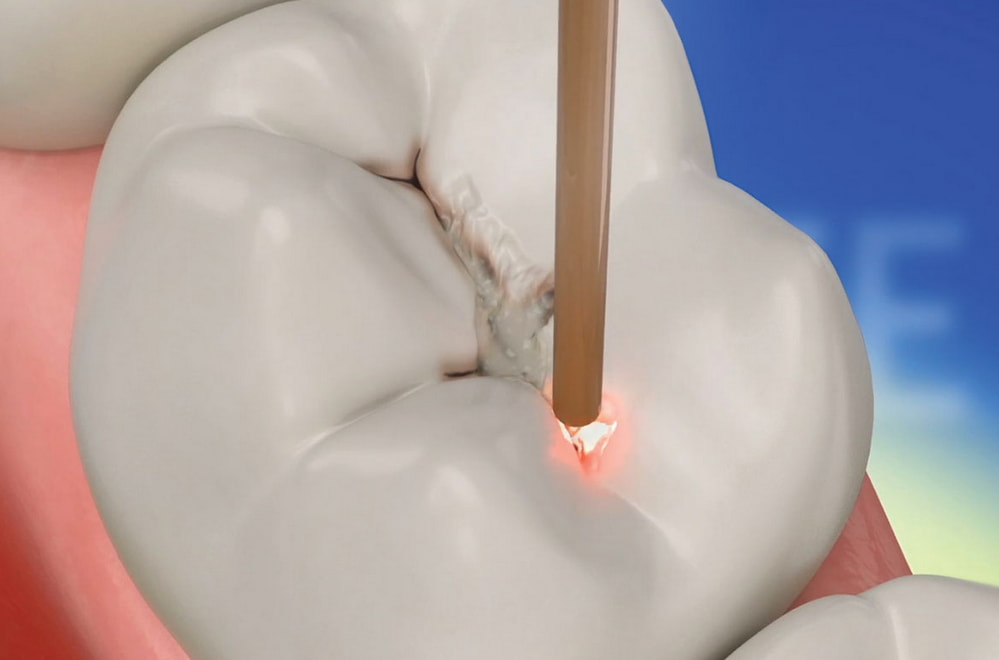
Traditional methods of getting rid of a cavity can be painful and can come with the use of a local anesthetic, which can involve needles and drilling–something that many people struggle with in a dentist office. Laser dentistry can help to alleviate many anxieties that many people have at the dentist and experience a less painful cavity treatment experience.
How Does Laser Treatment Work For Cavities?
While the process of filling a cavity is the same, the preparation and traditional methods of using a drill to remove the decayed portion of the tooth are instead replaced with a laser. The first thing a dentist will do is do a visual examination and x-rays to observe the tooth and the area around the cavity.
Instead of using a drill to remove the decay in the tooth, a water-based laser is used instead. Using precision, dentists can vaporize the decayed tissue that is causing the cavity, which is a much cleaner method that doesn’t cause as much damage to the tooth as drilling it out. The laser also helps to keep more of the healthy tissue in the tooth intact where a traditional drill can remove more of it than necessary.
Once the decay is removed from the tooth, then cleaning the cavity is next to prepare for filling it with a material such as amalgam, composite resin, glass ionomor, or even gold.
Is Local Anesthesia Needed For Laser Treatment For a Cavity?
Unlike traditional practices where novocaine is typically shot into your gums surrounding the affected tooth with the cavity, laser treatments don’t usually require a local anesthesia. Depending on the individual and how comfortable they would feel to not have a local anesthetic during a cavity procedure, laser treatments are less invasive and provide minimal discomfort. Laser dentistry uses precision when getting rid of tooth decay affecting a tooth, and with this in mind, no shots are usually needed for a cavity using this method.
Many people often tend to choose laser dentistry for cavities not only because no shots of a local anesthetic are needed, but there is a faster recovery and less bleeding. Overall, this is a more comfortable procedure that is a bit more expensive, but is worth it to many who have high anxiety and are worried about the pain from traditional practices.
Cavities are no fun–and many people struggle with going to get one filled. While it is necessary to refrain from any long-term damage or the pain that comes from them, the pain associated with traditional practices is something that many people struggle with. Laser dentistry is a revolutionary method for dental practices that can help many patients with high anxiety and provide a less invasive treatment with a faster recovery time.
If you’re in the Washington, PA area and are struggling with cavities, tooth decay, or have a nagging pain in your mouth––consider contacting Elizabeth L. Wakim—exceptional smiles start here!

Dr. Elizabeth Wakim, DDS, is the founder of Enhanced Wellness. She’s a compassionate and highly-regarded dentist with her own practice in Washington, Pennsylvania, known for providing modern, comprehensive dental care, botox and facial aesthetics with a focus on patient comfort and anxiety reduction, serving general, cosmetic, and pediatric dentistry needs.