Loose Tooth as an Adult: What Causes It, Whether It Can Tighten Back Up, and What to Do Now
Noticed an adult tooth wiggling? Dr. Liza Wakim explains what causes a loose tooth, whether it can tighten back up, what to do right now, and how dentists treat it, from deep cleaning to splinting.

As a child, a loose tooth is exciting. As an adult, it is worrying, and it should never be ignored. Adult teeth are meant to stay firmly in place, so a tooth that moves is a sign that something is affecting the gum, bone or ligament that holds it.
The good news is that many loose teeth can be saved, especially when they are checked early. In this post I will explain the common causes, what you can do right now, and how dentists treat a loose tooth.
The short version
- A loose adult tooth is always worth a prompt dental visit.
- Gum disease is the most common cause; injury, grinding and infection are others.
- Some loose teeth can firm up once the cause is treated, especially after an injury or infection.
- Treatment may include a deep cleaning, splinting, a bite adjustment or, if the tooth cannot be saved, replacement.
Is a loose tooth as an adult an emergency?
Not always, but it needs attention soon. Call your dentist within a few days for a tooth that has started to feel loose. Get same-day care if it is very loose, was knocked loose in an injury, or comes with swelling, pus, fever or severe pain.
Causes of a loose tooth
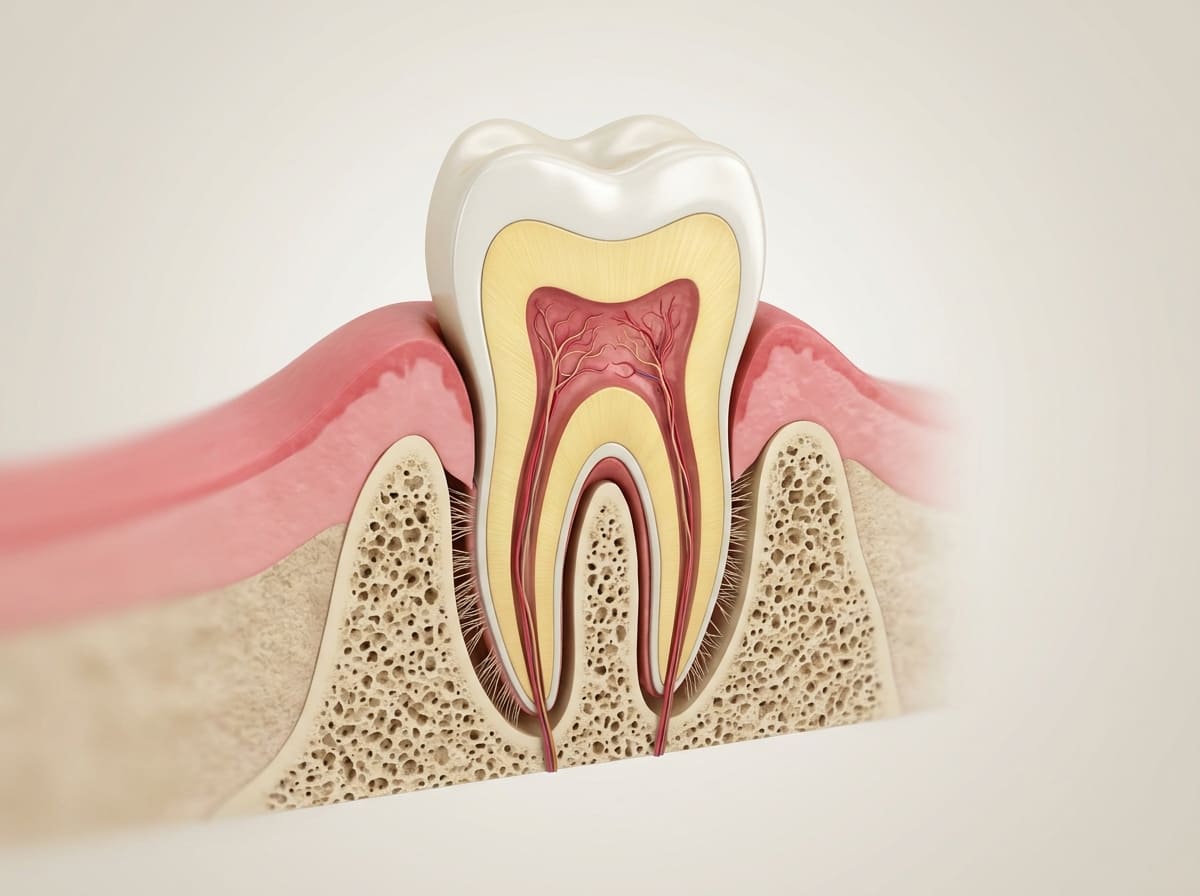
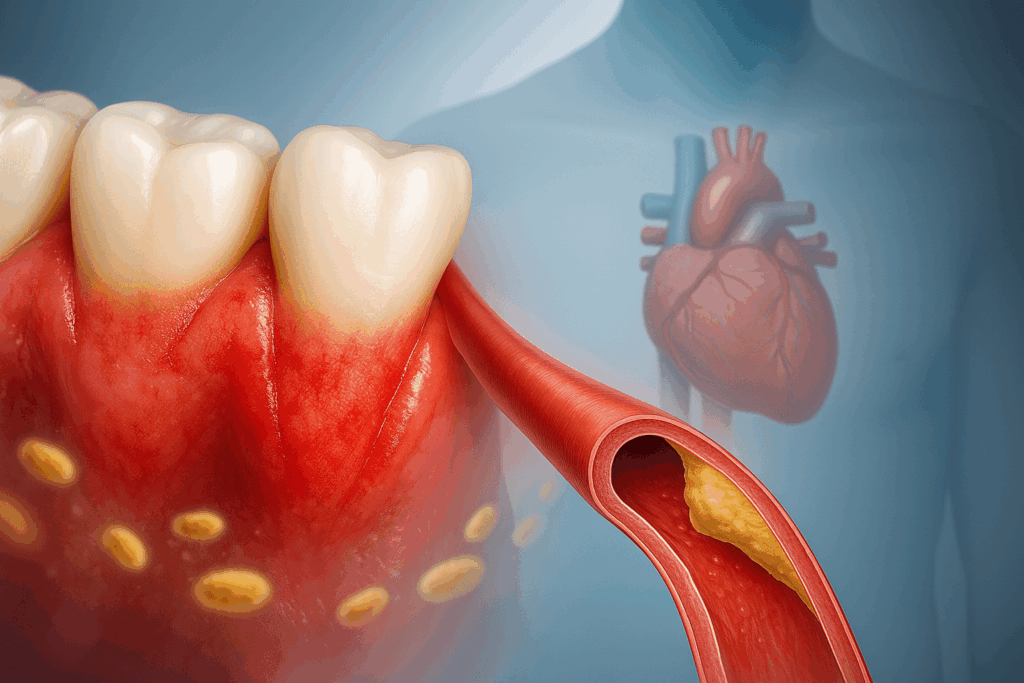
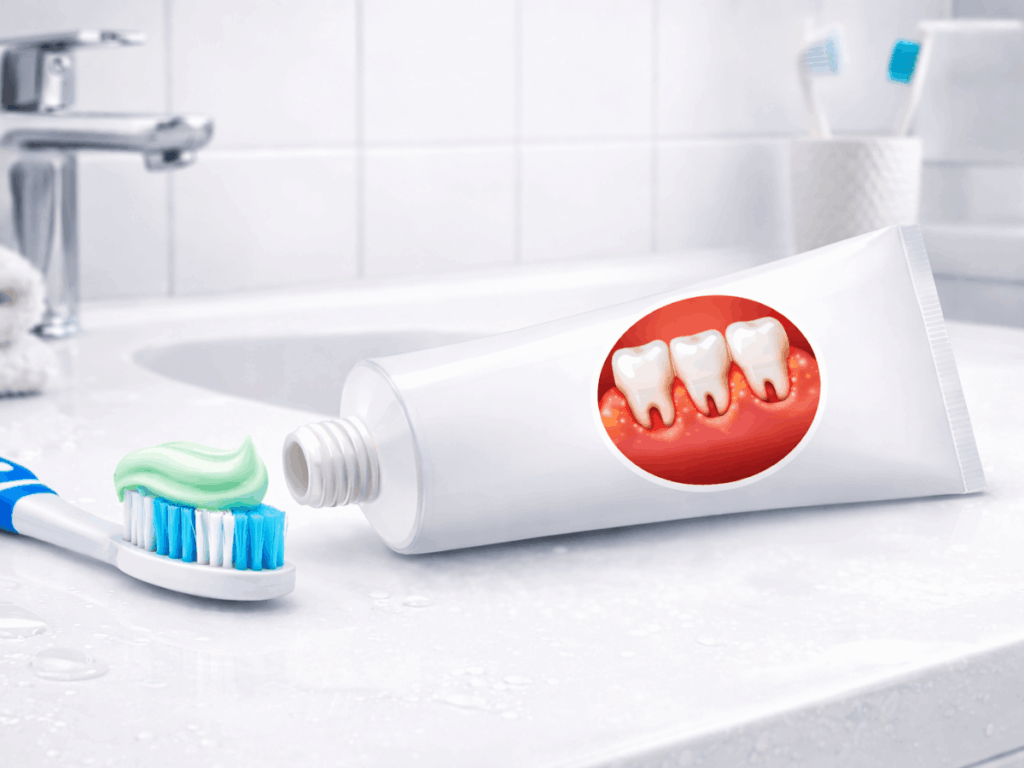
The American Academy of Periodontology lists loose teeth among the signs of advanced gum disease, and MedlinePlus explains that periodontitis damages the bone and tissue that support the teeth. My post on gingivitis vs. periodontitis explains how gum disease progresses.
Can a loose tooth tighten back up?
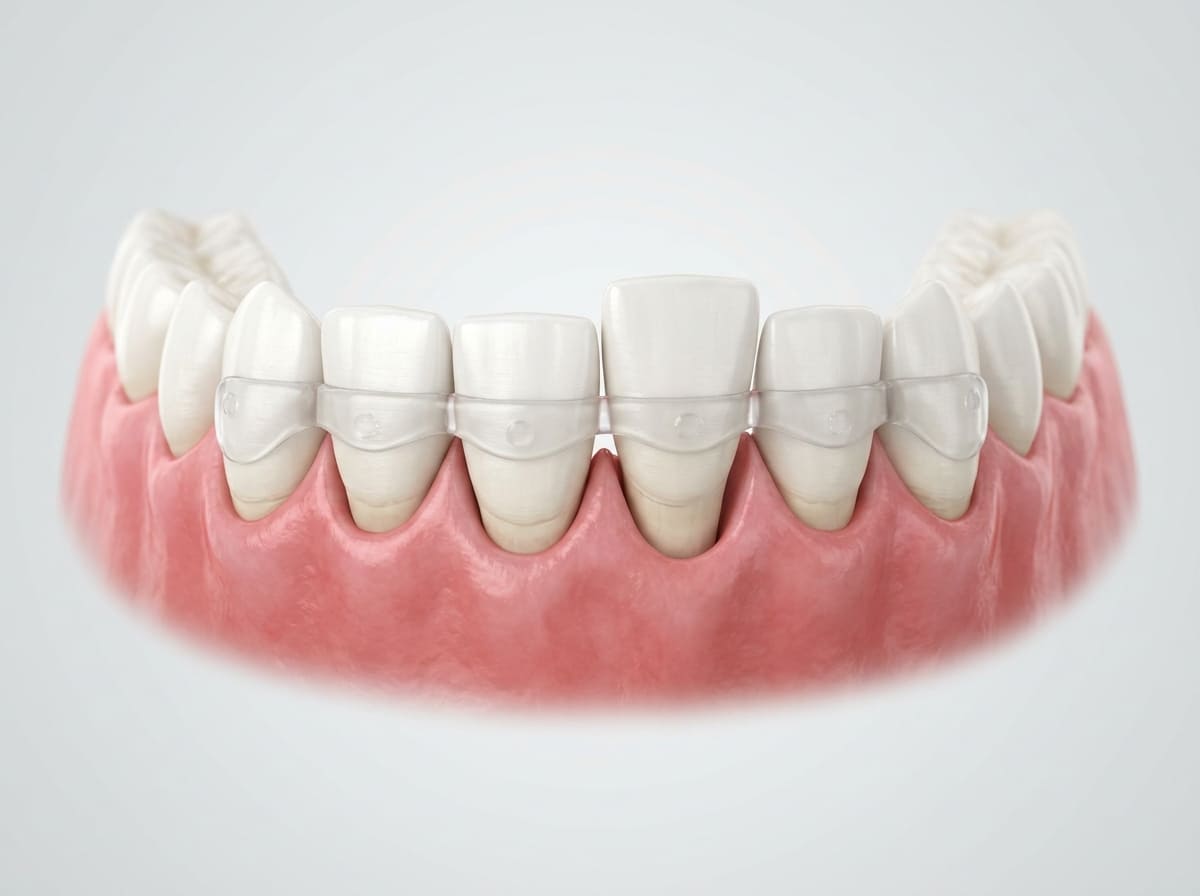
Sometimes. A tooth loosened by a recent injury, an infection or a short-term strain can firm up as the ligament heals, once the cause is treated. A tooth loosened by bone loss from gum disease usually does not regain lost bone on its own, but treating the gum disease can stop it getting worse, and splinting can stabilize it. The Cleveland Clinic notes that the outlook depends on the cause and how quickly it is treated.
What to do right now (and what not to do)
How dentists treat a loose tooth
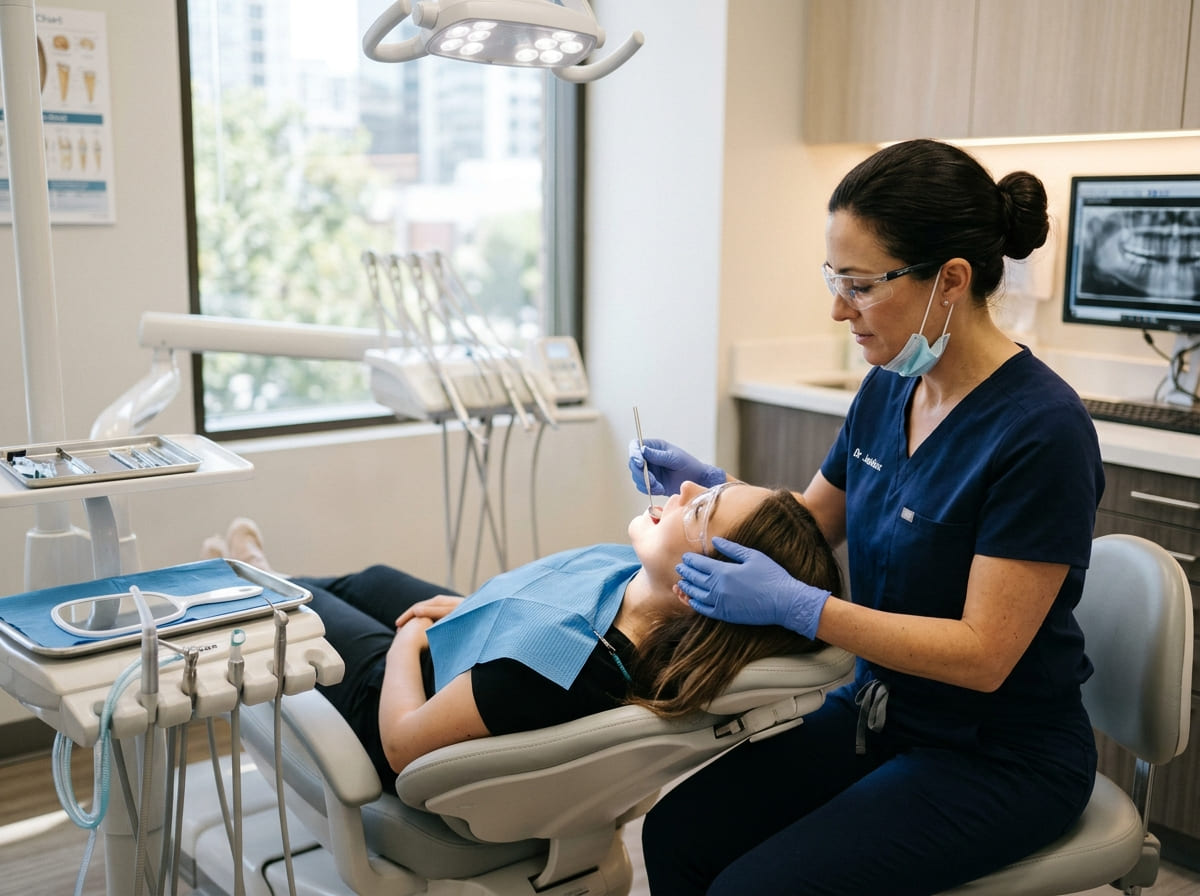
- Deep cleaning (scaling and root planing) removes tartar and bacteria below the gumline when gum disease is the cause. See our scaling and root planing and gum disease treatment pages.
- Splinting bonds the loose tooth to its neighbors to stabilize it while it heals.
- Bite adjustment reduces excess force on the tooth, and a night guard helps if you grind.
- Treating infection, such as a root canal for an abscessed tooth.
- Extraction and replacement when the tooth cannot be saved, often with an implant.
Preventing loose teeth
- Brush twice a day and clean between your teeth daily
- Keep up with regular cleanings and exams, since gum disease is often painless
- Wear a mouthguard for contact sports
- Wear a night guard if you grind or clench
- Don’t smoke, which raises the risk of gum disease
When to see a dentist
Book a visit within a few days if a tooth has started to feel loose, your gums bleed or are receding, or your bite feels different.
Get same-day care if a tooth is very loose or was knocked loose in an injury, or if you have swelling, pus, fever or severe pain. Our emergency dentist page explains urgent visits, and my post on what counts as a dental emergency can help you decide.
If you have also noticed swollen glands, my post on whether gingivitis can cause swollen lymph nodes explains that link.
Frequently asked questions
Can a loose tooth heal on its own?
A tooth loosened by a minor injury may firm up as it heals, but most loose adult teeth need the cause treated, such as gum disease, grinding or infection. Without treatment, a loose tooth usually gets worse.
How long can I keep a loose tooth?
There is no safe set time. The sooner the cause is treated, the better the chance of saving the tooth. Waiting can allow more bone loss or infection.
Is a loose molar serious?
Any loose adult tooth, including a molar, should be checked. Molars take heavy chewing forces, so looseness often points to gum disease, grinding or infection.
Can stress cause loose teeth?
Stress can lead to clenching and grinding, which can strain the teeth and their support over time. It can also make gum disease harder to control.
Can a loose tooth be saved?
Often, yes, especially when it is treated early. Deep cleaning, splinting, bite adjustment and treating infection can stabilize many loose teeth.
What does a loose tooth with no pain mean?
Painless looseness is common with gum disease, which often does not hurt until it is advanced. It still needs prompt attention.
Have that loose tooth checked
If you are in or around Washington, PA, you can request an appointment at Enhanced Wellness or call us at (724) 225-5070. The sooner we look, the more options you have.
Sources
- American Academy of Periodontology. Gum disease information.
- Cleveland Clinic. Loose tooth.
- MedlinePlus. Periodontitis.
Adult tooth feeling loose?
Many loose teeth can be saved when they are checked early. Dr. Liza will find the cause and explain your options, from deep cleaning and splinting to replacement if needed.

Dr. Elizabeth Wakim, DDS, is the founder of Enhanced Wellness. She’s a compassionate and highly-regarded dentist with her own practice in Washington, Pennsylvania, known for providing modern, comprehensive dental care, botox and facial aesthetics with a focus on patient comfort and anxiety reduction, serving general, cosmetic, and pediatric dentistry needs.