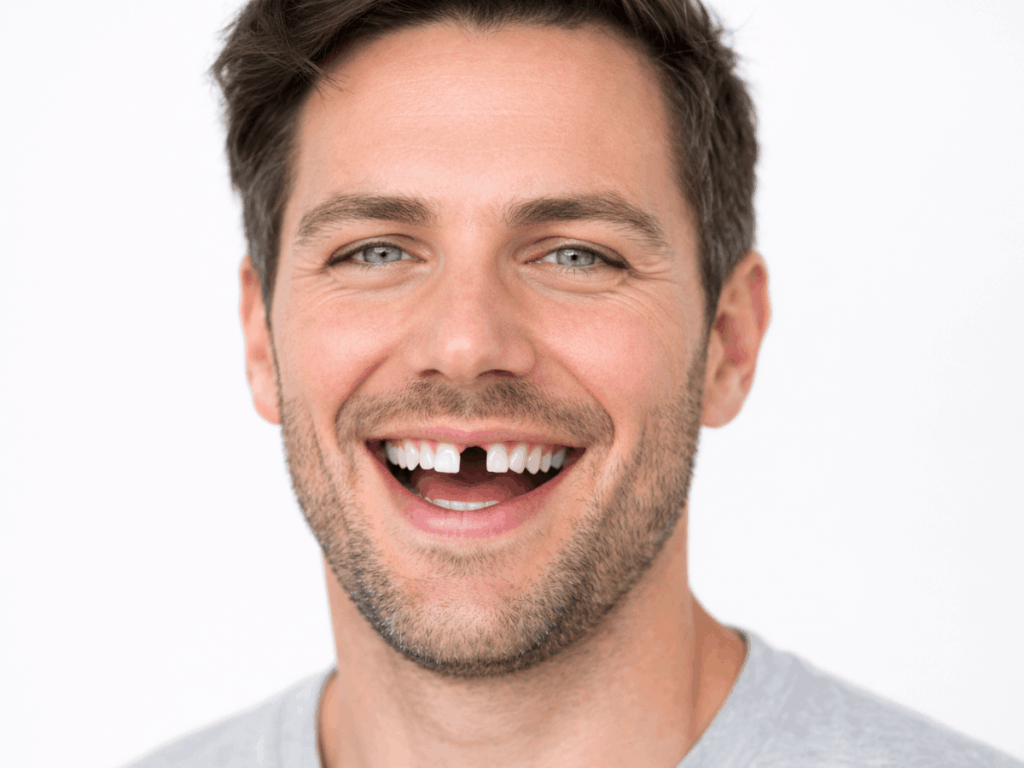
Losing a front tooth can feel like more than just a dental issue, it’s a hit to your confidence, a selfie struggle, and even a challenge when speaking or eating. For many, it’s not only about appearance; a missing front tooth can shift your bite, impact jaw alignment, and make everyday tasks more difficult.
Thankfully, modern dentistry offers several ways to restore your smile comfortably and naturally. In this guide, we’ll explore the most effective missing front tooth replacement options, what to expect with each, and how to make the choice that keeps your smile healthy, functional, and confidently bright.
At Elizabeth L. Wakim DDS, we provide personalized consultations to help you find the ideal replacement for a missing front tooth. Using advanced imaging and careful planning, we design solutions that restore your smile while maintaining your oral health and long-term function.
How a Missing Front Tooth Can Affect Your Smile and Oral Health
About 69% of adults between the ages of 35 and 44 have lost at least one permanent tooth, which helps explain why losing a front tooth is more than a cosmetic concern. The effects ripple through everyday life in ways many patients do not immediately notice, from subtle changes in speech to shifts in bite alignment and confidence when smiling.
- Impact on Speech and Chewing: A missing front tooth can change how you pronounce certain sounds and affect your bite when eating. Over time, this can make chewing less efficient and even lead to jaw strain.
- Effects on Jaw Alignment and Bite Mechanics: Teeth naturally shift when a gap is left untreated. This can alter your bite, put uneven pressure on surrounding teeth, and increase the risk of future dental problems like tooth wear or misalignment.
- Emotional and Social Confidence: Your front teeth are central to your smile, first impressions, and even how you feel in photos or social settings. Replacing a missing tooth helps restore not only function but confidence, so you can smile freely without hesitation.
Through modern restorative dentistry, replacing a front tooth is about more than filling a visible gap. It helps protect your oral health, supports proper bite function, and prevents shifting that can affect surrounding teeth.
Front Tooth Replacement Options That Actually Fit Real Life
Losing a front tooth is not a one-size-fits-all situation. The right solution depends on your oral health, timeline, budget, and long term goals. Below are the most common replacement options, explained in practical terms so you can picture how each one actually fits into daily life
1. Dental Implants

With success rates commonly reported between 95 and 98 percent, dental implants are considered one of the most reliable options for replacing a missing front tooth. A titanium post is surgically placed into the jawbone to act as an artificial root, and a custom crown is attached on top. The result is a replacement that looks, feels, and functions like a natural tooth.
Why it works: Feels and functions like a real tooth.
Durability: Can last decades with proper care.
Appearance & Comfort: Blends seamlessly with surrounding teeth; feels like your own tooth.
Maintenance & Oral Hygiene Needs: Brush and floss as you would a natural tooth; regular dental checkups keep the implant healthy.
Best for: People who want a long-term solution and don’t want to affect adjacent teeth. Implants also help maintain jawbone density, preventing the sunken look that can occur after tooth loss.
2. Fixed Dental Bridges
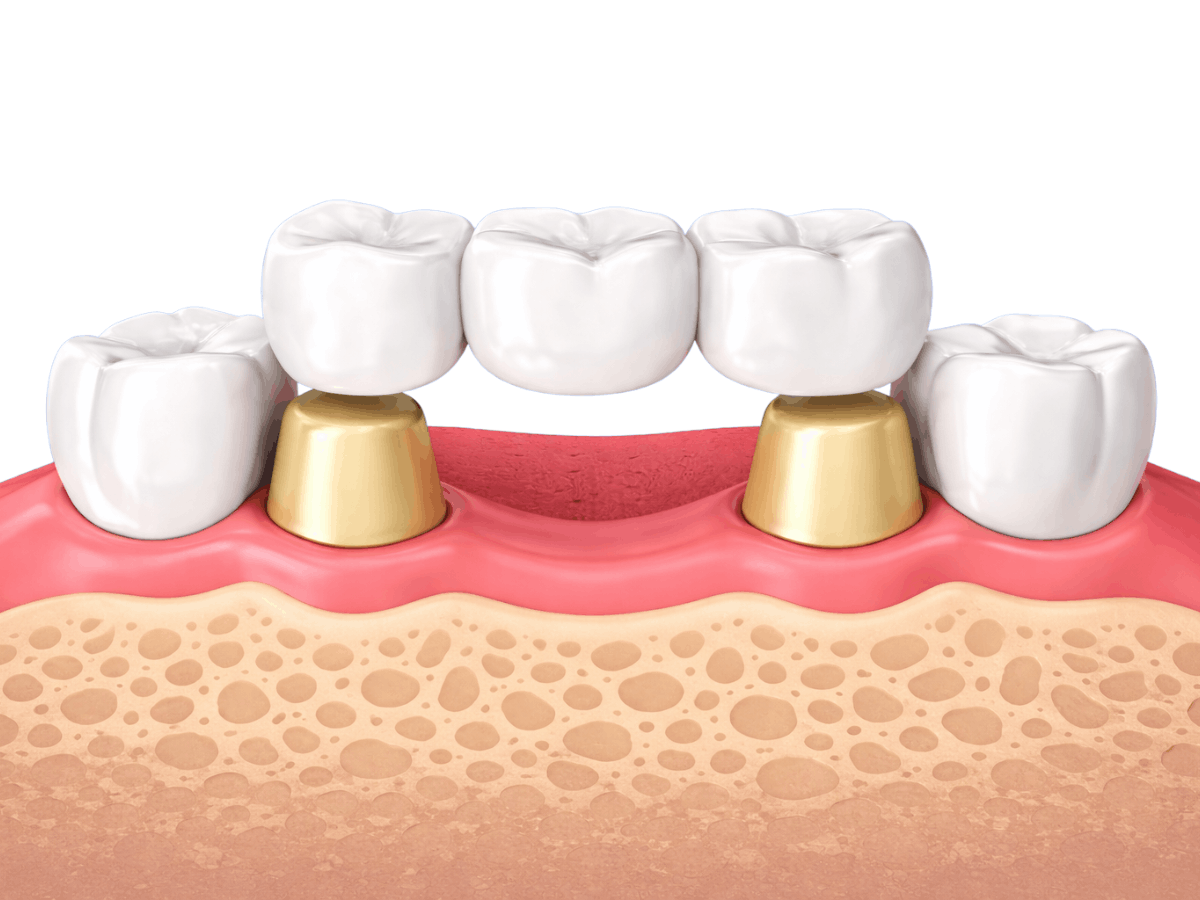
Fixed dental bridges are a well-established option for replacing a missing front tooth, offering a reliable way to close the gap when implants are not the best fit. They use the teeth on either side for support, creating a secure, natural-looking replacement without the need for surgery.
Why it works: Restores both function and appearance without surgery.
Durability: Can last 10–15 years with proper care.
Appearance & Comfort: Matches surrounding teeth for a natural look; feels stable while speaking and chewing.
Maintenance & Oral Hygiene Needs: Requires brushing, flossing under the pontic, and regular dental checkups to prevent decay on supporting teeth.
Best for: People who want a reliable solution without implant surgery and have healthy adjacent teeth to support the bridge.
3. Removable Partial Dentures
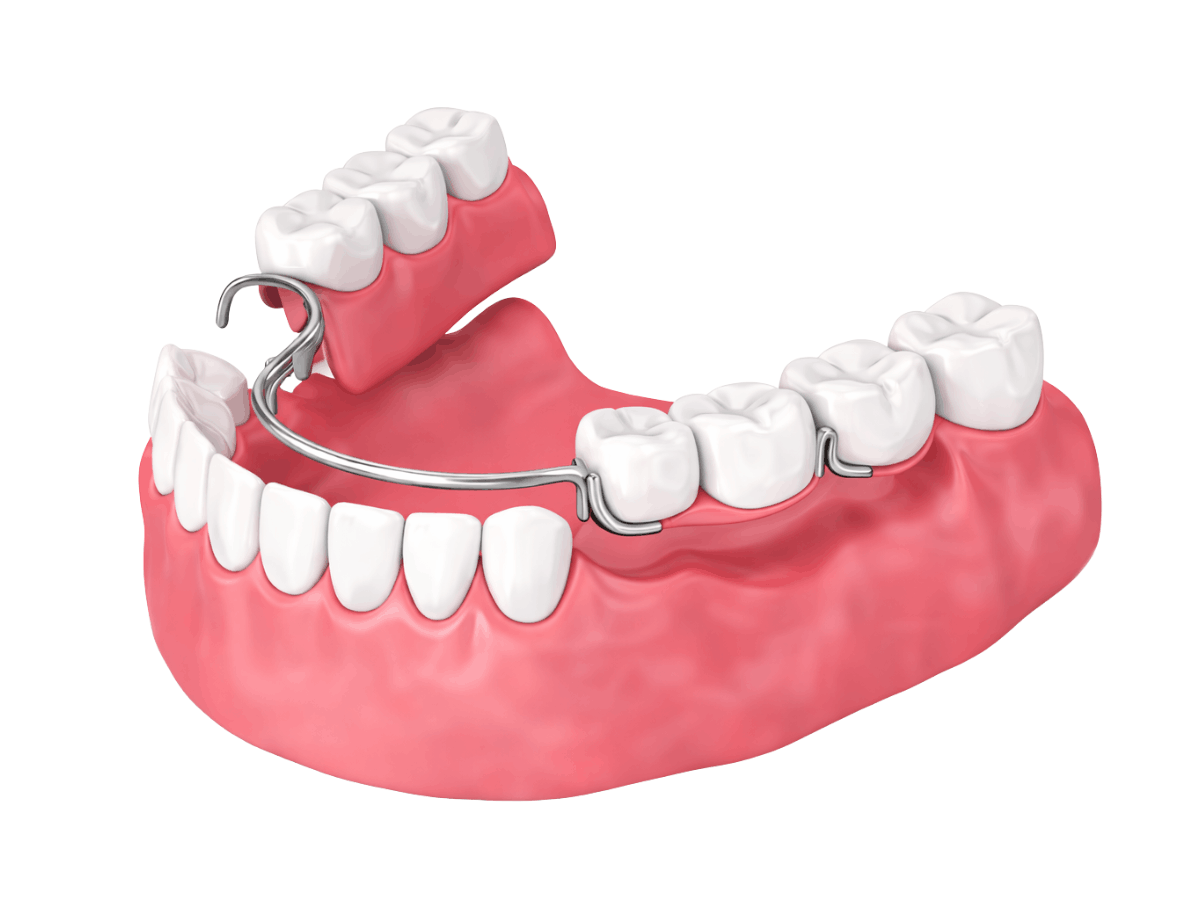
Removable partial dentures are custom-made prosthetics that clip onto your existing teeth to fill gaps left by missing front teeth. Dentures can be taken out for cleaning and are less invasive than implants or fixed bridges.
Why it works: Provides an immediate, non-surgical solution for replacing missing teeth.
Durability: Typically lasts 5–7 years, depending on wear and care.
Appearance & Comfort: Can restore your smile quickly, though may feel bulkier than permanent options. Proper adjustment improves comfort.
Maintenance & Oral Hygiene Needs: Must be removed daily for cleaning; brush natural teeth and gums to prevent plaque buildup and irritation.
Best for: People seeking a cost-effective, temporary, or flexible solution, or those not ready for surgical procedures.
4. Resin-Bonded (Maryland) Bridges
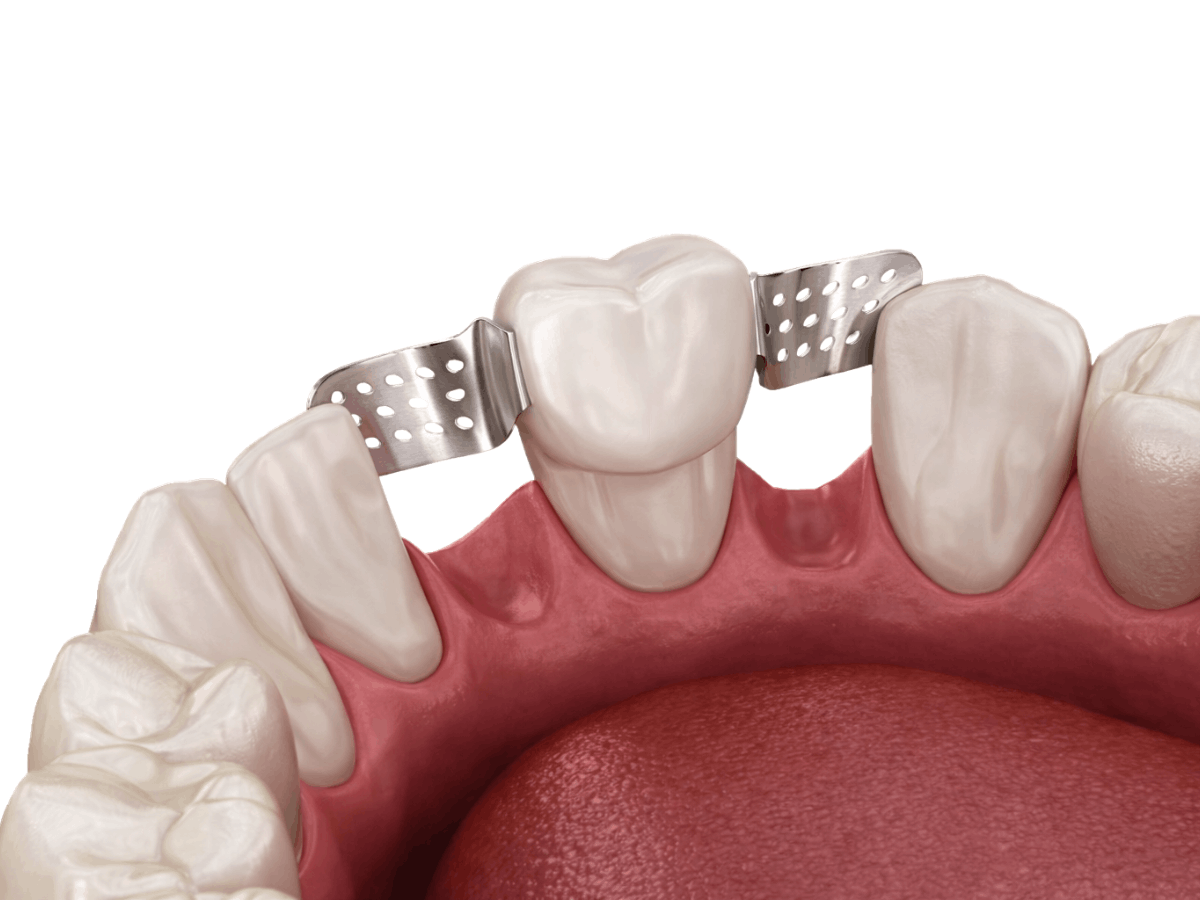
Five-year success rates for resin-bonded bridges commonly fall between 80 and 90 percent. These bridges use a lightweight metal or ceramic framework bonded to the back of adjacent teeth to hold an artificial tooth in place, preserving more natural tooth structure and offering a conservative alternative to traditional bridges..
Why it works: Minimally invasive; preserves most of the adjacent teeth.
Durability: Lasts around 5–10 years, though bonding may need occasional reinforcement.
Appearance & Comfort: Looks natural when properly fitted; usually comfortable with minimal interference in bite.
Maintenance & Oral Hygiene Needs: Brush and floss carefully around bonded wings; regular dental checkups to monitor integrity.
Best for: People who want a conservative, short- to medium-term solution that avoids significant alteration of neighboring teeth.
5. Temporary (Flipper) Tooth
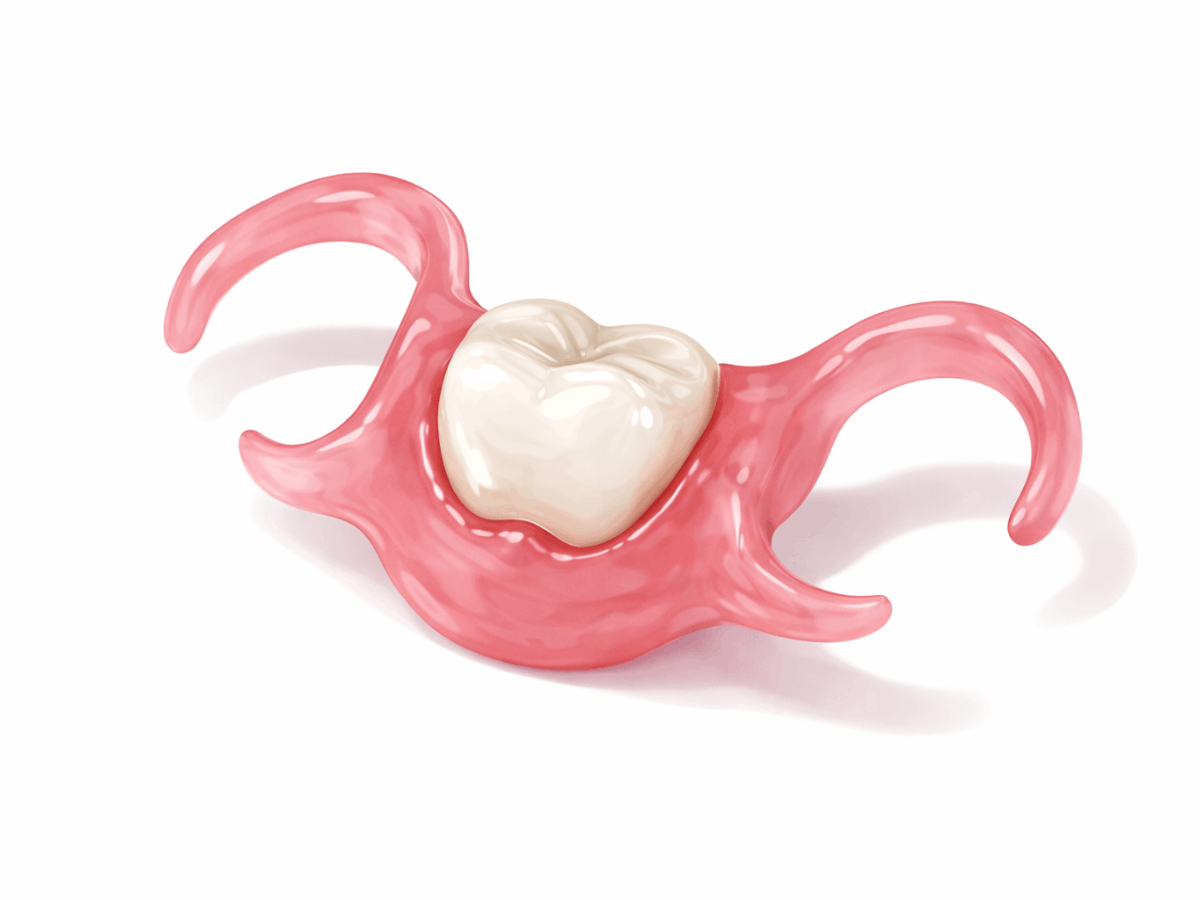
A flipper is a removable appliance that acts as a temporary tooth replacement while you wait for a permanent solution like an implant or bridge. It typically holds a single replacement tooth (a “fake tooth”) on an acrylic base that clips onto the surrounding other teeth, giving you a quick fix for restoring your smile right away.Why it works: Quickly fills the gap to maintain smile aesthetics and confidence.
Durability: Meant for temporary use; can last several months with careful handling.
Appearance & Comfort: Lightweight and visually restores the smile; may feel slightly loose compared to permanent options.
Maintenance & Oral Hygiene Needs: Remove and clean daily; handle carefully to avoid cracks or breaks.
Best for: People waiting for permanent treatments like implants or bridges, or who need a quick aesthetic solution for social or professional reasons.
Factors to Consider Before Choosing
Replacing a missing front tooth isn’t just a cosmetic decision. Here are the key factors to weigh before picking the right solution:
- Bone Density and Health: Your jawbone needs to be strong enough to support certain options, like implants. If bone density is low, additional procedures may be required, so knowing your options upfront helps you plan.
- Age and Healing Capacity: Younger patients generally heal faster, while older adults may need more time for surgical procedures to settle. Your body’s recovery speed can influence which options are realistic.
- Lifestyle: Consider your daily life including sports, social events, or travel. These can impact how comfortable removable solutions or temporary flippers are. Long-term options like implants often provide the least disruption.
- Budget and Insurance Considerations: Dental restorations vary widely in cost. Some procedures are partially covered by insurance while others are fully out-of-pocket. Weighing cost against longevity and convenience is essential.
- Timeline and Recovery Expectations: Some options, like implants, take months from start to finish including healing time. Bridges or flippers offer quicker solutions but may not last as long. Matching your treatment to your schedule matters.
- Alignment and Bite Issues: Leaving a gap can cause neighboring teeth to shift which affects your bite and jaw alignment over time. Addressing the gap sooner helps prevent long-term complications.
There is no one-size-fits-all solution. By considering your health, lifestyle, budget, and long-term smile goals, you can choose the replacement that fits your life and not just your teeth.
Restoring Your Smile with Confidence
Replacing a missing front tooth is more than a cosmetic choice. The right solution can restore your ability to chew, speak, and smile confidently, while helping maintain jawbone health and proper bite alignment. Whether you choose a dental implant, bridge, or removable option, early action preserves both your oral function and your confidence.
Our team is committed to helping patients achieve a smile that feels natural and comfortable. If you’re considering a missing front tooth replacement, or need guidance on which option fits your lifestyle and oral health, contact our Pennsylvania office at (724) 558-8222 or use our contact form to schedule a personalized consultation. We’ll help you explore your options and support you every step of the way.

Dr. Elizabeth Wakim, DDS, is the founder of Enhanced Wellness. She’s a compassionate and highly-regarded dentist with her own practice in Washington, Pennsylvania, known for providing modern, comprehensive dental care, botox and facial aesthetics with a focus on patient comfort and anxiety reduction, serving general, cosmetic, and pediatric dentistry needs.