A missing tooth can quietly shift the balance of your smile, but that doesn’t mean it’s harmless. Even a single gap can allow neighboring teeth to drift, affecting your bite, alignment, and jaw comfort. Subtle changes can lead to larger dental issues if left unaddressed.
Paying attention to these changes now can protect your teeth, maintain proper alignment, and prevent more serious oral health complications later. You’ll learn how a retainer for a missing tooth works, who benefits most, and practical tips for keeping it effective and comfortable.
At Elizabeth L. Wakim DDS, we take a thorough approach to tooth and gum health, evaluating your bite, surrounding teeth, and daily habits to determine the best solution for maintaining alignment. If you’ve lost a tooth or notice shifting, contact our Pennsylvania office at (724) 558-8222 or use our contact form to schedule a consultation and get guidance tailored to your smile.
What a Retainer for a Missing Tooth Actually Is
A retainer for a missing tooth is designed specifically to manage spaces left by a lost tooth. Unlike a standard retainer used after orthodontic treatment, it focuses on holding space, preventing neighboring teeth from drifting, and supporting proper alignment.
When used consistently, success rates for maintaining tooth position are often reported between 50% and 90% over a two-year period, making it an effective temporary solution while planning a more permanent tooth replacement.
This type of retainer differs from permanent prosthetics or standard orthodontic retainers because its primary goal is to prevent unwanted tooth movement, not to correct existing misalignment, which is especially important when managing a missing tooth to maintain proper alignment and bite.
How a Retainer Keeps Your Teeth Aligned After Tooth Loss
When a tooth is missing, neighboring teeth naturally drift toward the empty space over time. This is a common issue, nearly 70% of adults aged 35–44 have at least one missing tooth and it happens because teeth rely on contact with each other for stability, while the surrounding jaw bone and ligaments adjust to changes in pressure. Using a retainer helps prevent these shifts and preserves proper alignment.
Key ways a retainer protects your smile include:
- Preventing neighboring teeth from shifting: Teeth adjacent to a gap can tilt or drift, creating misalignment and uneven spacing. A retainer holds them in place until a permanent solution is in place.
- Maintaining bite balance and jaw comfort: Gaps can alter how your upper and lower teeth meet, putting extra strain on jaw muscles and potentially causing discomfort or uneven wear.
- Supporting chewing efficiency: Teeth that shift can affect your bite, making chewing less effective. A retainer helps maintain proper contact for comfortable, efficient chewing.
- Protecting against bite misalignment issues: Misaligned teeth can lead to long-term problems like tooth decay, gum irritation, or difficulty with future dental procedures. The retainer keeps your bite stable while you plan a permanent replacement.
By stabilizing teeth and maintaining proper bite alignment, a retainer for a missing tooth helps protect your smile, prevent complications, and supports planning a long-term solution such as restorative dentistry.
Who Might Need a Retainer for a Missing Tooth
A retainer for a missing tooth isn’t just for orthodontic patients. It can be a practical solution in a variety of real-life situations where keeping teeth stable matters.
- Recently lost a tooth before dental implant placement: Holds surrounding teeth in place until the implant is ready.
- Waiting for a bridge or partial denture: Maintains proper spacing and bite balance while you wait for a permanent solution.
- Had orthodontic treatment and lost a tooth afterward: Prevents unwanted movement and preserves your orthodontic results.
- Gap after wisdom tooth extraction impacting bite: Stops neighboring teeth from tilting and keeps your bite comfortable.
- Minor spacing wants to be controlled while planning future treatment: Ensures small gaps don’t widen before cosmetic or restorative work.
In all these scenarios, using a retainer can help protect your smile, prevent shifting, and make future dental treatments easier and more predictable, whether you’re planning cosmetic dentistry or other restorative options.
Types of Retainers That Can Help With a Missing Tooth
Choosing the right retainer depends on your tooth replacement goals, the position of existing teeth, and whether you need a temporary solution or a longer-term plan. Each type has distinct features, benefits, and limitations, and success is heavily dependent on patient compliance, which studies show often decreases from roughly 69% within the first three months of use.
Hawley Retainers With Built‑In Space Maintainers

A traditional removable retainer made of an acrylic base and metal wire, sometimes with built-in components to hold space for a missing tooth space.
Pros:
- Durable and adjustable for minor adjustments
- Effective partial denture retainer and temporary fix for holding remaining teeth in position
Cons:
- More noticeable than clear options
- May feel bulky initially, especially for front tooth gaps
Clear (Essix‑Style) Retainers
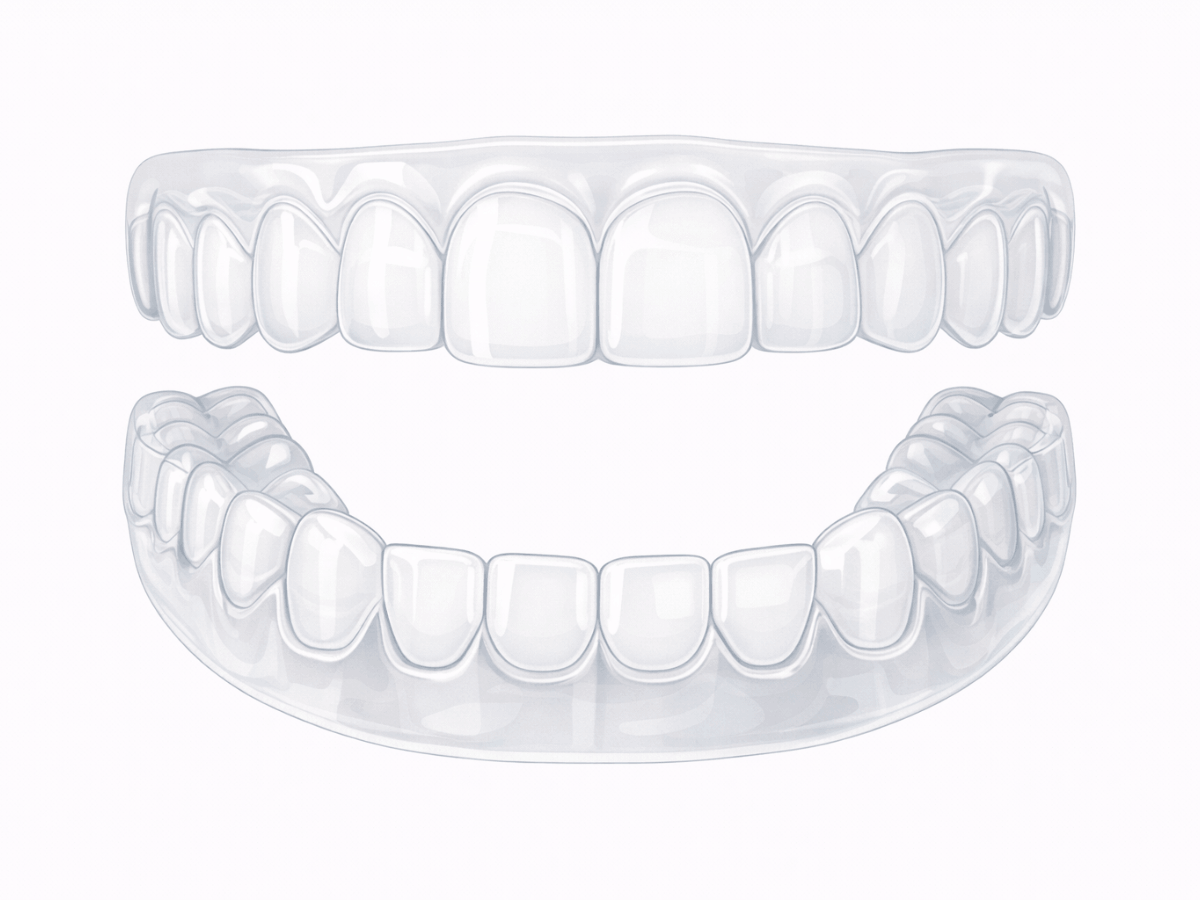
Transparent, thermoplastic material retainers that fit snugly over the teeth and can include space holders for a temporary tooth replacement.
Pros:
- Aesthetic and discreet, virtually invisible
- Lightweight and comfortable, great short term solution
Cons:
- Can wear down faster if used as an Essix retainer partial denture
- Less durable than Hawley for long-term tooth replacement options
Customized Retainers With Replacement Teeth

A custom-made appliance designed with a built-in fake tooth for short-term cosmetic and functional support.
Pros:
- Maintains a confident smile temporarily
- Combines space maintenance with a natural-looking temporary tooth
Cons:
- Not a permanent tooth replacement
- Can be more expensive and requires careful handling and proper care
Permanent/Bonded Space Maintainers vs Removable Options
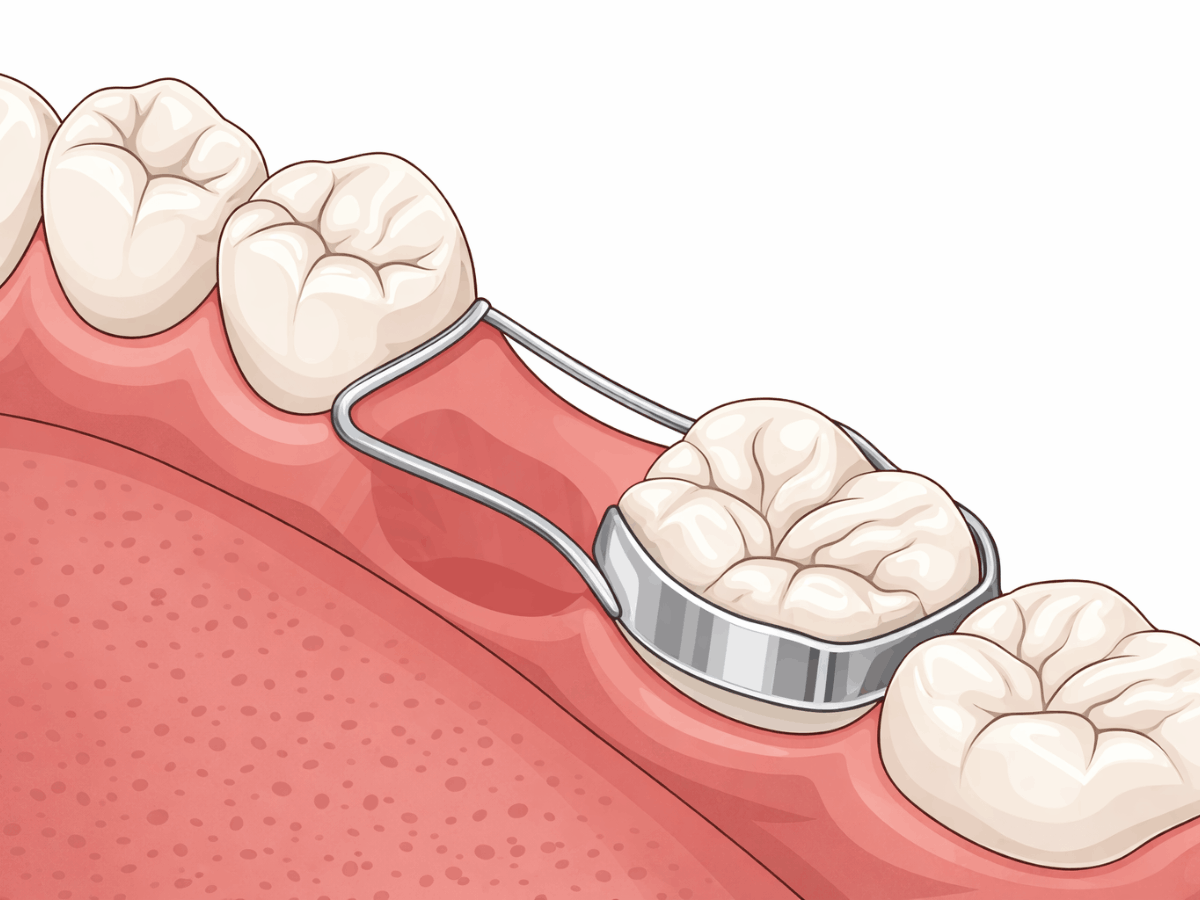
Fixed appliances bonded to adjacent teeth versus removable retainers that can be taken out for cleaning.
Pros:
- Continuous support, low risk of drifting remaining teeth
- Easy to clean and adjust, flexible for temporary tooth replacement retainer use
Cons:
- Harder to clean underneath, may require a dental appointment for adjustments
- Requires compliance, can be misplaced or forgotten
Choosing the right retainer ensures your teeth stay stable, your bite stays comfortable, and your smile is protected while planning a permanent solution.
Caring for a Retainer for a Missing Tooth
Keeping your retainer clean and functional is essential for maintaining your smile and protecting the surrounding teeth. Here are practical tips to make care simple and effective:
- Cleaning basics: Use gentle soap and lukewarm water instead of toothpaste, which can scratch the appliance. For retainers with metal components or a false tooth, a soft toothbrush can help reach crevices, and choosing the right retainer cleaner can make daily maintenance easier and more effective
- Avoiding hot environments: Keep the retainer away from hot water or direct heat to prevent warping of thermoplastic Essix partial denture material.
- Daily habit tips: Store your retainer in a protective case when not in use, and incorporate it into your routine. Follow instructions provided by your dental office or dental lab for a smooth healing process.
- How to avoid bad odor or buildup: Rinse after meals, and consider soaking periodically with a solution recommended by your dentist. Using an impression kit or impression putty properly can also help maintain fit if adjustments are needed.
Consistent care keeps your retainer in good condition, protects your teeth, and helps your smile stay aligned while you plan a permanent solution, with practical tips on retainer hygiene and daily maintenance.
Protecting Your Smile After Tooth Loss
A missing tooth doesn’t just leave a gap, it can affect your bite, alignment, and long-term oral health. Using a retainer for a missing tooth helps keep your teeth stable, prevents drifting, and preserves your bite while you plan a permanent solution like an implant, bridge, or partial denture.
At Elizabeth L. Wakim DDS, we provide comprehensive care for tooth alignment and missing teeth, including clear aligners for discreet correction and maintenance. Our team helps you preserve a confident, healthy smile. Contact our Pennsylvania office at (724) 558-8222 or use our contact form to schedule a consultation and get personalized guidance tailored to your smile.

Dr. Elizabeth Wakim, DDS, is the founder of Enhanced Wellness. She’s a compassionate and highly-regarded dentist with her own practice in Washington, Pennsylvania, known for providing modern, comprehensive dental care, botox and facial aesthetics with a focus on patient comfort and anxiety reduction, serving general, cosmetic, and pediatric dentistry needs.