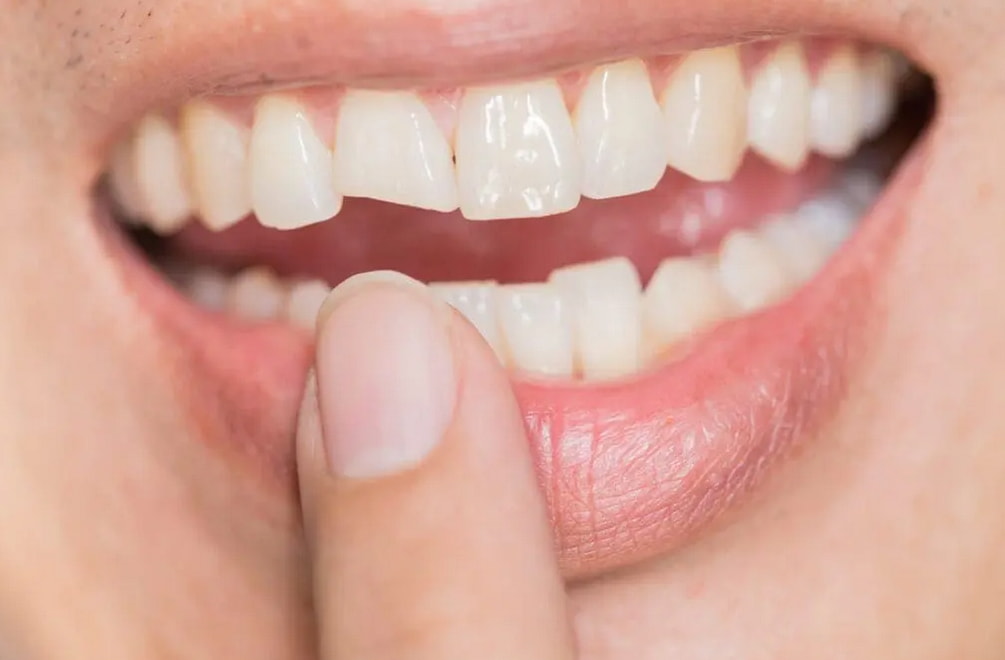
In this article, we’ll discuss teeth filing, a common procedure in the dental industry. Recently, there’s been confusion on social media as to whether or not people can file their own teeth without the help of a dentist or orthodontist. We’ll also cover how the procedure works, the risks, alternatives, and more!
What Is Teeth Filing?
How It Works
Teeth filing, also known as enameloplasty, is when an orthodontist removes a small amount of enamel to smooth out small bumps or blemishes in the teeth. This is done purely for cosmetic purposes, not to solve any major tooth problems or health issues.
- The doctor will examine a patient’s teeth or gums and identify any cavities or decay. If they do find additional problems, they may not want to proceed.
- The doctor will use a small, high-speed rotating tool such as a burr, drill, or sanding disk to remove the enamel. Flexible finishing or abrasive strips may be used to smooth surfaces between teeth.
- The tooth’s surface is polished to get rid of any unwanted texture and to give the tooth a sleek appearance. This step can also prevent plaque accumulation
- The dentist will check to make sure you approve of the result. They may also remove any dust from your mouth if they haven’t already!
The Rise of Teeth Filing on Tiktok
Tiktok, as well as other short form content sites, is a breeding ground for DIY content. In the past two years, there’s been a rise in dental DIY content. In particular, Tiktok users have been sharing their experiences of filing their own teeth. Some are dentist reactions and adults mourning their teenage choices, but many are influencing others to copy them.
“Did you know you can file your own teeth?” asks the creator. She says she had a chip in her tooth and now she doesn’t. The only warning she gives her audience is that “your teeth have nerves,” and recommends that they ask ChatGPT for instructions on how to do it. In her caption, she complains that her dentist made her wait too long for an appointment, but also mentions that she hasn’t seen a dentist in 6 years. “I am my own dentist,” she proclaims.
There are a number of issues with this content. Firstly, the creator is encouraging others to engage in a practice that is potentially dangerous. Secondly, while she briefly alludes to the nerve damage that could occur, she doesn’t explain what “teeth hav[ing] nerves” has anything to do with filing them. Lastly, she recommended people use ChatGPT. It’s worth noting that a 2023 study conducted by researchers at Purdue found that ChatGPT answers basic questions incorrectly 52% of the time. That is setting up viewers for a barrage of misinformation.
To see the impact of these influences, we have to look no further than their comment sections. In this video, an influencer recalls a time she filed down a tooth after chipping it due to a drunken accident.
The comments either say “same,” regarding this solution, or mark their discovery of new information, calling the creator “genius.” Another says “that’s actually really smart,” and a third says “thinking of doing this.”
Especially given the amount of young and impressionable people on the app, these videos could potentially lead to viewers causing themselves harm.
Why Filing Your Own Teeth is Harmful
We’ve discussed that filing one’s own teeth is harmful, but why?
- Shaving removes enamel, but if too much enamel is removed, the dentin, or the second layer of your teeth is exposed. This layer is much more sensitive, and causes you pain when exposed to things like sugar or extreme temperatures.
- Enamel protects against cavities. Without it, you’re at much higher risk of developing them. The same goes for other forms of tooth decay.
- Shaving beyond the dentin exposes tooth pulp, which contains the nerves, blood vessels, and tissues that provide nutrients. Removing the tooth pulp can cause nerve damage or essentially cause your teeth to “die.” When this happens, the tooth will either need to be extracted, or a root canal will need to be done.
- You can misalign your teeth and cause bite problems. When orthodontists file teeth, they take into account your bite and jaw alignment. Messing that up can lead to jaw pain, difficulty chewing, or other problems.
- Nail files are extremely difficult to sterilize properly. Putting them in your mouth and potentially into cracks in your teeth can cause a bacterial infection.
- Tooth filing is costly! Professional enameloplasty can cost anywhere from $50 to $300 dollars per tooth, but that is nowhere near the thousands of dollars that it can cost to fix dental issues as a result of at-home dentistry.
Worst of all, symptoms such as swelling or pain may not appear until it’s too late. Even getting a crown doesn’t always prevent long term pain. Furthermore, your teeth, unlike your hair and nails, don’t grow back. When the damage is done, it’s very difficult to undo it.
Times When Teeth Filing is Needed
There are no times when enameloplasty is completely necessary. However, here are a few situations where it can be considered.
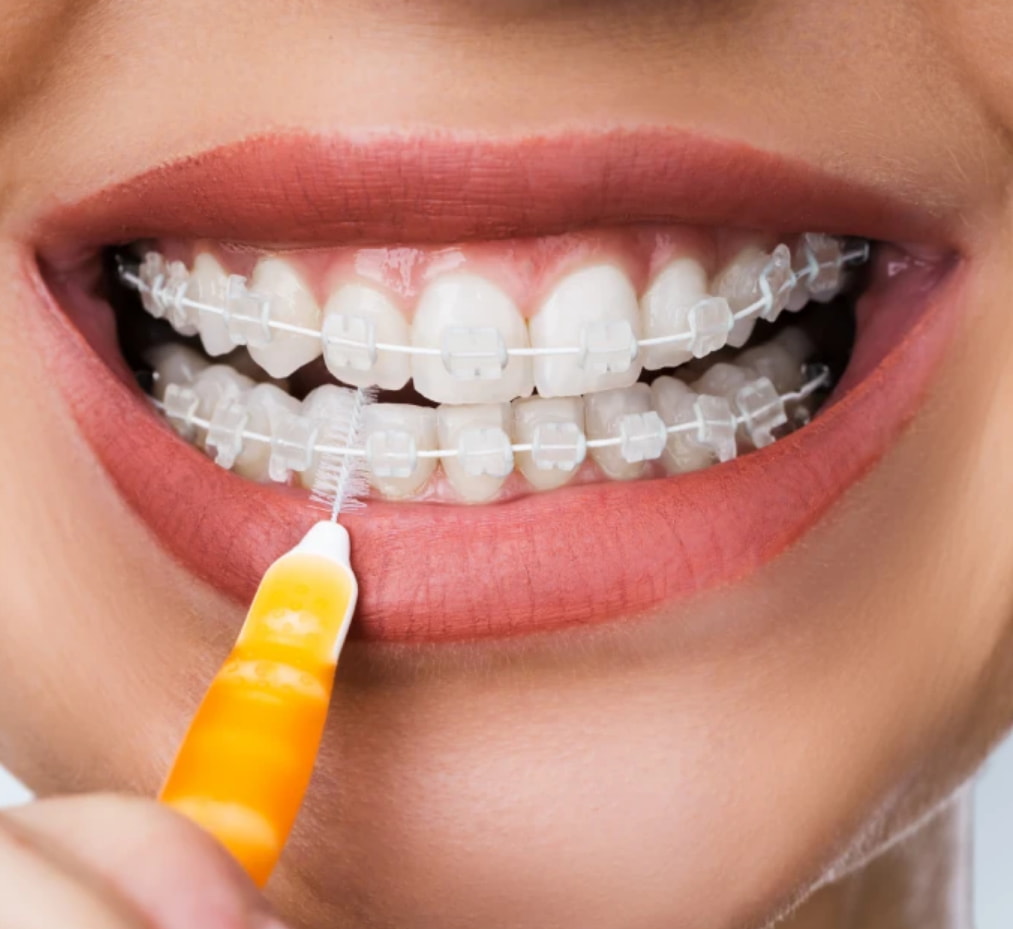
- After getting your braces off. In the case that a patient’s teeth are slightly uneven after they are removed and the orthodontist believes they won’t even themselves out on their own, they may recommend teeth filing. This is also common in young people who naturally have bumpy teeth.
- Preparation for veneers. Teeth can be shaved down for veneers, but this is usually considered as a part of a veneer procedure to make space for the caps rather than its own procedure
- Repairing a chipped tooth. Chipped teeth can be caused by a variety of things. Playing sports, grinding your teeth in your sleep, biting down on hard foods, or even on a sewing needle (that’s what happened to me).
- Dull a sharp tooth. Some patients may want their canines to be equally sharp, or not sharp at all, for example.
- Correcting your bite so your teeth sit evenly. Usually, after initial dental or orthodontic treatments have been completed, a patient’s bite doesn’t need correcting. However, sometimes an orthodontist will want to make small adjustments with this procedure.
Are There Any Risks?
Because enameloplasty is non-invasive, the risks associated are minimal. In case your orthodontist strips away too much enamel, you can be vulnerable to:
- Cracked teeth
- Cavities
- Infection
- Permanent tooth sensitivity
However, all of these complications are extremely rare. Very little enamel is removed in the first place, and that’s the only part of the tooth that should be changed. A dentist can recommend whether or not enameloplasty is right for any given patient or any tooth.
Taking care of teeth after enameloplasty is also very easy. For the most part, you take care of your teeth as you normally would. There is no healing time after the procedure. You should continue to brush your teeth twice a day with fluoride toothpaste and floss once a day. Avoiding vaping, smoking, and other tobacco products is also helpful. You can also avoid biting your nails or opening your packages with your teeth—anything that puts your enamel at risk.
Alternatives to Teeth Filing
There are a few alternatives that may appeal to patients who find that enameloplasty is not the right path for them.
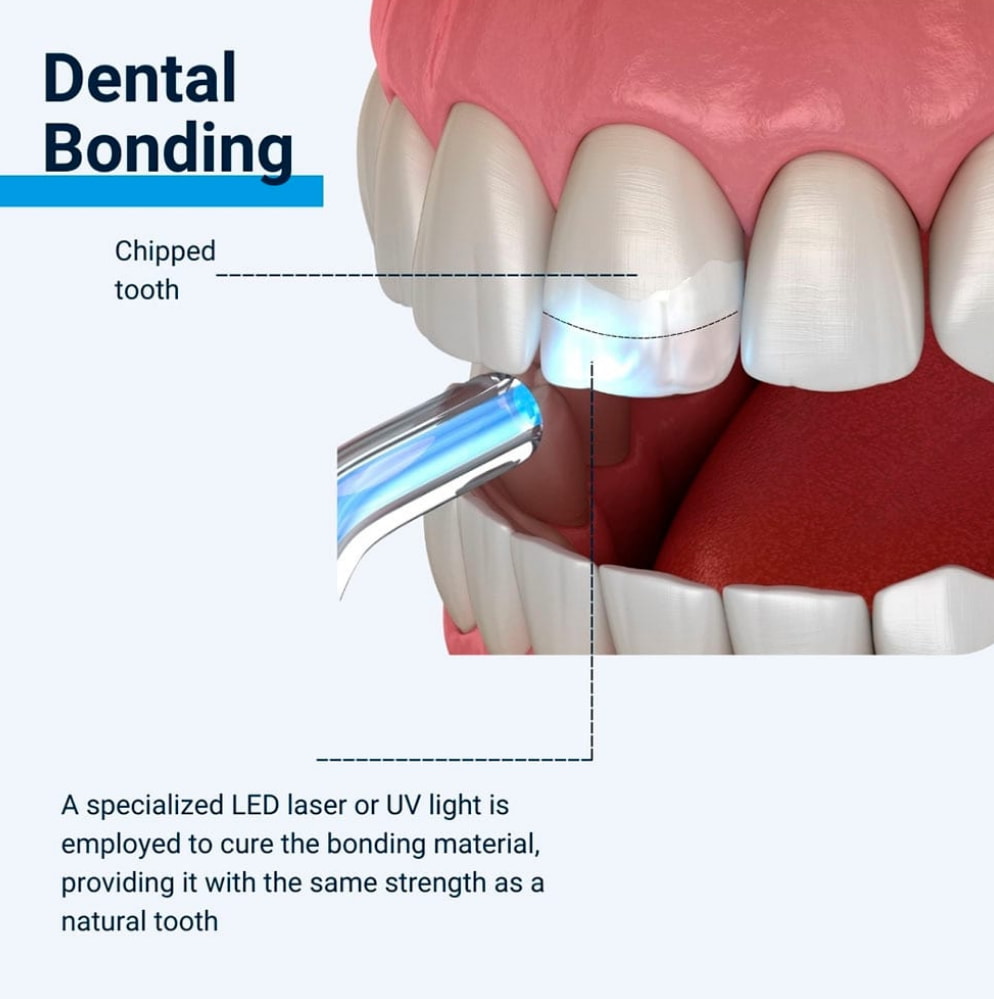
Dental Bonding
This method is less invasive than veneers, but more invasive than enameloplasty. It’s essentially a method to fill in small gaps for cosmetic purposes. The steps to this procedure include:
- Matching the shade of resin to your tooth
- Roughing the surface of the tooth in order for the resin to stick to it
- Applying a liquid that functions like glue
- The resin is applied and molded to the desired shape
- The resin is cured with a UV light
- The tooth is polished
It’s important to note that while this method is ideal for tooth discoloration, cracks in teeth, or change the shape of teeth/make them look longer, it will not heal any cavities or other severe dental issues.
Veneers
Most of the time, veneers are done, like teeth filing, for cosmetic purposes. They are thin coverings that are placed over the visible part of the tooth. The procedure takes multiple visits, and is generally used to hide severe discoloration, poor shaping, crookedness, and more. The process involves shaving teeth down, making impressions, and eventually bonding the veneers with dental cement.
It’s worth noting that this method is permanent, and it is not recommended for patients who clench or grind their teeth, because ceramic veneers are thin and may break or require repairing. Oftentimes, dentists or orthodontists will try to do what they can with other methods first.
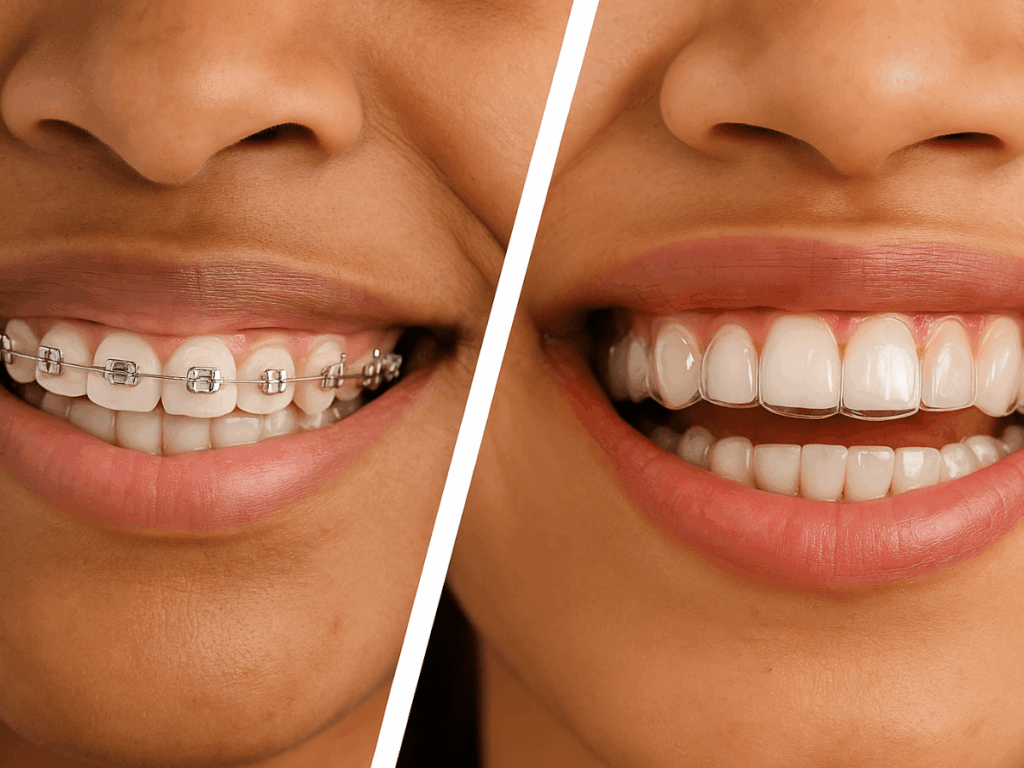
Braces, InVisalign, or Other Orthodontic Methods
More than anyone else, a dental professional is the best place to look for what method is right for you. They will make sure your teeth are taken care of, and that you’re not going overboard with procedures for no reason. For tooth gaps or an uneven bite, dentists may recommend braces or InVisalign. For tooth cracks, they may recommend dental bonding. For small chips or a bumpy surface at the bottom of your teeth, they may recommend enameloplasty. For the brightening of enamel, they may even recommend cosmetic laser dentistry.
What they certainly won’t recommend, however, is taking methods such as teeth filing into your own hands. If you feel the need for this procedure, be sure to consult a licensed professional, not Tiktok.

Dr. Elizabeth Wakim, DDS, is the founder of Enhanced Wellness. She’s a compassionate and highly-regarded dentist with her own practice in Washington, Pennsylvania, known for providing modern, comprehensive dental care, botox and facial aesthetics with a focus on patient comfort and anxiety reduction, serving general, cosmetic, and pediatric dentistry needs.