If your child snores, breathes through their mouth, or always seems tired, it is easy to assume they will grow out of it. But those small habits can reveal something bigger happening beneath the surface and they often relate to how well your child is actually breathing. This is where an airway pediatric dentist becomes essential. When children breathe better, they sleep better, focus better, and grow with more confidence. Everything is connected.
This guide walks you through what an airway pediatric dentist does, which signs parents should watch for, and why early evaluation can make a real difference before orthodontic issues or sleep problems become harder to fix.
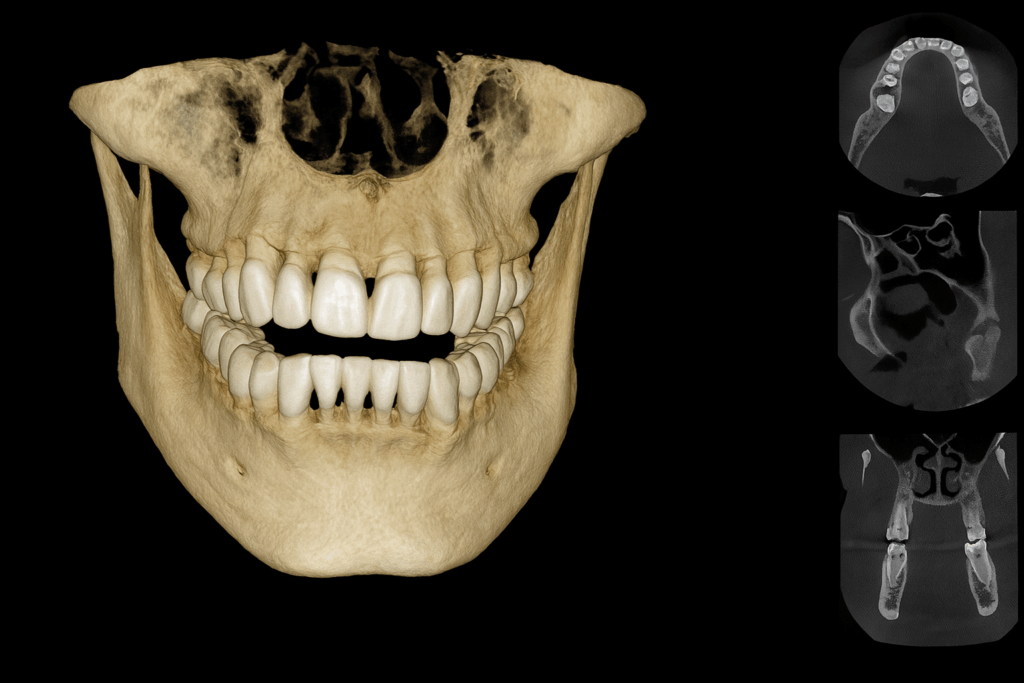
At Elizabeth L. Wakim DDS, we integrate airway-focused evaluations into our approach to pediatric dental care. Our assessments use detailed clinical screenings and advanced imaging that allow us to understand how your child is breathing and how their facial structures are developing. This helps us create care plans that support healthy growth and give parents clear, practical guidance.
What Is Pediatric Airway Dentistry?
Pediatric airway dentistry focuses on how a child breathes and how their airway develops as they grow. It expands traditional pediatric dental care by examining the structures that influence breathing, sleep quality, and facial development.
An airway-focused pediatric dentist looks at how the jaw is forming, how the tongue rests, whether the child breathes through the nose or mouth, and whether the airway has enough space to support healthy growth. They also review sleep habits and check for conditions that may restrict airflow, such as enlarged tonsils or tongue-tie.
The goal is early identification. When airway concerns are recognized while a child is still developing, treatment can be simple, gentle, and effective. Addressing these issues early supports better sleep, improved focus, and healthier long-term oral development.
How Airway Issues Show Up: Warning Signs to Watch For
Childhood airway concerns are more common than many parents realize, and mouth breathing affects a significant portion of children. Airway problems in children often appear as everyday habits, which makes them easy to overlook. Many early signs show up during sleep, during the day, or in the way the face and jaws develop.
Common nighttime signs include:

- Snoring or noisy breathing during sleep
- Frequent tossing, turning, or restless sleep
- Waking up tired despite a full night of rest
- Night sweats or teeth grinding
These symptoms can be related to apnea or obstructive sleep apnea, which may influence both behavior and overall health when left untreated. Learning how oral sleep devices work, as explained in this guide to dental sleep appliances can help parents understand how breathing support may play a role in managing these concerns.
Daytime symptoms may include:

- Consistent mouth breathing
- Difficulty focusing or behaviors that resemble ADHD symptoms
- Irritability, fatigue, or other behavioral issues related to poor sleep
- Dry mouth or chapped lips
These patterns may reflect airway related issues that affect how well a child breathes and how their brain and body function during the day.
Physical changes that may signal airway restriction include:

- Narrow or underdeveloped jaws that may lead to crooked teeth
- A high, narrow palate that limits normal airway space
- Dark circles under the eyes
- Forward head posture or open-mouth posture at rest
These features are often associated with improper facial growth and can indicate that the airway is not supporting normal breathing. Over time, these concerns may contribute to speech issues, TMJ issues, behavioral problems, or difficulty guiding facial growth.
These signs do not always indicate a serious condition, but they suggest the airway may not be functioning efficiently. If you notice several of these patterns, an airway-focused evaluation can help determine what is contributing to your child’s symptoms and whether early intervention is needed.
What Happens If Airway Issues Are Ignored: Long-Term Effects
Untreated airway problems can influence more than breathing. Mouth breathing, which affects an estimated 30 to 50 percent of children, can add strain to normal development and contribute to ongoing concerns. Over time, these issues can affect jaw development, sleep quality, behavior, and overall oral health.
Effects on dental health
Reduced airflow through the nose can contribute to chronic mouth breathing, which often leads to a dry mouth. A dry environment allows cavity-causing bacteria to grow more easily and can irritate the gums. Over time, this increases the risk of tooth decay, gum inflammation, and bite problems related to misalignment.
Effects on sleep and daily performance
Airway issues can disrupt sleep quality, even if a child appears to sleep through the night. Poor or fragmented sleep affects focus, learning, and mood. Children may seem tired, irritable, or easily distracted during the day. Lower oxygen levels during sleep can also influence growth and overall physical well-being.
Effects on long-term health
When airway problems persist, they may contribute to sleep-disordered breathing and related concerns later in life. Ongoing sleep disruption can affect cognitive development, emotional regulation, and immune function. Early identification helps reduce these risks and supports healthier long-term outcomes.
These outcomes build gradually, which is why early evaluation is beneficial. Identifying airway problems while a child is still growing allows for gentler treatments and stronger long-term results.
Typical Treatments and Interventions for Kids
Treatment depends on what is affecting the airway and how the child is developing. Many children who experience airway related concerns are between 2 and 7 years old, which is an important stage for growth. At this age, the bones and muscles respond well to gentle support, so many treatment options focus on guiding development early.
Common approaches include:
- Myofunctional therapy: Improves tongue posture, strengthens oral muscles, and encourages consistent nasal breathing
- Orthodontic guidance or palate expansion: Creates more space in the upper jaw to support healthier airway function
- Habit and posture correction: Promotes nasal breathing and reduces open-mouth posture during rest and daily activities
- Sleep and lifestyle adjustments: Helps improve bedtime routines and address environmental factors that contribute to airway strain
- Collaboration with ENT specialists: Evaluates enlarged tonsils, adenoids, or chronic congestion that may limit airflow
- Evaluation of tongue-tie or lip-tie: Determines whether restricted tissue is affecting breathing, swallowing, or oral movement
These interventions aim to correct underlying issues rather than just managi
What to Ask When Choosing an Airway-Focused Pediatric Dentist
Choosing the right provider is an important part of supporting your child’s airway and overall development. A few key questions can help you understand a dentist’s training, approach, and how they evaluate growing children.
What training do you have in airway-focused pediatric dentistry?
This helps you understand the dentist’s background with airway development, growth patterns, and breathing-related concerns.
Do you include airway screening in routine dental visits?
Regular screening shows that the provider evaluates more than teeth and monitors breathing and jaw development over time.
What diagnostic tools do you use during evaluations?
Some dentists rely on clinical exams, while others use imaging, functional assessments, or collaborative evaluations to get a clearer picture.
How do you approach early intervention?
This helps you see whether the practice prioritizes gentle, growth-guided care or waits until issues become more advanced.
Do you collaborate with other specialists when needed?
Airway concerns often involve multiple factors. Collaboration with ENTs, orthodontists, or myofunctional therapists supports more complete care.
How do you involve parents throughout the process?
Good communication ensures you understand each step, what to expect, and how your child’s progress will be monitored.
Helping Your Child Grow with Better Airway Health
Supporting healthy breathing is an important part of your child’s overall development. Airway-focused pediatric dentistry helps identify concerns early and guides growth in ways that improve sleep, focus, comfort, and long-term oral health. When parents know what signs to watch for and understand the value of early evaluation, it becomes easier to make informed choices that support a child’s well-being.
If you have noticed mouth breathing, restless sleep, or other signs that may be related to airway function, an airway-focused assessment can provide clarity. Early care often leads to simpler treatments and healthier outcomes as your child grows.
Our team is committed to supporting your child’s development with gentle, personalized care. If you have questions about airway health or want guidance about your child’s breathing and growth, we are here to help. Contact our Pennsylvania office at (724) 558-8222 or use our contact form to schedule a visit and receive care tailored to your child’s needs.

Dr. Elizabeth Wakim, DDS, is the founder of Enhanced Wellness. She’s a compassionate and highly-regarded dentist with her own practice in Washington, Pennsylvania, known for providing modern, comprehensive dental care, botox and facial aesthetics with a focus on patient comfort and anxiety reduction, serving general, cosmetic, and pediatric dentistry needs.