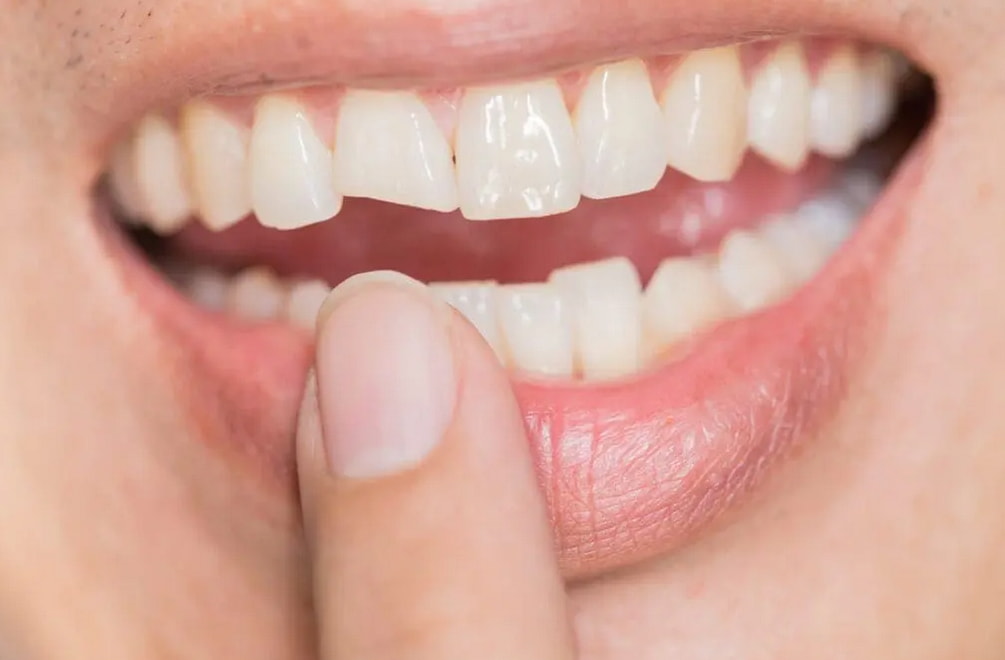
Having a good oral hygiene routine that you practice every day and night is crucial for your health. From brushing your teeth twice a day, flossing, and even using mouthwash, these are the simple steps in order to keep your dental health in check and to ensure that your teeth are safe from plaque build-up, cavities, and conditions like gum disease.
One of the most important steps in any dental hygiene routine is flossing, simply because it is a way to get in between your teeth to get rid of food particles and plaque that build-up throughout the day. Many people skip out on flossing for the simple fact that they believe that brushing your teeth can get in between all the nooks and crannies and remove all of the bad stuff that builds up throughout the day, but this is not the case.
While using traditional floss can seem like a pain to use, instead you can opt for a water flosser which is the new craze in dental health–so knowing what they are and how to use them can make a big difference on how you take care of your teeth!
Why Flossing Your Teeth is Crucial for Your Dental Health
There are a number of reasons why flossing can change the current state of your teeth and improve oral health!
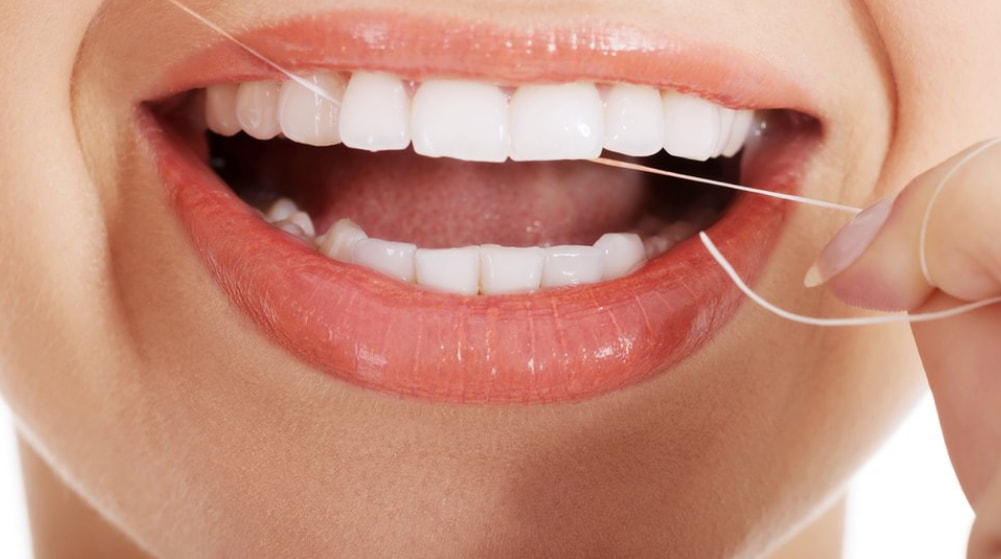
Everyone knows that brushing your teeth at least twice a day is the standard for keeping up with your dental health, but flossing is just as important. Flossing is a step that shouldn’t be skipped in any oral hygiene routine because it can help reach places that you can’t get to by only brushing your teeth–and there are many other reasons why it is important to do.
The Pros of Flossing: How it Can Make a Difference in Your Oral Health
There are a number of reasons why flossing can greatly benefit your teeth, plus help to protect them long-term. While it not only helps to get rid of food particles and plaque that you can’t reach when brushing, it also can benefit your teeth in other areas.
Some of the benefits of flossing your teeth everyday include:
- Can help reduce or prevent cavities
- Improves and freshens breath
- Prevents gum disease (an infection and inflammation of the gums)
- Prevents tooth decay
- Creates a whiter smile, reducing discoloration
Can Flossing Improve Other Areas of Your Body?
Flossing your teeth can even have benefits on your overall health too. While you may be wondering how flossing your teeth can affect other areas of your body and how it’s even possible, it’s known that oral health and overall systemic health coincide together. If you have bad oral health, it can affect other parts of your body too.
By simply flossing and adding it to your daily oral hygiene routine, it can help to prevent other health issues or complications with pre-existing conditions you may already have. It may lower your chances of having cardiovascular disease, strokes, respiratory infections, and it can even prevent complications that can affect those already diagnosed with diabetes.
Poor oral health can also be linked to dementia, and while flossing habits may not be a direct cause, doing it can help to get rid of any harmful bacteria and inflammation that can cause periodontal disease. Some studies show that advanced periodontal disease can worsen cognitive function in the brain, increasing the risk of dementia–and flossing can get rid of bacteria and keep it from potentially entering the brain.
How Much is a Water Flosser?
Water flossers aren’t too expensive, and for how effective they are, companies have made them as affordable as possible to get you the best clean compared to regular floss or floss picks. Most water flossers cost around $30 to $80 and can come corded, cordless, battery-operated, or there are options where you can get them built into your shower or sink faucet.
Depending on what you’re looking for, it’s important to know that countertop water flossers are the largest and most expensive option. Many people tend to purchase portable ones that are corded or cordless that they can easily transfer while traveling or moving. Also, most water flossers come with many different kinds of tips to clean different areas of the mouth or dental appliances, but specialized ones–like the Pikpocket tips and toothbrush ones–are often sold separately.
What Are Water Flossers? And How to Use Them!
Water flossers are an inventive way to floss your teeth–and can even do the job better than standard floss!

Flossing can feel like a chore, and doing it the traditional way with a spool of floss can be difficult to wrap around your fingers and reach into the back of your mouth. While floss picks are another great option, they don’t remove plaque, food particles, and bacteria as well as water flossers–the new craze in upping your oral health game!
What Are Water Flossers–And What They Can Do?
Water flossers are the new craze when it comes to cleaning your teeth, and they can do it better than brushing and flossing put together! Water flossers shoot out vibrating streams of water out of the tip to help reach areas that you’re unable to get to just by brushing or flossing your teeth. They can clean everything from hard-to-reach areas, below the gum line, and even between your teeth to remove everything from food particles and plaque.
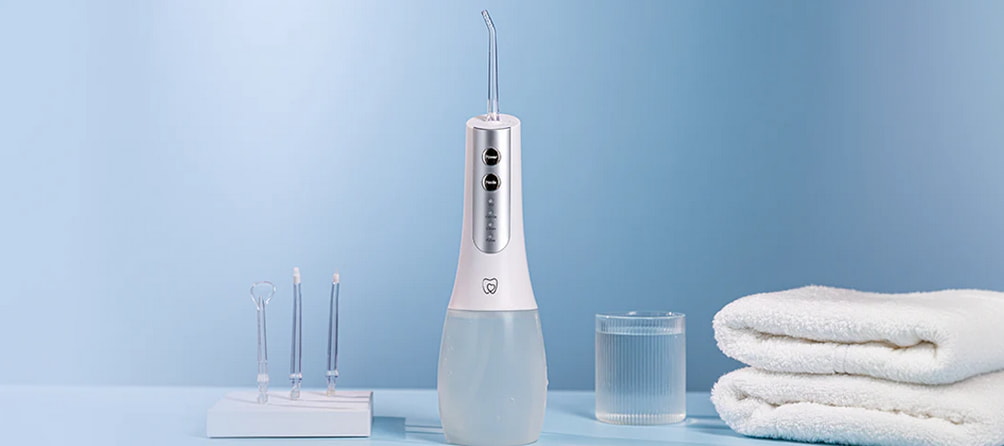
There are also a ton of different tips that can be attached to clean certain parts of your mouth. The following are the common tips that can be used to clean your teeth, dental appliances, and more:
- Classic jet – Used for everyday cleaning purposes that can get in between teeth and below the gum line
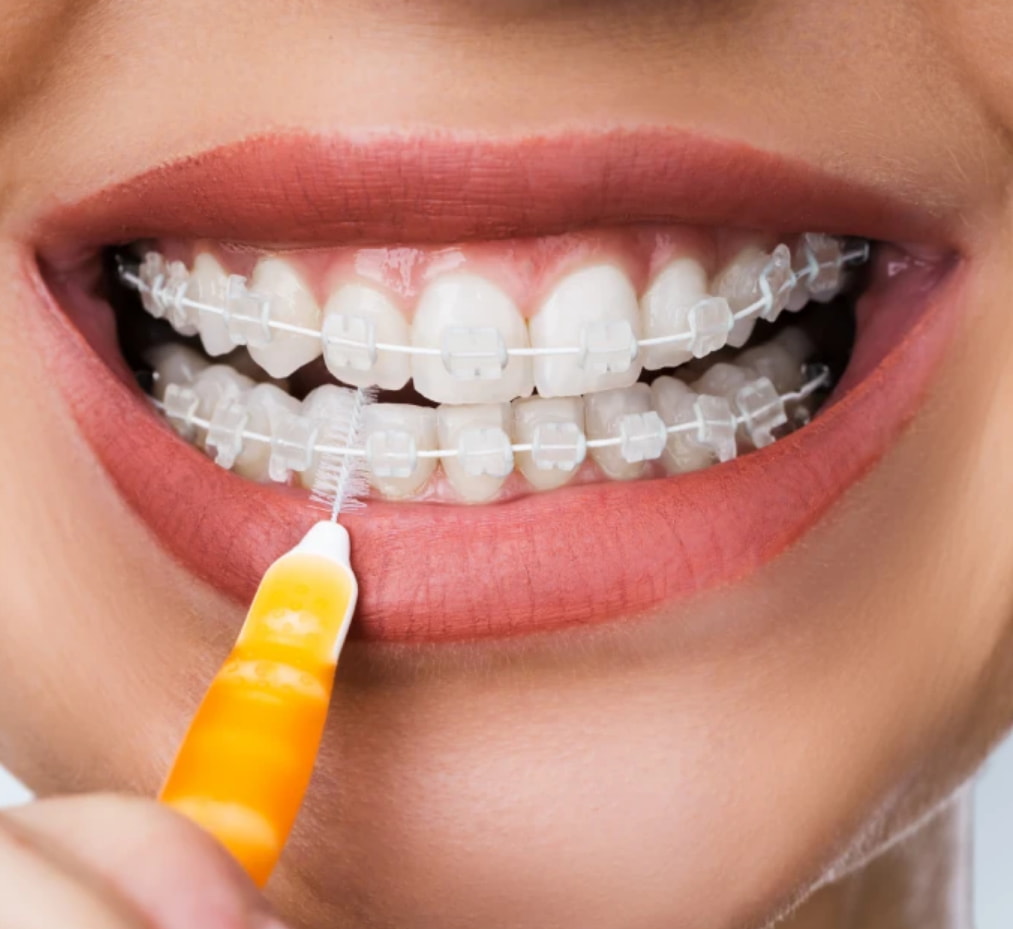
- Orthodontic tip – Perfect to use to get in between braces or clean retainers
- Tongue cleaner – Improves breath by scraping tongue to remove bacteria and other debris
- Plaque seeker tip – Can remove plaque in hard-to-reach places, on implants, and around dental work
- Pik pocket tip – a soft tip to shoot water into periodontal pockets for a refreshing rinse
- Implant/denture tip – Specifically cleaned all areas of implant bridges and dentures to keep them clean
- Whitening tip – A specialized tip to remove stains from teeth
- Toothbrush tip – Allow water flosser to be used manually to brush your teeth for general, everyday care.
How to Use a Water Flosser
Water flossers are very easy to use just as they are effective in cleaning your teeth and removing all of the gunk and bacteria. Here is a step-by-step process on how to use a water flosser just to see how easy it can be:
- Fill up the reservoir with water
- Attach the tip you want to use
- Aim the tip at the area that you want to clean
- Press the button to start the water flow
- Move the tip in between your teeth, along the gum line, and in those hard-to-reach areas to rinse and clean out bacteria, plaque, and food particles
- Once you’re done, rinse with water to spit out any leftover debris
The Verdict: Is a Water Flosser the Best Option For You?
Many dentists recommend water flossers to get the best clean possible compared to traditional flossing!
Many often ask if water flossers are the right choice for their dental health. While it’s easy to go out and purchase some cheap dental floss or picks, it may not be as good in taking care of your teeth as we were taught. Dentists are highly recommending water flossers to their patients who need that extra deep clean to get rid of a build-up of bacteria, plaque, and it’s even a better method to remove food debris and particles throughout the day.
Not only does it get to those hard-to-reach places effectively, but it can improve gum health, they’re super easy to learn how to use, and dentists and orthodontists often recommend them for patients who have braces for a thorough clean.
If you’re considering a water flosser, consider putting some money into a good one that can effectively change the game when it comes to keeping up and taking care of your oral health!If you’re in the Washington, PA area and are interested in an in-person appointment that can provide a ton of insight into the status of your oral health––consider contacting Elizabeth L. Wakim—exceptional smiles start here!

Dr. Elizabeth Wakim, DDS, is the founder of Enhanced Wellness. She’s a compassionate and highly-regarded dentist with her own practice in Washington, Pennsylvania, known for providing modern, comprehensive dental care, botox and facial aesthetics with a focus on patient comfort and anxiety reduction, serving general, cosmetic, and pediatric dentistry needs.