Sunlight does more than warm the skin. The ultraviolet (UV) radiation in sunlight can reach deep into skin cells, and people still wonder what can be done after UV exposure has already affected the skin. One approach drawing increasing attention is photobiomodulation (PBM), a treatment that uses low-level red or near-infrared light to stimulate cellular activity.
Does photobiomodulation reverse UV-induced damage, or does it simply help the skin recover more efficiently? The answer is more complex than a simple yes or no. What PBM actually does inside the skin helps explain where light therapy can make a difference and where it cannot.
At Enhanced Wellness, we stay aligned with emerging research in light-based therapies, including photobiomodulation, to offer treatment options grounded in both science and clinical experience. Consultations are designed to evaluate tissue health in detail and guide personalized care that reflects each patient’s goals.
Understanding UV-Induced Damage at the Cellular Level
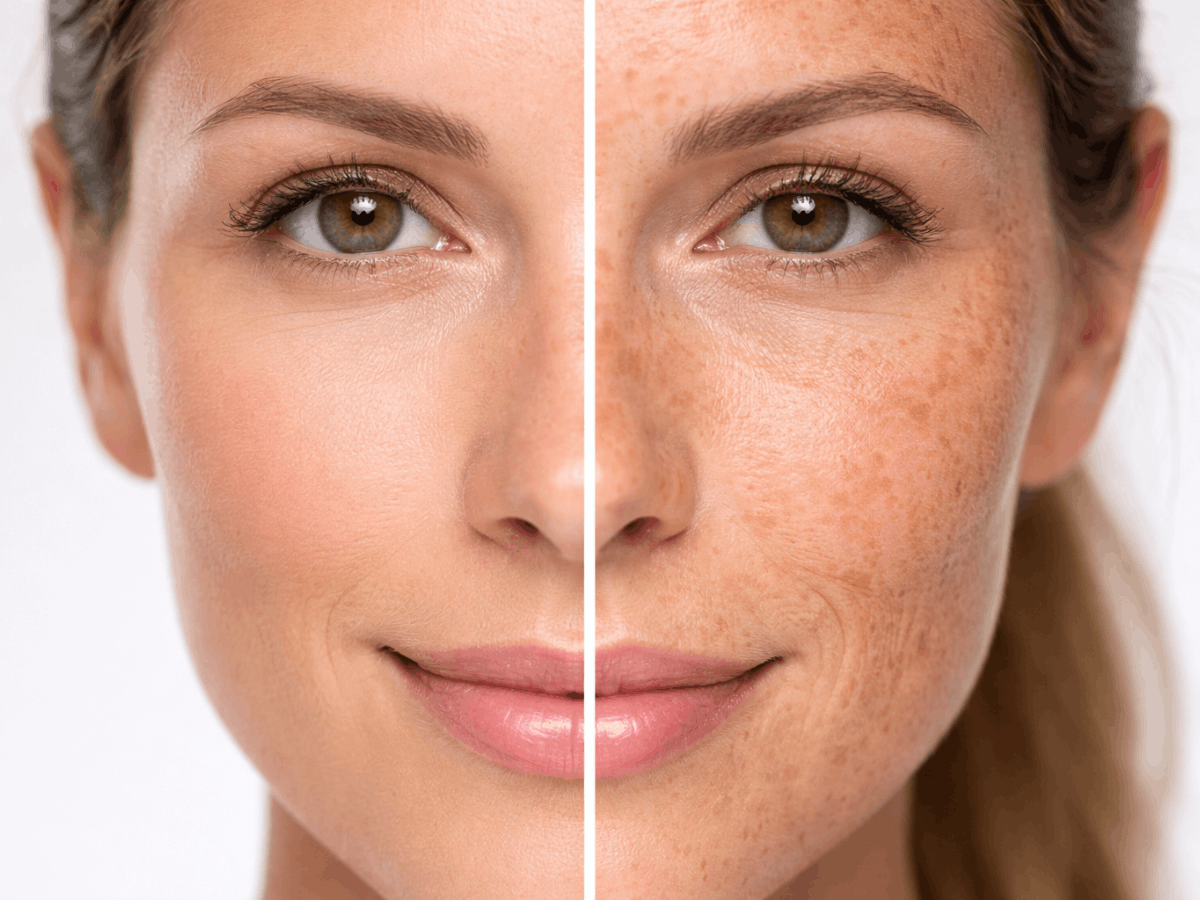
UV radiation exposure is linked to more than 1.5 million new skin cancer cases each year, highlighting how deeply it can affect the skin. UV radiation affects both the surface and deeper layers of the skin. While some damage is visible on the surface, such as redness or texture changes, it also reaches deeper into the skin, where it can disrupt how cells function.
When UV rays reach the skin, they can interfere with DNA and create stress within the cells. This stress builds up over time and makes it harder for the skin to repair itself the way it normally would.
As that happens, a few things start to change:
- Collagen breaks down more quickly, so skin loses firmness
- Texture becomes rougher and less even
- The skin takes longer to recover after exposure
UV exposure can also slow down the cells responsible for keeping skin strong and resilient. When those cells are not working at their best, the effects of sun damage tend to linger and become more noticeable over time.
This is why UV damage is not something that can simply be erased. It changes how the skin behaves at a deeper level, which is important to keep in mind when looking at treatments like photobiomodulation. Even with options like anti-aging creams for mature skin, the focus is on supporting skin function over time, not reversing underlying damage.
What Photobiomodulation Actually Does
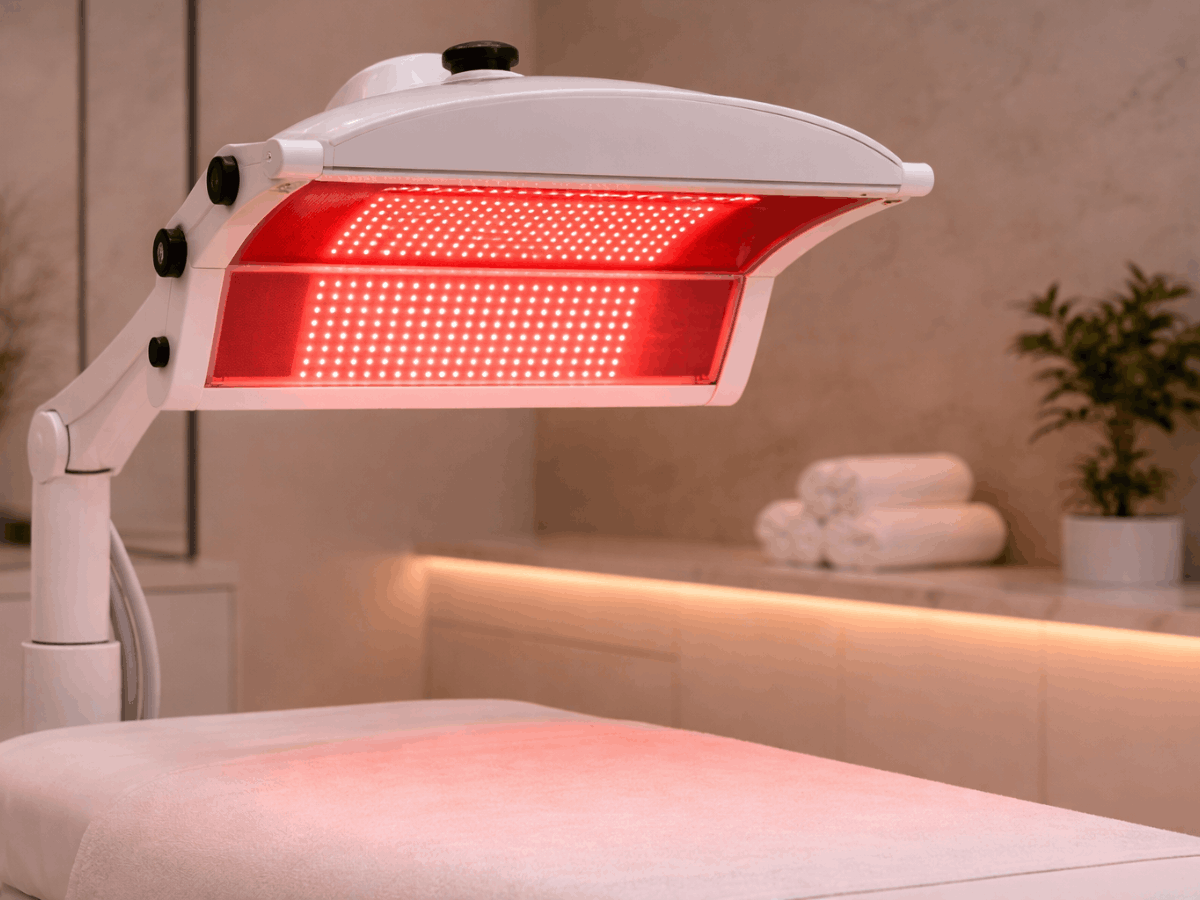
Photobiomodulation does not remove damaged skin. It works by helping cells function more efficiently.
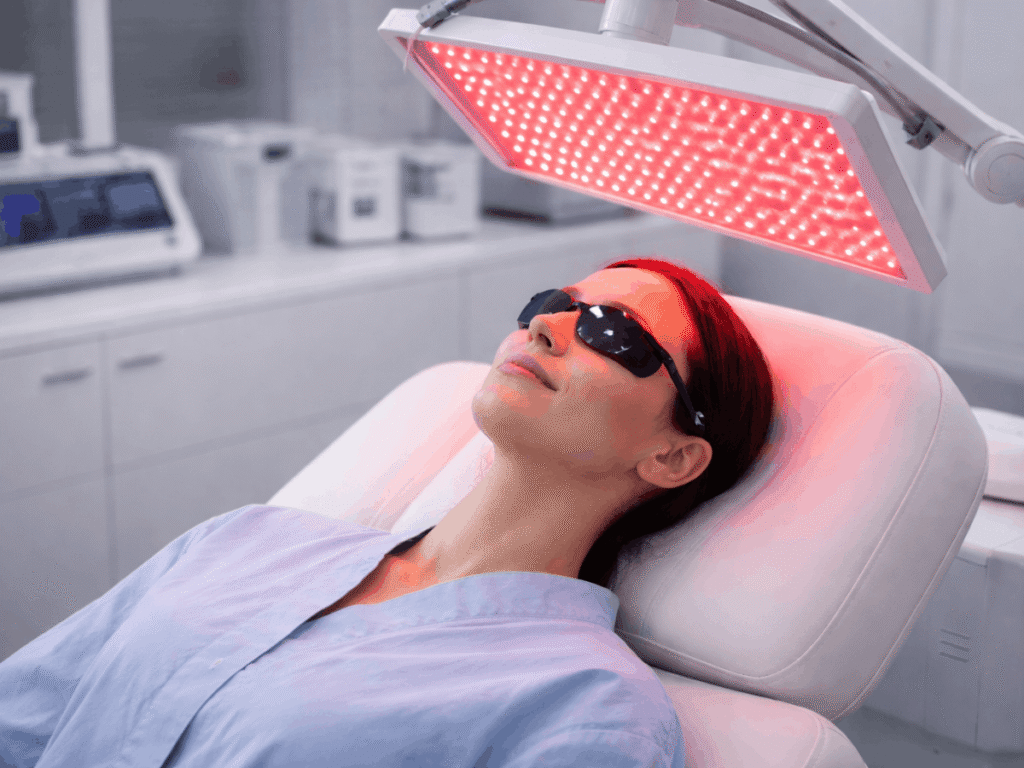
This therapy uses low-level red or near-infrared light that is absorbed by the skin and underlying tissue. Rather than resurfacing or stripping layers, it works beneath the surface to support how the skin behaves over time.
Studies suggest that over 90% of patients experience improvements in skin texture, reduced roughness, and increases in skin density (around 26%–47%) with consistent photobiomodulation treatments. It is important to keep expectations realistic. Photobiomodulation does not erase UV damage or replace damaged cells. What it can do is create better conditions for the skin to repair itself and function in a healthier way.
This is why it is often used as a supportive treatment, helping improve how the skin responds after damage rather than reversing it outright. It can be part of a broader approach that includes practical steps for recovering from sunburn and supporting skin repair.
How PBM Influences Cellular Repair
Nearly 86% of melanomas are linked to ultraviolet (UV) radiation from the sun, underscoring how much long-term damage UV exposure can cause at the cellular level. Photobiomodulation supports how your skin repairs itself by helping cells work more efficiently. It does not force change. It gives your cells better conditions to do what they are already designed to do.
Activation of Mitochondrial Activity
Inside each cell are mitochondria, which act as the cell’s energy source. In photobiomodulation therapy, also called low-level light therapy or red light therapy, red and near-infrared wavelengths are absorbed through photon absorption by cytochrome c oxidase. This light absorption supports cellular processes and helps mitochondria work more efficiently in human skin affected by UV-related skin damage and DNA damage.
Increased ATP Production and Cellular Energy
When mitochondrial function improves, ATP production increases, supporting cell proliferation, tissue regeneration, and promoting collagen production. Research suggests this added energy supports wound healing, including chronic wounds and diabetic wounds, while also contributing to improved blood flow. After prolonged exposure to ultraviolet B light from natural sunlight, this helps cells maintain more stable function during recovery.
Modulation of Inflammation and Oxidative Stress
When mitochondrial function improves, ATP production increases, supporting cell proliferation, tissue regeneration, and promoting collagen production. Research suggests this added energy supports wound healing, including chronic wounds and diabetic wounds, while also contributing to improved blood flow. After prolonged exposure to ultraviolet B light from natural sunlight, this helps cells maintain more stable function during recovery.
In simple terms, PBM interacts with parts of the cell that respond to light. This helps guide how cells use energy, respond to stress, and carry out repair. It does not replace damaged cells, but it helps the skin function in a more stable and efficient way.
Can Photobiomodulation Reverse UV-Induced Damage?
Not exactly, but it can improve how the skin recovers over time.
Photobiomodulation does not erase UV damage or return the skin to its original state. Changes like DNA disruption or long-term structural breakdown cannot simply be undone.
This is why PBM is best viewed as a supportive therapy, not a corrective one. It works with the body’s natural processes rather than replacing or removing damaged tissue.
What PBM May Actually Improve After UV Exposure
Photobiomodulation does not reverse UV damage, but it may influence how the skin looks and feels as it recovers over time. The changes are often gradual and vary depending on the extent of prior sun exposure.
What PBM may help improve:
- Recovery response after UV exposure: Low-level laser therapy supports biological tissue as it recovers from stress caused by reactive oxygen species and hydrogen peroxide buildup. By influencing cellular processes and signaling pathways, it may help the skin respond more efficiently after irritation.
- Redness and visible irritation: PBM is known for its anti-inflammatory effects, helping reduce inflammatory markers and pro-inflammatory cytokines. This supports immune cells, including T cells, and contributes to reduced inflammation and calmer inflammatory responses.
- Skin tone and texture: By supporting gene expression and transcription factors involved in repair, PBM may help improve how different cell types function. This can support a more even appearance as the skin stabilizes, including areas around hair follicles and surface layers affected by UV exposure.
- Overall skin resilience: Research in scientific literature, including animal models and cell culture studies, suggests PBM may help reduce oxidative stress and support nitric oxide activity, including inducible nitric oxide synthase. These proposed mechanisms may contribute to improved circulation, balanced skin function, and overall resilience over time.
PBM has been used in various medical settings where supporting tissue recovery is important. In this context, it is best viewed as a way to improve how the skin responds after UV exposure, not as a method to reverse the damage itself.
PBM vs Other Light-Based Skin Treatments
Not all light treatments work the same way. The main difference comes down to how aggressive the treatment is and what it’s designed to do. Some create controlled damage to trigger new skin growth. PBM takes a lower-intensity approach.
Photobiomodulation vs Laser Resurfacing
Laser resurfacing uses higher energy to heat or remove layers of skin. This helps stimulate new skin but usually comes with downtime, redness, and peeling.
PBM does not heat or remove skin. It works below the surface using low-level light, so there is no peeling or recovery time. It is typically used to support skin quality rather than replace damaged layers.
PBM vs Photodynamic Therapy
Photodynamic therapy uses a light-sensitive solution applied to the skin, followed by a specific light source to activate it. This process targets certain cells and often leads to temporary irritation or peeling.
PBM does not use any added chemicals or target cells for destruction. It relies on light alone and is generally more comfortable, with minimal to no visible after-effects.
Why PBM Is Considered Non-Ablative
PBM is considered non-ablative because it does not damage or remove the skin’s surface. It does not rely on heat or controlled injury to create results. Instead, it uses low-level light to support how the skin functions over time.
This makes PBM a lower-intensity option that can fit into a long-term approach to maintaining skin health, especially for those who want results without downtime.
Factors That Affect PBM Results
Results with photobiomodulation are not one-size-fits-all. How well it works depends on how the treatment is delivered and how your skin responds to it.
What can influence results:
- Wavelength of light used: Different wavelengths penetrate the skin at different depths. Red and near-infrared light are commonly used, but the specific setting affects how the treatment interacts with the tissue.
- Timing after UV exposure: Earlier use may help support the skin before stress builds up. Delayed treatment can still be helpful, but results may vary depending on how much damage has already developed.
- Duration and frequency of therapy: PBM is not a one-time treatment. Consistency matters. Sessions spaced over time tend to produce more noticeable changes than a single treatment.
- Individual skin biology: Skin type, age, and overall skin health all play a role. Some people respond more quickly, while others may see more gradual changes.
Research shows that PBM outcomes can vary based on the wavelength used and how the treatment is applied. This is why personalized treatment plans tend to produce more reliable results, especially when combined with consistent habits like protecting your skin during sun exposure.
Where Photobiomodulation Fits in Skin Recovery
Photobiomodulation offers a different way to approach skin repair after UV exposure. It does not undo the damage that has already occurred at a cellular level, but it can support how the skin responds moving forward.
At Enhanced Wellness, our team is committed to helping you care for your skin with thoughtful, personalized treatment options. If you’re noticing changes from sun exposure, ongoing irritation, or simply want guidance on improving your skin’s resilience, we’re here to help. Contact our Pennsylvania office at (724) 558-8222 or use our contact form to schedule a consultation and receive care tailored to your skin’s needs.

Dr. Elizabeth Wakim, DDS, is the founder of Enhanced Wellness. She’s a compassionate and highly-regarded dentist with her own practice in Washington, Pennsylvania, known for providing modern, comprehensive dental care, botox and facial aesthetics with a focus on patient comfort and anxiety reduction, serving general, cosmetic, and pediatric dentistry needs.