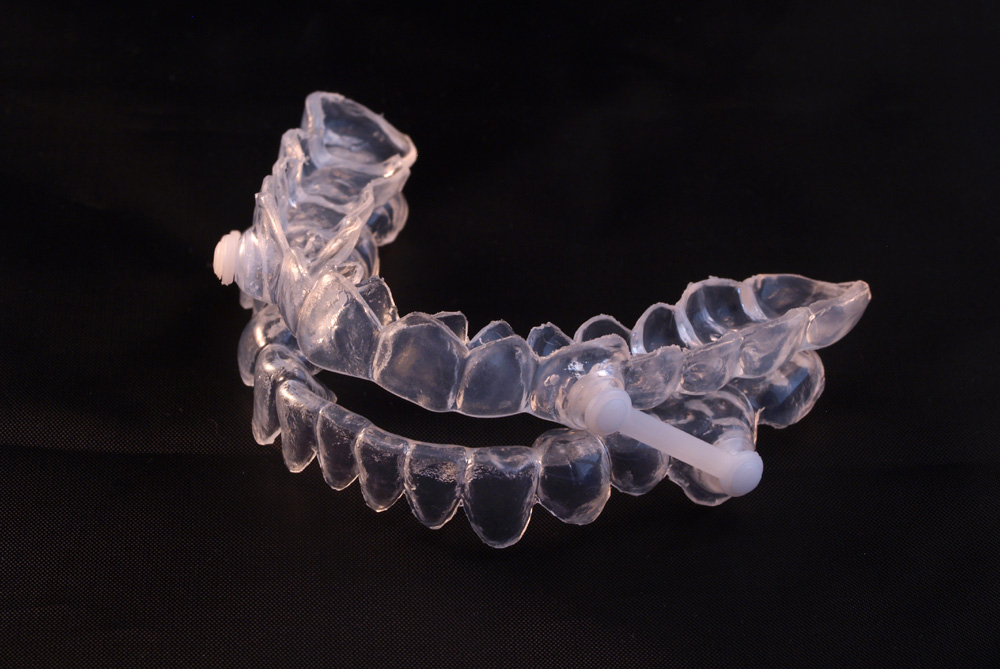
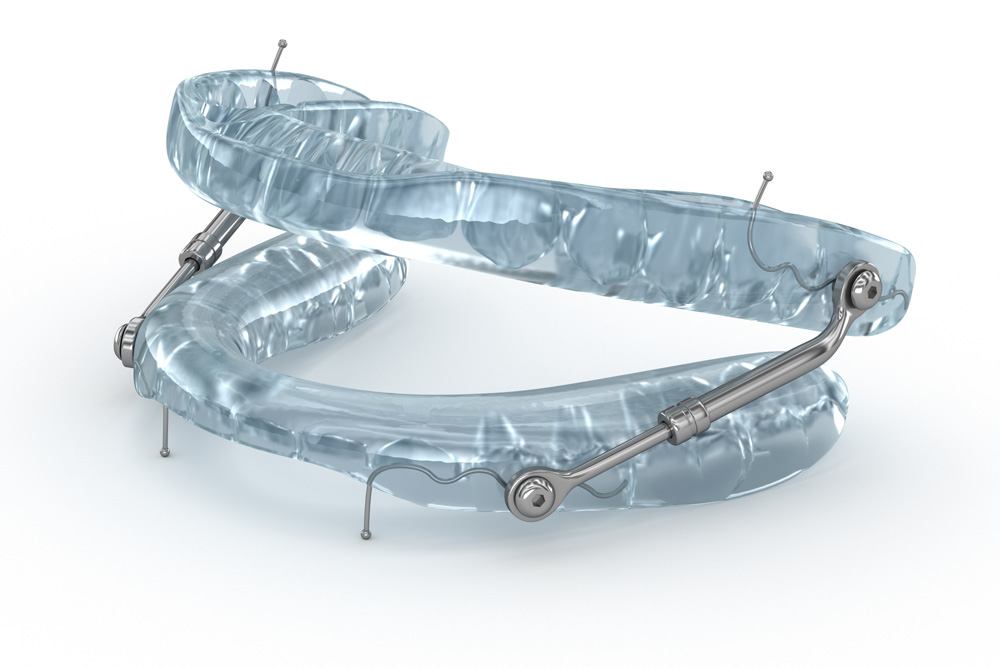
Flipper Tooth: What It Is, What It Costs, How Long You Can Wear One, and Better Long-Term Options
Missing a tooth and need something to fill the gap? Dr. Liza Wakim explains what a flipper tooth is, who it is for, what affects the cost, how long you can wear one, and the better long-term options.
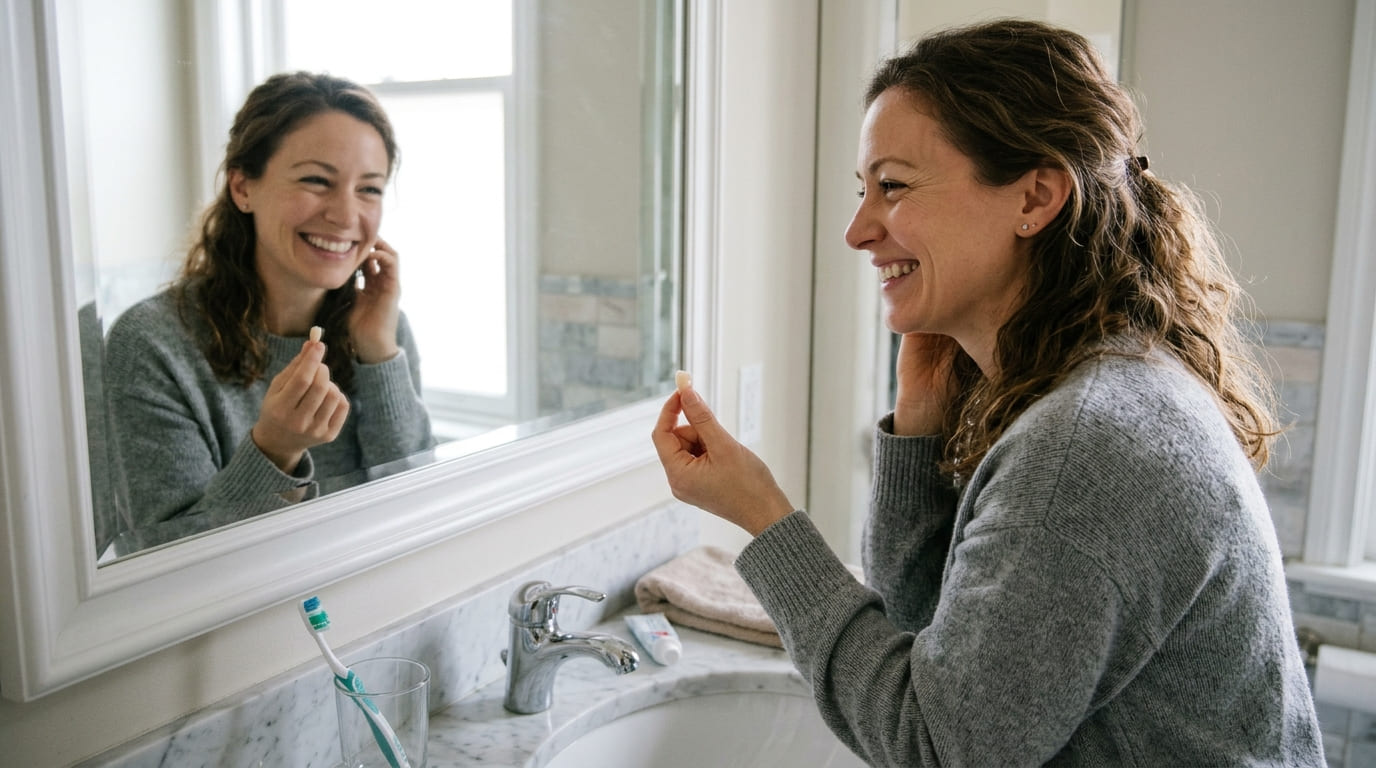
A flipper tooth is often the first answer to a very practical problem: a tooth has been removed, or is about to be, and you do not want a visible gap while you heal or wait for a permanent replacement. It is quick to make, affordable and removable.
It is also meant to be temporary. In this post I will explain what a flipper is, when it makes sense, how long you can wear it and what I usually recommend for the long term.
The short version
- A flipper is a lightweight, removable false tooth on a small acrylic base that clips onto your teeth.
- It is mainly a temporary option while you heal or wait for an implant or bridge.
- It is one of the most affordable tooth replacements, but it is not designed to be permanent.
- Long-term options like an implant or bridge are more stable and better for your bite and gums.
What is a flipper tooth?
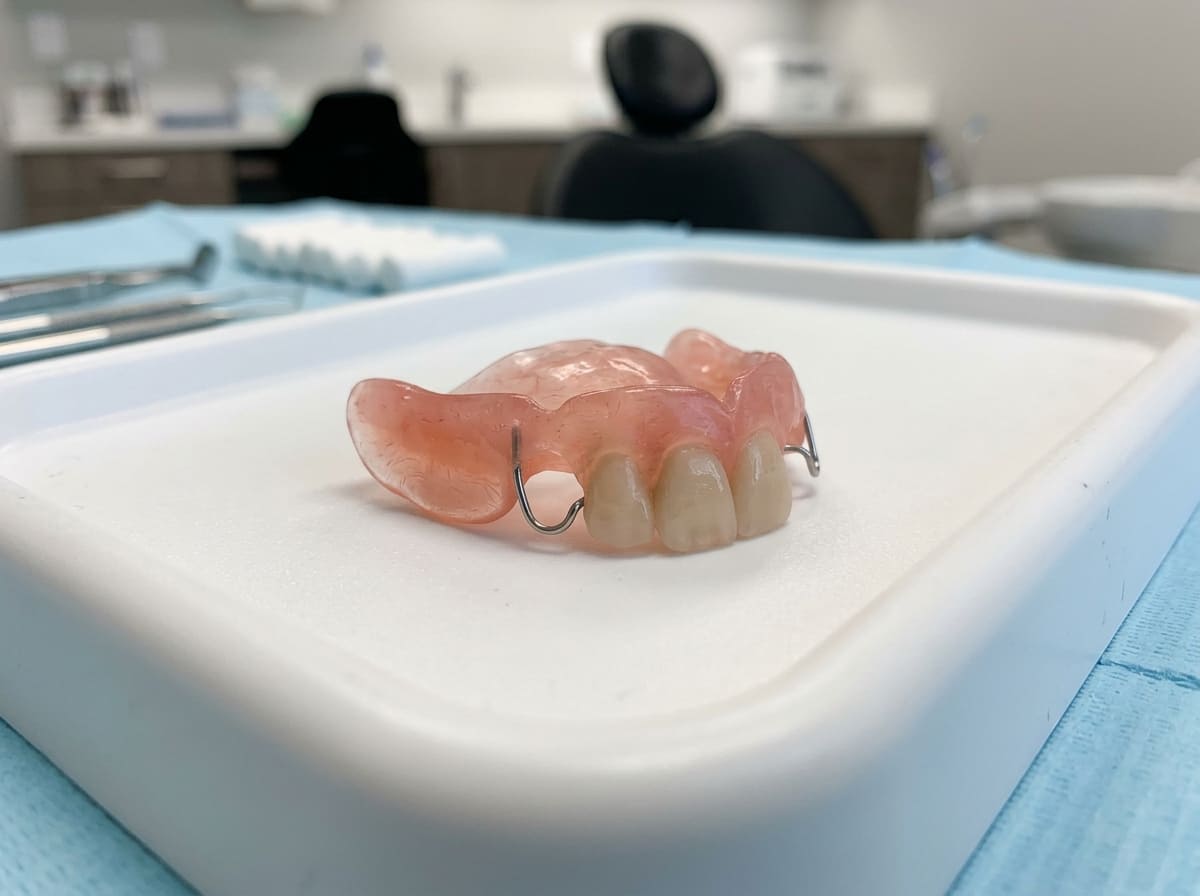
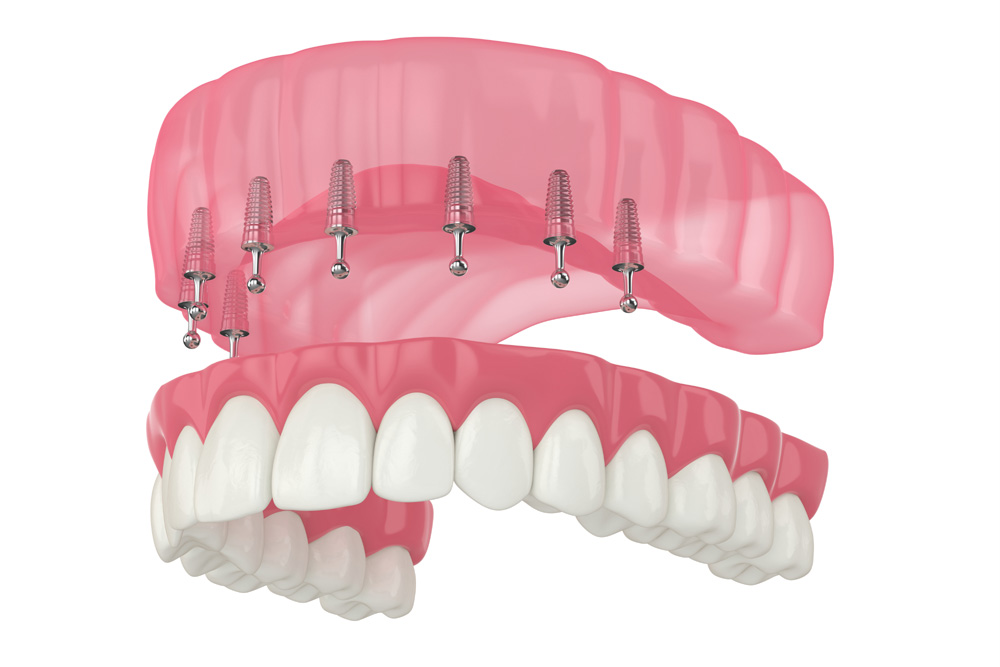
A flipper tooth, also called an acrylic removable partial denture, is a false tooth attached to a thin plastic base that fits against the roof of your mouth or along the inside of your lower teeth. Small clasps or the shape of the base hold it in place. You can take it out to clean it. Colgate describes it as a common short-term solution for one or a few missing teeth.
Who it’s for
- While you heal after an extraction or bone graft, before an implant can be placed
- While you wait for a permanent implant crown or bridge to be made
- For appearance, especially for a missing front tooth, for work, events or photos
- When budget or timing means a permanent option has to wait
What affects the cost
A flipper is one of the most affordable tooth replacements, but the price varies with how many teeth it replaces, the materials used and whether impressions or digital scans are needed. Insurance sometimes covers part of it as a temporary partial. Ask for a quote at your visit.
How long can you wear a flipper?
A flipper is designed as a temporary solution, typically for a few months while you heal or wait for a permanent replacement. It can last longer, but it is not ideal as a permanent fix because:
- It can irritate the gums under the base
- It can trap plaque around neighboring teeth
- It does not stimulate the jawbone, so bone in the gap can shrink over time
- It can break or loosen with daily use
If you are using a flipper long term, regular checkups are important to catch these problems early.
Pros and cons
| Pros | Cons |
|---|---|
| Affordable | Temporary, not built for long-term use |
| Quick to make | Can feel bulky and affect speech at first |
| Removable and easy to clean | Can break, and is not strong enough for hard foods |
| Fills the gap for appearance | Does not prevent bone loss in the gap |
Flipper vs. other tooth replacements
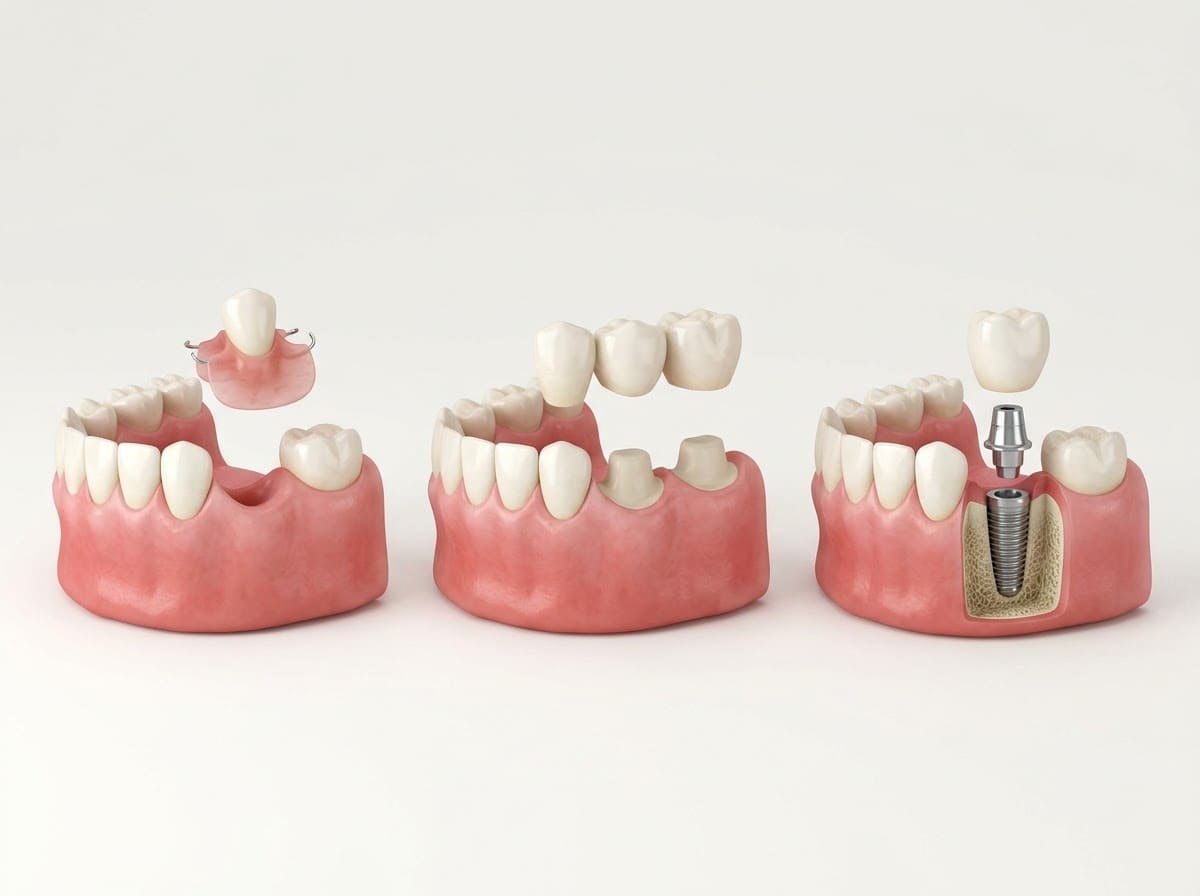
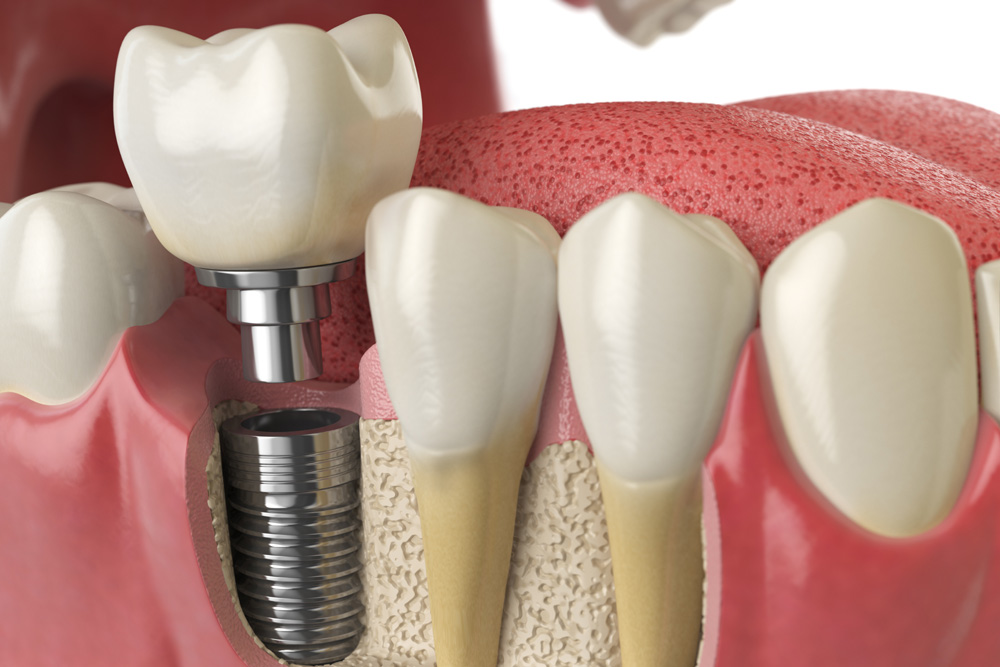
My posts on single tooth implant vs. bridge, missing front tooth replacement and a retainer for a missing tooth explain these options in more detail. Our dental implants and dental bridges pages cover the permanent choices.
Eating, talking and cleaning with a flipper
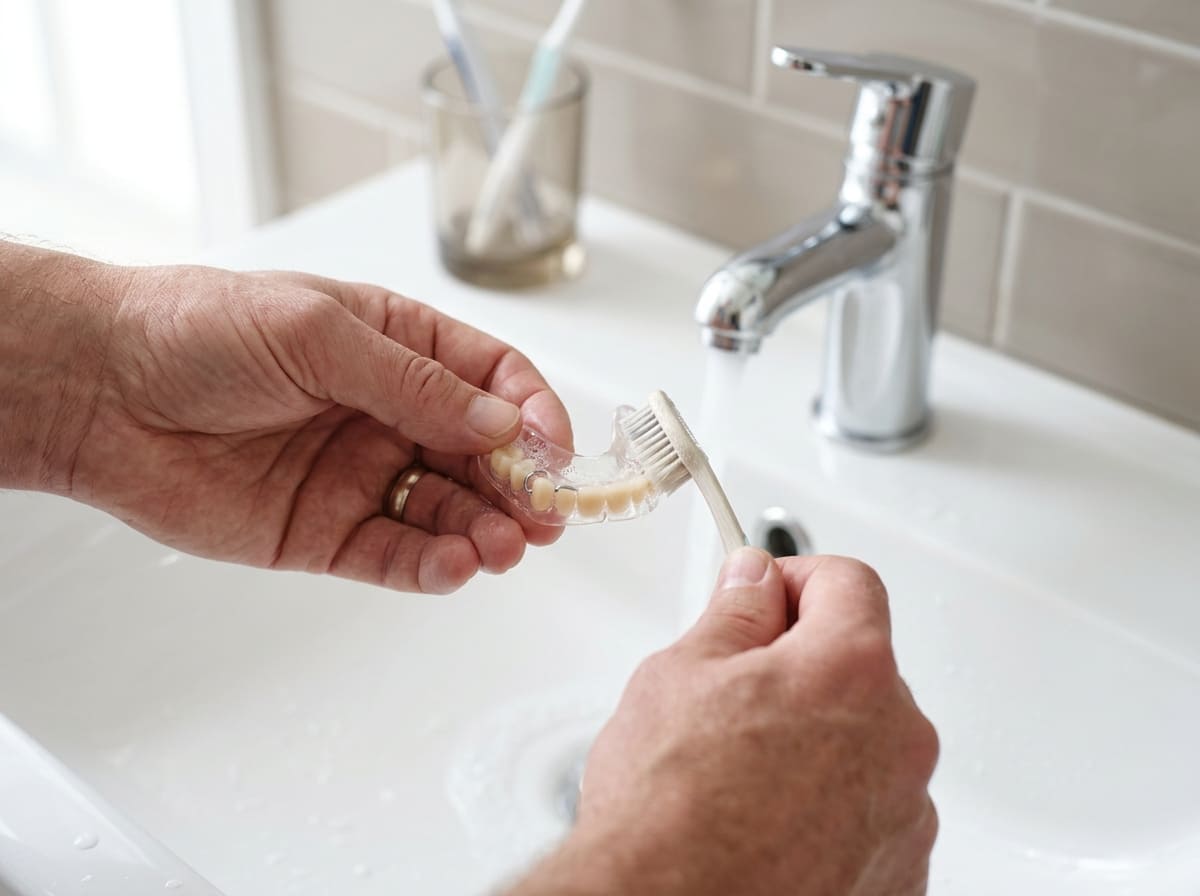
- Speech may feel slightly different for the first few days; reading aloud helps you adjust
- Avoid very hard or sticky foods, and take care when biting with the front teeth
- Remove it to clean it daily with a soft brush and non-abrasive cleaner
- Healthline also recommends removing it at night unless your dentist advises otherwise
Are online or DIY flippers safe?
Mail-order flippers and at-home kits skip the exam. A poor fit can rub the gums, trap food, push teeth out of position and hide problems like gum disease or infection that should be treated first. A dentist-made flipper is fitted and checked, which is safer.
When to see a dentist
Book a visit if you have just lost a tooth or are about to have one removed, if your flipper is loose, cracked or sore, or if you have been wearing one for a long time and want a permanent option.
Frequently asked questions
Can you eat with a flipper?
Yes, but carefully. Soft foods are easiest, and very hard or sticky foods can loosen or break it. Many people avoid biting directly with the flipper tooth.
Can you sleep in a flipper?
Most dentists recommend taking it out at night to let your gums rest and to keep it clean, unless your dentist advises otherwise.
Does a flipper hurt?
It should not hurt. It may feel bulky at first, and sore spots can happen; if it rubs or hurts, see your dentist for an adjustment.
How long does it take to make a flipper?
Often a short time after impressions or a digital scan, sometimes in time to wear right after an extraction. Ask your dentist about timing.
Does insurance cover a flipper?
Some dental plans cover part of a flipper as a temporary partial denture. Coverage varies, so check your benefits.
Can a flipper be permanent?
It is not designed to be. Long-term use can irritate gums, trap plaque and allow bone loss in the gap. An implant or bridge is usually the better long-term choice.
Missing a tooth?
If you are in or around Washington, PA, you can request an appointment at Enhanced Wellness or call us at (724) 225-5070. We will help you plan both a temporary fix and a long-term solution.
Sources
- Colgate. Is a flipper denture right for you?
- Healthline. Maintaining a flipper tooth.
- Guardian Direct. Dental flipper tooth.
Missing a tooth?
Dr. Liza helps you plan both a temporary fix for now and a long-term solution that protects your bite, gums and bone.

Dr. Elizabeth Wakim, DDS, is the founder of Enhanced Wellness. She’s a compassionate and highly-regarded dentist with her own practice in Washington, Pennsylvania, known for providing modern, comprehensive dental care, botox and facial aesthetics with a focus on patient comfort and anxiety reduction, serving general, cosmetic, and pediatric dentistry needs.