AI and Saliva: The New Frontier in Catching Dental Problems Early
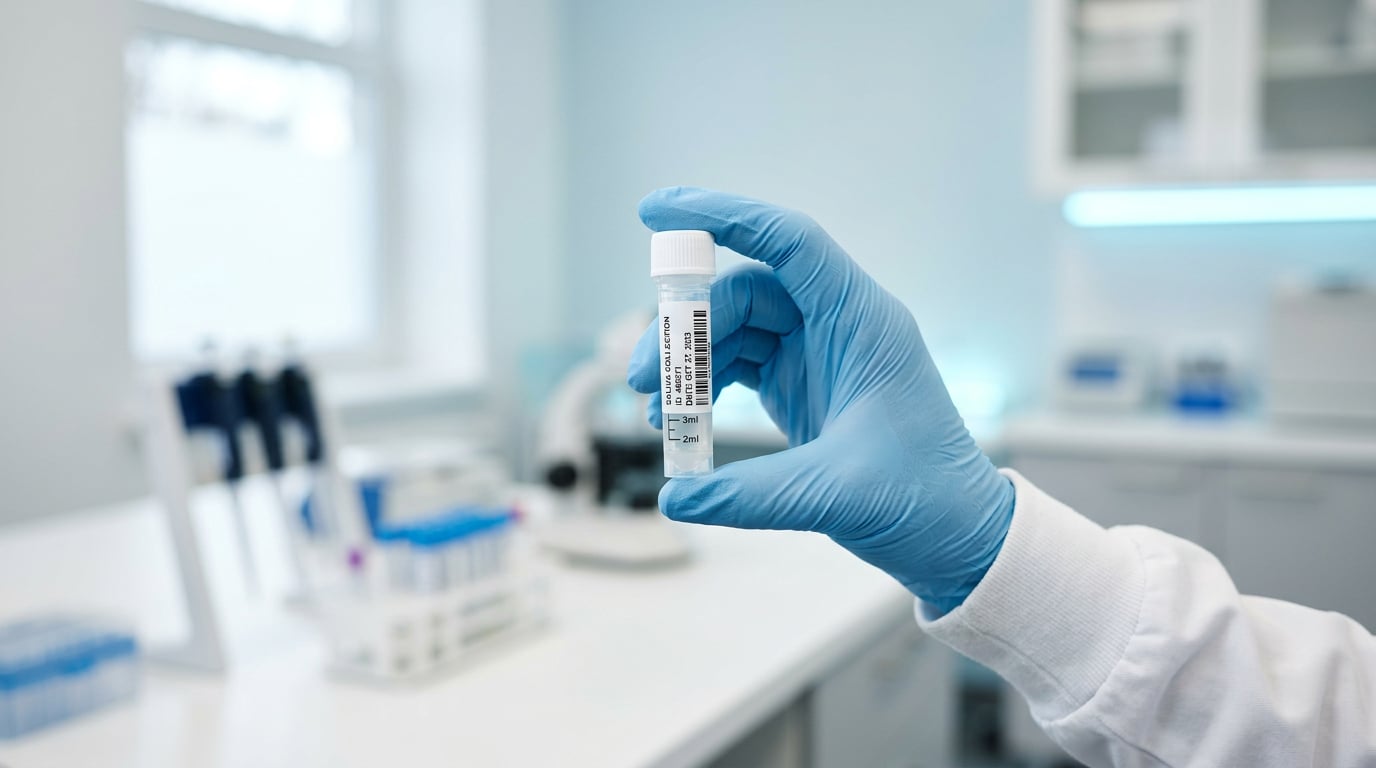
Imagine a single saliva sample at your routine cleaning flagging early gum disease, a cavity risk before it becomes a cavity, and even your risk for diabetes or heart disease — all without a needle, a lab visit, or a wait for results. That’s not a far-off concept anymore; it’s an active area of dental research, with real studies, real funding, and a real regulatory response already underway. Let me walk through what’s actually being developed, where the science genuinely stands, and what it would take before something like this shows up at your next cleaning.
Why saliva is being taken seriously as a diagnostic tool
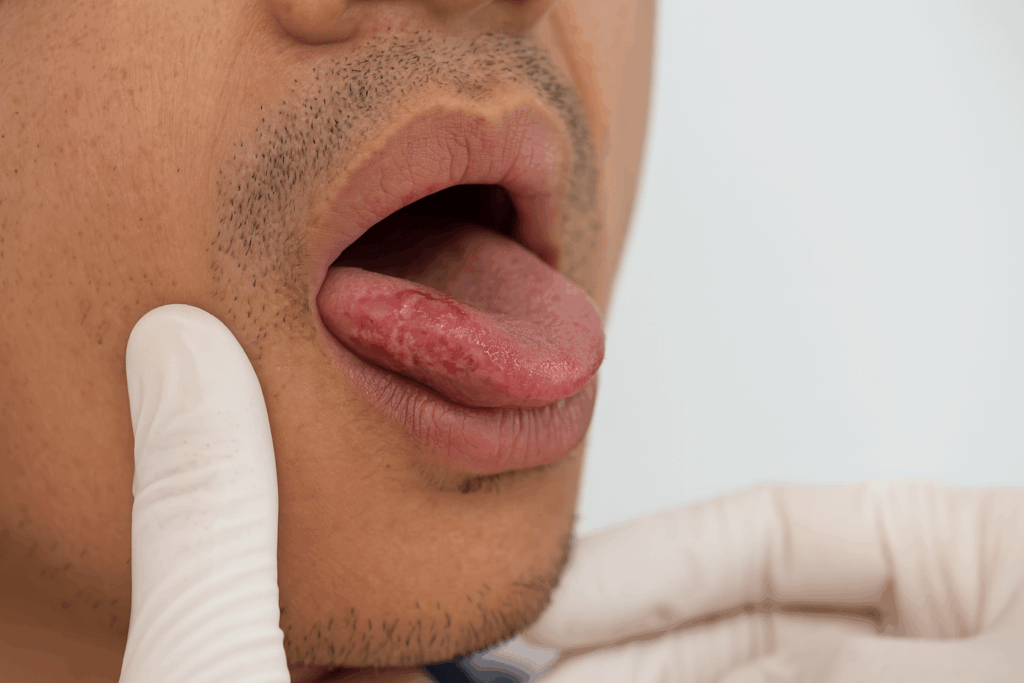
Saliva is a far richer biological sample than most patients realize — it contains proteins, enzymes, hormones, electrolytes, and microbial DNA that reflect what’s happening both in your mouth and throughout your body. Research has found that salivary glucose levels correlate well with blood glucose, that certain inflammatory markers in saliva track with cardiovascular risk, and that specific bacterial signatures in saliva can indicate active periodontal disease before it’s otherwise apparent. Saliva has even been explored as a detection medium for certain cancers, including some outside the mouth entirely, since tumor-related proteins and genetic material can circulate into saliva from elsewhere in the body.
The appeal is obvious: a saliva sample is collected non-invasively, doesn’t require a lab visit or a blood draw, and could theoretically be analyzed chairside during a routine visit you’re already having. Compare that to a standard blood panel, which requires a separate appointment, a needle, and a wait for lab results — a saliva-based alternative, if it reaches the reliability of those established tests, would meaningfully lower the barrier to routine screening for both dental and certain systemic risk factors. The limiting factor historically hasn’t been the idea — it’s been the difficulty of reliably interpreting such a biologically complex, variable sample with enough precision to trust clinically.
Where artificial intelligence actually comes in
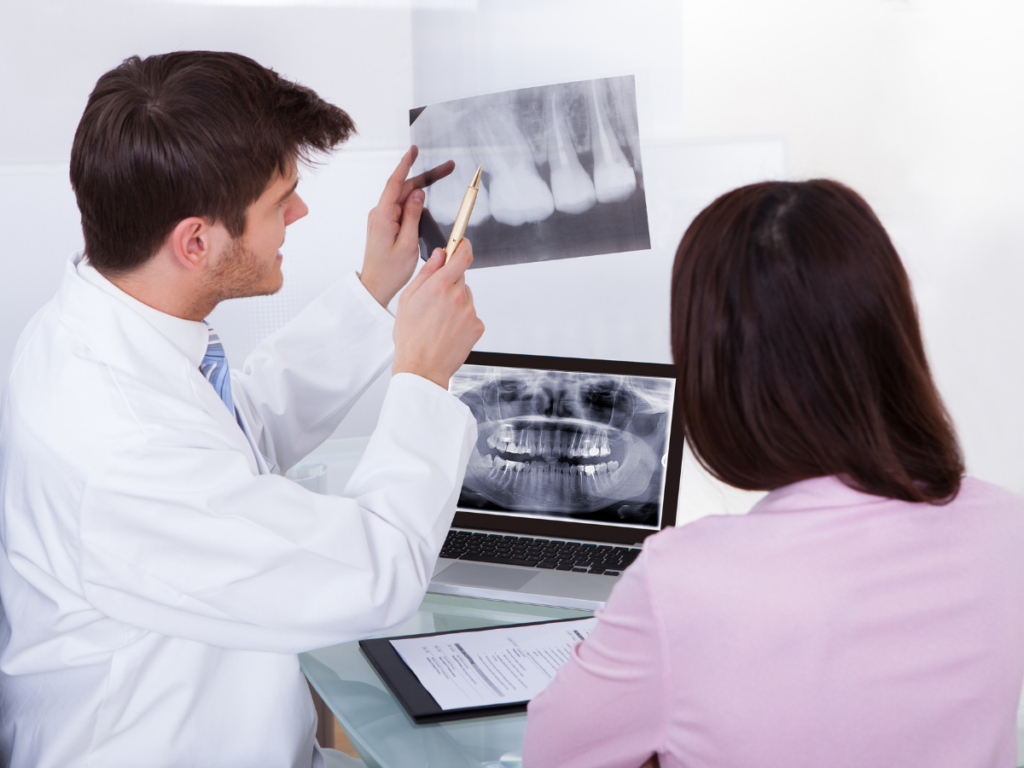
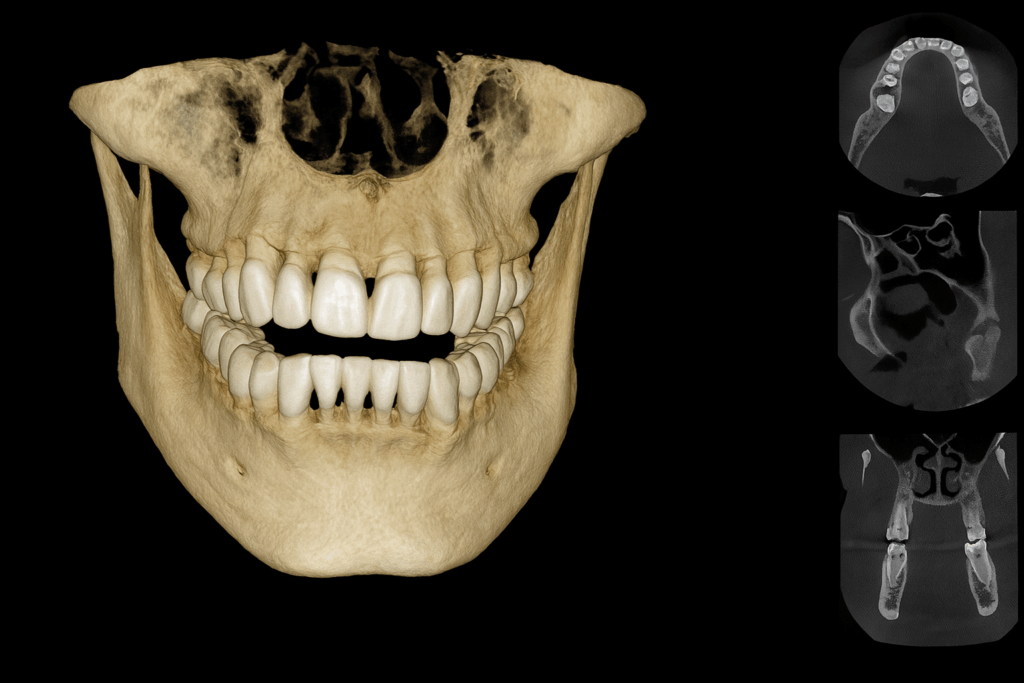
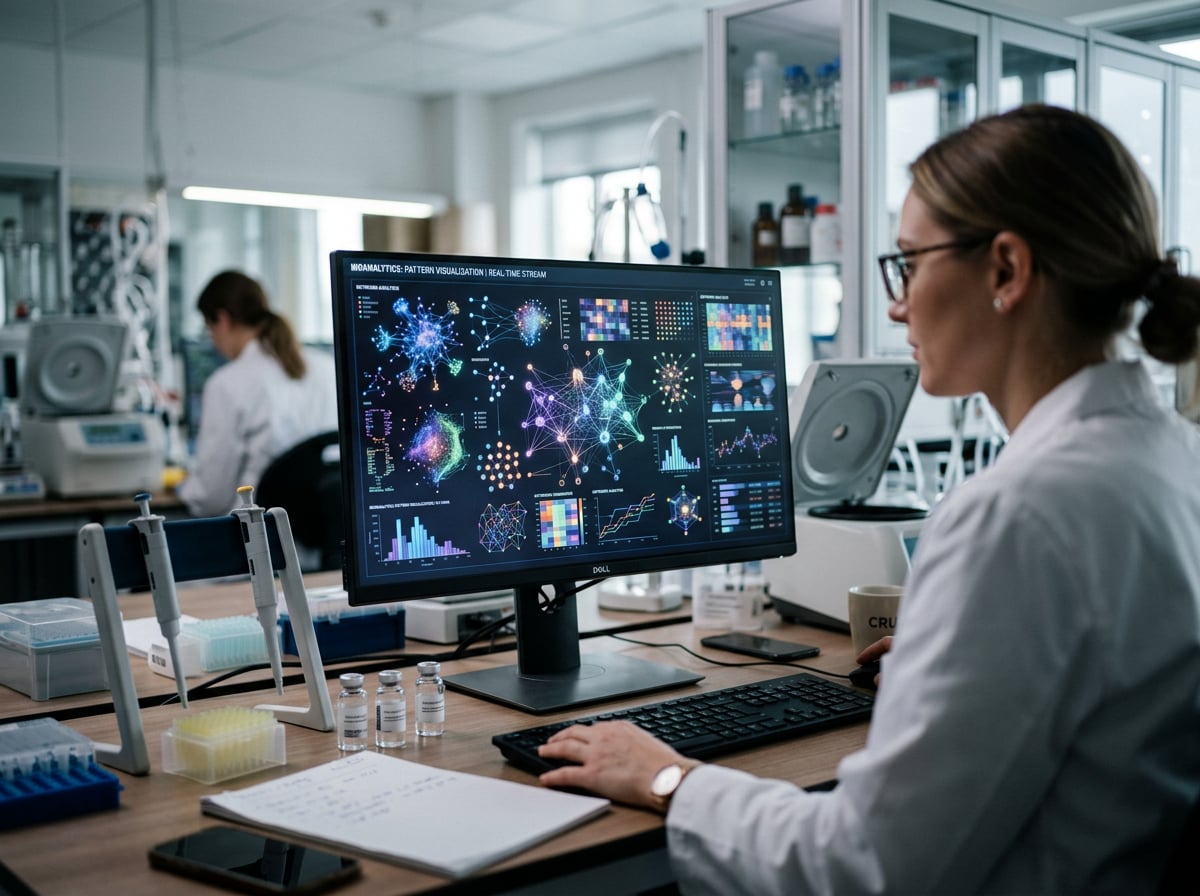
This is the piece that’s changed recently. Saliva’s biological complexity — the sheer number of proteins, bacteria, and chemical signals present at once — has made it genuinely difficult to interpret with traditional lab methods alone. Machine learning models are now being trained specifically to recognize patterns across that complexity that a standard test would miss, and to do so consistently despite the natural variability in saliva composition from sample to sample and person to person. One current research effort, a project known as SALIENCE, is combining an electrochemical sensor platform with AI-driven interpretation specifically to detect periodontitis from saliva samples, aiming to distinguish patients with active gum disease from healthy controls based on biochemical patterns rather than a visual exam alone. Separately, researchers including a dental AI lab at Tufts University are developing models that analyze the salivary microbiome to help predict diabetes risk and severity, and other AI models are being trained to read dental X-rays and flag areas worth a closer look before the dentist reviews them — a related but distinct application of the same underlying idea: using AI to catch patterns in dental data that are easy for a human reviewer to miss, especially across a high volume of routine images.
Did You Know
Research shows that salivary glucose levels correlate meaningfully with blood glucose, and specific bacterial signatures in saliva can signal active gum disease before it becomes clinically obvious. Combined with AI’s ability to interpret complex biological patterns, this is the foundation researchers are building toward: a single non-invasive sample doing the work of several separate tests.
Questions this research tends to raise
“Could this replace my dentist’s exam entirely?” No, and none of the researchers working on this are positioning it that way. The stated goal across this research is a tool that supports and speeds up diagnosis alongside a clinician’s judgment, not a replacement for a trained professional’s exam.
“Is any version of this available to try right now?” Not as a standard clinical offering. What exists currently are research studies, pilot programs, and technology at various early stages of validation — not something you can request at a typical dental visit today.
“Why does saliva work for systemic conditions, not just dental ones?” Saliva isn’t produced in isolation from the rest of your body — it reflects circulating substances from your bloodstream and immune system, which is why markers for conditions like diabetes and cardiovascular inflammation show up in it, not just substances originating in your mouth.
“Is this connected to the oral-systemic health research covered elsewhere?” Yes, directly. This saliva and AI research is, in many ways, the diagnostic side of the same broader story — the growing body of evidence that your mouth and the rest of your body are more connected than dentistry has historically treated them, discussed at more length in other research covered on this blog.
“What would need to happen before I’d actually see this at a dental visit?” Larger validation studies across more diverse patient populations, regulatory approval for any diagnostic device or test making clinical claims, and enough real-world testing to earn the confidence of practicing dentists — all of which takes meaningfully longer than the initial promising study results suggest.
A sign this is moving from research to mainstream attention
Regulatory and professional bodies don’t typically respond to speculative research — they respond when a trend has enough substance to require guidance. In January 2026, the California Dental Board announced that starting with the 2027 renewal cycle, dentists will be required to complete continuing education specifically covering oral-systemic health connections. A separate paper published in the British Dental Journal in February 2026 called for stronger collaboration between medical and dental professionals to address the broader burden of preventable oral disease. Neither of these is evidence that saliva-based AI diagnostics are ready for your next cleaning, but both are a signal that the underlying idea — the mouth as a genuine diagnostic window into the rest of the body — is being taken seriously enough to shape professional requirements, not just research papers.
Worth Knowing
Most of the research described here is still in early stages — small studies, proof-of-concept trials, and technology still being validated before wider clinical use. One salivary AI diagnostic project, for example, has completed a study confirming around 90% accuracy on a limited patient dataset, which is a genuinely promising early result, not a finished, widely available clinical test. This is meaningfully different from a technology ready to replace your dentist’s exam next visit.
What this could realistically mean for patients, eventually
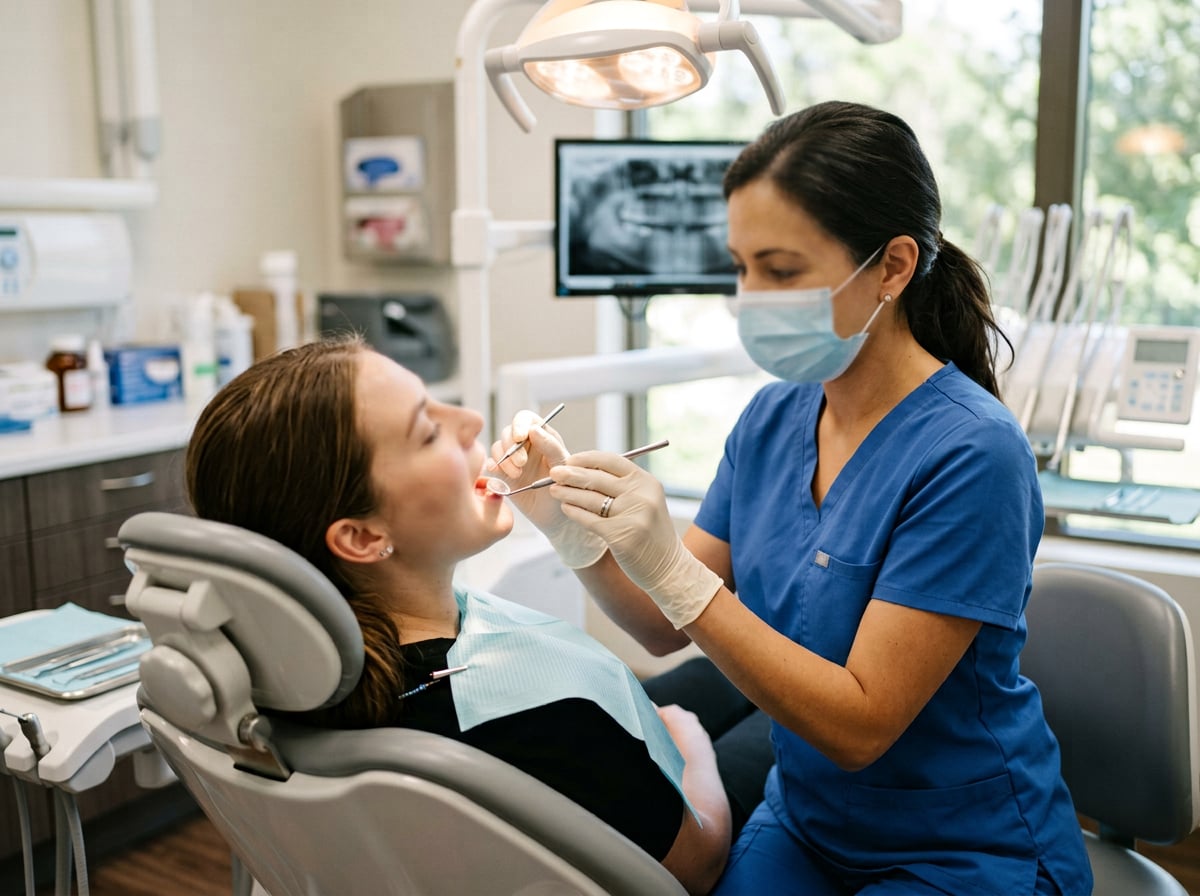
If this research continues to mature, the eventual goal is a chairside test — done during a routine cleaning, with results in minutes — that flags early caries risk, early periodontal changes, and potentially relevant systemic risk factors like elevated glucose, all from one sample. For a condition like periodontitis, which the CDC estimates affects nearly half of adults over 30 and progresses silently in its early stages, a reliable early-warning tool integrated into a routine visit could meaningfully shift how early gum disease actually gets caught, compared to relying on symptoms or even standard periodontal probing alone. The broader vision researchers describe goes beyond dentistry entirely: a dental visit that also functions as a low-friction touchpoint for catching early signs of diabetes or cardiovascular risk, at a cadence — every six months for many patients — that’s often more frequent than some people’s contact with a primary care physician.
AI-assisted X-ray review is somewhat further along in real-world testing than salivary diagnostics specifically, with published research already evaluating its diagnostic accuracy and cost-effectiveness as a second set of eyes alongside a dentist’s own review, rather than a replacement for it. Early economic analyses suggest this kind of AI-assisted screening could be cost-effective at a population level, though that research itself is recent enough that conclusions are still developing.
| Method | What it detects | Availability today | Evidence stage |
|---|---|---|---|
| Visual exam & periodontal probing | Visible decay, gum inflammation, pocket depths | Standard at every checkup Available now |
Decades of established clinical use |
| X-rays | Decay between teeth, bone loss, infections | Standard at most practices Available now |
Decades of established clinical use |
| AI-assisted X-ray review | Flags areas for closer dentist review | Emerging in some practices | Active real-world testing Advancing |
| AI + salivary biomarker testing | Early periodontitis, caries risk, possible systemic markers | Research and pilot studies only | Early-stage, small studies Years from routine use |
Why this shouldn’t change anything about your care right now
Everything described above is still, to varying degrees, in the research and early-validation phase. None of it is an available chairside test at a typical dental practice today, and the timeline from a promising small study to a validated, widely available clinical tool is typically measured in years, not months. The fundamentals of dental care that actually prevent and catch problems today — brushing and flossing consistently, keeping up with checkups that include real periodontal measurements and X-rays when indicated, and addressing issues early rather than waiting — remain exactly as important as they were before any of this research existed. This is genuinely exciting science to watch, not a reason to expect your next cleaning to look meaningfully different yet.
How today’s methods compare to what’s being developed
The idea of a single saliva sample flagging both dental and systemic health risks, interpreted by AI trained to catch patterns humans might miss, is a genuinely credible direction for where dental diagnostics are heading — backed by real research, real institutional attention, and a regulatory response that suggests professionals are taking it seriously rather than dismissing it as a novelty. It’s also, right now, still research: small studies, early validation, and a meaningful distance from your next routine cleaning. Worth following with real curiosity, and I’m always glad to talk through where this kind of research actually stands if you’re interested. Not yet a reason to expect anything different at your next appointment, where the tools that actually catch problems today — a thorough exam, proper periodontal charting, and X-rays when indicated — remain the standard worth relying on.
Washington, PA & Pittsburgh
Want a thorough, up-to-date checkup today?
Dr. Wakim uses the proven diagnostic tools available right now to catch problems early — no need to wait for tomorrow’s technology.

Dr. Elizabeth Wakim, DDS, is the founder of Enhanced Wellness. She’s a compassionate and highly-regarded dentist with her own practice in Washington, Pennsylvania, known for providing modern, comprehensive dental care, botox and facial aesthetics with a focus on patient comfort and anxiety reduction, serving general, cosmetic, and pediatric dentistry needs.