I Have a Cracked Tooth — Now What? A Dentist Explains Your Options
A cracked tooth can range from a harmless surface line to a serious fracture — and the pain doesn’t always tell you which. Dr. Liza Wakim explains every type of crack, what treatment looks like, and why timing matters.

A cracked tooth is one of those problems that tends to arrive without warning. One bite of something hard, one moment of grinding a little too aggressively, and suddenly there’s a sharp sensation — or, sometimes, nothing at all. Which is almost more unsettling, because now you’re wondering how serious it is.
The honest answer is: it depends on the crack. Cracked teeth exist on a spectrum from a superficial surface line that never causes a problem to a split that extends through the root and makes the tooth unsalvageable. Where your tooth falls on that spectrum determines everything — how urgently you need to be seen, what treatment looks like, and what the long-term outcome is likely to be.
Here’s how I explain it to patients.
Why cracked teeth are harder to diagnose than they sound
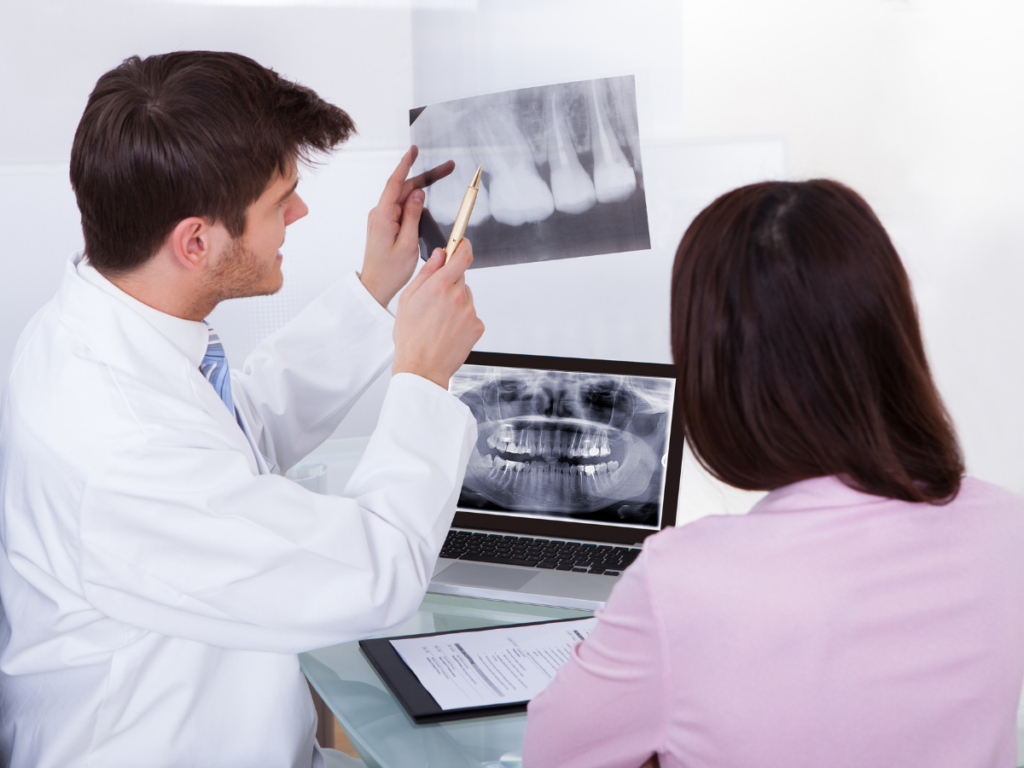
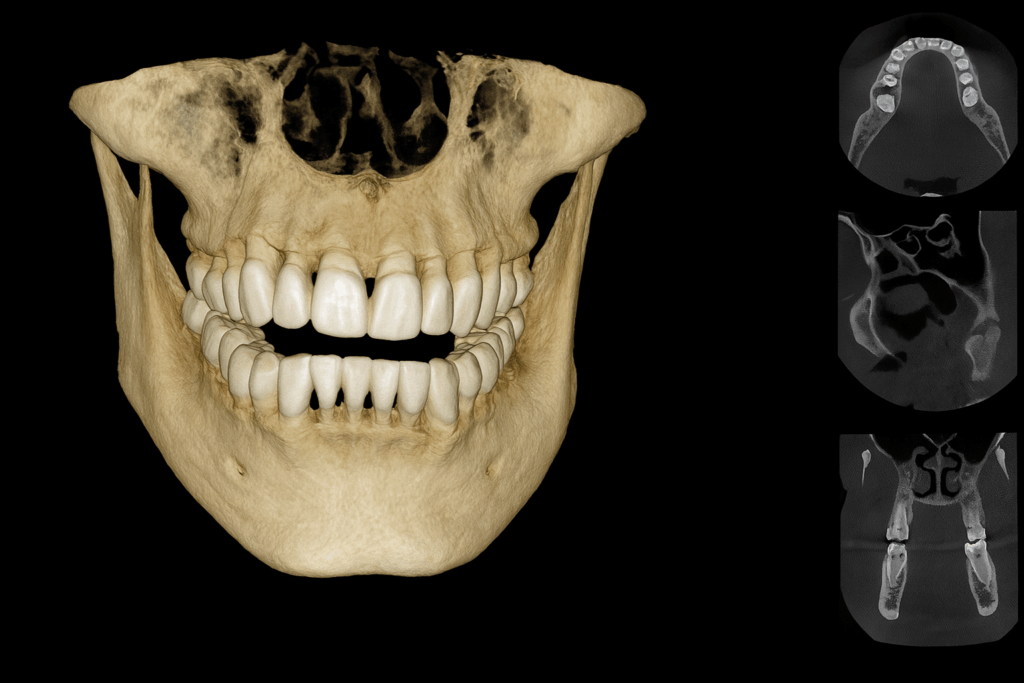
Before getting to treatment options, it’s worth understanding something that surprises a lot of patients: cracks are genuinely difficult to detect. They don’t always show up on X-rays — X-rays show bone and dense structures well, but hairline cracks in tooth enamel and dentin often don’t produce a visible image. Many cracks are diagnosed based on symptoms, clinical examination, and a test called transillumination — shining a bright light through the tooth to reveal fracture lines — rather than imaging alone.
This is why I take cracked tooth complaints seriously even when I can’t immediately confirm a crack on film. A crack that’s missed and left untreated can extend further, reach the nerve, and turn a problem that could have been resolved with a crown into one that requires a root canal — or, at worst, an extraction.
The types of cracks — and what each means
Craze lines. These are tiny, superficial cracks in the outer enamel layer that affect appearance only. They don’t extend into the dentin or pulp, they don’t cause pain, and they don’t require treatment — just monitoring. Almost every adult has some craze lines; they’re a normal result of aging and use. If a patient asks me about small lines they can see in their teeth, this is usually what they’re looking at.
A fractured cusp. A cusp is one of the raised points on the chewing surface of a tooth. When a cusp fractures — often around an existing large filling — a piece of the tooth breaks off. This can cause sharp pain when biting or sensitivity to temperature, but because the fracture usually doesn’t extend into the pulp, it’s often treatable with a crown. The broken piece is removed and a crown placed to protect and restore the tooth.
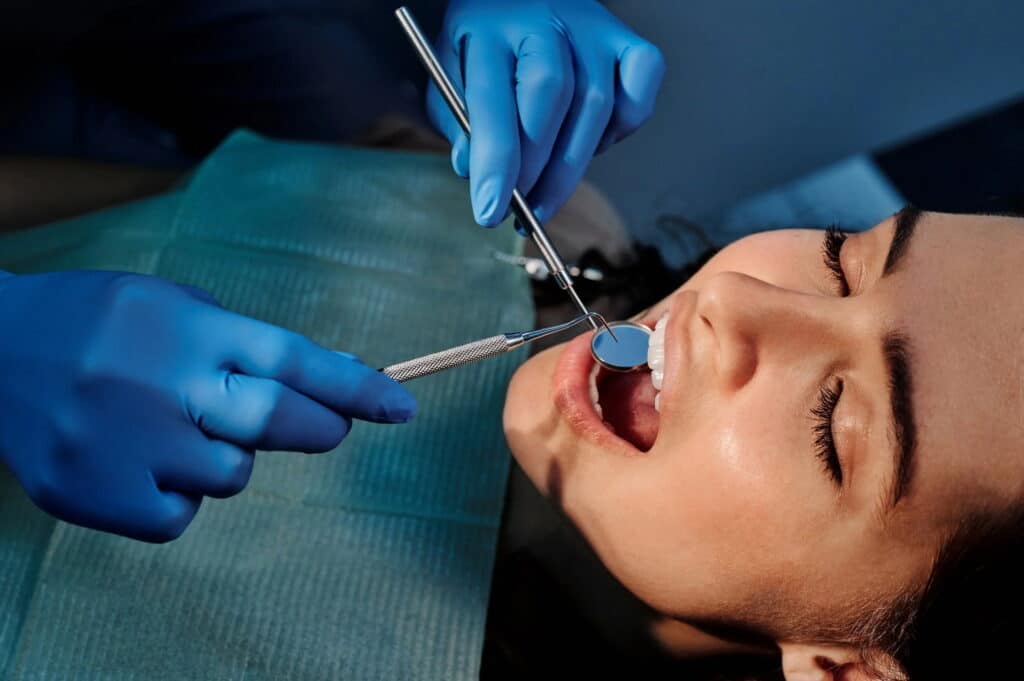
A cracked tooth. This is the category that causes the most confusion — and the most anxiety — because the symptoms can be intermittent and hard to pin down. A crack that extends from the chewing surface down toward the root may or may not have reached the pulp (the nerve and blood vessel tissue at the center of the tooth). Symptoms typically include sharp pain when biting or releasing biting pressure — sometimes called “rebound pain” — and sensitivity to temperature that lingers after the stimulus is removed.
If the crack hasn’t reached the pulp, a crown placed promptly can often stabilize the tooth and prevent further extension. If the crack has reached the pulp, a root canal is needed before the crown. If the crack has extended vertically into the root, the prognosis changes significantly — which is why timing matters.
A split tooth. This is what happens when a cracked tooth that wasn’t treated in time progresses to the point where the tooth has separated into two segments. A split tooth generally cannot be saved intact. Depending on where the split is, it may be possible to save part of the tooth — but often the entire tooth needs to be extracted and replaced.
A vertical root fracture. These are cracks that begin at the root and extend upward — the opposite direction of most cracks, which start at the crown and extend downward. They’re often asymptomatic for a long time and are typically discovered incidentally on X-rays or during treatment for what seems like a recurring infection. They almost always require extraction.
Why a cracked tooth can feel fine — until it doesn’t
This is the thing I most want patients to understand, because it’s the source of a lot of delayed treatment that leads to worse outcomes.
A crack doesn’t hurt in proportion to its severity. A tooth can have a crack extending close to the pulp and produce only occasional, mild discomfort. A tooth with a craze line — clinically insignificant — might create visible anxiety just from its appearance. The absence of significant pain doesn’t mean the situation isn’t progressing.
Cracks can also change. A hairline crack that’s been stable for months can, with one ill-timed bite, extend significantly. The teeth that crack most dramatically are often the ones patients tell me “had been a little sensitive for a while but I thought it would go away.”
It doesn’t go away. It waits.
What treatment looks like depending on crack type
Craze lines: No treatment needed. Monitoring at regular appointments.
Fractured cusp: Removal of the broken piece and a crown to restore the tooth. If decay has developed under the cusp, that’s addressed at the same time. Prognosis is generally good.
Cracked tooth without pulp involvement: A crown placed promptly to stabilize the crack and prevent further extension. The crown bonds the tooth structure together and protects it from the biting forces that would otherwise drive the crack deeper. Prognosis is good to excellent if treated before the crack reaches the pulp.
Cracked tooth with pulp involvement: Root canal therapy followed by a crown. The root canal removes the infected or inflamed pulp tissue, and the crown protects the restored tooth. Prognosis is good in most cases, though a crack that has extended close to the root is monitored carefully.
Split tooth: Extraction of the affected portion or the full tooth, depending on the split’s location. Replacement options — implant, bridge — are discussed at the time of extraction or planned in advance.
Vertical root fracture: Usually extraction. Replacement with an implant is typically the recommended long-term solution.
What to do right now if you think you have a cracked tooth
If you’re in significant pain, have swelling, or suspect an abscess: call immediately. This is an urgent situation.
If the pain is manageable and there’s no swelling: call your dentist as soon as possible to be seen within one to two days. Avoid chewing on that side. Stick to soft foods. Take ibuprofen for pain if needed.
If you noticed something that looks like a crack but feel no pain: still worth calling to schedule an evaluation. As I’ve said — the absence of pain doesn’t confirm the absence of a problem.
While you wait: avoid hard foods, chewing gum, and anything that puts biting pressure on the tooth. Don’t try to probe the crack yourself. If a piece has broken off and the area is sharp, a small piece of dental wax (available at pharmacies) can protect the inside of your cheek while you wait.
The earlier, the better — but it’s not too late
The theme across almost every crack presentation is the same: earlier treatment means more options and better outcomes. A cracked tooth treated with a crown before it reaches the pulp is a dramatically simpler and less expensive problem than one that’s waited until root canal therapy is needed — or worse, until the tooth is unsalvageable.
If you’ve been aware of something that might be a crack and have been hoping it resolves, I’d gently encourage you to come in. The crack isn’t getting better on its own. What changes is how far it’s gotten by the time it’s addressed.
Ready to find out what you’re dealing with?
If you’re in the Washington, PA or Pittsburgh area and think you may have a cracked tooth, come in and let’s take a look. I’ll do a thorough evaluation — including transillumination and any appropriate imaging — and give you a clear picture of what’s going on and what your options are.
Washington, PA & Pittsburgh
Think you might have a cracked tooth?
Dr. Liza will do a thorough evaluation — including transillumination and imaging — and tell you clearly what’s going on and what your options are. The earlier it’s caught, the more options you have.

Dr. Elizabeth Wakim, DDS, is the founder of Enhanced Wellness. She’s a compassionate and highly-regarded dentist with her own practice in Washington, Pennsylvania, known for providing modern, comprehensive dental care, botox and facial aesthetics with a focus on patient comfort and anxiety reduction, serving general, cosmetic, and pediatric dentistry needs.