How Do I Know If I Need a Root Canal? The Signs Patients Often Miss
Pain that lingers after cold, a pimple on the gum, a tooth that suddenly stopped hurting — Dr. Liza Wakim explains the root canal warning signs patients most often miss and when to call.
“Root canal” is one of those phrases that lands differently than almost anything else in dentistry. When a patient hears it, one of two things usually happens: either they catastrophize — assuming the worst before they know anything — or they dismiss — convincing themselves the tooth is probably fine and they should wait and see.
Both responses are understandable. Neither is helpful.
What I want for patients who are wondering whether they need a root canal is something in between: a clear understanding of what the warning signs actually are, so they can make an informed decision about whether to come in — rather than either spiraling or ignoring something that needs attention.
Here’s what I look for, and what you should pay attention to.
What a root canal is actually treating
Before the symptoms, a brief clarification on what the procedure actually addresses — because understanding this makes the warning signs make more sense.
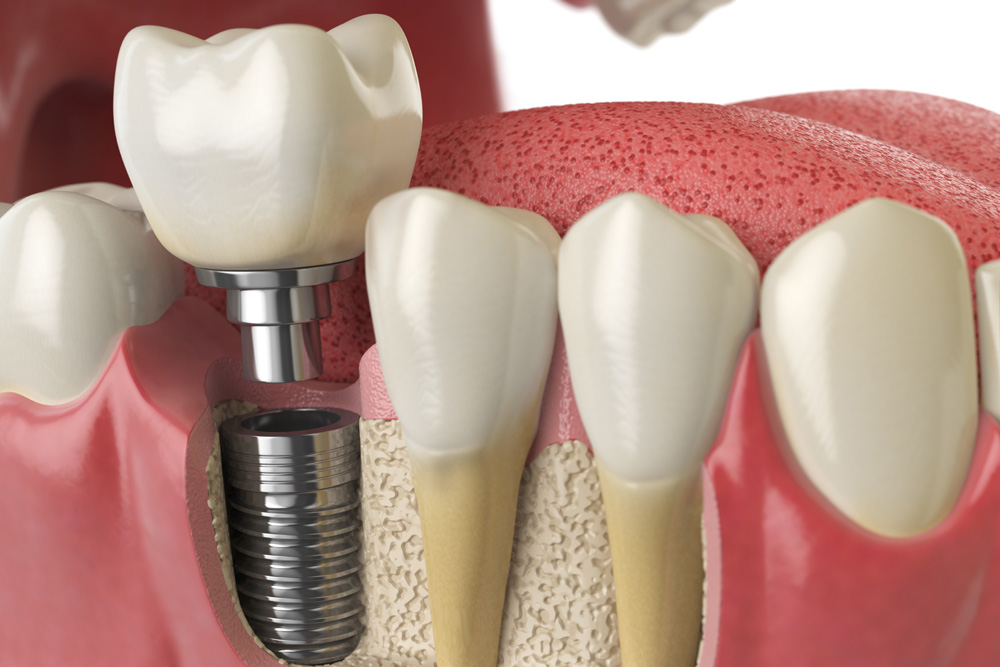
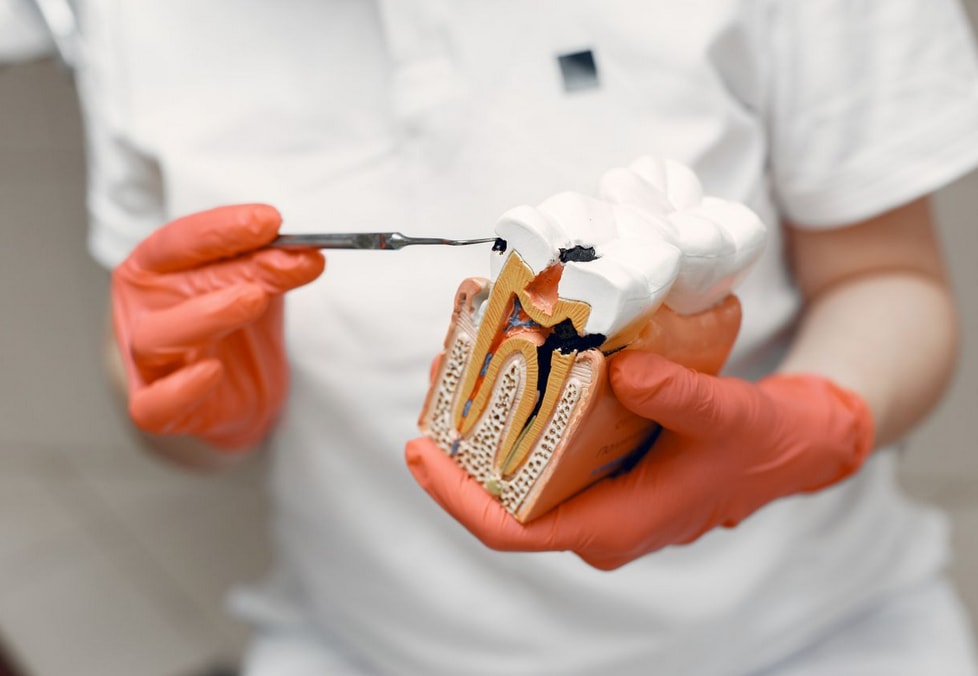
Inside every tooth, beneath the hard enamel and dentin layers, is a soft tissue called the pulp — a network of nerves, blood vessels, and connective tissue that runs through a channel called the root canal. When bacteria reach the pulp — through deep decay, a crack, a chip, or a failed restoration — the pulp becomes infected or inflamed. Left untreated, that infection can spread to the surrounding bone, cause an abscess, and in serious cases, spread further.
A root canal removes the infected or inflamed pulp tissue, cleans and shapes the canal, and seals it. The tooth’s structure is preserved — only the internal tissue is removed. A crown is typically placed afterward to protect the treated tooth.
The procedure treats an infection. The warning signs, therefore, are largely the signs of that infection developing — or of the pulp under stress before infection sets in.
The signs that suggest you may need a root canal
Note: a tooth can need a root canal with no symptoms at all. Regular X-rays catch what symptoms don’t announce.
Prolonged sensitivity to heat or cold. This is one of the most telling symptoms and one patients frequently dismiss. Temperature sensitivity that lingers — meaning the pain or discomfort continues for several seconds or minutes after you remove the hot or cold stimulus, rather than stopping when the stimulus is removed — suggests the pulp is inflamed. Normal teeth may be briefly sensitive to temperature; prolonged lingering sensitivity is different and worth taking seriously.
Spontaneous pain with no obvious trigger. A toothache that comes and goes without you doing anything — not triggered by eating, temperature, or pressure, just there — is a meaningful symptom. Spontaneous pain often indicates the pulp is actively inflamed or infected.
Severe pain when biting or chewing. Pain when you apply pressure to a specific tooth — not general jaw soreness, but localized pain when biting down — can indicate either a crack or pulp involvement. When it’s sharp and consistent on a particular tooth, it warrants evaluation.
Darkening of the tooth. A tooth that has changed color — becoming gray, brown, or noticeably darker than surrounding teeth — can indicate that the pulp tissue inside has died. This can happen without significant pain, which is why this visual sign matters even in the absence of symptoms.
A pimple on the gum. A small, recurring bump on the gum near a tooth — sometimes called a dental fistula or sinus tract — is a significant sign. It’s the infection draining through the gum tissue. It may appear and disappear, which patients sometimes interpret as the problem resolving. It isn’t resolving — it’s draining, which temporarily relieves pressure, but the infection is still there.
Swelling in the gum, jaw, or face. Any swelling in the soft tissue near a tooth is a sign of infection. Mild localized swelling may develop gradually; significant swelling — especially spreading to the jaw or face — is a dental emergency. If you have facial swelling with tooth pain, do not wait. Call immediately.
Significant, deep decay visible or felt. When decay has reached the point where you can see or feel a large cavity — particularly if the tooth is dark or the decay has been present for a long time without treatment — the pulp may be affected even without obvious symptoms. This is one of the cases where a patient genuinely doesn’t know they need a root canal until an X-ray or clinical exam reveals the extent of the problem.
Pain that was severe and has suddenly stopped. This is the one that catches patients most off guard, and it’s worth explaining clearly: when a tooth has been in significant pain and that pain suddenly and completely resolves, it does not mean the problem has gone away. It may mean the pulp has died — which stops the pain signals, but doesn’t stop the infection. A tooth that has stopped hurting after significant pain still needs evaluation.
Symptoms that don’t necessarily mean a root canal
Not every toothache requires a root canal, and I want to be clear about that because the fear of the procedure itself sometimes keeps patients from coming in to find out what’s actually going on.
Brief sensitivity to cold that passes quickly — a sharp sensation when you eat ice cream that resolves within a second or two — is often just dentinal sensitivity, not pulp involvement. It’s worth mentioning at your next appointment, but it’s not an emergency.
General gum soreness around multiple teeth — especially if you’ve been grinding or have been under stress — is more likely muscle and gum related than pulp related.
Sensitivity to sweet foods alone is more often a sign of early decay or exposed dentin than pulp involvement.
Pain that resolves completely after removing the stimulus — whether temperature or pressure — is typically a better sign than pain that lingers.
These symptoms are still worth mentioning to your dentist. But they don’t automatically signal a root canal.
Why the signs are sometimes absent altogether
This is the clinically important point that I want patients to understand: a tooth can need a root canal with no symptoms whatsoever.
Pulp death can occur without the dramatic symptoms described above — particularly in teeth that have had previous dental work (large fillings, old crowns) that changed how the tooth responds to stimuli. In these cases, the problem is often found on routine X-rays, where bone changes around the root tip signal an infection the patient has never felt.
This is one of the reasons regular dental visits and X-rays aren’t just about cleaning and checking for cavities. They’re how we catch the things that don’t announce themselves.
When to call
If you’re experiencing any of the following, call your dentist promptly — within a day or two at most:
- Lingering temperature sensitivity that doesn’t pass within a few seconds
- Spontaneous toothache with no obvious cause
- A pimple on the gum near a specific tooth
- Tooth darkening
- Pain on biting a specific tooth
If you have significant swelling, fever, or pain that is severe and spreading, call immediately — this is an urgent situation.
And if you’ve been putting off addressing a tooth that you know has something going on — decay, a crack, sensitivity that’s been there for a while — come in. The sooner a problem is evaluated, the more options there are for treating it.
Ready to find out what’s actually going on?
If any of the signs above sound familiar and you’re in the Washington, PA or Pittsburgh area, come in and let me take a look. I’ll do a thorough evaluation and give you a clear, honest answer — including, if it turns out you do need a root canal, exactly what that process involves and what to expect.
Washington, PA & Pittsburgh
Something going on with a tooth and not sure what it is?
Dr. Liza will do a thorough evaluation and give you a clear answer — including whether you actually need a root canal, or whether what’s happening is something simpler.

Dr. Elizabeth Wakim, DDS, is the founder of Enhanced Wellness. She’s a compassionate and highly-regarded dentist with her own practice in Washington, Pennsylvania, known for providing modern, comprehensive dental care, botox and facial aesthetics with a focus on patient comfort and anxiety reduction, serving general, cosmetic, and pediatric dentistry needs.