How Much Does a Dental Crown Cost? Zirconia, Porcelain and Same-Day Crowns, With and Without Insurance
Been told you need a crown and wondering what it will cost? Dr. Liza Wakim explains crown prices, how materials compare, what else can show up on the bill, and what insurance usually covers.

When I tell a patient a tooth needs a crown, the next question is almost always about cost, and whether it really needs one. Both are fair questions. A crown is an investment, but it often protects a tooth that would otherwise need a root canal, extraction or implant later.
In this post I will share our price range, explain how materials compare, and walk through what can change the total.
The short version
- At our practice, crowns generally range from about $1,000 to $1,800 per tooth.
- Price depends on the material, whether you need extra work like a buildup or root canal, and your insurance.
- Many dental plans cover part of a crown, often as a major service.
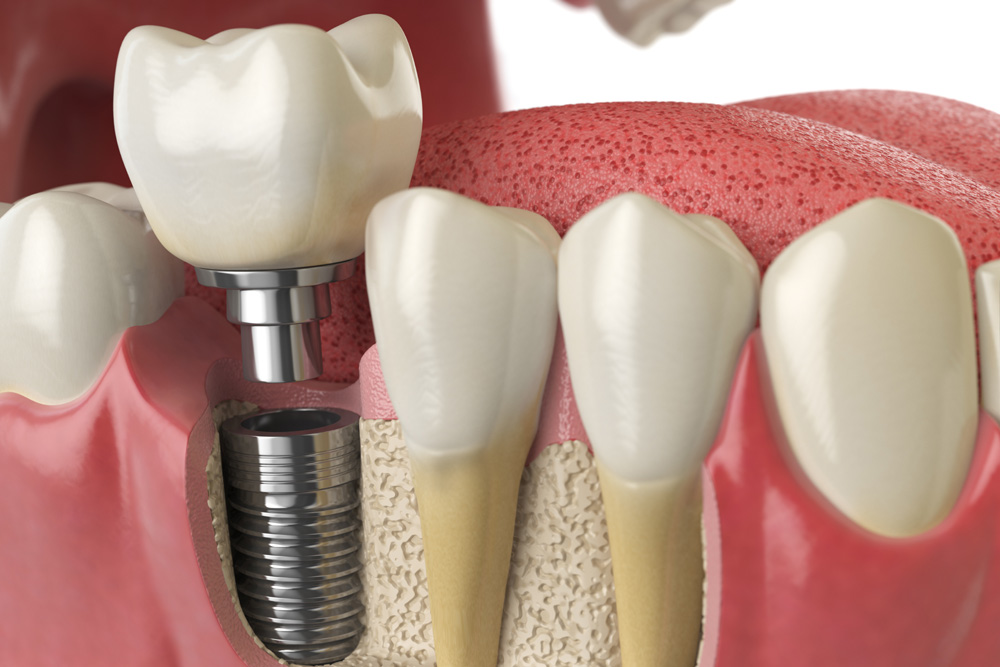
- A crown is usually far less expensive than replacing a lost tooth with an implant.
How much a crown costs (quick answer)
At our office in Washington, PA, a dental crown generally costs between $1,000 and $1,800 per tooth, depending on the material and the tooth. Your exact price depends on your exam and X-rays. See our dental crowns page for current information.
Crown materials compared
The ADA explains that crowns can be made from several materials, each with different strengths and looks:

The right material depends on where the tooth is, how much force it takes, and how important appearance is. If you grind your teeth, I usually lean toward stronger materials. The ADA’s MouthHealthy guide to crowns explains when crowns are needed and how they are made.
What else can be on the bill
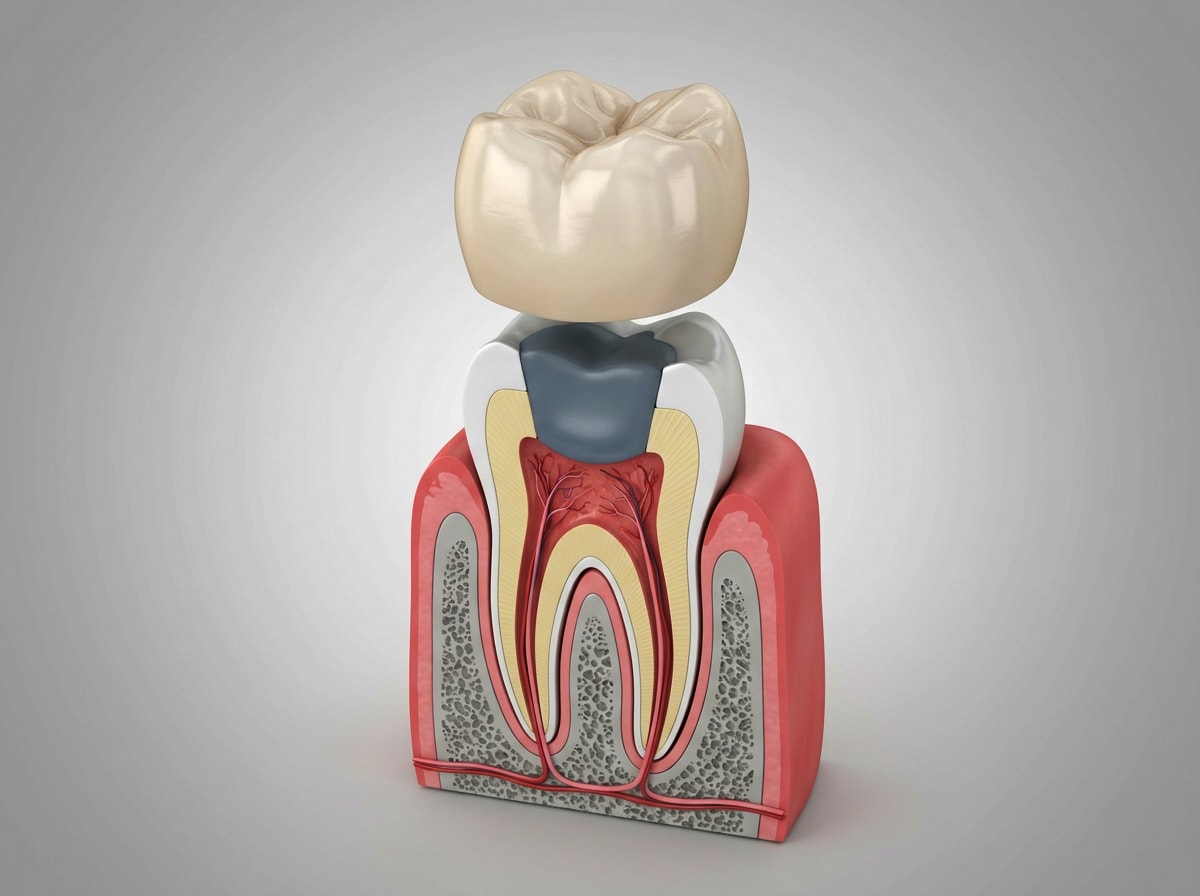
- Exam and X-rays to diagnose the tooth
- Core buildup: if a lot of tooth is missing, it is rebuilt before the crown is placed so the crown has something solid to hold on to
- Root canal: if the nerve is infected or damaged
- Temporary crown: usually included when a crown takes two visits
If your temporary crown comes off between visits, my post on what to do when a temporary crown falls off walks you through it.
Crown cost with insurance vs. without
Many dental insurance plans cover crowns as a major service, often paying a percentage of the cost after your deductible, up to your annual maximum. Some plans have waiting periods for major work. Without insurance, a dental membership plan may lower the cost. Ask us to check your benefits before treatment so there are no surprises.
Same-day crowns vs. traditional crowns

Same-day crowns save time and skip the temporary. Whether the price differs depends on the case. My post on whether same-day crowns are more expensive or just more convenient compares them, and our same-day crowns page explains the process.
How long crowns last, and cost per year
With good care, crowns can last many years. Research on crown longevity published in JADA shows that survival depends on factors like the material, the tooth and the patient’s habits. Grinding, chewing ice and skipping cleanings shorten a crown’s life. Thinking in cost per year often puts the price in perspective, especially compared with replacing a lost tooth. My post on how long dental crowns last explains what affects lifespan.
Ways to pay
- Dental insurance benefits
- HSA or FSA funds
- A dental membership plan if you are uninsured
- Financing and payment plans; see our finance and insurance page
When to see a dentist
Book a visit if you have a cracked or broken tooth, a very large old filling, pain when biting, or a tooth that has had a root canal and is not yet protected. Getting a crown at the right time can prevent a much bigger and more expensive problem later. My post on whether you need a crown after a root canal explains that decision.
Frequently asked questions
How much does a dental crown cost without insurance?
At our practice, crowns generally range from about $1,000 to $1,800 per tooth without insurance, depending on the material and the tooth. Additional work like a core buildup or root canal adds to the total. Your dentist will give you an itemized quote after an exam.
Does insurance cover crowns?
Many dental plans cover crowns as a major service, paying a percentage of the cost after your deductible, up to your annual maximum. Coverage varies, and some plans have waiting periods. Your dental office can check your benefits before treatment.
Which crown material is best?
It depends on the tooth. Zirconia is very strong and often chosen for back teeth and people who grind. Lithium disilicate (Emax) and porcelain-fused-to-zirconia look very natural and are often used for front teeth. Your dentist will recommend a material based on strength and appearance needs.
Are same-day crowns cheaper?
Not always. Same-day crowns save a second visit and the temporary crown, but the price depends on the case and the material. Ask your dentist to compare same-day and traditional options for your tooth.
Why do I need a buildup before my crown?
If a lot of the tooth is missing because of decay, a large filling or a break, a core buildup rebuilds it so the crown has a solid foundation. Without it, the crown may not stay in place or protect the tooth properly.
Is a crown worth it?
Often, yes. A crown can protect a cracked, weak or root-canal-treated tooth and help you keep it for many years. Losing the tooth and replacing it with an implant or bridge usually costs much more.
Get a clear crown quote
If you are in or around Washington, PA, you can request an appointment at Enhanced Wellness or call us at (724) 225-5070. Prices are estimates and can change; your exact quote depends on your exam.
Sources
- American Dental Association. Materials for indirect restorations.
- American Dental Association, MouthHealthy. Crowns.
- Crown longevity study. Journal of the American Dental Association. 2021.
- Enhanced Wellness. Dental crowns (practice price range).
Need a crown?
Dr. Liza will explain which material fits your tooth, give you an itemized quote, and check your insurance benefits before treatment so there are no surprises.

Dr. Elizabeth Wakim, DDS, is the founder of Enhanced Wellness. She’s a compassionate and highly-regarded dentist with her own practice in Washington, Pennsylvania, known for providing modern, comprehensive dental care, botox and facial aesthetics with a focus on patient comfort and anxiety reduction, serving general, cosmetic, and pediatric dentistry needs.