Do I Need a Crown After a Root Canal? The Honest Answer
Usually yes — and the reason matters. Dr. Liza Wakim explains why a crown is typically necessary after a root canal, when it might not be, and what happens if you skip it.

After a patient is told they need a root canal, the next question I hear almost as often as “will it hurt?” is: “Do I also need a crown?”
The short answer is: usually yes, and for good reason. But the longer answer has nuance worth understanding — because the recommendation isn’t arbitrary, and knowing why a crown is typically necessary after a root canal makes it easier to follow through with completing the treatment.
What the root canal does to the tooth’s structure
To understand why crowns are so commonly recommended, it helps to understand what a root canal changes about the tooth.
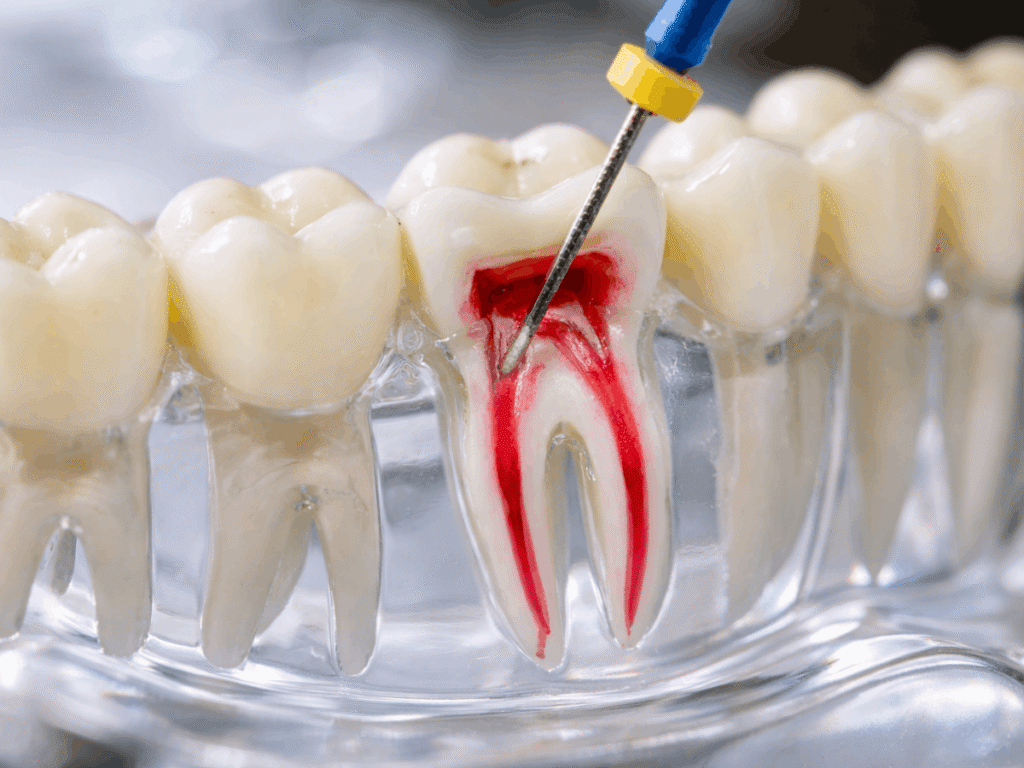
A root canal removes the pulp tissue — the nerve and blood supply — from inside the tooth. Without that blood supply, the tooth becomes more brittle over time. The internal moisture content changes, the collagen structure of the dentin degrades gradually, and the tooth becomes more susceptible to fracture under normal biting forces than a vital tooth would be.
Beyond the biological changes, the procedure itself alters the physical structure of the tooth. An access opening is created through the crown to reach the pulp chamber. In back teeth especially — molars and premolars that bear the greatest chewing force — this opening, combined with any existing cavity or previous restorations, can leave the tooth significantly weakened.
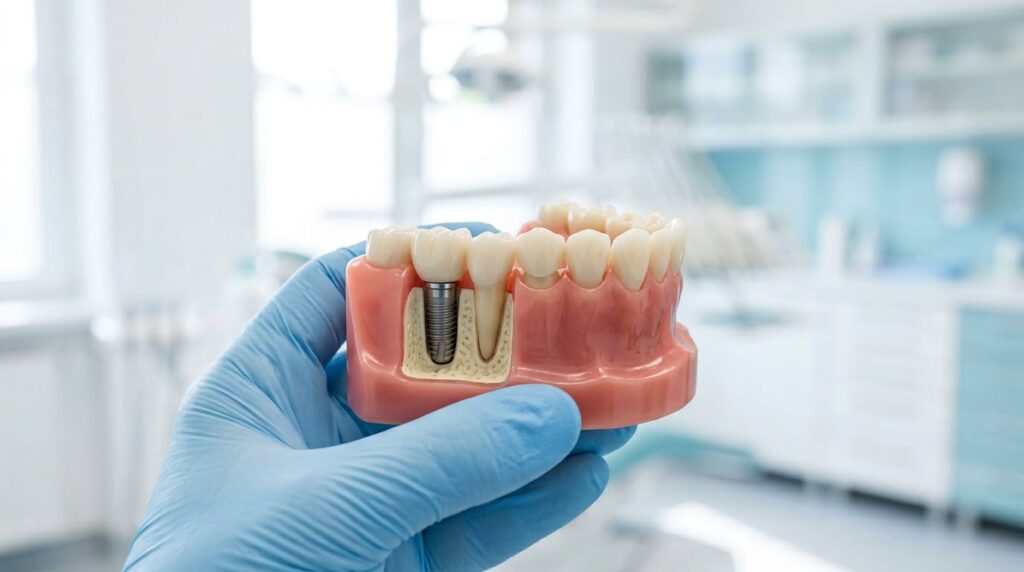
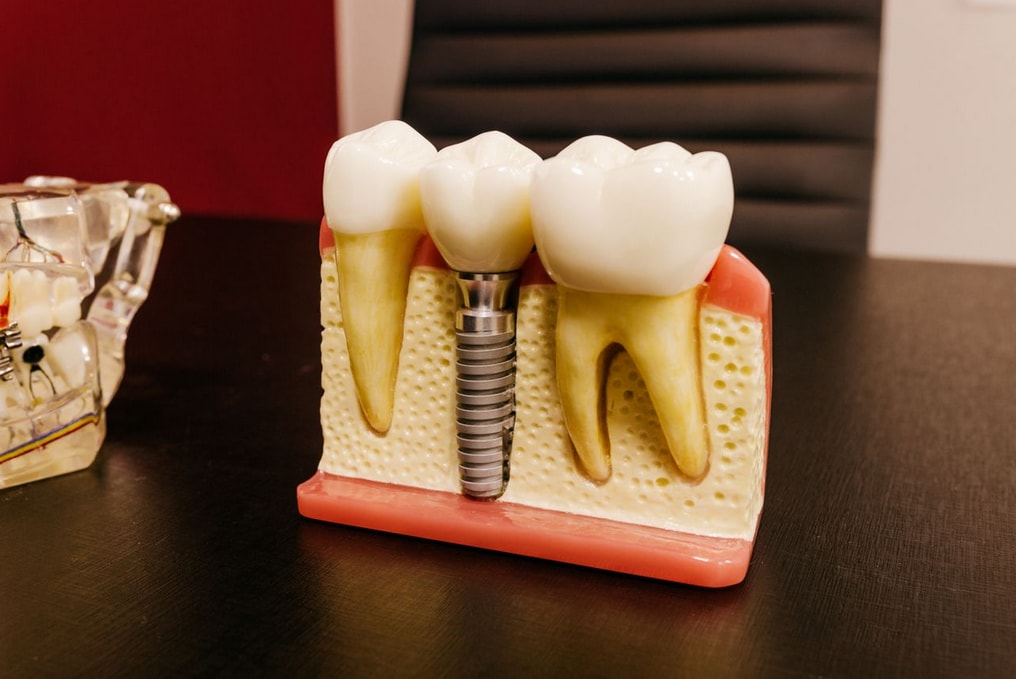
A crown covers and protects the entire visible portion of the tooth, distributing biting forces evenly across the structure rather than concentrating them at weak points. Without it, a root canal treated tooth — particularly a back tooth — is at meaningful risk of fracturing. And a tooth that fractures after a root canal, depending on the fracture line, can be unsalvageable.
When a crown is strongly recommended
Back teeth — molars and premolars — almost always need a crown after a root canal. These teeth bear the heaviest chewing forces. The combination of a brittle, pulp-less tooth and the mechanical demands placed on it during chewing makes a crown essentially non-negotiable from a clinical standpoint. Skipping the crown on a molar after a root canal is one of the more predictable ways to lose that tooth to a fracture within a few years.
Any tooth with significant pre-existing structural compromise. If the tooth had a large cavity, a large filling, or multiple restorations before the root canal, the remaining tooth structure after treatment may be minimal. A crown provides the structural integrity the remaining tooth can’t provide on its own.
Teeth with any history of cracking. A crack that contributed to the need for a root canal is still present after the root canal — the root canal treats the pulp, not the crack. A crown binds the tooth structure together and protects against the crack propagating further.
When a crown may not be strictly necessary
Front teeth with minimal structural damage. Upper and lower front teeth — incisors and canines — bear less biting force than back teeth. If a front tooth needed a root canal but has good structural integrity remaining and no significant existing restorations, a conservative buildup and bonding may be sufficient rather than a full crown. This is assessed case by case.
That said, even for front teeth, a crown offers a more protective and longer-lasting result than a filling alone, and I discuss the tradeoffs with the patient before making a recommendation.
What happens if you skip the crown
This is the part I want patients to understand clearly, because completing the root canal without the crown is one of the more common ways I see the investment in that root canal become wasted.
A root canal treated tooth without a crown is structurally vulnerable. In a back tooth, the risk of fracture is significant. If the tooth fractures in a way that extends below the gumline or splits the root, it typically cannot be saved — meaning the tooth that the root canal was performed to preserve requires extraction anyway. The root canal cost, the time, the treatment — lost.
The crown is the completion of the treatment, not an add-on. A root canal without a crown on a back tooth is an incomplete treatment.
Timing — how soon does the crown need to happen?
After a root canal, a temporary filling is placed in the access opening. This is not a long-term solution — it’s protection while the crown is being planned and fabricated. I recommend completing the crown within a few weeks to a couple of months after the root canal.
The longer an endodontically treated tooth goes without a crown, the greater the risk of the temporary filling failing, the tooth fracturing, or new decay developing around the access opening. If you’ve had a root canal and haven’t yet had the crown placed — regardless of how long it’s been — come in. It’s worth completing the treatment even belatedly rather than not at all.
The bottom line
For most root canal treated teeth — especially back teeth — a crown is necessary to protect the investment of the root canal and give the tooth a realistic chance of long-term survival. It’s not a upsell. It’s the completion of a two-part treatment.
If you’ve been told you need a crown after a root canal and want to understand why — or if you’ve had a root canal somewhere else and the crown hasn’t been placed yet — I’m happy to evaluate the situation and talk through your options. Serving patients in Washington, PA and the greater Pittsburgh area.
Washington, PA & Pittsburgh
Had a root canal and haven’t placed the crown yet?
It’s worth completing — even belatedly. Dr. Liza will evaluate the tooth and walk you through your options.

Dr. Elizabeth Wakim, DDS, is the founder of Enhanced Wellness. She’s a compassionate and highly-regarded dentist with her own practice in Washington, Pennsylvania, known for providing modern, comprehensive dental care, botox and facial aesthetics with a focus on patient comfort and anxiety reduction, serving general, cosmetic, and pediatric dentistry needs.