What to Expect at Your First Appointment With Dr. Liza — And Why It Feels Different
A first appointment at Enhanced Wellness starts with a conversation, not a procedure. Dr. Liza Wakim describes exactly what new patients can expect — and what makes her approach to care different.
Starting with a new dentist is its own kind of small vulnerability. You don’t know how they communicate, whether they’ll explain things or just do them, whether they’ll make you feel like a number on a schedule or like someone they’re actually glad to see. And if you’ve had unpleasant dental experiences in the past — or if you’ve been away from the dentist for a while — that vulnerability is amplified.
I want to describe what a first appointment at Enhanced Wellness actually looks like, so that if you’re considering coming in, you know what to expect before you get here.
Before you arrive
When a new patient contacts us, whoever answers the phone isn’t following a script designed to get you scheduled as quickly as possible. If you have concerns — about anxiety, about the state of your teeth after time away, about a specific situation you’re dealing with — those are the right things to raise before your first appointment, not after you’ve arrived and are already in the chair.
If you want to know what the first appointment involves before committing to it, ask. If you have a complicated dental history you want to describe first, we’ll listen. The goal of that initial conversation is for you to feel like you understand what you’re walking into — and for us to understand who we’re about to meet.
The first appointment is a conversation before it’s anything else
This is probably the thing that surprises new patients most.
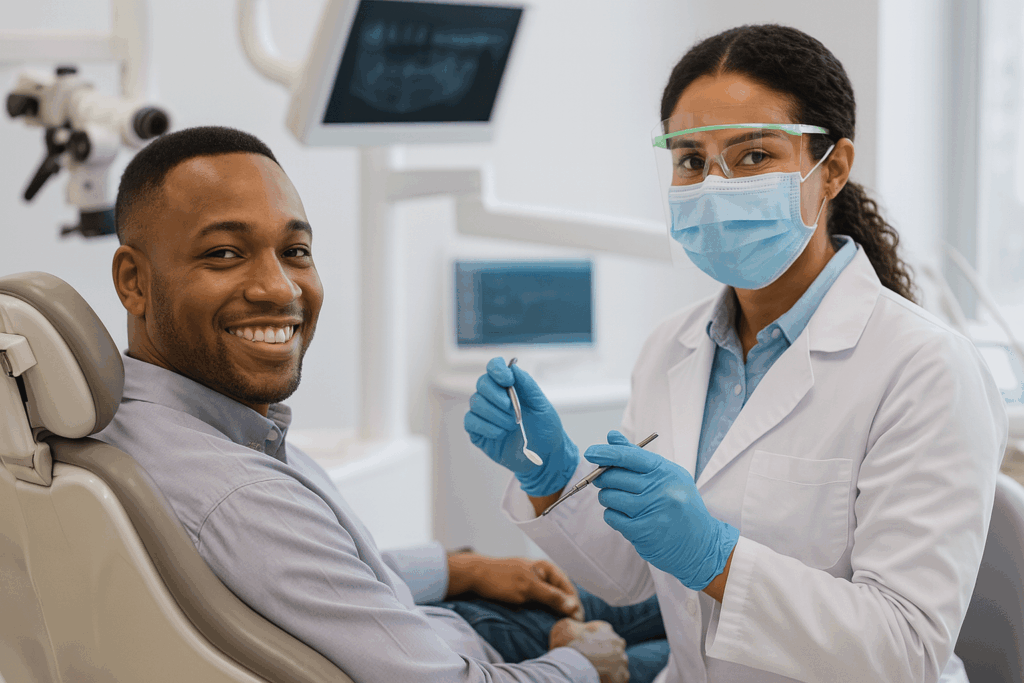
The first appointment at Enhanced Wellness isn’t a perfunctory cleaning followed by a list of everything that needs to be done. It begins with a conversation — about you. What’s brought you in now. What you’re hoping to accomplish. What’s worked and hasn’t worked in dental care you’ve received before. What you value, what you’re concerned about, and what matters to you about your smile and your oral health.
This approach comes directly from my training at the Pankey Institute, which holds that no meaningful dental treatment can be planned without first understanding what a patient actually values. That’s not a philosophy I apply when it seems convenient. It’s how I begin every new patient relationship.
What I’m listening for in that initial conversation: are you primarily concerned about pain? Function? Appearance? Are there specific teeth that have been bothering you, or is this more of a general catch-up after time away? Are you someone who wants to understand every detail of your treatment, or do you prefer I make decisions and explain as we go? None of these answers are wrong — they tell me how to take care of you specifically, not generically.
The clinical examination
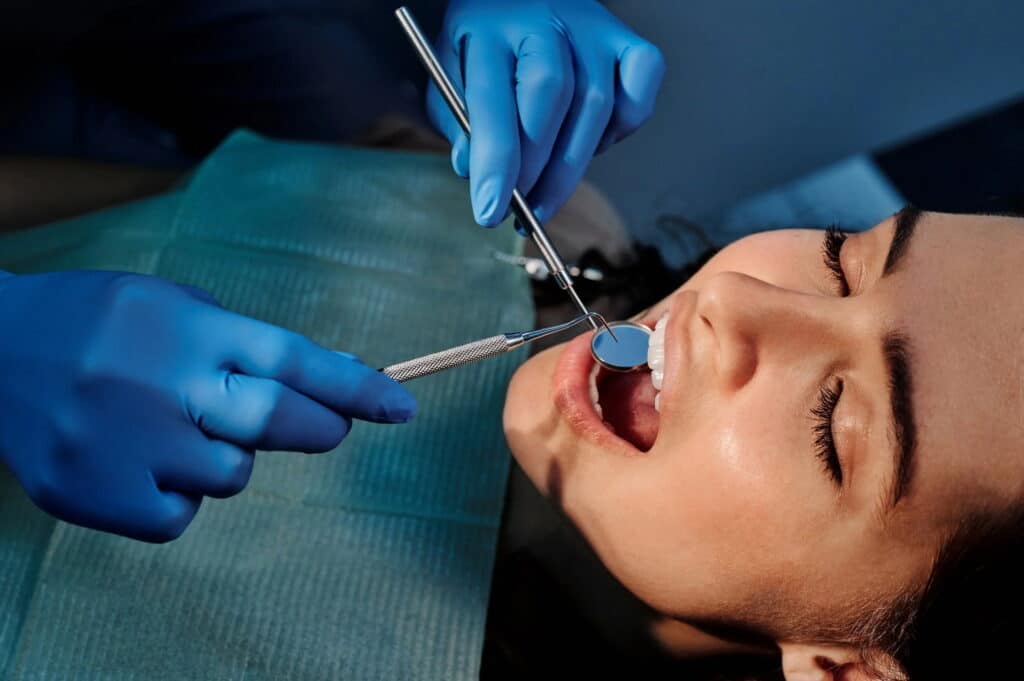
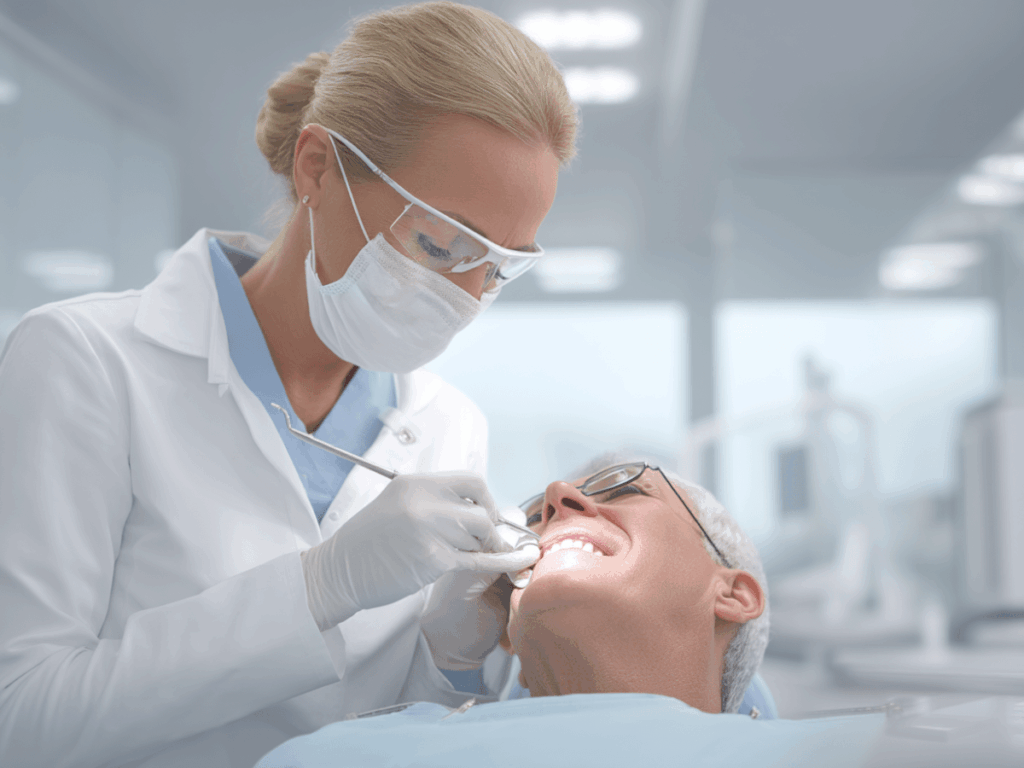
After the conversation comes a thorough clinical examination. For a new patient, this includes:
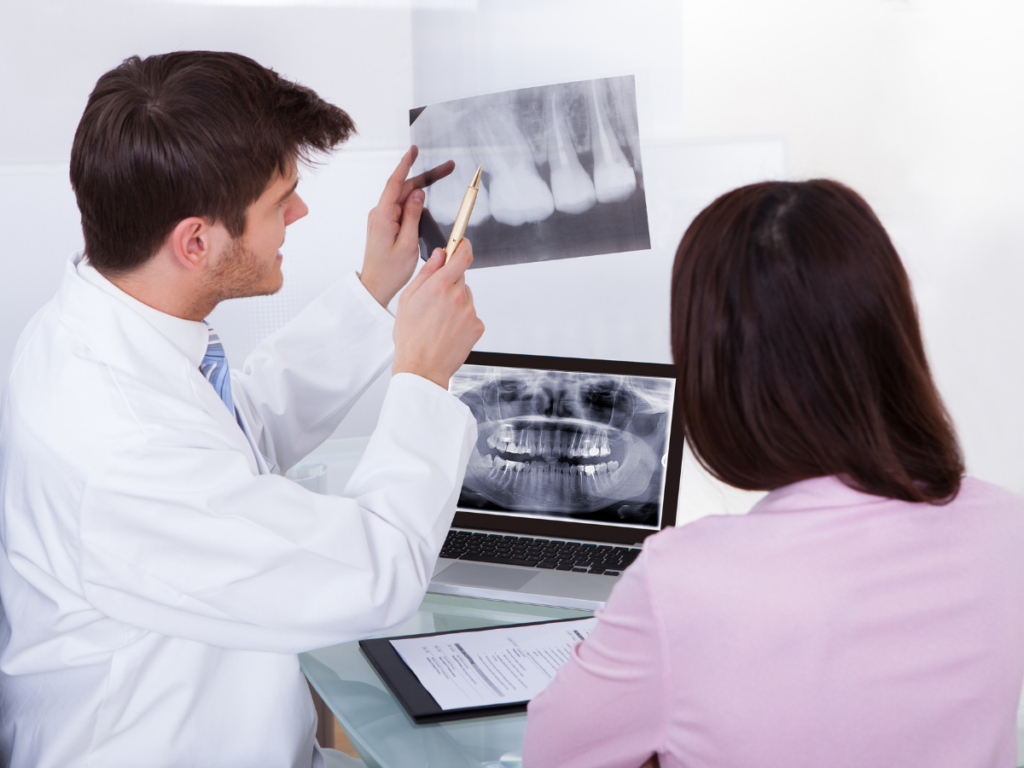
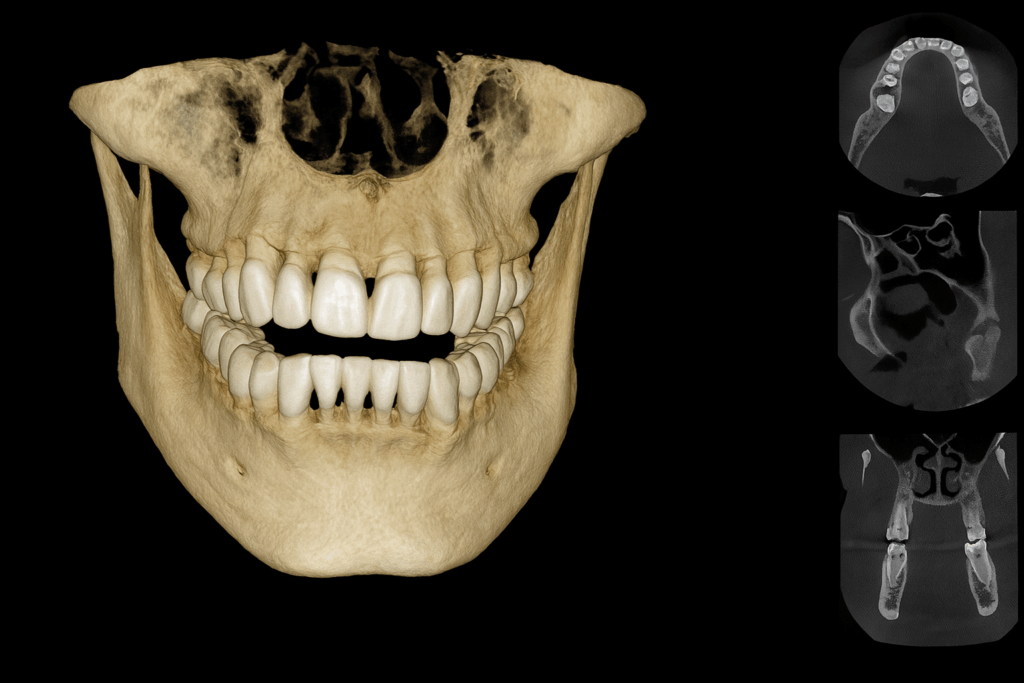
A full set of X-rays, which give me the information I can’t see with clinical examination alone — bone levels, the condition of roots and surrounding bone, decay between teeth, the status of any existing restorations. I use digital X-rays, which have significantly lower radiation exposure than traditional film.
A comprehensive examination of the teeth — each tooth evaluated individually for decay, cracks, wear, existing restorations, and anything else worth noting.
A periodontal assessment — measuring the depth of the pockets between the gums and teeth to evaluate gum health. This is how we identify gingivitis and periodontitis before they become advanced.
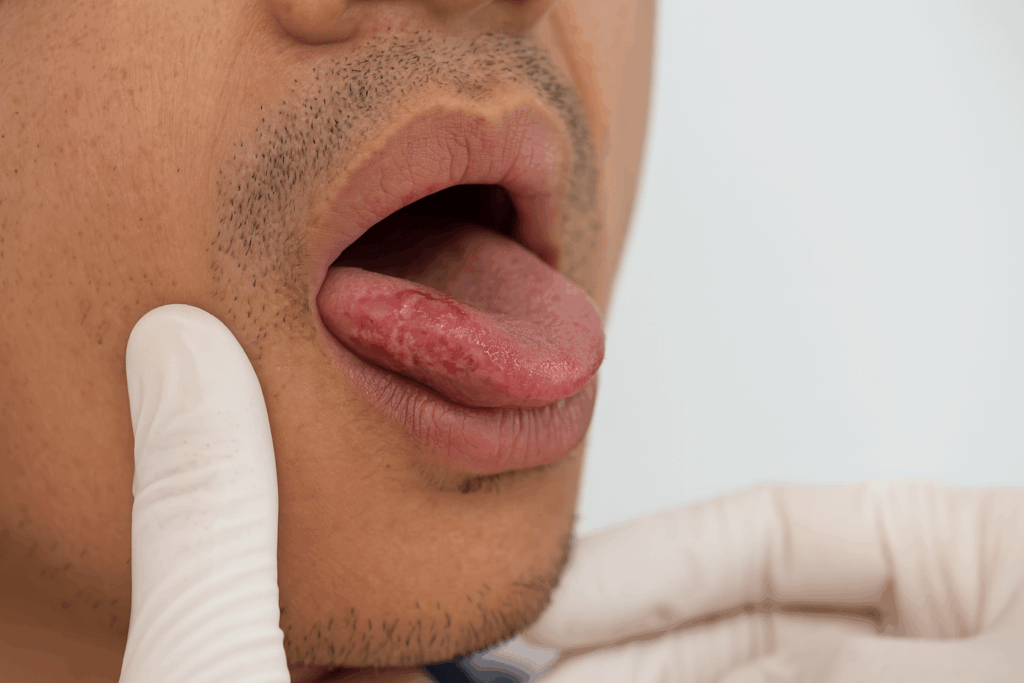
An oral cancer screening — an examination of the soft tissue of the mouth, throat, and neck for any changes worth monitoring or investigating. This takes a few minutes and is a standard part of every new patient exam.
An occlusal assessment — how your teeth come together, whether your bite is balanced, any signs of grinding or clenching. Given that bruxism is both common and underdiagnosed, this evaluation often surfaces things patients didn’t know were happening.
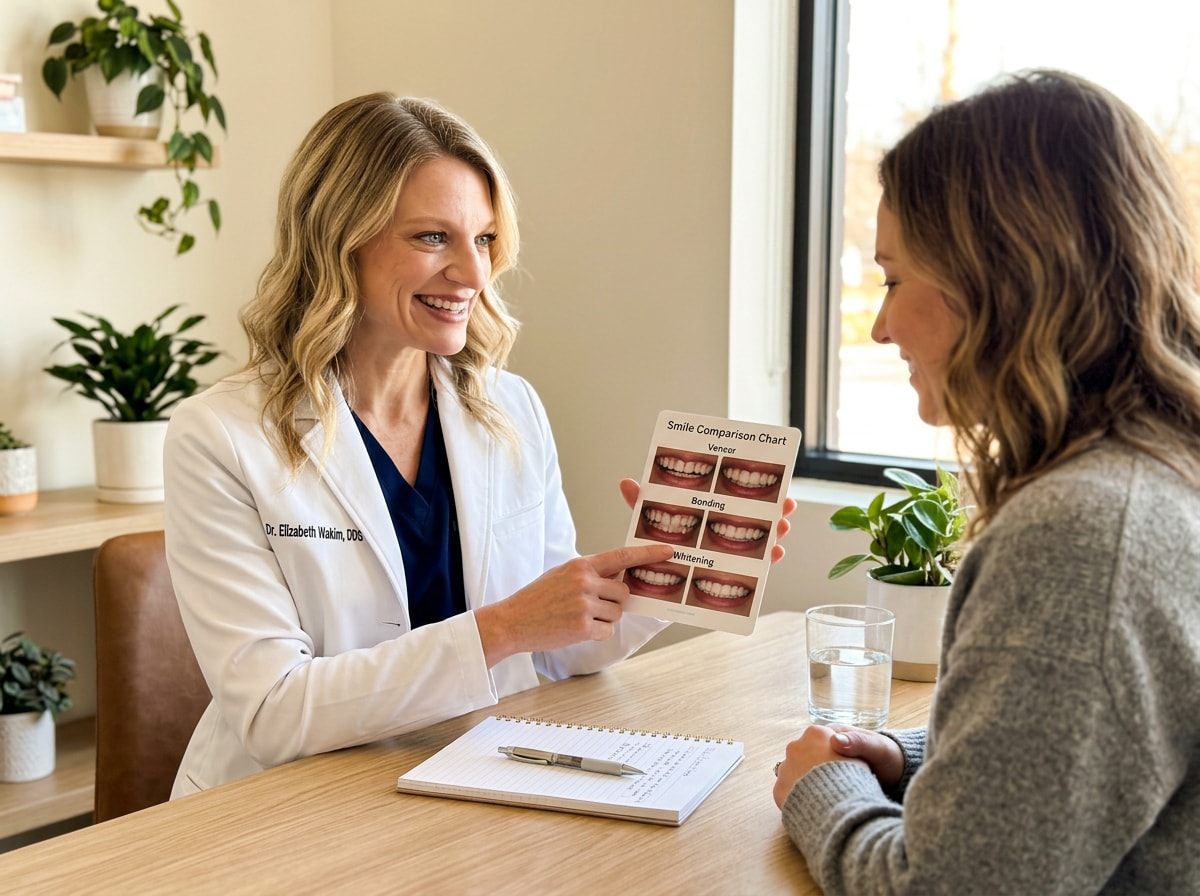
A smile assessment, if cosmetic concerns are part of what brought you in. What you want your smile to do for you is a clinical question, not just an aesthetic one — and it shapes treatment planning.
What I tell you after the examination
Everything I find. Clearly and completely, without jargon and without softening clinical realities to the point where they lose meaning.
If there’s decay, I tell you how significant it is and what the options are. If there are signs of gum disease, I explain what stage it’s at and what that means for treatment. If I see wear patterns from grinding, I show you. If there are things I want to monitor rather than treat immediately, I explain why.
I also tell you what I don’t find, because patients often come in expecting worse than what’s there — and knowing “your gums are healthy” or “there’s nothing urgent” is information that matters.
After the examination, if a treatment plan is needed, I walk through it in the same appointment — what needs to be done, in what order, roughly what’s involved, and how to think about prioritizing it if the whole picture isn’t something you want to address at once. I don’t send patients home with a confusing list and a financial estimate without context.
The cleaning
For many new patients, a standard cleaning follows the examination at the same appointment. For patients with signs of active gum disease, a standard cleaning may not be the appropriate first step — a deeper cleaning is scheduled as a separate appointment once the periodontal situation is assessed.
What I’m not going to do
I’m not going to recommend treatment you don’t need. I’m not going to pressure you into doing more than you want to do in a single visit. I’m not going to make you feel bad about choices you’ve made or things you haven’t kept up with. And I’m not going to rush through an appointment because the next patient is waiting.
Patients who’ve been coming to this practice for years describe the same thing: she listens, she explains, and she treats you like an adult who can handle honest information. That’s the practice I’ve built deliberately, and it’s the experience I want every new patient to have from the first appointment onward.
Ready to come in?
If you’re in the Washington, PA or Pittsburgh area and you’re looking for a dentist — whether for the first time, or after a gap, or because the last practice didn’t feel right — I’d genuinely welcome the chance to meet you.
Reach out through the website or give us a call. The first conversation doesn’t commit you to anything.
Washington, PA & Pittsburgh
Ready to come in for the first time?
Reach out through the website or give us a call. The first conversation doesn’t commit you to anything — it’s just a chance to talk.

Dr. Elizabeth Wakim, DDS, is the founder of Enhanced Wellness. She’s a compassionate and highly-regarded dentist with her own practice in Washington, Pennsylvania, known for providing modern, comprehensive dental care, botox and facial aesthetics with a focus on patient comfort and anxiety reduction, serving general, cosmetic, and pediatric dentistry needs.