Can Gum Disease Be Reversed? What’s Actually Treatable and What Isn’t
Gingivitis is fully reversible. Periodontitis isn’t — but it is treatable. Dr. Liza Wakim explains the honest difference, what periodontal treatment actually involves, and what determines whether you keep your teeth.
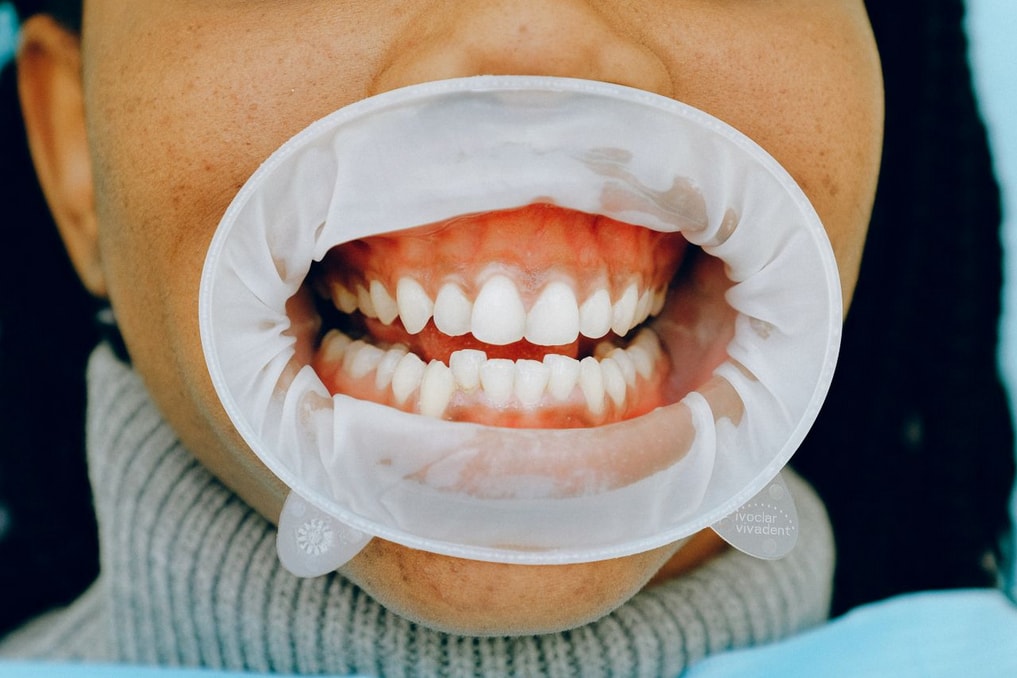
When a patient hears the words “gum disease” for the first time — or sees them written on a treatment plan — the reaction is often some version of panic. They want to know: is this serious? Is it permanent? Can it be fixed?
The answers depend on how far the disease has progressed. And the most important thing I can tell you upfront is this: if you’ve been diagnosed with gum disease and you’re here looking for information, the fact that you’re asking is already a good sign. The patients I worry about are the ones who don’t ask — who avoid the dentist because they don’t want to hear bad news, and come back years later when the news is genuinely harder to deliver.
Let me give you the honest picture of what gum disease is, what’s reversible, and what we can do about what isn’t.
The two categories: gingivitis and periodontitis
| Gingivitis | Periodontitis | |
|---|---|---|
| Stage | Early — gum tissue only | Advanced — bone and connective tissue affected |
| Reversible? | Yes — fully reversible with treatment Good news |
No — bone loss does not reverse. Goal is stabilization. |
| Symptoms | Red, tender, or bleeding gums — often painless | Deep pockets, bone loss, recession, loose teeth — often painless until advanced |
| Primary treatment | Professional cleaning + improved home care | Scaling and root planing (deep cleaning), possible surgery |
| Maintenance after | Standard twice-yearly cleanings | Periodontal maintenance every 3–4 months |
| Tooth loss risk | Minimal if treated promptly | Manageable with consistent treatment — high if untreated |
Gum disease isn’t a single condition — it’s a spectrum, and where you fall on that spectrum determines everything about what treatment looks like and what outcomes are possible.
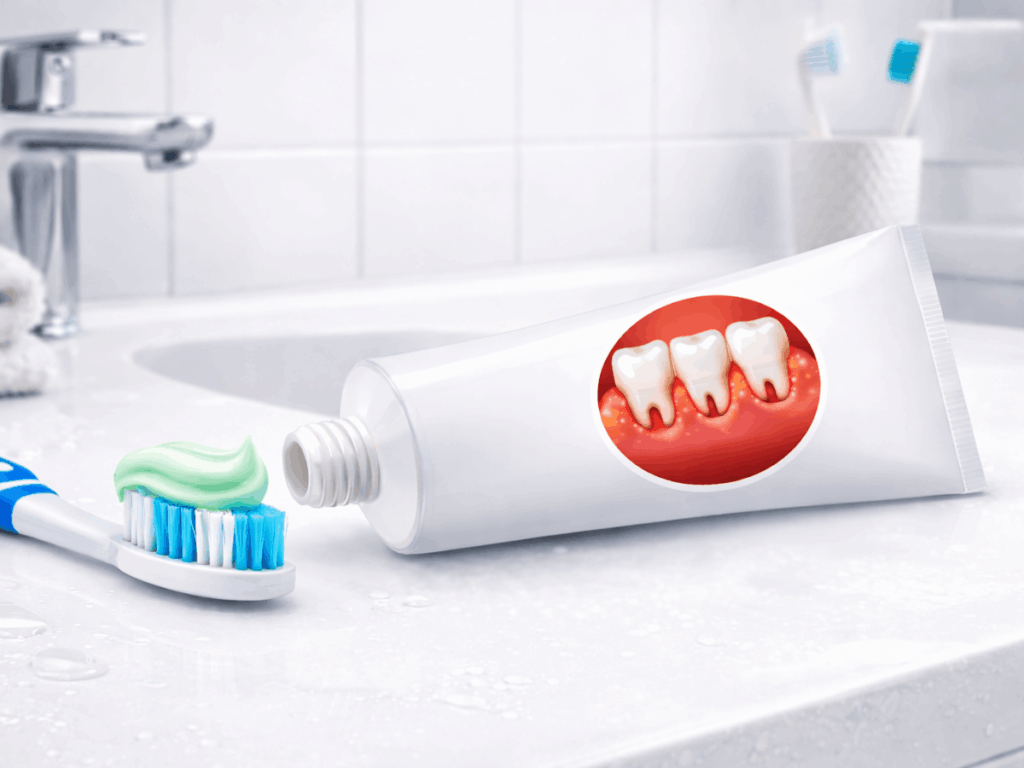
Gingivitis is the earliest stage. It’s an inflammation of the gum tissue caused by bacterial plaque buildup along and just beneath the gumline. The gums may look red, feel tender, or bleed when you brush or floss. At this stage, the bone and connective tissue that hold the teeth in place are not yet affected — the damage is limited to the soft tissue.
Gingivitis is fully reversible. With a professional cleaning that removes the plaque and tartar buildup, and a consistent home care routine going forward, inflamed gum tissue can return to a healthy state completely. No permanent damage, no lasting consequences. This is the stage where catching gum disease early makes an enormous clinical difference.
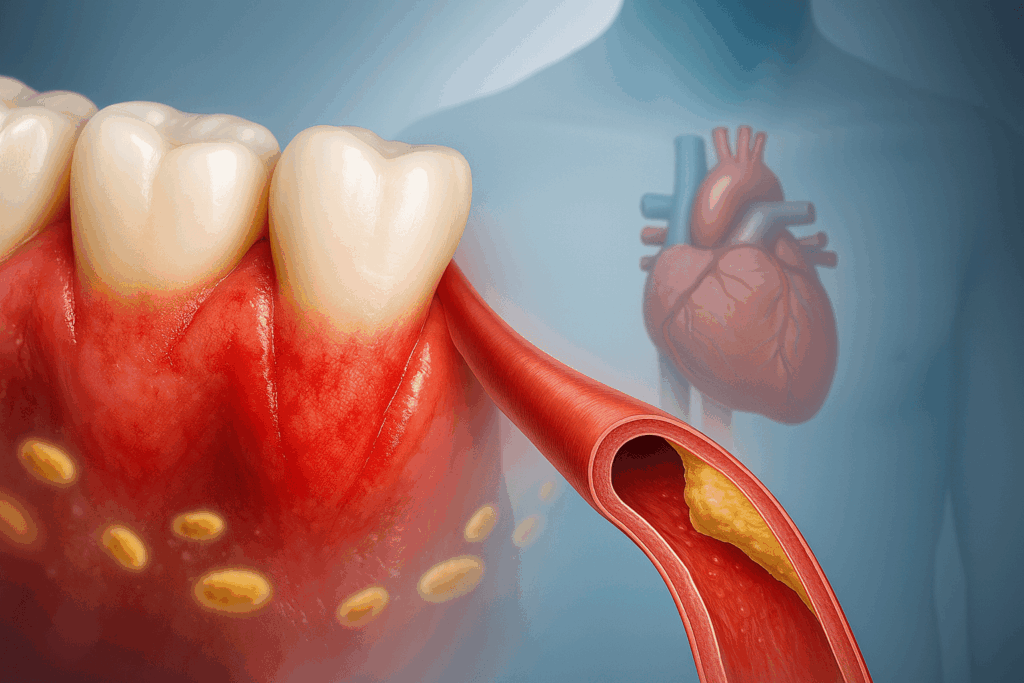
Periodontitis is what happens when gingivitis is left untreated — or in some cases, when contributing factors like genetics, smoking, or uncontrolled systemic disease accelerate the progression. At this stage, the infection has moved below the gumline and the body’s inflammatory response begins destroying the bone and connective tissue that anchor the teeth. Pockets form between the teeth and gums, and those pockets become reservoirs for bacteria that continue driving destruction.
This is where the honest answer becomes more complicated: periodontitis is not reversible in the way gingivitis is. The bone and tissue lost to periodontal disease do not grow back on their own. What we’re working toward at this stage isn’t reversal — it’s stabilization, management, and prevention of further loss.
That’s an important distinction, and I want to be clear about it — not to alarm patients, but because I think people deserve accurate information rather than false reassurance. Periodontitis can absolutely be treated effectively. Patients keep their teeth, manage their condition, and go on to have healthy mouths for years. But it requires commitment to treatment and ongoing maintenance in a way that gingivitis doesn’t.
What “treating” periodontitis actually means
The goal of periodontal treatment is to eliminate or reduce the bacterial infection, halt the progression of bone and tissue loss, and create conditions in which the mouth can be maintained in a stable state going forward.
The primary treatment for most cases of periodontitis is scaling and root planing — sometimes called a deep cleaning. This is a non-surgical procedure performed with local anesthesia in which the hygienist or dentist cleans below the gumline, removing the calculus and bacterial deposits from the root surfaces of the teeth where a standard cleaning doesn’t reach. Root planing smooths the root surface so it’s harder for bacteria to reattach and easier for the gum tissue to reattach to the tooth.
For many patients with mild to moderate periodontitis, scaling and root planing — followed by a consistent maintenance schedule — is sufficient to stabilize the condition and prevent further progression.
For patients with more advanced disease, additional interventions may be part of the treatment plan:
Antibiotic therapy — either locally delivered (a medicated gel placed directly into periodontal pockets) or systemic — can be used alongside mechanical cleaning to reduce bacterial load in areas that are difficult to fully debride.
Periodontal surgery may be indicated in cases where pockets are too deep to be adequately cleaned non-surgically, or where bone grafting to restore lost bone volume is appropriate. Surgical options have advanced significantly and remain effective for stabilizing advanced disease.
Ongoing periodontal maintenance — typically cleaning appointments every three to four months rather than the standard twice-yearly schedule — is the cornerstone of long-term management. Periodontal disease is a chronic condition for most patients, and the maintenance schedule is what keeps it stable rather than progressive.
The factors that make it harder to treat
I want to be direct about a few things that significantly affect how treatment goes, because patients sometimes don’t hear these clearly enough.
Smoking is the single biggest modifiable risk factor for periodontal disease. It impairs blood flow to the gum tissue, suppresses the immune response, and masks the classic signs of gum disease — smokers often don’t bleed when they brush, which makes early detection harder. Patients who smoke have worse outcomes from periodontal treatment than non-smokers, and the disease progresses faster. Quitting smoking is the single most impactful thing a patient with gum disease can do to improve their prognosis.
Diabetes — particularly uncontrolled diabetes — has a bidirectional relationship with periodontal disease. Uncontrolled blood sugar impairs healing and increases susceptibility to infection, making gum disease harder to treat. And active gum disease makes blood sugar harder to control. Managing systemic health is part of managing periodontal disease.
Genetics plays a role that patients sometimes underestimate. Some people are significantly more susceptible to periodontal disease regardless of their oral hygiene habits. If you have a family history of gum disease or tooth loss, that’s clinically relevant information — and it means more vigilant monitoring, not fatalism.
Home care compliance is, ultimately, the variable I have the least control over. Professional treatment creates the conditions for stability — what maintains it is what you do every day. Patients who brush carefully twice a day, floss daily, and keep their maintenance appointments consistently do better than patients who don’t. That’s not a judgment — it’s just what the data shows.
What tooth loss risk actually looks like
One of the questions patients ask most directly is: am I going to lose my teeth?
The answer — for most patients who engage in treatment — is no. Periodontal disease is the leading cause of tooth loss in adults, but that statistic reflects patients who go untreated or undertreated, not patients who are actively managing their condition.
A patient who completes initial periodontal therapy, maintains a consistent three to four month cleaning schedule, manages contributing systemic factors, and keeps their home care up has a very good prognosis for keeping their teeth long-term — even with a history of significant bone loss.
What I see lead to tooth loss is not the diagnosis itself. It’s the combination of advanced disease at first presentation, continued smoking, poor compliance with maintenance, and untreated systemic disease. None of those factors are inevitable, and most of them are at least partly within the patient’s control.
The earlier, the better — but it’s not too late to start
If there’s one thing I want patients to take away from this, it’s that the timing of when you start treating gum disease matters enormously — but there is rarely a point at which treatment is no longer worthwhile.
Gingivitis caught early is fully reversible and requires minimal intervention. Mild to moderate periodontitis treated promptly can almost always be stabilized. Even advanced disease, in most patients, can be managed well enough to preserve the remaining teeth and maintain function and quality of life.
The worst outcome I see isn’t in patients who come in with serious disease. It’s in patients who were told years earlier that they had a problem, who avoided coming back because they were afraid of what they’d hear, and who arrive years later with significantly more destruction than there needed to be.
If you’ve been putting off a periodontal evaluation — or if you know you need treatment and have been delaying it — come in. Whatever the situation is, it’s better to know, and better to start.
Ready to understand where you stand?
If you’re in the Washington, PA or Pittsburgh area and have questions about your gum health — whether you’ve been recently diagnosed, told you need a deep cleaning, or just noticed your gums bleeding more than usual — I’m happy to do a thorough evaluation and walk you through exactly what’s going on and what your options are.
Washington, PA & Pittsburgh
Concerned about your gum health?
Dr. Liza will do a thorough evaluation, explain exactly what she finds, and walk you through your options clearly — whatever stage you’re at, it’s better to know.

Dr. Elizabeth Wakim, DDS, is the founder of Enhanced Wellness. She’s a compassionate and highly-regarded dentist with her own practice in Washington, Pennsylvania, known for providing modern, comprehensive dental care, botox and facial aesthetics with a focus on patient comfort and anxiety reduction, serving general, cosmetic, and pediatric dentistry needs.