Tooth Extraction: What to Expect During and After the Procedure
Having a tooth extracted? Dr. Liza Wakim walks through what the procedure actually involves, what recovery looks like day by day, and how to avoid the most common complication.
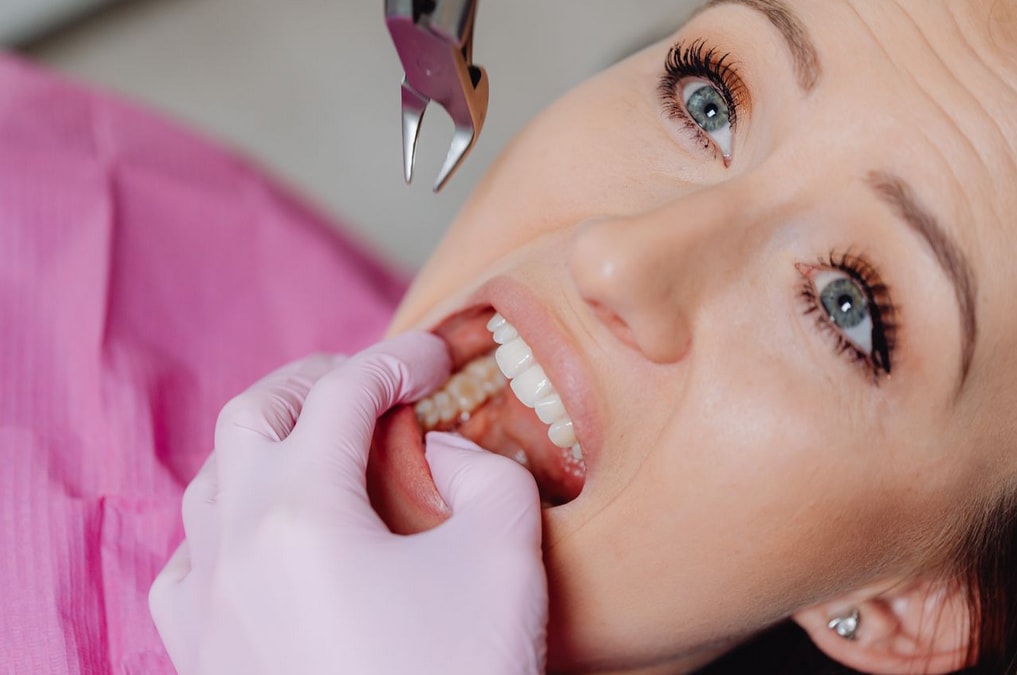
Having a tooth extracted is rarely the news a patient wants to hear. Even when it’s the right clinical decision — when the tooth is too damaged, too infected, or too compromised to save — there’s a moment of adjustment that comes with understanding that something is leaving permanently.
What comes after that moment, for most patients, is a set of questions: Does it hurt? How long is the recovery? What do I eat? What happens if something goes wrong?
These are exactly the right questions to ask, and I want to answer them clearly — the same way I’d walk a patient through it sitting across from me in the practice.
When extraction is the right decision
I want to preserve teeth whenever possible. Extraction is not a default — it’s a decision reached after determining that a tooth cannot be saved, or that attempting to save it would not serve the patient’s long-term health and function.
Common reasons for extraction include: a tooth so severely decayed that there isn’t adequate structure remaining for a crown or other restoration; a tooth fractured below the gumline in a way that makes restoration impossible; a tooth with advanced bone loss from periodontal disease that can no longer be supported; a failed root canal with recurrent infection that isn’t responding to retreatment; wisdom teeth causing pain, infection, crowding, or damage to adjacent teeth; and teeth that need to be removed as part of orthodontic or full mouth reconstruction treatment planning.
When I recommend extraction, I explain why — specifically, not generally — and I discuss the replacement options at the same time, because the decision about what goes in the space is part of the overall treatment plan.
What the procedure actually involves
Simple extraction. A tooth that is visible above the gumline and has a straightforward root structure is removed with a simple extraction. After thorough local anesthesia, the tooth is loosened using an instrument called an elevator, then removed with forceps. You’ll feel significant pressure during this process — the rocking and loosening sensation is what it is — but with proper anesthesia, not pain. The procedure takes a few minutes for most simple extractions.
Surgical extraction. A tooth that is impacted, broken below the gumline, has curved or multiple roots, or is otherwise difficult to access requires a surgical approach. An incision is made in the gum tissue, and in some cases a small amount of bone is removed to access the tooth. The tooth may be sectioned — cut into pieces — before removal. This sounds more alarming than it feels, since local anesthesia manages the sensation. Surgical extractions take longer and typically involve more post-operative soreness than simple ones.
The anesthesia process is the same as I’ve described for other procedures: topical anesthetic first, then the injection. Once numb, pressure is what you feel — not pain. If you feel sharpness at any point, signal me.
What recovery actually looks like
Surgical extractions may involve a slightly longer recovery. Follow your specific post-operative instructions — these are general guidelines only.
Day of procedure. Expect some bleeding from the socket — this is normal and is managed by biting firmly on gauze for 30 to 45 minutes after the extraction. Don’t rinse, spit forcefully, use a straw, or smoke for the first 24 hours — these actions create suction that can dislodge the blood clot forming in the socket, which is critical to healing.
Days 1 through 3. Peak swelling and soreness. Ice packs on the outside of the face in 20-minute intervals during the first 24 hours help with swelling. Take prescribed or over-the-counter pain relief on schedule — staying ahead of pain is easier than catching up to it. Eat soft foods: yogurt, scrambled eggs, mashed potatoes, soup. Avoid the extraction site when chewing.
Days 4 through 7. Most patients feel significantly better. Swelling subsides, soreness is manageable. Soft foods continue for the first week. If sutures were placed, they’re typically removed or dissolve by day seven.
Weeks 2 through 4. The extraction site is healing from the outside in. The socket gradually fills with new tissue. Most patients have returned fully to normal activity and diet by week two, with the site still healing internally.
Dry socket — what it is and how to avoid it
Dry socket is the most common complication after extraction and the one patients are most worried about. It occurs when the blood clot that forms in the socket is dislodged or fails to form properly, leaving the underlying bone exposed. It’s significantly more painful than normal post-extraction soreness — the pain typically develops two to four days after the procedure and is often described as a deep, radiating ache that spreads toward the ear.
Risk factors include smoking, using a straw, rinsing forcefully, vigorous physical activity too soon after the procedure, and certain medications. Following post-operative instructions carefully substantially reduces the risk. If you develop dry socket, call the office — it’s treated with a medicated dressing placed in the socket that provides fairly rapid relief.
When to call
The following warrant a call to the office:
- Bleeding that doesn’t stop after 45 minutes of firm pressure
- Pain that is worsening significantly after the first two to three days rather than improving
- Swelling that is spreading to the jaw, neck, or face
- Fever
- A bad taste or smell from the socket that develops after the first day or two
- Numbness that persists beyond a day after the anesthesia should have worn off
Planning for what comes next
An extraction leaves a gap — and that gap matters clinically, not just aesthetically. When a tooth is missing, the surrounding teeth gradually shift toward the space. The bone beneath the gap begins to resorb. Over time, these changes affect the bite, the appearance, and the long-term stability of the adjacent teeth.
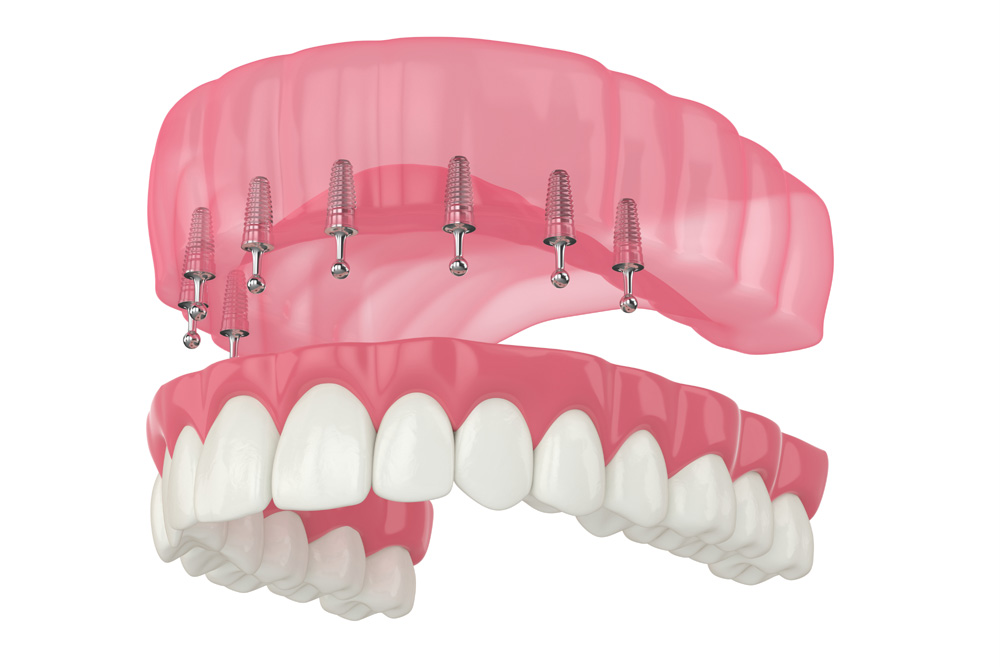
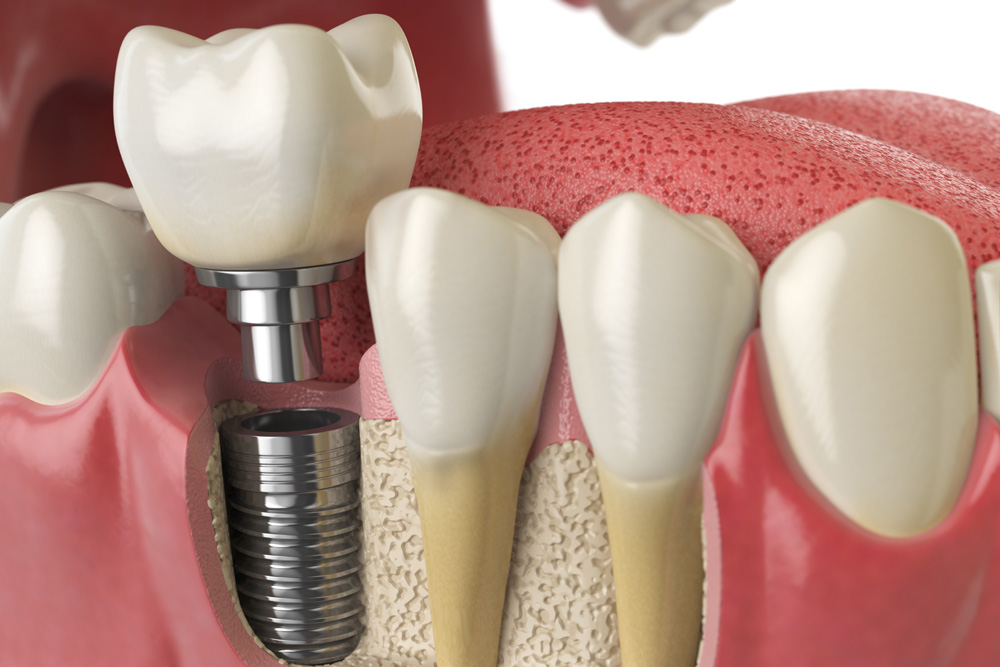
For most patients, I discuss replacement options — dental implant, bridge, or in some cases a removable partial — at the time of or shortly after extraction, so there’s a plan in place before the space has time to affect surrounding structures.
Washington, PA & Pittsburgh
Have questions about an upcoming extraction?
Dr. Liza walks every patient through exactly what to expect before the appointment — including replacement options for afterward.

Dr. Elizabeth Wakim, DDS, is the founder of Enhanced Wellness. She’s a compassionate and highly-regarded dentist with her own practice in Washington, Pennsylvania, known for providing modern, comprehensive dental care, botox and facial aesthetics with a focus on patient comfort and anxiety reduction, serving general, cosmetic, and pediatric dentistry needs.