Are Dental Implants Painful? What the Procedure Actually Feels Like
What does a dental implant actually feel like? Dr. Liza Wakim walks through every stage honestly — the procedure, the recovery, and what most patients get wrong about the pain.
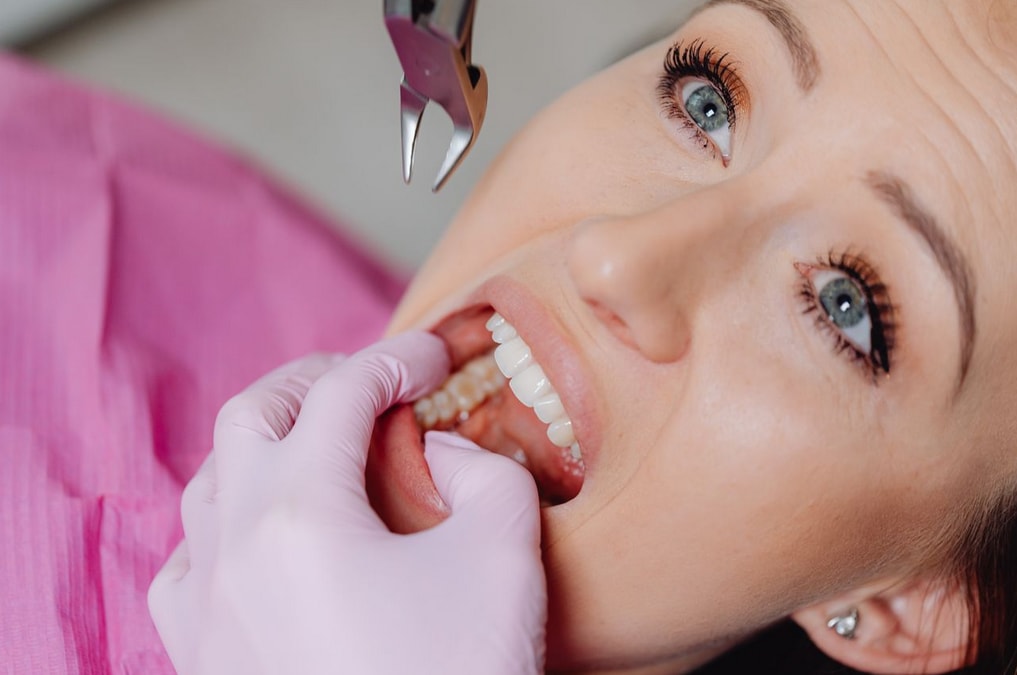
Of all the reasons patients put off getting a dental implant, fear of pain is near the top of the list. And I understand it — the procedure sounds intense on paper. Titanium post. Jawbone. Surgery. It’s the kind of description that makes people wince before they’ve asked a single question.
So let me give you the honest picture. Not the reassuring-but-vague version, and not the version designed to make you feel like everything will be effortless. The real one — what you’ll actually feel, at each stage, and how it compares to what most patients expect going in.
The short answer is that most patients are genuinely surprised by how manageable it is. The longer answer is worth understanding before you decide.
Why the anticipation is usually worse than the reality
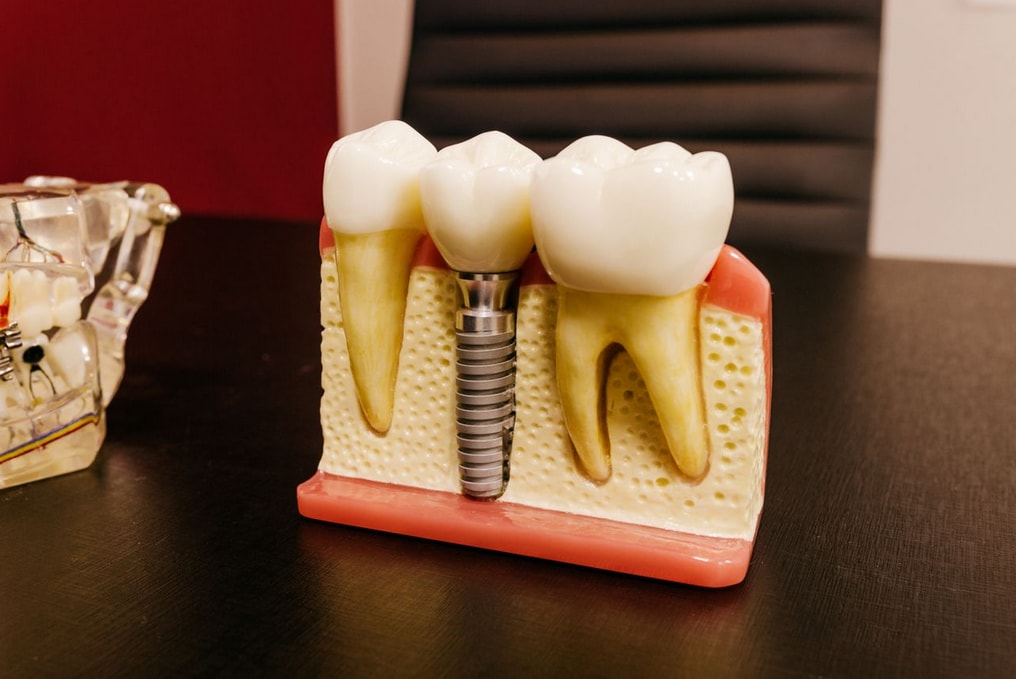
Dental implant placement is a surgical procedure. I want to be clear about that because I think it’s more reassuring to acknowledge it than to minimize it. It involves making an incision in the gum tissue, drilling a precise channel into the jawbone, and placing the titanium post. Those are real steps that sound uncomfortable.
What makes the experience different from what patients imagine is anesthesia. The entire procedure is performed under local anesthesia — the same kind used for fillings and crowns, just administered more thoroughly. Once the area is fully numb, you should feel pressure and movement during the procedure, but not pain. The distinction matters: pressure is not pain. Feeling the dentist working — sensing movement, vibration, the mechanics of what’s happening — is normal and expected. Feeling sharp pain is not, and if that happens, I want to know immediately so we can address it.
Most patients tell me afterward that the anticipation was the hardest part.
What each stage actually feels like
The anesthesia
The injection is the moment most patients brace for, and it’s the most genuinely uncomfortable part of the appointment for many people. A topical anesthetic is applied first to numb the surface before the needle, which reduces the sensation significantly. The injection itself takes a minute or two to administer fully. Once it takes effect — usually within a few minutes — the area is numb and the procedure can begin.
If needle anxiety is significant for you, tell me before we start. There are techniques to make this step more manageable, and knowing in advance gives us the chance to address it.
The incision and post placement
Once you’re numb, I make a small incision in the gum tissue to access the bone and place the implant post. You’ll feel pressure — sometimes significant pressure — as the post is placed. The bone drilling produces vibration and sound. Neither should be painful with proper anesthesia in place.
The placement itself typically takes 30 to 60 minutes for a single implant, depending on complexity. Most patients are surprised by how quickly it goes.
Immediately after the procedure
This is where the honest part gets important: the hours after the procedure, as the anesthesia wears off, are typically the most uncomfortable period of the entire implant process. The surgical site has been worked on, tissue has been manipulated, and the body’s inflammatory response kicks in. Swelling, soreness, and a dull aching sensation are normal and expected.
For most patients, over-the-counter pain relief — ibuprofen and acetaminophen, used appropriately — manages this comfortably. Some patients need a short course of prescription pain medication, particularly for more complex placements. Either way, the peak discomfort is typically in the first 24 to 48 hours.
The healing period — osseointegration
After the first few days, most patients feel well enough to return to normal activities. The implant post then spends the next three to six months integrating with the jawbone — a biological process called osseointegration. During this period, the implant site should not be painful. Some patients notice occasional mild sensitivity or awareness of the area, particularly if they press on it, but significant ongoing pain during healing is unusual and worth a call to the office.
This healing phase is largely uneventful. You go about your normal life. The implant is quietly doing what it needs to do.
The crown placement appointment
Once osseointegration is confirmed — I check this with X-rays and by testing the stability of the post — you return for the crown placement. This appointment involves making an impression or digital scan of the implant and surrounding teeth, placing a healing abutment if not already done, and eventually cementing the permanent crown.
Crown placement is considerably more comfortable than the initial surgery. Local anesthesia is used for any tissue work involved, and the process of attaching the crown to the implant is straightforward. Most patients find this appointment anticlimactic compared to the first one — which is exactly how it should feel.
What the recovery actually looks like day by day
Recovery varies by patient. Multiple implants or bone grafting may extend the timeline. Always follow your dentist’s specific post-operative instructions.
The recovery timeline varies by patient, but here’s what’s typical for a single implant placement:
Day of surgery: Soreness begins as anesthesia wears off. Soft foods, no vigorous rinsing, gauze if needed for any bleeding. Rest is recommended.
Days 1–3: Peak swelling and soreness. Ice packs in the first 24 hours help with swelling. Pain relief medication as needed. Most patients are functional — working from home or doing light activity — but not at full capacity.
Days 4–7: Significant improvement for most patients. Swelling subsides, soreness fades. Soft foods for the remainder of the first week. Sutures, if placed, are typically removed or dissolve around day seven.
Week 2 onward: Most patients feel normal. The implant site may feel slightly different — a new presence in the jaw — but not painful. Normal eating gradually resumes, avoiding direct pressure on the implant site.
Months 1–6: The osseointegration period. No pain expected. Regular check-ins with X-rays to monitor progress.
Who tends to have a harder recovery
Most patients do well. A few factors can make the recovery more involved:
Smoking significantly impairs healing and increases the risk of implant failure. I’m direct with patients about this — not to lecture, but because it’s clinically important information.
Multiple implants placed at once mean more tissue manipulation and a longer procedure, which typically correlates with more post-operative soreness.
Bone grafting, when needed prior to or alongside implant placement, adds a surgical step and extends recovery somewhat.
Medical conditions that affect healing — uncontrolled diabetes, certain autoimmune conditions, patients on specific medications — can make recovery less predictable. This is why a thorough health history before implant placement isn’t a formality.
The question patients most often ask me afterward
“Why did I wait so long?”
It’s the most common thing I hear from implant patients once the process is complete and they have a functioning, natural-feeling tooth in place. The procedure they’d built up in their minds for months turned out to be manageable. The recovery was shorter than expected. And the result — a tooth that feels like it was always there — made the whole thing feel worthwhile.
If fear has been keeping you from pursuing an implant you need, I’d encourage you to at least have the conversation. Understanding what the procedure actually involves, for your specific situation, is a very different thing from imagining it.
Ready to find out if you’re a candidate?
If you’re in the Washington, PA or Pittsburgh area and have been putting off an implant consultation, come in and let’s talk through it. I’ll explain exactly what the process would look like for you — and give you a realistic picture of what to expect at every step.
Washington, PA & Pittsburgh
Been putting off an implant consultation?
Dr. Liza will walk you through exactly what the process would look like for your specific situation — no vague reassurances, just a clear and honest picture from start to finish.

Dr. Elizabeth Wakim, DDS, is the founder of Enhanced Wellness. She’s a compassionate and highly-regarded dentist with her own practice in Washington, Pennsylvania, known for providing modern, comprehensive dental care, botox and facial aesthetics with a focus on patient comfort and anxiety reduction, serving general, cosmetic, and pediatric dentistry needs.